
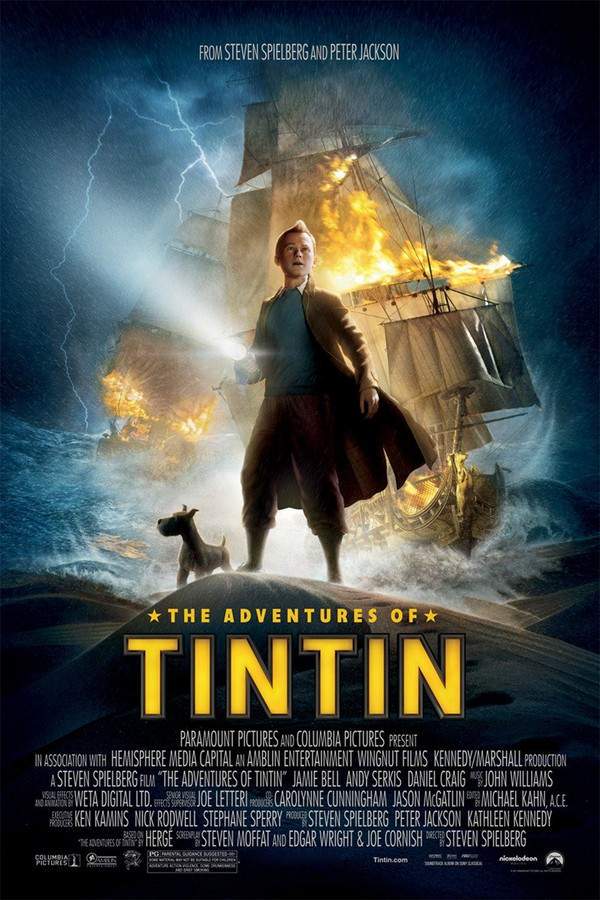
 #1 of 3
#1 English-language movie of Week 52, 2011
The Adventures of Tintin (2011)
2011 · Adventure, Mystery
$374M worldwide · 75% of the chart's total
$77.6M US & Canada · 21% $296.4M elsewhere · 79%

The Adventures of Tintin (2011) is the highest-grossing English-language movie released in week 52 of 2011 (Dec 18–24), with $374M worldwide, ahead of We Bought a Zoo (2011) at $120.1M and Albert Nobbs (2011) at $7.5M. 3 English-language films released that week report a worldwide gross, $501.6M in all, 31% of it from the US & Canada. 2 films crossed $100 million; none reached $1 billion. That is down 69% on Week 51, 2011, whose releases took $1.6B.
#1 of 3 The Adventures of Tintin (2011)
2011 · Adventure, Mystery
$374M worldwide · 75% of the chart's total
The Adventures of Tintin (2011) leads with $374M, 75% of the total. The top 3 together took $501.6M, almost all of what the 3 films earned. Each bar splits a film's gross into the US & Canada and the rest of the world.
Number 1 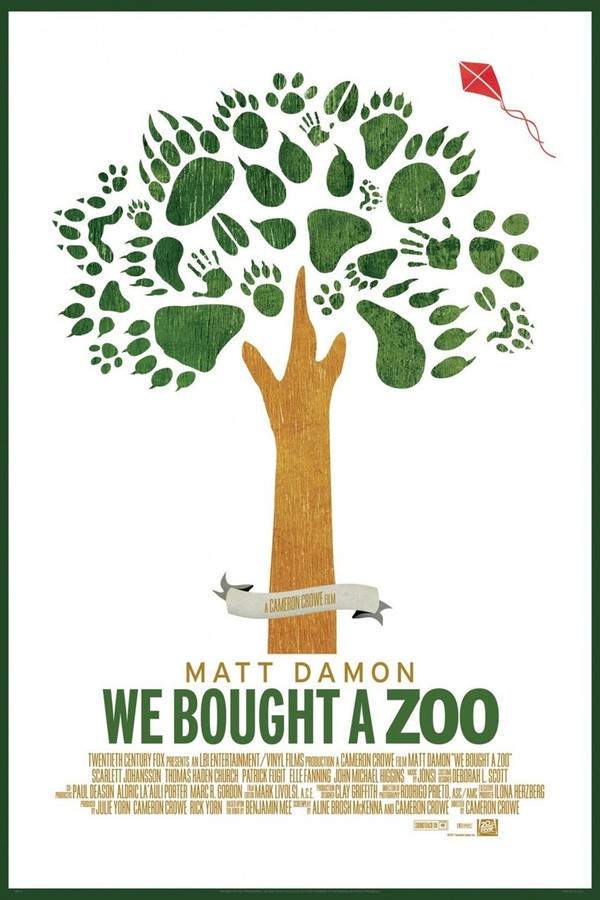 Number 2
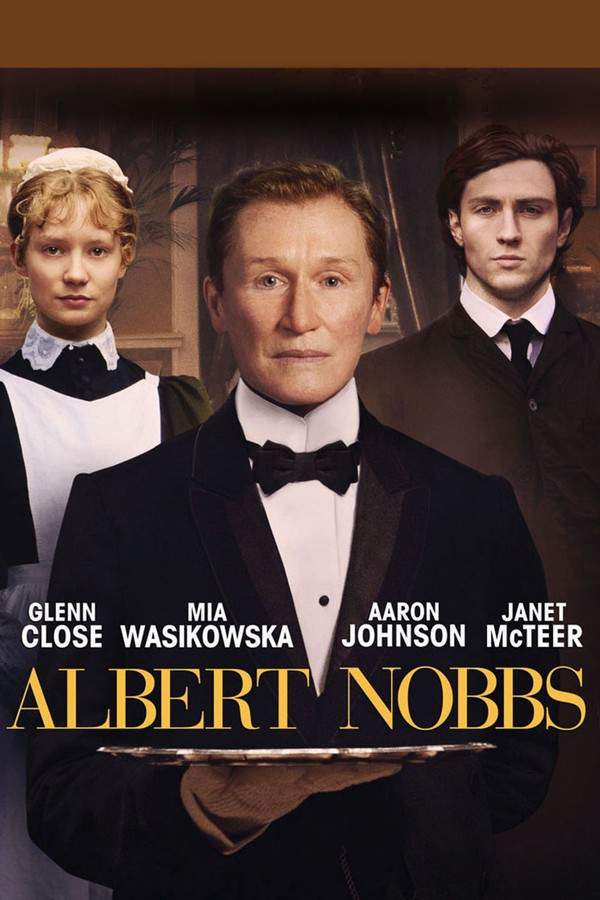 Number 3
US & Canada (domestic) Rest of the world
Lifetime worldwide grosses in US dollars, not adjusted for inflation; domestic means the US & Canada. Films are grouped by their release date in week 52 of 2011 (Dec 18–24).
Dec 21, 2011 US and Canada: $77.6M Rest of the world: $296.4M Worldwide: $374M Dec 23, 2011 US and Canada: $75.6M Rest of the world: $44.5M Worldwide: $120.1M Dec 21, 2011 US and Canada: $3M Rest of the world: $4.5M Worldwide: $7.5M Of the top 3, We Bought a Zoo (2011) earned the biggest share at home (63% in the US & Canada), while The Adventures of Tintin (2011) made 79% of its gross abroad. Across all 3 films, $156.2M (31%) came from the US & Canada.
Week 52 releases took $501.6M. The biggest of these 9 weeks is week 51 (Dec 11–17) with $1.6B, led by Mission: Impossible - Ghost Protocol (2011).
Of these 10 years, Week 52, 2009 earned the most: $1.2B from 6 films, led by Sherlock Holmes (2009). Week 52, 2011 took $501.6M.
| Week | Films | Worldwide | Change | Biggest film |
|---|---|---|---|---|
| Week 52, 2002 Dec 22–28 7 films | 7 | $521.5M | – | Catch Me If You Can (2002) $352.1M |
| Week 52, 2003 Dec 21–27 7 films · +30% | 7 | $677.3M | +30% | Cheaper by the Dozen (2003) $190.5M |
| Week 52, 2004 Dec 19–25 6 films · −10% | 6 | $610.8M | −10% | Meet the Fockers (2004) $522.7M |
| Week 52, 2005 Dec 18–24 7 films · −11% | 7 | $543.9M | −11% | Fun with Dick and Jane (2005) $204.7M |
| Week 52, 2006 Dec 24–30 11 films · −22% | 11 | $426.5M | −22% | Perfume: The Story of a Murderer (2006) $135M |
| Week 52, 2007 Dec 23–29 7 films · +27% | 7 | $539.7M | +27% | The Bucket List (2007) $175.4M |
| Week 52, 2008 Dec 21–27 8 films · +114% | 8 | $1.2B | +114% | The Curious Case of Benjamin Button (2008) $335.8M |
| Week 52, 2009 Dec 20–26 6 films · +8% | 6 | $1.2B | +8% | Sherlock Holmes (2009) $524M |
| Week 52, 2010 Dec 19–25 6 films · −33% | 6 | $842.1M | −33% | Little Fockers (2010) $310.7M |
| Week 52, 2011 Dec 18–24 3 films · −40% | 3 | $501.6M | −40% | The Adventures of Tintin (2011) $374M |
53 weeks of 2011 with reported grosses; the biggest is week 51 (Dec 11–17) with $1.6B, led by Mission: Impossible - Ghost Protocol (2011).
The chart's numbers in short: the #1 film, the total, the billion-dollar hits and the US & Canada share, answered from the same 3 films as the chart.
The Adventures of Tintin (2011) leads with $374M worldwide, $77.6M of it in the US & Canada. Next come We Bought a Zoo (2011) at $120.1M and Albert Nobbs (2011) at $7.5M.
3 English-language films released in week 52 of 2011 (Dec 18–24) report a worldwide gross, $501.6M in all, or $167.2M per film on average. Week 51, 2011 releases took $1.6B.
None. 2 films crossed $100 million, led by The Adventures of Tintin (2011) with $374M.
Films are ranked by lifetime worldwide gross in US dollars, not adjusted for inflation, and grouped by their release date in week 52 of 2011 (Dec 18–24). The figures are the reported box office grosses in our database. A gross that looks misattributed, such as one figure shared by two unrelated films or a blockbuster total on an obscure title, is left out rather than shown as a fact, and so are films whose stored language is most likely wrong.
Grosses change while films are in theaters and whenever a new figure is reported; this chart reads the latest numbers in our database, so an older film can still move after a re-release.