

What Is Michael About?
The premise of Michael in 247 words, with nothing given away. The full story and the ending follow below.
Set against the industrial backdrop of 1960s Gary, Indiana, the story introduces a world where musical ambition is forged through discipline and sacrifice. Under the strict, driving hand of their father, Joseph Jackson, a young Michael Jackson steps into the spotlight as the lead vocalist of the Jackson 5. The film captures the rigorous rehearsals and family dynamics that transform a group of siblings into a musical phenomenon, establishing a tone where the joy of performance is inextricably linked to the weight of parental expectation and the pursuit of perfection.
As the group rises from local talent shows to national acclaim, the narrative explores the complexities of their sudden fame and the pressures of the music industry. While audiences see the dazzling success of the Motown era, the story delves into the tensions brewing behind the scenes. Michael finds himself navigating the delicate balance between family loyalty and his own burgeoning artistic vision, setting the stage for a personal evolution that promises to extend far beyond the boundaries of the group dynamic.
The film paints an immersive portrait of an artist on the cusp of redefining popular culture, driven by a desire to become the world’s greatest entertainer. Through glimpses of off-stage life and the pursuit of creative autonomy, viewers are offered a front-row seat to the shaping of a legend. The summary hints at the challenges and triumphs that lie ahead, capturing the mood of a transformative era and the resilience required to break new ground.
What Happens in Michael?
The complete story of Michael, from the first scene to the last, in 776 words (about 3 minutes). Spoilers throughout. Names in the text link to 10 cast member pages.
Spoilers ahead
In 1966, steel worker Joseph Jackson Colman Domingo forms his five sons—Jackie Jackson Nathaniel Logan McIntyre, Tito Jackson Judah Edwards, Jermaine Jackson Jayden Harville, Marlon Jackson Jaylen Lyndon Hunter, and Michael Jackson Jaafar Jackson—into the Jackson 5, with Michael on lead vocals. The rehearsals are grueling, and Joseph’s tough discipline tests the family’s resolve as they push through long days and nights of practice. After months of hard work and sweat, the group begins performing at intimate gigs, their harmonies and energy drawing growing crowds and quieting any doubt about their potential. The breakthrough comes when Chicago-based talent scout Suzanne De Passe Laura Harrier discovers them in 1968, and by 1969 they are signed with Motown, a move that launches them toward the charts and puts them on the road to national fame. Their rise is meteoric: albums top charts, concerts sell out across the United States, and the family moves from a modest house in Gary, Indiana, to a mansion in Encino, California, by 1971. Motown’s founder Berry Gordy Larenz Tate soon sees Michael as a beacon of a brighter, bigger future, believing he has more potential as a solo artist even as the group remains a cultural force.
In 1978, Michael signs with Epic Records for his first solo album as an adult, Off the Wall, with Quincy Jones Kendrick Sampson at the helm of production. Yet the path to solo stardom is tangled in family dynamics: Joseph resents what he perceives as sharing credit for his children’s fortunes, and Michael finds himself compelled to keep touring with his brothers on the Triumph Tour. As he grapples with insecurities about his appearance and the onset of vitiligo, he makes a decision that reshapes his image by undergoing rhinoplasty to refine his nose. A heated clash with Joseph pushes Michael to seek autonomy, and he leans on his trusted bodyguard and confidant, Bill Bray KeiLyn Durrel Jones, to help chart a new course. In 1981, Michael hires attorney John Branca to manage his affairs and, in a decisive act, fires Joseph by fax, a move that marks a turning point in their complicated relationship and sets the stage for a new era.
With his personal and professional life shifting, Michael turns his attention to healing and innovation. He visits children’s hospitals and brainstorms ideas for a forthcoming album set for 1982, while headlines elsewhere report on the Crips–Bloods gang wars and the social landscape that inspires his next creative choices. The moment that redefines his artistic identity arrives when he hires members of both gangs to appear in his incendiary music video for “Beat It,” signaling a bold break from convention. The release of Thriller follows, accompanied by a groundbreaking performance of “Billie Jean” at Motown 25, which reverberates worldwide and cements Michael’s status as a cultural icon. To push the boundaries of visibility, Michael and Branca approach CBS Records president Walter Yetnikoff, pressing for MTV to air his videos despite the network’s reluctance to feature black artists; Yetnikoff’s threat to pull CBS’s catalog from MTV helps secure the historic airplay that amplifies Michael’s reach.
As Michael’s star rises, Joseph contemplates a big reunification moment with his sons through the 1984 Victory Tour, a project Don King is linked with, and the promotional avenues it would open. While the prospect of a Pepsi sponsorship arises—an offer intertwined with the tour—Michael objects to the arrangement, and the family family’s collaboration wavers under the financial and branding pressures surrounding the campaign. During a Pepsi commercial shoot, a pyrotechnics mishap sends flames across Michael’s scalp, causing third-degree burns and nerve damage. He and Branca pursue a lawsuit against PepsiCo, with the settlement funds directed toward a burn center that supports his recovery. The ordeal leaves Michael contemplative about how or whether to participate in the Victory Tour, and, once he regains his health, he agrees to tour with his siblings again.
The final show of the Victory Tour, held at Dodger Stadium, features performances of songs like “Human Nature” and “Working Day and Night,” and marks a somber milestone as Michael announces that the Jacksons’ collaboration has reached its end, severing ties with Joseph. The film closes on a note of renewed purpose as Michael launches his solo career with the Bad World Tour, kicking off at Wembley Stadium in 1988 to an ecstatic crowd and consolidating a new chapter in his legacy. Throughout this journey, the film traces how talent, ambition, family, and resilience intersect to propel Michael from a member of a beloved group to one of the defining solo artists of his time, while also revealing the personal costs and triumphs that accompanied that ascent.
Michael Timeline: Every Key Event in Order
14 key events in the order they happen, from “Jackson 5 forms under Joseph Jackson” to “Bad World Tour kicks off”. 14 events name a place, across 10 locations.
- 1
Jackson 5 forms under Joseph Jackson
In 1966, Joseph Jackson brings his sons Jackie, Tito, Jermaine, Marlon, and Michael together to form the Jackson 5. They endure months of grueling rehearsals, during which Joseph uses corporal punishment to push the group toward perfection. Their early work lays the foundation for a lasting family-band legacy.
When:1966 Where:Gary, Indiana
- 2
Suzanne De Passe discovers them and Motown signs them
Suzanne De Passe discovers the Jackson 5 in Chicago in 1968, bringing the group to national attention. Motown signs them a year later, catapulting their rise to fame. The family begins recording albums that top the charts.
When:1968-1969 Where:Chicago
- 3
Rise to fame and home move
Their albums top the charts and they play sell-out concerts across the US. The success enables the family to move from a small house in Gary, Indiana to a mansion in Encino, California. By 1971, their fame and wealth reflect a dramatic transformation of their lives.
When:1971 Where:Gary, Indiana; Encino, California
- 4
Berry Gordy sees solo potential
Berry Gordy believes Michael has greater potential as a solo artist, hinting at a later path away from the group. This belief plants the seeds for his eventual solo career while the Jackson 5 remain active. The idea foreshadows the shift that will redefine Michael's career.
When:late 1960s Where:Motown, Detroit
- 5
Michael signs with Epic for Off the Wall
In 1978, Michael signs with Epic Records for his first solo album as an adult, Off the Wall, produced by Quincy Jones. Although the record is a success, his solo career remains constrained by Joseph's control. The collaboration marks the start of Michael's ascent as a solo star.
When:1978 Where:Los Angeles
- 6
Triumph Tour and rhinoplasty
Michael is forced to continue touring with his brothers on the Triumph Tour, keeping his solo momentum in check. He becomes insecure about his appearance and undergoes rhinoplasty to make his nose smaller. The procedures and touring pressures shape his public image in the early 1980s.
When:early 1980s Where:United States
- 7
Branca joins and fires Joseph by fax
In 1981, Michael hires John Branca as his attorney and has him fire Joseph by fax, signaling a strategic shift toward independence. This act marks a turning point in his control over his career. Branca becomes a key ally in navigating his evolving fame.
When:1981 Where:New York
- 8
Beat It video with rival gang members
After a news report on the Crips–Bloods war, Michael hires members of both gangs to appear in his 'Beat It' music video, blending street reality with pop sensibility. The controversial video era reflects his willingness to bridge worlds for broad appeal. The shoot helps further his image as a bold, boundary-pushing artist.
When:1982 Where:Los Angeles
- 9
Thriller and Motown 25 breakthrough; MTV airplay
Thriller breaks worldwide sales records, cementing Michael's status as a superstar. He delivers the groundbreaking 'Billie Jean' performance at Motown 25, etching the moment into pop history. Michael and Branca push CBS Records president Walter Yetnikoff to get MTV to air his videos, and MTV finally agrees after Yetnikoff threatens to pull CBS's catalog.
When:1983 Where:New York
- 10
Victory Tour plans and Pepsi sponsorship
While the Jacksons plan the 1984 Victory Tour, boxing promoter Don King negotiates a Pepsi sponsorship in exchange for Michael touring with the group. Michael objects to the arrangement, seeking independence rather than a group reunion. The clash highlights the tug-of-war between family control and individual stardom.
When:1984 Where:USA
Show the other 4 events of Michael Hide the last 4 events
- 11
Pepsi commercial accident and lawsuit
During filming of a Pepsi commercial, a spark from the pyrotechnics sets Michael's hair on fire, resulting in third-degree burns and nerve damage. He and Branca sue PepsiCo, with the settlement funding the burn center where he receives treatment. The incident accelerates his solo trajectory and personal healing.
When:1984 Where:Los Angeles
- 12
Recovery and decision to join Victory Tour
After the hospital stay, Michael contemplates whether to participate in the Victory Tour. Once recovered, he agrees to tour with his siblings, signaling a reluctant but necessary return to the stage.
When:1984 Where:Los Angeles
- 13
Final Jacksons performance and severing ties with Joseph
At the final show of the Victory Tour at Dodger Stadium, they perform 'Human Nature' and 'Working Day and Night.' Michael announces that it will be the last time the Jacksons perform together, severing his ties with Joseph. This moment marks full separation from his family's control.
When:1984 Where:Dodger Stadium, Los Angeles
- 14
Bad World Tour kicks off
Michael launches his first solo tour, the Bad World Tour, with a debut at Wembley Stadium in 1988. The concerts attract ecstatic crowds and establish his enduring solo superstar status.
When:1988 Where:Wembley Stadium, London
Who Are the Main Characters in Michael?
14 characters, among them Joseph Jackson (Colman Domingo), Michael Jackson and Young Michael: who each one is and the part they play in the story. Every profile links to the actor’s page.
-

Joseph Jackson (Colman Domingo)
Played by Colman Domingo
Paternal figure who forms the Jackson 5 in 1966 and enforces grueling rehearsals. His insistence on control, discipline, and business direction shapes the early careers of his sons while sparking tension with Michael. His demand for loyalty and order often clashes with his sons' growing ambitions.
- 👨👦 Father
- 🛠️ Discipline
- 💼 Authority
- MJ
Michael Jackson
Played by Jaafar Jackson
A child prodigy who becomes a global pop icon. He struggles against his father's control while forging his own musical voice, confronting insecurities and physical changes like vitiligo. His innovations, from Beat It to Billie Jean, redefine pop music and video culture.
- 🎤 Pop Icon
- 🧠 Genius
- 🩹 Resilience
- YM
Young Michael
Played by Juliano Valdi
The team's young frontman who showcases the group's early talent and charm in the Jackson 5's formative years. His charisma and skill lay the groundwork for the later solo breakthrough, even as he navigates family dynamics.
- 🧒 Child Star
- 🎶 Talent
- 🛡️ Vulnerability
-

Suzanne De Passe (Laura Harrier)
Played by Laura Harrier
Talent scout who discovers the Jackson 5 in Chicago and signs them to Motown, helping propel their rise to fame. Her decision to back the group marks a turning point in their professional trajectory.
- 🎯 Scout
- 🤝 Talent Hunter
- 🏢 Industry
-

Berry Gordy (Larenz Tate)
Played by Larenz Tate
Motown founder who believes in Michael's potential and guides the label's direction. His influence helps shape the group's image, production, and commercial strategy during their peak years.
- 🏢 Producer
- 💼 Executive
- 🎶 Mentor
-
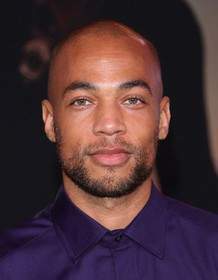
Quincy Jones (Kendrick Sampson)
Played by Kendrick Sampson
Iconic producer who collaborates with Michael on his solo career, helping craft a sound that merges pop, funk, and soul. His involvement marks a turning point toward artistic independence and critical acclaim.
- 🎧 Producer
- 🎼 Innovator
- 🤝 Collaborator
- BB
Bill Bray (KeiLyn Durrel Jones)
Played by KeiLyn Durrel Jones
Bodyguard and trusted advisor who offers guidance as Michael begins to navigate his own path. He helps bridge personal safety with the pressures of fame and the pursuit of autonomy.
- 🛡️ Protector
- 🗣️ Advisor
- 🧭 Pathfinder
- YJ
Young Jackie Jackson
Played by Nathaniel Logan McIntyre
One of the Jackson siblings who participates in the early group dynamic and contributes to the band's early sound and performances.
- 🧒 Brother
- 🎶 Musician
- 🧭 Learner
- YT
Young Tito Jackson
Played by Judah Edwards
The group's guitarist-to-be who is part of the adolescence-bound phase of the Jackson 5's development.
- 🧒 Brother
- 🎵 Rhythm
- 🧭 Learner
- YJ
Young Jermaine Jackson
Played by Jayden Harville
A member of the younger cohort who contributes to the Jackson 5's early harmonies and group dynamics.
- 🧒 Brother
- 🎤 Harmony
- 🧭 Learner
- YM
Young Marlon Jackson
Played by Jaylen Lyndon Hunter
Another member of the Jackson siblings in their formative years, adding to the group's energy and sound.
- 🧒 Brother
- 🎶 Energy
- 🧭 Learner
- RC
Record Company Executive
Played by Michael Andrew Baker
Industry executives who negotiate deals and guide the group’s commercial strategy as they rise to fame.
- 💼 Executive
- 🗂️ Negotiator
- 🏷️ Dealmaker
- R
Reporter
Played by John Rabe
Media figure who covers the Jacksons' milestones and fame, providing narrative context for their public image.
- 🗞️ Reporter
- 🗣️ Observer
- 🕵️♂️ Watcher
- GA
Girl at County Fair
Played by Sophia Villegas
Minor character who appears in a county fair scene, illustrating the group's growing public attention.
- 🎡 Bystander
- 🧍♀️ Crowd
- 🕶️ Observer
Where and When Is Michael Set?
Michael is set in Gary, Indiana, Chicago, Illinois, Encino, California (1966–1988). Here is why the time and place matter to the story.
When
1966–1988
The narrative tracks the late 1960s through the late 1980s, from the Jackson 5’s formation to Michael’s solo peak. It situates the group within the Motown era, the rise of music videos, and the escalating pressures of fame. Key moments include Motown breakthroughs, the Beat It era, MTV’s influence, and the Bad era that cemented Michael’s solo superstardom.
Where
Gary, Indiana, Chicago, Illinois, Encino, California
The Jackson 5 originate in Gary, Indiana, a steel-town setting that contrasts with their later pop ascent. Chicago is the place of discovery, where talent is spotted and a path to fame begins. Encino, California marks the shift into major-label stardom and the family’s move from humble beginnings to a glamorous showbiz life.
- 🏭 Industrial roots
- 🎶 Musical rise
- 🗽 American dream
What Are the Themes of Michael?
4 ideas the story keeps returning to, among them Family & Control, Independence & Innovation and Industry Power.
-
01
Family & Control
A strict father shapes the group into a disciplined machine, with rehearsals and business decisions tightly managed. The dynamic blends loyalty with tension as Michael navigates growing independence. The film shows how family bonds can fuel extraordinary success while suppressing personal agency. This push-pull drives the emotional core of the story.
-
02
Independence & Innovation
Michael evolves from a child star to a creative force who defines his own path. He pushes for artistic control, partnering with legendary producers to craft a sound that transcends boundaries. Iconic videos and collaborations mark a shift toward personal identity and artistic risk. The movie emphasizes the clash between market demands and authentic artistry.
-
03
Industry Power
Motown, Berry Gordy, and key executives shape the group’s trajectory, illustrating how industry gatekeepers influence careers. Deals, sponsorships, and network decisions reveal the commercial machinery behind fame. The narrative foregrounds the pressures of maintaining visibility within a competitive, racially charged industry.
-
04
Resilience & Healing
The journey includes personal traumas, such as the Pepsi sponsorship incident that causes burns and a long recovery. Hospital scenes become a turning point for renewed purpose and reconsideration of touring. Legal battles and medical care highlight the costs of fame, while the artist’s resolve pushes toward a solo resurgence.
How Does Michael End?
The last act of Michael and what it means, in 327 words. The ending lands as happy. Big spoilers: read the plot summary first if you have not seen it.
The final act, in full
The climax of Michael centers on the definitive rupture between the pop star and his father, Joseph Jackson, resolving the film’s central conflict. Throughout the narrative, Joseph is depicted as a domineering force whose verbal and physical abuse creates a deep-seated need in Michael to find autonomy. While earlier attempts to separate involved intermediaries like lawyers, the emotional climax arrives when Michael finally confronts Joseph face-to-face, declaring their professional relationship over. This act represents more than just a business decision; it is a declaration of independence that allows Michael to step out of the shadow of the Jackson family group identity and fully embrace his destiny as a solo artist.
Following this confrontation, the film concludes on a triumphant note, showing a liberated Michael embarking on a world tour. He is portrayed as fully inhabiting his role as the King of Pop, selling out massive venues and connecting with fans on a global scale. This ending frames his journey as a classic coming-of-age story, where artistic success is intrinsically linked to personal freedom. By breaking free from his father’s control, Michael is able to realize his full potential, establishing the healthy boundaries that were absent in his youth and proving that he can maintain a relationship with his family without being controlled by them.
However, the ending is not without its melancholic undertones, as the film subtly acknowledges the lingering effects of his upbringing. While the movie chooses to end on this high note—avoiding the darker controversies that would later plague his legacy—it does so by highlighting the psychological cost of his childhood. The narrative suggests that while Michael successfully escaped his father’s direct influence, the drive for perfection instilled by Joseph—and the resulting insecurity about his appearance—would remain with him. By closing the curtain at the height of his rising fame, the film solidifies its thesis: that Michael Jackson’s unparalleled success was born from a struggle to define himself against the very man who created him.
What Kind of Film Is Michael?
Hopeful in tone, with steady pacing and a straightforward story, going by the plot summary.
- Tone
- Hopeful
- Pacing
- Steady
- Story
- Straightforward
- Intensity
- Medium
- Ending
- Happy
An inspiring and triumphant biopic that follows Michael Jackson's determined rise from prodigy to global icon, navigating family conflict and personal struggles on his path to greatness.
- inspiring
- triumphant
- strained
- determined
- reflective
- uplifting
- musical genius
- family conflict
- overcoming adversity
- artistic vision
Content notes: parental abuse, body image issues, severe burns.
Quiz
How well do you remember Michael? Test yourself on the story.
