Michael 2026


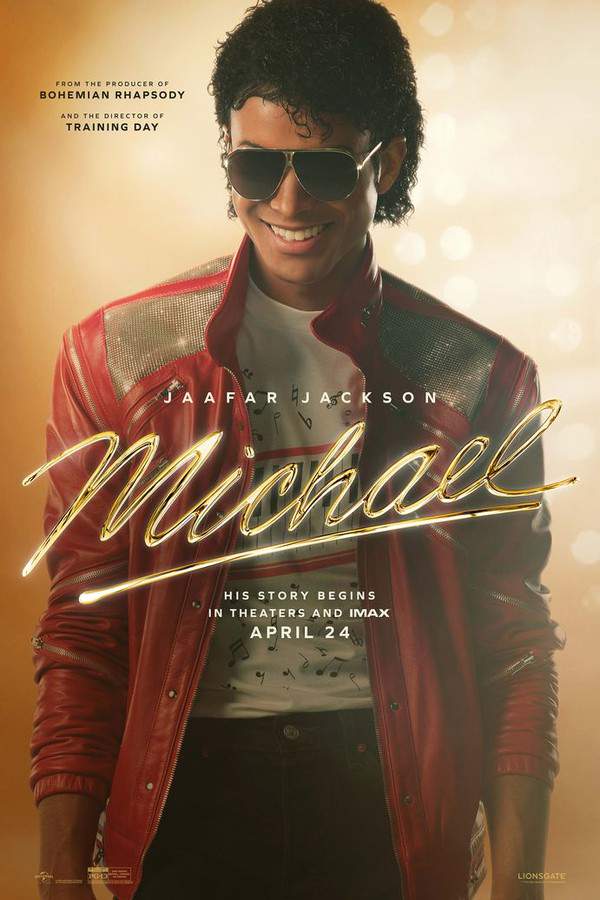
Michael offers a cinematic portrait of the pop legend, tracing his evolution from the discovery of his extraordinary talent as lead of the Jackson 5 to his rise as a visionary solo artist determined to become the world’s greatest entertainer. By interweaving behind‑the‑scenes moments with early iconic solo performances, the film gives audiences an unprecedented front‑row look at his life on‑ and off‑stage.
Does Michael have end credit scenes?
No!
Michael does not have end credit scenes. You can leave when the credits roll.
Where to Watch Michael
See current US streaming, rental, and purchase options for Michael (2026) via JustWatch.

Philo
HD
Starz
HD
Starz Amazon Channel
HD
Starz Apple TV channel
HD
Starz Roku Premium Channel
HD
Amazon Video
4K
Apple TV Store
4K
Fandango At Home
4K
Plex
HD Streaming availability powered by 
Meet the Full Cast and Actors of Michael
Explore the complete cast of Michael, including both lead and supporting actors. Learn who plays each character, discover their past roles and achievements, and find out what makes this ensemble cast stand out in the world of film and television.

Colman Domingo
Joseph Jackson

Nia Long
Katherine Jackson

Laura Harrier
Suzanne de Passe

Larenz Tate
Berry Gordy
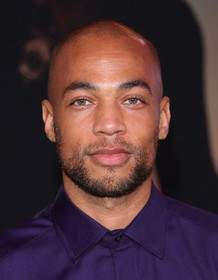
Kendrick Sampson
Quincy Jones

Nathaniel Logan McIntyre
Young Jackie Jackson
Michael Andrew Baker
Record Company Executive
KeiLyn Durrel Jones
Bill Bray
Jaylen Lyndon Hunter
Young Marlon Jackson
Juliano Valdi
Young Michael
Jayden Harville
Young Jermaine Jackson
Jaafar Jackson
Michael
Judah Edwards
Young Tito Jackson
Amaya Mendoza
Young La Toya Jackson
Liv Symone
Gladys Knight
John Rabe
Reporter
Sophia Villegas
Girl at County Fair
Zach Kenney
Record Company Executive
Kale Hills
Postal Worker
Christine Fekete
Oncology Nurse
External Links and Streaming Options
Discover where to watch Michael online, including streaming platforms, rental options, and official sources. Compare reviews, ratings, and in-depth movie information across sites like IMDb, Wikipedia, Rotten Tomatoes or Metacritic.







Ratings and Reviews for Michael
See how Michael is rated across major platforms like IMDb, Metacritic, and TMDb. Compare audience scores and critic reviews to understand where Michael stands among top-rated movies in its genre.

The Movie Echo Score
The film delivers a polished musical showcase that satisfies devoted fans but struggles to function as a cohesive narrative. Critics highlight strong choreography and production values yet note a lack of character depth and a fragmented storyline. Audience reactions echo this split, praising the soundtrack and visual flair while lamenting the thin plot and limited rewatch appeal. Overall, the movie offers an enjoyable but incomplete portrait of its subject.
The Movie Echo Score Breakdown for Michael

Art & Craft
In terms of art and craft, the film presents sleek production design and competent editing, yet several critics point to mechanical recreations and artistic blind spots. The cinematography captures iconic visuals but often feels derivative. While the choreography is praised, the overall direction is seen as uneven, leading to a moderately positive assessment of the film’s technical execution.

Character & Emotion
When evaluating character and emotion, performances receive mixed feedback. Colman Domingo’s portrayal of Joe Jackson is noted as commanding, and Jaafar Jackson mirrors his uncle’s moves. However, reviewers criticize a lack of interiority and emotional resonance, describing some acting as soulless. The audience reflects this divide, with fans adoring the energy but others finding the character depth insufficient.

Story & Flow
Story and flow are the film’s weakest area, with critics and users alike calling the narrative disjointed and superficial. Reviews describe the plot as a series of musical set pieces lacking coherence, and many note the omission of key life events. The resulting experience feels more like a playlist than a structured biography, leading to a low story rating.

Sensory Experience
The sensory experience stands out as the film’s strongest component. Critics and audiences consistently praise the soundtrack, sound design, and visual style, highlighting the energetic performances and faithful recreation of iconic moments. The music drives engagement throughout, and the visual presentation, though sometimes derivative, effectively immerses viewers in the era’s aesthetic, earning a high sensory score.

Rewatch Factor
Rewatch factor receives a moderately high rating, driven by fan enthusiasm for the music and performance spectacle. While skeptics see limited appeal beyond the fan base, many users anticipate repeat viewings and a sequel, citing the film’s enjoyable moments and dance sequences. The combination of nostalgic appeal and lively presentation supports a solid replay value despite narrative shortcomings.

39
Metascore
7.8
User Score


%
TOMATOMETER

0%
User Score
Full Plot Summary and Ending Explained for Michael
Read the complete plot summary of Michael, including all major events, twists, and the full ending explained in detail. Explore key characters, themes, hidden meanings, and everything you need to understand the story from beginning to end.
In 1966, steel worker Joseph Jackson Colman Domingo forms his five sons—Jackie Jackson Nathaniel Logan McIntyre, Tito Jackson Judah Edwards, Jermaine Jackson Jayden Harville, Marlon Jackson Jaylen Lyndon Hunter, and Michael Jackson Jaafar Jackson—into the Jackson 5, with Michael on lead vocals. The rehearsals are grueling, and Joseph’s tough discipline tests the family’s resolve as they push through long days and nights of practice. After months of hard work and sweat, the group begins performing at intimate gigs, their harmonies and energy drawing growing crowds and quieting any doubt about their potential. The breakthrough comes when Chicago-based talent scout Suzanne De Passe Laura Harrier discovers them in 1968, and by 1969 they are signed with Motown, a move that launches them toward the charts and puts them on the road to national fame. Their rise is meteoric: albums top charts, concerts sell out across the United States, and the family moves from a modest house in Gary, Indiana, to a mansion in Encino, California, by 1971. Motown’s founder Berry Gordy Larenz Tate soon sees Michael as a beacon of a brighter, bigger future, believing he has more potential as a solo artist even as the group remains a cultural force.
In 1978, Michael signs with Epic Records for his first solo album as an adult, Off the Wall, with Quincy Jones Kendrick Sampson at the helm of production. Yet the path to solo stardom is tangled in family dynamics: Joseph resents what he perceives as sharing credit for his children’s fortunes, and Michael finds himself compelled to keep touring with his brothers on the Triumph Tour. As he grapples with insecurities about his appearance and the onset of vitiligo, he makes a decision that reshapes his image by undergoing rhinoplasty to refine his nose. A heated clash with Joseph pushes Michael to seek autonomy, and he leans on his trusted bodyguard and confidant, Bill Bray KeiLyn Durrel Jones, to help chart a new course. In 1981, Michael hires attorney John Branca to manage his affairs and, in a decisive act, fires Joseph by fax, a move that marks a turning point in their complicated relationship and sets the stage for a new era.
With his personal and professional life shifting, Michael turns his attention to healing and innovation. He visits children’s hospitals and brainstorms ideas for a forthcoming album set for 1982, while headlines elsewhere report on the Crips–Bloods gang wars and the social landscape that inspires his next creative choices. The moment that redefines his artistic identity arrives when he hires members of both gangs to appear in his incendiary music video for “Beat It,” signaling a bold break from convention. The release of Thriller follows, accompanied by a groundbreaking performance of “Billie Jean” at Motown 25, which reverberates worldwide and cements Michael’s status as a cultural icon. To push the boundaries of visibility, Michael and Branca approach CBS Records president Walter Yetnikoff, pressing for MTV to air his videos despite the network’s reluctance to feature black artists; Yetnikoff’s threat to pull CBS’s catalog from MTV helps secure the historic airplay that amplifies Michael’s reach.
As Michael’s star rises, Joseph contemplates a big reunification moment with his sons through the 1984 Victory Tour, a project Don King is linked with, and the promotional avenues it would open. While the prospect of a Pepsi sponsorship arises—an offer intertwined with the tour—Michael objects to the arrangement, and the family family’s collaboration wavers under the financial and branding pressures surrounding the campaign. During a Pepsi commercial shoot, a pyrotechnics mishap sends flames across Michael’s scalp, causing third-degree burns and nerve damage. He and Branca pursue a lawsuit against PepsiCo, with the settlement funds directed toward a burn center that supports his recovery. The ordeal leaves Michael contemplative about how or whether to participate in the Victory Tour, and, once he regains his health, he agrees to tour with his siblings again.
The final show of the Victory Tour, held at Dodger Stadium, features performances of songs like “Human Nature” and “Working Day and Night,” and marks a somber milestone as Michael announces that the Jacksons’ collaboration has reached its end, severing ties with Joseph. The film closes on a note of renewed purpose as Michael launches his solo career with the Bad World Tour, kicking off at Wembley Stadium in 1988 to an ecstatic crowd and consolidating a new chapter in his legacy. Throughout this journey, the film traces how talent, ambition, family, and resilience intersect to propel Michael from a member of a beloved group to one of the defining solo artists of his time, while also revealing the personal costs and triumphs that accompanied that ascent.

Coming soon on iOS and Android
The Plot Explained Mobile App
From blockbusters to hidden gems — dive into movie stories anytime, anywhere. Save your favorites, discover plots faster, and never miss a twist again.
Sign up to be the first to know when we launch. Your email stays private — always.
Explore the mobile appDiscover Film Music Concerts Near You – Live Orchestras Performing Iconic Movie Soundtracks
Immerse yourself in the magic of cinema with live orchestral performances of your favorite film scores. From sweeping Hollywood blockbusters and animated classics to epic fantasy soundtracks, our curated listings connect you to upcoming film music events worldwide.
Explore concert film screenings paired with full orchestra concerts, read detailed event information, and secure your tickets for unforgettable evenings celebrating legendary composers like John Williams, Hans Zimmer, and more.


Cars Featured in Michael
Explore all cars featured in Michael, including their makes, models, scenes they appear in, and their significance to the plot. A must-read for car enthusiasts and movie buffs alike.

Unlock the World of Movies with Our Comprehensive Wiki
Dive into our Movie Wiki for in-depth film encyclopedia entries, including cast biographies, production trivia, plot synopses, behind-the-scenes facts, and thematic analyses. Whether you’re researching iconic directors, exploring genre histories, or discovering hidden easter eggs, our expertly curated movie database has everything you need to fuel your cinematic passion.
Articles, Reviews & Explainers About Michael
Stay updated on Michael with in-depth articles, critical reviews, and ending explainers. Explore hidden meanings, major themes, and expert insights into the film’s story and impact.

Quick Links: Summary, Cast, Ratings, More

What's After the Movie?
Not sure whether to stay after the credits? Find out!
Check out our other apps:

SAT Sphere
Build confidence for the Digital SAT.

Mori Atlas
Discover wild places worth protecting.

Luntero
Search smarter for a home in Amsterdam.

Plot Explained
Unravel movie endings and hidden clues.

Pokechamp
Dive into Pokémon data and battle logic.

Driving Theory
Get ready for your European theory test.

Movie Dust
Plan your next cinema trip with ease.

Musemap
Find art and culture as you travel.

Selkobase
Compare credentials before committing.

Local Manual
Turn an unfamiliar country into practical next steps.

Lernavi
Compare school systems before your next move.

GymRoam
Find a workout stop wherever your plans take you.
Explore Our Movie Platform
New Movie Releases (2026)
Famous Movie Actors
Top Film Production Studios
Movie Plot Summaries & Endings
Major Movie Awards & Winners
Best Concert Films & Music Documentaries
Movie Collections and Curated Lists
© 2026 What's After the Movie. All rights reserved.
Privacy Policy