What Is The Purple Heart About?
The premise of The Purple Heart in 314 words, with nothing given away. The full story follows below.
In the early days of World War II, a daring daylight raid over Tokyo ends abruptly when two B‑25 Mitchell bombers are forced down. The surviving crew members are taken as prisoners by the occupying Japanese forces, thrust into a stark, foreign world where the humid summer air of occupied Shanghai feels as oppressive as the barbed‑wire fences that surround them. Their capture sets the stage for a tense, claustrophobic narrative that examines the harsh realities of war far from the front lines, where survival depends as much on inner resolve as on the thin thread of camaraderie that ties the men together.
At the heart of the group is Captain Harvey Ross, a steady presence whose instinctive leadership becomes the compass for his fellow airmen. Beside him, the resourceful Lt. Wayne Greenbaum offers a civilian’s perspective on military law, while the determined Lt. Angelo Canelli and the stoic Sgt. Howard Clinton each bring their own brand of quiet strength. Together they form a micro‑society, each personality illuminating different facets of duty, honor, and the moral complexities that surface when the enemy’s rules replace their own.
The film’s tone is unflinching, blending the bleak ambience of a prison camp with the stark formality of an impending military tribunal. The looming trial, overseen by Japanese authorities, adds a layer of legal intrigue that amplifies the sense of vulnerability and injustice. Shadows of interrogation and the thin line between coercion and conviction linger in the background, shaping an atmosphere thick with tension, suspicion, and a relentless quest for truth.
Against this backdrop, the crew’s resilience is tested not only by the physical confines of their confinement but by the psychological weight of being judged for actions taken under fire. The story invites viewers to contemplate the fragile boundary between heroism and criminality, and the price paid by those caught in the unforgiving gears of wartime law.
What Happens in The Purple Heart?
The complete story of The Purple Heart, from the first scene to the last, in 521 words (about 2 minutes). Spoilers throughout. Names in the text link to 9 cast member pages.
Spoilers ahead
In April 1942, eight American aircrew from two North American B-25 Mitchell bombers are captured after a raid on Japan. Captain Harvey Ross Dana Andrews steps forward as the steady, natural-born leader of the group, guiding his fellow airmen through a chain of dangerous moves that begin with a local official who acts as a Chinese collaborator in a Wang Jingwei–controlled area. This official hands the group over to the Imperial Japanese Army to stand trial at the Shanghai Police Headquarters, a venue that promises spectacle but delivers something far darker.
The courtroom scene unfolds under the watch of General Mitsubi Richard Loo, who refuses to permit Karl Kappel Torben Meyer, the Swiss Consul, to contact Washington for help. The airmen are allowed to witness the proceedings, yet the legal pretense begins to fray almost immediately. Lt. Wayne Greenbaum Sam Levene, a civilian attorney, declares the trial illegal because the defendants are military personnel, not ordinary criminals, setting the stage for a clash between wartime necessity and legal norms.
As the interrogation deepens, Captain Ross refuses to disclose the location of their aircraft carrier, a stance that triggers a brutal campaign of torture. The torture is methodical and dehumanizing, executed by Japanese guards who push the men to the brink. Sgt. Jan Skvoznik Kevin O’Shea is reduced to a catatonic state, his head twitch a silent testament to the abuse endured. Lt. Angelo Canelli Richard Conte suffers a shattered right hand and arm, a brutal reminder of the physical price of resistance. Lt. Peter Vincent Don Red Barry ends up in a catatonic state as well, echoing Skvoznik’s collapse. Sgt. Howard Clinton Farley Granger returns from the ordeal seemingly intact, yet the Japanese have ruptured his vocal cords, leaving him unable to speak. The airmen rely on a listening device in their cell to communicate, as Greenbaum repeats what the speechless Clinton has written, hoping to preserve some thread of truth amid the fear.
The intense pressure continues as the guards threaten each man with the prospect of breaking if anything happens to Lt. Bayforth Charles Russell. When Bayforth returns, his hands and arms are rendered useless and he is covered in black rubber gloves, a stark image of the physical toll exacted in the name of obedience and control. Through this grim sequence, the narrative exposes the stark reality of wartime captivity and the deliberate cruelty used to extract information and compliance.
Amid the escalating cruelty, the airmen’s resolve remains unbroken. The malevolent genius of General Mitsubi, who presides over the proceedings with an iron will, ultimately chooses a solitary end: he shoots himself, a stark act that signals the collapse of the system he helped sustain. The film then reveals, with unflinching candor, the systematic torture and abuse these airmen endured while in captivity, culminating in a trial that condemns them as war criminals before the world even fully understands the truth of their experiences. The result is a sobering portrayal of justice, or the lack thereof, under occupation, and a reminder of the human cost of war and the brutal choices made in the name of state power.
The Purple Heart Timeline: Every Key Event in Order
11 key events in the order they happen, from “Raid and capture of aircrew” to “Global revelation of the injustice”. 11 events name a place, across 7 locations.
- 1
Raid and capture of aircrew
In April 1942, eight American aircrew from two B-25 Mitchell bombers are captured following a raid on Japan. A local Wang Jingwei–controlled official in China gathers the men and hands them over to the Imperial Japanese Army. The capture marks the brutal start of their ordeal as prisoners of war.
When:April 1942 Where:Wang Jingwei-controlled China
- 2
Delivery to Japanese authorities
The Chinese collaborator transfers the airmen to the Japanese Army to be tried at the Shanghai Police Headquarters. The transfer underscores the complicity and political complexity of occupied China. The prisoners are thrust into a high-profile wartime legal proceeding.
When:April 1942 Where:Shanghai Police Headquarters
- 3
Trial begins and legal challenge
International observers are allowed to witness the proceedings, but General Mitsubi refuses to let the Swiss Consul contact Washington. Lt. Greenbaum, a civilian attorney, declares the trial illegal on the basis that the airmen are in military service of the United States. The courtroom atmosphere grows tense as legality and loyalty clash with coercion.
When:April 1942 Where:Shanghai Police Headquarters
- 4
Harsh interrogation and torture begins
The airmen endure brutal interrogation and torture by Japanese guards. Sgt. Jan Skvoznik is left in a catatonic state with a permanent head twitch, illustrating the inhuman conditions of captivity. The cruelty sets a dark tone for the entire trial and imprisonment.
When:April 1942 Where:Shanghai detention facility
- 5
Canelli and Vincent lash out; consequences
Lt. Canelli and Lt. Vincent rush the Japanese general during the courtroom confrontation, only to be knocked down with rifle butts and returned to their cell. Canelli sustains a broken right hand and arm, while Vincent becomes catatonic again. The act underscores the airmen's stubborn resistance under extreme pressure.
When:April 1942 Where:Detention cell
- 6
Clinton's mutilation and Greenbaum's hearing
Sgt. Clinton returns from torture seemingly unharmed but is revealed to have ruptured vocal cords, leaving him unable to speak. In the meantime, Greenbaum uses a listening device in the cell to glean Clinton's written messages, highlighting the psychological torment endured by the prisoners.
When:April 1942 Where:Detention cell
- 7
Bayforth's peril and deterioration
Lt. Bayforth returns from torture with hands and arms rendered useless, and the fear that he might reveal secrets grows among the group. The captives' resolve remains tested as their bodies and spirits are pushed to the limit.
When:April 1942 Where:Detention cell
- 8
Mitsubi's suicide
Seeing that his regime cannot break the airmen, the sadistic General Mitsubi shoots himself. His death marks a turning point in the case, but it does not alleviate the prisoners' suffering or the broader brutality of their captivity.
When:April 1942 Where:Shanghai
- 9
Trial outcomes and the war-criminal label
The airmen's torture and perseverance are highlighted as the world watches the trial, which culminates in the airmen being labeled as war criminals. The proceedings are used to illustrate the brutality of their captivity and the political theater surrounding their fate. The case becomes a focal point of wartime propaganda and memory.
When:April–May 1942 Where:Shanghai / World press
- 10
Execution of the airmen
Following the verdicts, the airmen are executed as war criminals, a grim end that underscores the brutal treatment they endured. The execution completes the immediate course of the case and leaves a legacy of controversy and sorrow. The global community is left to reckon with the injustice of their fate.
When:May 1942 Where:Shanghai
- 11
Global revelation of the injustice
The events surrounding the capture, trial, torture, and execution are unveiled to international observers and the broader world. The case becomes a stark example of wartime brutality and the tragic fate of Allied aircrew captured far from home. The world is forced to confront the moral complexities of wartime justice and propaganda.
When:May 1942 Where:World
Who Are the Main Characters in The Purple Heart?
9 characters, among them Harvey Ross (Dana Andrews), Wayne Greenbaum (Sam Levene) and Angelo Canelli (Richard Conte): who each one is and the part they play in the story. Every profile links to the actor’s page.
-
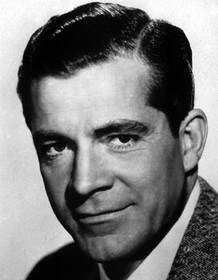
Harvey Ross (Dana Andrews)
Played by Dana Andrews
Captain Harvey Ross leads the eight aircrew with disciplined resolve, serving as the group’s moral anchor. He refuses to reveal the air carrier’s location and strives to keep his men united under torture and pressure. His leadership becomes the backbone of the crew’s resistance.
- 🎖️ Leadership
- 🛡️ Resilience
- WG
Wayne Greenbaum (Sam Levene)
Played by Sam Levene
Greenbaum is a civilian attorney who argues that the trial is illegal because the men are in military service. He advocates for due process and coordinates a defense under duress. His legal mind provides a counterweight to the interrogations.
- ⚖️ Lawyer
- 🕊️ Justice
- AC
Angelo Canelli (Richard Conte)
Played by Richard Conte
Canelli, an artist, endures torture and injury while offering a humanizing perspective on the events through his observations. His artistic sensibility helps him process the trauma and hold onto his identity.
- 🎨 Artist
- 🧭 Vision
- PV
Peter Vincent (Don Red Barry)
Played by Don 'Red' Barry
Vincent endures catatonia as a result of torture, illustrating the dehumanizing effects of captivity. His silence becomes a haunting reminder of what is endured and what remains unsaid.
- 🤕 Tortured
- 🧭 Endurance
- HC
Howard Clinton (Farley Granger)
Played by Farley Granger
Clinton returns from captivity with ruptured vocal cords, rendering him unable to speak. His condition dramatizes the physical costs of torture and the challenges of communication under duress.
- 🤕 Survivor
- 🗣️ Communication
- KB
Kenneth Bayforth (Charles Russell)
Played by Charles Russell
Bayforth returns from torture with disabled hands and arms, symbolizing the lasting impact of the abuse and the fragility of a soldier’s body under interrogation.
- 🤕 Disablement
- 💪 Resilience
- GM
General Mitsubi (Richard Loo)
Played by Richard Loo
General Mitsubi is a sadistic commander who embodies the brutality of occupation. His cruelty culminates in a self-inflicted death after facing the airmen’s unyielding resolve.
- 🔥 Tyranny
- ⚔️ Power
- KK
Karl Kappel (Torben Meyer)
Played by Torben Meyer
Kappel is the Swiss Consul whose attempts to contact Washington highlight diplomatic channels and the hope of higher oversight amid the trial.
- 🕊️ Diplomacy
- 🧭 Neutrality
-

Johanna Hartwig (Tala Birell)
Played by Tala Birell
Johanna Hartwig is a Berlin News Correspondent observing the trial, underscoring the role of journalism in shaping international perception of the events.
- 🗞️ Reporter
- 🧭 Watchful
Where and When Is The Purple Heart Set?
The Purple Heart is set in Shanghai, China and Shanghai Police Headquarters (April 1942). Here is why the time and place matter to the story.
When
April 1942
The events occur in April 1942, amid World War II, after a raid on Japan by American aircrews. The airmen are captured and subjected to interrogation and a controversial trial in Shanghai. International observers are permitted to witness, highlighting the era's diplomatic tensions and the scrutiny of wartime justice.
Where
Shanghai, China, Shanghai Police Headquarters
Set in Shanghai during the Japanese occupation of China, the narrative centers on the aircrew's capture and their trial at the Shanghai Police Headquarters under a puppet regime. The city functions as a tense backdrop where colonial governance, surveillance, and coercion intersect with wartime diplomacy. The setting underscores the reach of occupation and the international attention surrounding the proceedings.
- 🗺️ Shanghai
- China
- 🏛️ Shanghai Police Headquarters
- 🗡️ Occupied China
What Are the Themes of The Purple Heart?
3 ideas the story keeps returning to, among them War Crimes, Resilience and Media and Witness.
-
01
War Crimes
The film centers on the legality and fairness of the defendants' trial and the use of torture to elicit information. It critiques how wartime power can distort judicial processes and create a façade of due process. The narrative exposes the tension between justice and brutality under occupation.
-
02
Resilience
The captives endure brutal interrogations while maintaining resolve and solidarity. Each man’s experience reveals different coping mechanisms and moral codes under extreme pressure. The story emphasizes the human capacity to persevere and retain dignity in the face of oppression.
-
03
Media and Witness
International observers and reporters witness the proceedings, turning the events into a global record. The Swiss Consul’s attempts to contact Washington highlight diplomacy as a check against tyranny. The film uses press coverage to question accountability and the impact of wartime information.
What Kind of Film Is The Purple Heart?
Dark in tone, with steady pacing and a straightforward story, going by the plot summary.
- Tone
- Dark
- Pacing
- Steady
- Story
- Straightforward
- Intensity
- High
- Ending
- Bleak
A grim and unflinching portrayal of wartime captivity, creating an intensely oppressive atmosphere of psychological and physical suffering with a sobering, bleak conclusion.
- oppressive
- grim
- tense
- harrowing
- sobering
- unflinching
- war captivity
- prisoner of war
- military trial
- torture
Content notes: torture, war violence, psychological trauma, physical abuse.
Quiz
How well do you remember The Purple Heart? Test yourself on the story.