What Is The Purple Plain About?
The premise of The Purple Plain in 348 words, with nothing given away. The full story follows below.
In the sweltering heat of a 1945 RAF airfield deep in Burma, the jungle’s endless canopy and the distant roar of Mosquito engines create a world where the line between survival and surrender blurs with every sunrise. The base is a crucible of nerves and metal, a restless outpost caught between the brutal reality of combat and the fragile moments of humanity that surface in its shadows. The atmosphere is taut with tension, yet undercurrents of quiet endurance pulse through the humid air, hinting at stories that linger long after the propellers cease their spin.
Bill Forrester arrives as a seasoned Canadian bomber pilot whose reputation for daring has become almost legendary among his comrades. Beneath the bravado, he carries a relentless ache from the loss of his wife during the Blitz, a grief that has twisted his courage into something dangerously self‑destructive. The weight of his past follows him on every sortie, marking him as both an asset and a liability in a theater that prizes skill as much as sanity. His hardened exterior masks a man teetering on the edge, constantly questioned by those who see the haunted look in his eyes.
_ Dr. Harris_ serves as the squadron’s reluctant healer, tasked with the impossible mission of reaching a soul that seems already beyond repair. He approaches Bill with a mix of professional caution and personal resolve, aware that the pilot’s decorated record is shadowed by an inner turmoil that threatens the lives of those around him. In the quiet moments away from the runway, a chance encounter with Anna, a Burmese woman whose gentle presence offers a rare glimpse of solace, introduces an unexpected thread of connection that could alter the course of his inner battle.
Amid the roar of engines and the endless stretch of jungle, the story balances the stark violence of war with the tender possibility of redemption. The crumbling walls of grief and duty press inward, yet the promise of a steadying hand and a compassionate heart suggests that even in the most hostile of landscapes, a fragile hope may take root.
What Happens in The Purple Plain?
The complete story of The Purple Plain, from the first scene to the last, in 679 words (about 3 minutes). Spoilers throughout. Names in the text link to 5 cast member pages.
Spoilers ahead
Bill Forrester, Gregory Peck, is an RCAF pilot serving with the RAF in Burma, flying a two-seat de Havilland Mosquito. Grief from the Blitz death of his wife in London haunts him, turning his courage into a self-destructive edge that worryingly affects the safety of his flight crews. His reckless behavior alarms his superiors, and his commanding officer begins to worry that he might be grounded—a move that would require the approval of the base’s flight surgeon, Bernard Lee as Dr. Harris. The doctor approaches the problem with reluctance, recognizing Forrester’s skill and decorated record, but feeling the strain of the risk he represents.
Dr. Harris eventually persuades Forrester to take a break from the line and visit a village, where he meets a beautiful Burmese woman named Anna, Win Min Than. Their first conversations reveal a fragile bond forming between two lonely people: she listens to his pain, and he finds in her a quiet, steadying presence. As their friendship deepens, Forrester speaks openly about the loss that still scars him, even admitting a wish to end his life by dying in action. The connection gives him a new reason to live, and with Anna’s gentle encouragement, he begins to trust himself again. “You’d think that would be easy in a war, but I just kept getting medals instead.”
With his spirits lifting, Forrester is cleared to take on a ferry mission. He and his new navigator, Lyndon Brook as Carrington, are assigned to transport Flight Lieutenant Blore, Maurice Denham in tow, to Meiktila in the Mosquito’s bomb bay. The flight takes them into danger when an engine fire forces a forced landing in a remote, arid landscape controlled by the Japanese. The land itself is striking—the soil and surrounding hills have a purple hue that gives the region its name—making the trek feel almost otherworldly as they strive to survive.
Carrington sustains a severe leg burn and cannot walk, so Forrester makes the difficult choice to move on with a plan to reach the nearest water source. With scarce supplies, they fashion a bamboo stretcher for Carrington and begin a grueling night-and-day march toward a river that could mean survival. Blore argues they should remain with the plane, trusting that rescue teams will find them, but Forrester insists the chances of a successful sighting from the air are slim. He shows the same stubborn perseverance that has kept him alive in the past.
The march tests every limit. Blore slips on a rocky slope, breaking his collarbone and disabling his ability to help carry the stretcher. With water running low, Forrester decides that Blore should go alone to fetch more water, while he stays with Carrington. Blore objects, wanting to turn back, but Forrester urges sleep and a clearer head for the plan ahead. When dawn comes, Forrester discovers Blore has disappeared, leaving only a canteen of water behind. He follows with Carrington, and though the journey continues, tragedy soon arrives: Blore has taken his own life, leaving behind a wallet that holds a picture of his wife and two children.
Carrying on with Carrington on his back, Forrester pushes forward until exhaustion overwhelms him. Carrington encourages him that the only chance left is to reach the river, and he must keep going. Forrester climbs a final hill, hears the sound of water, and spots the river on the far side. He stumbles toward it, retrieves water, and, against the odds, returns with enough to revive Carrington. The two are eventually rescued, and a base doctor arrives to escort Forrester back toward care—and, finally, toward a reunion with Anna.
Back at the base, Forrester is given a medical clearance and a jeep ride back to the waiting Anna. He finds her asleep in bed, and he lies down beside her, comforted at last by the presence of someone who understands his struggle and by the quiet chance of a new beginning. The story closes on a note of quiet, fragile hope, built on endurance, fidelity, and the stubborn will to live even when the odds are brutal.
The Purple Plain Timeline: Every Key Event in Order
12 key events in the order they happen, from “Grief after wife's loss fuels dangerous behavior” to “Return to base and reunion with Anna”. 12 events name a place, across 10 locations.
- 1
Grief after wife's loss fuels dangerous behavior
Bill Forrester becomes distraught after losing his wife in the London Blitz. His reckless conduct in the cockpit worries his commanding officers and endangers his flight crews. The base flight surgeon and leadership begin to consider grounding him to prevent further incidents.
When:early 1940s Where:London, Blitz
- 2
Medical exam and a path to a village
A reluctant base surgeon agrees to examine Forrester, acknowledging his decorated service but recognizing his fragility. He persuades him to visit a nearby village, hoping a change of scenery will help him recover. There, Forrester meets Anna, a Burmese woman who will shape his future.
When:early war Where:Burma base area and nearby village
- 3
A friendship and growing love with Anna
In the village, Forrester opens up about losing his wife and his wish to die in action. Anna listens with empathy and offers quiet support, giving him a new reason to live. Their bond strengthens as he begins to find hope in the relationship.
When:shortly after meeting Where:Burma village
- 4
Cleared for a ferry mission with a new navigator
Despite his inner turmoil, Forrester is cleared to fly a ferry mission with navigator Carrington in a Mosquito, riding in the bomb bay. They are assigned to transport Flight Lieutenant Blore to Meiktila, starting a perilous journey. The mission tests his resolve like never before.
When:pre-mission Where:Burma base; en route to Meiktila
- 5
Engine fire forces a crash in the purple landscape
An engine fire forces the Mosquito to crash-land in a remote arid area controlled by the Japanese, where the soil and hills glow with a purple hue. Carrington is badly burned, and the survivors must face a survival ordeal with scarce water and supplies. The harsh terrain becomes their brutal backdrop.
When:during the mission Where:Remote arid area, Burma
- 6
Decision to walk to the river for water
With Carrington unable to walk, Forrester decides their best chance is to trek roughly 30 miles to the nearest river for water. Blore argues to stay with the plane and wait for rescue, but Forrester explains that air search is unlikely to spot them in the terrain. The choice sets the stage for a grueling journey.
When:immediately after crash Where:Deserted Burmese plains
- 7
Stretcher carried trek begins at night
They fashion a bamboo stretcher for Carrington and begin a night march, resting by day to conserve energy. Forrester's will to live and leadership keep them moving through exhaustion, thirst, and fear. The journey tests their endurance but also forges a fragile dependence on each other.
When:night travel; daytime rest Where:Desert terrain, Burma
- 8
Blore slips, breaks his collarbone, and departs for water
Blore slides down a rocky slope, breaking his collarbone and becoming unable to assist with the stretcher. With water running out, Forrester sends Blore to fetch water, but Blore chooses to abandon the group and return to the plane. The decision marks a turning point in the ordeal.
When:during the trek Where:Desert terrain
- 9
Blore's suicide and revelation of his family
Before Forrester reaches him, Blore disappears and ultimately commits suicide; he leaves behind his wallet and a photo of his wife and children. Forrester and Carrington press on despite the loss, clinging to the hope of rescue. The tragedy underscores the toll of war on men under extraordinary strain.
When:during the trek Where:Desert terrain
- 10
Forrester endures, carrying Carrington toward survival
Forrester continues to carry Carrington on his back, pushing through exhaustion until he collapses from sheer effort. Carrington compels him to keep going, insisting that reaching the river is their only hope. The will to live becomes the only thing keeping them alive.
When:late in the trek Where:Desert terrain
- 11
Water and rescue finally within reach
Forrester spots a river beyond a hill and drags himself and Carrington to it, where they drink and regain strength. They are eventually rescued by a search party, ending their grueling march. The river represents both salvation and renewal for the two men.
When:final leg of trek Where:River area, Burmese frontier
- 12
Return to base and reunion with Anna
A base doctor examines Forrester and clears him for transport back to the waiting Anna. He is driven by jeep to her home, finding her asleep; he lies down beside her and finally sleeps, the weight of their journey easing at last. The experience rekindles his will to live through the support of love.
When:post-rescue Where:Base hospital; Anna's home
Who Are the Main Characters in The Purple Plain?
5 characters, among them Bill Forrester (Gregory Peck), Carrington (Lyndon Brook) and Flight Lieutenant Blore (Maurice Denham): who each one is and the part they play in the story. Every profile links to the actor’s page.
-

Bill Forrester (Gregory Peck)
Played by Gregory Peck
An acclaimed RCAF pilot serving in the RAF in Burma, he is tormented by the loss of his wife in London during the Blitz. His grief fuels reckless flying and endangers others, prompting concern from his superiors. With Anna's encouragement, he begins to confront his pain and rediscover a reason to live, even in wartime.
- 💔 Grief
- 💪 Resilience
- 🚁 Pilot
- C(
Carrington (Lyndon Brook)
Played by Lyndon Brook
As the new navigator, Carrington is practical, calm, and loyal. He is wounded during the crash, becoming dependent on Forrester's leadership, and his injury heightens the urgency of their trek.
- 🧭 Navigator
- 🛡️ Loyal
- 💪 Survivor
- FL
Flight Lieutenant Blore (Maurice Denham)
Played by Maurice Denham
Blore is cautious and duty-bound, preferring to stay with the plane and wait for rescue. He sustains injuries during the crash and, after slipping while carrying the stretcher, ultimately dies by suicide, leaving Forrester with a wallet containing a family photo.
- 🧭 Duty-bound
- 💔 Tragic
- 🪦 Loss
- A(
Anna (Win Min Than)
Played by Win Min Than
A Burmese woman who befriends Bill and helps him regain hope. Her compassion and warmth anchor his emotional recovery, and their growing bond lends him purpose to endure.
- ❤️ Love interest
- 🌺 Burmese local
- 🤝 Healing influence
-
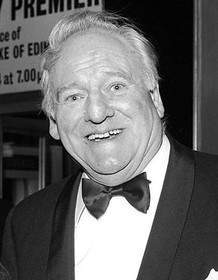
Dr. Harris (Bernard Lee)
Played by Bernard Lee
The base flight surgeon who reluctantly agrees to examine Bill, recognizing the thin line between heroism and self-destruction. His cautious medical assessment ultimately allows Bill to continue flying with greater oversight.
- 🩺 Doctor
- 🧠 Rational
- 🗺️ Strategic
Where and When Is The Purple Plain Set?
The Purple Plain is set in Burma (Myanmar) and Meiktila (World War II era, 1940s). Here is why the time and place matter to the story.
When
World War II era, 1940s
Set during the Burma campaign, the story places Allied pilots in hostile terrain under Japanese occupation. The period's harsh climate, logistics, and constant danger of combat frame the characters' choices. Personal loss and the fight to stay alive sit at the heart of the narrative.
Where
Burma (Myanmar), Meiktila
The film unfolds in the Burma theatre of World War II, focusing on a remote arid area where Japanese forces intrude on Allied operations. The landscape is marked by purple-hued soil and rugged hills, shaping the characters' struggle to endure. Key settings include the Meiktila region and the isolation of a crash site that forces a grueling trek through harsh terrain.
- 🗺️ War zone
- 🌾 Rural frontier
What Are the Themes of The Purple Plain?
3 ideas the story keeps returning to, among them Resilience, Hope and Healing.
-
01
Resilience
A central thread is the characters' will to endure against overwhelming odds. Bill Forrester's struggle with grief and self-doubt is tempered by purpose and companionship. The trek across harsh terrain becomes a test of endurance, faith, and stubborn hope.
-
02
Hope
Anna's friendship rekindles Bill's sense that life is worth living beyond medals and duty. Small acts of mercy and trust illuminate how connection can pull a person back from despair. The film suggests that hope can emerge even in the harshest war zones.
-
03
Healing
Healing flows from shared struggle, practical aid, and emotional openness. The medical decisions to treat Bill and his gradual recovery depend on the support from allies and a renewed sense of purpose. The journey demonstrates how love and friendship can restore a person’s will to survive.
What Kind of Film Is The Purple Plain?
Tense in tone, with variable pacing and a straightforward story, going by the plot summary.
- Tone
- Tense
- Pacing
- Variable
- Story
- Straightforward
- Intensity
- High
- Ending
- Bittersweet
A tense and emotionally heavy survival drama about a grief-stricken pilot's journey from self-destructive recklessness to finding a fragile reason to live amid the brutal landscapes of war-torn Burma.
- grief-stricken
- tense
- survivalist
- melancholic
- redemptive
- isolating
- grief and loss
- survival
- ptsd
- war trauma
Content notes: war violence, suicide, ptsd.
Quiz
How well do you remember The Purple Plain? Test yourself on the story.