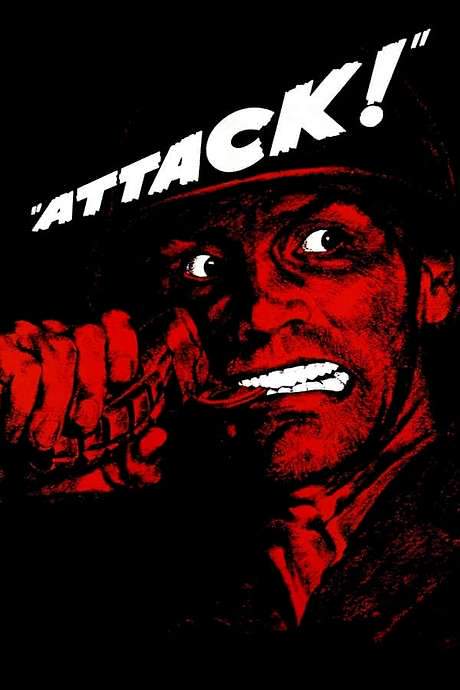
What Is Command Decision About?
The premise of Command Decision in 344 words, with nothing given away. The full story follows below.
In the summer of 1943 the British war effort hums with a restless urgency. Inside the Ministry of Information, daily briefings pull together journalists, military brass and elected officials into a cramped room where the roar of distant B‑17s becomes a metronome for every decision. The atmosphere is charged with the knowledge that each sortie could turn the tide—or deepen the tragedy, as the Allied command weighs a new plan to strike at the heart of Germany’s emerging jet‑fighter industry.
Elmer “Brockie” Brockhurst arrives each morning with a seasoned reporter’s cynicism, his notebook a shield against propaganda. Beside him, James Carwood asks the hard questions that most prefer to keep silent, probing whether any strategic gain can ever justify the inevitable loss of civilian lives. Their uneasy partnership frames the film’s exploration of what moves men and women who live on the edge of history—courage, fear, ambition, and the relentless need to find meaning amid chaos.
At the center of the impending operation stands Dennis, a charismatic brigadier‑general whose reputation for boldness is matched only by his awareness of the political storm swirling around him. He must navigate the expectations of Major‑General Kane, the cautious overseer; Brigadier‑General Clifton Garnet, a loyal West Point comrade whose own loyalties are tested; Col. Edward Rayton Martin, the pragmatic air‑force officer; and Congressman Arthur Malcolm, whose visits turn every success into a headline and every loss into a scandal. Even Technical Sergeant Evans and the idealistic Captain Jenks become pieces in a larger puzzle, each embodying the tension between personal honor and the demands of a war that refuses to pause for reflection.
The film settles into a tone that is both gritty and introspective, treating the air‑war not as a spectacle of fire‑power but as a crucible for moral choice. It invites the audience to feel the weight of a decision that could cripple an enemy’s most advanced weapons while exacting a profound human cost, leaving the characters—and the viewers—to wonder how truth, duty, and sacrifice can coexist when the price of victory is measured in lives.
What Happens in Command Decision?
The complete story of Command Decision, from the first scene to the last, in 790 words (about 3 minutes). Spoilers throughout. Names in the text link to 2 cast member pages.
Spoilers ahead
In 1943, at the English Ministry of Information, war correspondents Elmer “Brockie” Brockhurst Charles Bickford and James Carwood John Ridgely attend the daily bombing mission briefings, where the mood among the press and commanders is uneasy. The RAF representative talks of light losses, but the PRO of the Eighth Air Force reports record casualties, casting a pall over the room. Carwood questions whether any target can excuse such losses, while Brockhurst hints that the U.S. commander may be more invested in the war than in appearances. The two men watch B-17s roar into the sky, and Brockhurst presses a question about a high-profile pilot named Captain Jenks, seeking clarity that refuses to come.
Dennis [Clark Gable], the brash Brigadier-General at the heart of the operation, is juggling three delicate public relations challenges. His superior, Major-General Kane [Walter Pidgeon], visits alongside Brigadier-General Clifton Garnet [Brian Donlevy], a West Point classmate of Dennis and brother-in-law to Col. Edward Rayton Martin [John Hodiak], creating a tense web of loyalties. A visiting congressional committee looms, and Garnet pleads for lower losses as a joint resources conference at the Pentagon could curtail bomber missions. The press, the generals, and the lawmakers all circle one truth: Dennis has begun a highly sensitive operation that could redefine how victory is portrayed back home. Brockhurst, wary of any cover-up, remains vigilant about the line between transparency and national security.
The mission itself hinges on precision and risk. Dennis identifies the targets as Posenleben and Schweinhafen, but the group’s flight path pushes the envelope of what is feasible with limited fighter escort. Brockhurst cautions that presenting a mistake as cooperation with the Navy would be a grievous misstep, and Martin reports that the second city has been attacked but urges Dennis to keep quiet about the confusion, noting the two cities are virtually indistinguishable from the air. Yet Dennis refuses to stay silent. He reveals to Kane the broader top-secret plan: destroy factories building a German jet fighter before it can go into service, a move that could cripple Germany’s defensive capabilities. The scope expands beyond Schweinhafen to a third target, Fendelhorst, with only a single bomber group positioned to reach it.
Kane reluctantly grants permission to press forward, while Dennis agrees to honor Captain Jenks with a medal during Congressman Malcolm’s visit—an attempt to temper the political firestorm that could erupt from the committee’s scrutiny. Behind the scenes, Garnet rises in influence as a possible path to a more controllable, less costly operation, while Martin’s own position grows precarious as he weighs the optics of the mission against strategic necessity.
As the takeoff begins, the congressional panel watches with a mix of admiration and concern. The committee is impressed by the bold start, but back at headquarters Malcolm—Congressman Arthur Malcolm [Edward Arnold]—reiterates his critiques. Evans [Van Johnson], a sharp-witted Technical Sergeant, uses political savvy to ease tensions and keep the operation moving. Martin signals Schweinhafen’s destruction, but tragedy strikes when Jenks’s crew is shot down after Martin’s B-17 departs. The loss hits Dennis hard, and Malcolm’s attacks on his judgment intensify.
Jenks, whose relationship to his uncle—Congressman Malcolm [Edward Arnold]—complicates the political pressure, refuses to accept the medal, a quiet stand that lifts the mood only briefly. Overwhelmed by the cost of the mission, Dennis withdraws to plan tomorrow’s flight, while Kane—grudgingly—relieves him of command and turns to Garnet for leadership. Garnet envisions a straightforward, easier mission the next day, but a sudden Pentagon order pulls Dennis toward the Pacific and a new B-29 command, signaling a shift in his career and in the air war strategy.
Yet the operation continues to unfold with clear-eyed resolve. Brockhurst, having confronted the human cost and the political machinery that fuels it, sees a man at the center of the storm—Dennis—whose drive to safeguard the war effort has yielded both decisive risk and sobering loss. As Dennis boards his aircraft, Brockhurst offers a quiet, hard-won blessing: the conviction that truth and duty can coexist even when the price is high. The seasoned observer walks away with a sense that this chapter, with its clashes of ambition, loyalty, and courage, has altered both the war and the men who fought it.
In the end, the story remains a study in leadership under pressure, the ethics of wartime reporting, and the fragile balance between public message and private sacrifice. The missions, the mistakes, and the moments of resolve all thread together to reveal a war fought not just with planes and guns, but with nerves, nerves of steel, and the uneasy politics that accompany triumph. Brockhurst leaves the airfield carrying a complicated, human impression of Dennis, knowing that history may judge their choices, but hope endures in the soldiers who continue to fly.
Command Decision Timeline: Every Key Event in Order
12 key events in the order they happen, from “Mission briefings at the Ministry of Information” to “Dennis heads to the Pacific, Brockhurst farewell”. 12 events name a place, across 8 locations.
- 1
Mission briefings at the Ministry of Information
In 1943, war correspondents Brockhurst and Carwood attend daily bombing mission briefings at the Ministry of Information. The RAF representative reports light losses, but the Eighth Air Force's public relations officer reveals record casualties, underscoring the tension between public messaging and wartime risk. The exchange hints at deeper political and strategic stakes behind each mission.
When:1943 Where:English Ministry of Information, London
- 2
Brockhurst visits Dennis' headquarters
Brockhurst travels to Dennis' headquarters and watches B-17s take off on a strike. He asks Tech Sergeant Evans about the arrest of Captain Jenks, but receives no answer. The encounter foreshadows the press’s fraught relationship with operational security.
Where:Dennis' headquarters
- 3
Public relations headaches loom
Dennis faces three public relations headaches: Garnet’s possible replacement of Kane or Dennis, a visiting congressional committee, and Garnet’s plea for low-loss missions ahead of a Pentagon conference. Kane tries to keep the peace while tensions simmer in the background.
Where:Dennis' headquarters
- 4
Targets named, press clash begins
Dennis identifies the targets as Posenleben and Schweinhafen, and Kane realizes Dennis has begun a highly sensitive operation in his absence. The clash over the role of the press intensifies as strategic moves unfold.
Where:Dennis' headquarters
- 5
Wrong target, true target, and jet factory plan
Dennis' bombers suffer heavy losses, and Martin reports that the group attacked the wrong target. He urges Dennis to keep quiet because the two cities are indistinguishable. Dennis reveals the true target was a torpedo factory, and the plan expands to destroying a German jet factory before it can go into service, with a third city, Fendelhorst, to be attacked. Dennis's unit is uniquely positioned to reach Fendelhorst given its range.
Where:European airspace over Germany
- 6
A weather window opens
A brief stretch of clear weather provides the window to complete the operation before the Luftwaffe can mount a defense. The weather becomes the pivotal factor that could determine success or failure.
Where:European airspace
- 7
Kane’s concession and Jenks
Kane initially resists continuing the mission but yields after Dennis threatens to press charges against Jenks. He grants permission to proceed and agrees that Jenks will receive a medal during Malcolm's visit.
Where:HQ
- 8
Committee visit and a promotion offer
While Kane entertains the Committee, Garnet offers Martin a promotion to chief of staff in a Pacific B-29 command. The Committee is impressed by the takeoff of the mission. Back at headquarters, Malcolm renews his critique of Dennis' attitude toward losses.
Where:Headquarters
- 9
Tensions escalate at headquarters
Evans uses political savvy to ease tensions as Malcolm's criticisms echo through the room. Martin sends the signal that Schweinhafen has been destroyed, but the atmosphere remains fraught with political pressure and looming decisions.
Where:HQ
- 10
Jenks ceremony and a fatal blow
During Jenks' decoration, Dennis is told Martin's B-17 (with Jenks' crew) has been shot down. Jenks unexpectedly tells his uncle to shut up and refuses his medal. Dennis, emotionally shaken by Martin's death, excuses himself to plan tomorrow's mission.
Where:HQ ceremony room
- 11
Command change and the final attack plan
Kane is shocked by Dennis' persistence despite the losses, and Dennis is relieved to be replaced by Garnet. Garnet questions the staff about ordering an easy mission, then decides to attack Fendelhorst while the weather permits.
Where:HQ
- 12
Dennis heads to the Pacific, Brockhurst farewell
Dennis looks forward to a training command in the United States near his family, but a last-minute Pentagon order sends him to the Pacific to command B-29s. Brockhurst, moved by what he has seen, wishes Dennis well as he boards his aircraft.
Where:Pentagon, Washington, D.C. / Pacific departure airfield
Who Are the Main Characters in Command Decision?
8 characters, among them Elmer 'Brockie' Brockhurst (Charles Bickford), James Carwood and Brigadier-General Casey Dennis: who each one is and the part they play in the story. Every profile links to the actor’s page.
-
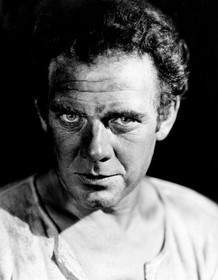
Elmer 'Brockie' Brockhurst (Charles Bickford)
Played by Charles Bickford
A veteran war correspondent at the Ministry who questions the value of casualty-heavy bombing and presses for candor rather than cover-ups. He acts as a moral counterpoint to aggressive military tactics, challenging the decisions that put soldiers at risk while trying to keep the public informed.
- 🗞️ Journalist
- 💬 Media liaison
- JC
James Carwood
Played by John Ridgely
A fellow war correspondent whose skepticism and weary pragmatism clash with military bravado. He questions whether any target justifies the heavy losses, and his banter with Brockhurst highlights tensions between the press and the air campaign.
- 🗞️ Journalist
- 💬 Critic
-

Brigadier-General Casey Dennis
Played by Clark Gable
A aggressive U.S. commander who pushes for bolder bombing missions despite mounting casualties. His rivalry with the press and his strategic gambits reveal a leader who prioritizes mission success and nerve under pressure, even as personal losses haunt him.
- 🎖️ Leader
- 🧭 Strategist
-
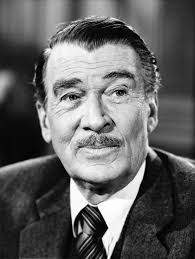
Major General Roland Goodlow Kane
Played by Walter Pidgeon
A senior officer who tries to balance political influence, public accountability, and operational effectiveness. He negotiates with Garnet and uses political savvy to keep missions moving, even when it risks public scrutiny.
- 🗺️ Strategist
- 🏛️ Politician
- BC
Brigadier-General Clifton Garnet
Played by Brian Donlevy
Dennis's West Point classmate who is considered for promotion and eventually makes command decisions for an easier, safer mission. He embodies the tension between political reliability and tactical responsibility.
- 🎖️ Leader
- 🧭 Calculated
- CL
Captain Lucius Malcolm Jenks
Played by Michael Steele
A capable bomber captain whose willingness to fly is complicated by family ties to a congressman. His choices and ultimately refusing a medal reflect personal courage under political pressure and the limits of obedience.
- 🪖 Pilot
- 💼 Family ties
- CA
Congressman Arthur Malcolm
Played by Edward Arnold
Jenks's uncle and a visiting member of the Military Affairs Committee who wields political pressure and publicly critiques Dennis. His presence anchors the intersection of war, policy, and public accountability.
- 🏛️ Politics
- CE
Col. Edward Rayton Martin
Played by John Hodiak
A staff officer who navigates the delicate balance of truth and discretion, pushing for the right to reveal or withhold information as strategic needs demand. He signals the destruction of Schweinhafen and helps orchestrate the top-secret plan.
- 🗂️ Staff officer
- 🧭 Strategist
Where and When Is Command Decision Set?
Command Decision is set in Ministry of Information, London and England (1943). Here is why the time and place matter to the story.
When
1943
Set during World War II, mid-way through the Allied strategic bombing campaign over Europe. U.S. and British military and political figures confront casualties, targets, and public scrutiny from a visiting congressional committee. The weather and mission timing dictate whether attacks proceed, highlighting the tension between precision, risk, and publicity.
Where
Ministry of Information, London, England
In 1943 the action centers on the English Ministry of Information where war briefings and press access frame strategic decisions. The headquarters of Brigadier-General Dennis's unit and allied bomber operations sit in England, with B-17s taking off from nearby air bases. The setting conveys a high-stakes atmosphere of wartime information control and public accountability.
- 🏛️ Government
- 🗺️ War setting
What Are the Themes of Command Decision?
3 ideas the story keeps returning to, among them War Ethics, Media vs. Military and Leadership and Duty.
-
01
War Ethics
The film probes the moral tension between achieving strategic victories and the human cost of casualties. Decisions to mislead or withhold information show how political and public-image concerns influence military actions. The characters wrestle with accountability when mission success clashes with personal losses.
-
02
Media vs. Military
The role of the press in wartime is central; Brockhurst and Carwood clash with Dennis over what should be reported. Political pressure from Congress and defense officials complicates reporting and risks of cover-ups. The story examines truth, propaganda, and the consequences of public narratives on soldiers.
-
03
Leadership and Duty
Dennis's aggressive command style is tested by higher-ups and the cost of losses. Kane and Garnet manipulate information to align with political goals, revealing frailties in command. Brockhurst's skepticism and the fate of Jenks's crew show how leadership decisions ripple through the chain.
What Kind of Film Is Command Decision?
Tense in tone, with steady pacing and a moderate story, going by the plot summary.
- Tone
- Tense
- Pacing
- Steady
- Story
- Moderate
- Intensity
- High
- Ending
- Bittersweet
A tense and heavy wartime drama that steadily builds pressure as it explores the immense moral burden of military command, political maneuvering, and the high cost of strategic decisions.
- tense
- anxious
- solemn
- gripping
- heavy
- thoughtful
- military leadership
- war ethics
- political pressure
- sacrifice
Content notes: war violence, military casualties, death of comrades, psychological stress.
Quiz
How well do you remember Command Decision? Test yourself on the story.
Where to Watch Command Decision
Rent or buy it from Amazon Video and Apple TV Store. US availability and prices from JustWatch.



Streaming availability in the US, powered by