What Is A Gathering of Eagles About?
The premise of A Gathering of Eagles in 280 words, with nothing given away. The full story follows below.
In the tense, humming corridors of a Strategic Air Command base during the height of the Cold War, an entire crew of B‑52 crews lives under the shadow of a looming operational readiness inspection. The sleek, silver bombers and the disciplined rhythm of daily drills convey both the pride and the pressure of a force that must be flawless at a moment’s notice, while the ever‑present threat of geopolitical jeopardy tightens every interaction.
Jim Caldwell arrives as the newly appointed colonel, tasked with taking command of a squadron still reeling from the fallout of a botched inspection that cost the former commander his post. A decorated veteran with a reputation for exacting standards, he sees the unit’s potential and its peril in equal measure, and he is determined to forge a team that can meet the exacting demands of nuclear deterrence. His leadership style is relentless, his expectations uncompromising, and his presence immediately reshapes the base’s atmosphere.
Beside him stands his longtime friend and trusted associate, Hollis Farr, whose more relaxed, hands‑on approach to leadership offers a counterpoint to Caldwell’s strict regimen. Their partnership, built on mutual respect and shared history, creates a subtle tension that reflects the broader struggle between disciplined procedure and the human need for flexibility within a high‑stakes environment.
At home, Caldwell’s newly married life with Victoria Caldwell introduces another layer of complexity. Her steady presence grounds him, yet his single‑minded focus on the squadron’s performance begins to surface questions about balance, trust, and the sacrifices demanded by duty. Their relationship, poised on the edge of personal and professional demands, hints at the emotional undercurrents that run parallel to the austere world of Cold War aviation.
What Happens in A Gathering of Eagles?
The complete story of A Gathering of Eagles, from the first scene to the last, in 519 words (about 2 minutes). Spoilers throughout.
Spoilers ahead
Major General ‘Happy Jack’ Kirby [Kevin McCarthy] lands unannounced at a California SAC base, where a crucial strategic aerospace wing is under tight scrutiny. He announces an immediate operational readiness inspection (ORI) and plunges the unit into a high-stakes evaluative atmosphere. As Kirby and his team assess the readiness of crews, training, and procedures, they uncover a pattern of lapses and gaps that push the wing to the edge of failure. Kirby’s report to Gen. Hewitt [Leif Erickson] sets a somber tone for the base, underscoring that even well-regarded programs can hide systemic weaknesses.
Gen. Hewitt then retools the command structure, replacing Kirby with his own aide Col. Jim Caldwell [Rock Hudson], whose trusted associate is his old friend, Hollis Farr [Rod Taylor]. Caldwell wastes no time in recognizing the depth of the problems, and he begins to impose a series of demanding policies designed to raise standards and tighten discipline. The new regime throws Farr into direct conflict with Caldwell, as Farr’s more relaxed, hands-on approach clashes with Caldwell’s stricter methods. The friction between the two men intensifies, and the tension spills into Caldwell’s personal life when his wife, Victoria Caldwell [Mary Peach], suspects that her husband’s decision to push Farr out could be tied to an affair Farr allegedly had with Caldwell’s wife.
The strain peaks when Caldwell is away on a hospital visit, and an emergency suddenly slots into the base’s radar: an unidentified aircraft is on final approach with no signal, a classic sign of a surprise ORI. Farr steps up to command, taking decisive action in the opening moments by directing the bombers to launch, even though doing so requires bending a key regulation. The move is risky, but it pays off, as the aircraft is handled and the wing begins its attack sequence. When Kirby returns to demand an explanation, Farr defends his bold choice, arguing that in that moment there was no time for hesitation, and Caldwell’s own prior judgments align with Farr’s instincts. Kirby admits that he, too, would have made the same call under pressure, and the base passes the ORI with a hard-won, if unconventional, success. The result signals that Farr may survive the changes, at least for now, while Caldwell’s bold policies have left him with a twitchy balance between authority and risk.
Back home, the hospital routine reveals a deeper truth about the base’s mission. Victoria volunteers at the base hospital, and a recovering airman asks her to check on the progress of the ORI, a small but telling reminder of how the entire unit’s focus is tethered to this critical test. The experience softens the tension between Caldwell and Farr, as Caldwell recognizes that the men and women at the wing are united by a shared devotion to their work. When Caldwell returns and shares a quiet moment with Victoria, he apologizes for prioritizing SAC’s needs; she counters with a reflection on the airman’s request, putting the broader purpose of their sacrifice into perspective. In the final, intimate embrace, they reaffirm their bond and their commitment to the mission that has shaped every decision they make.
A Gathering of Eagles Timeline: Every Key Event in Order
12 key events in the order they happen, from “ORI announced by inspector general” to “Outcome and continuation”. 12 events name a place, across 11 locations.
- 1
ORI announced by inspector general
The inspector general, Major General Happy Jack Kirby, lands unannounced at the California base and declares an unannounced operational readiness inspection (ORI). He immediately begins assembling his evaluation team to scrutinize training, discipline, and overall readiness across the wing. The base leadership braces for a rigorous assessment and prepares for potentially tough findings.
When:Day 1 Where:California Air Force Base
- 2
Problems surfaced during ORI
Kirby's evaluation quickly highlights gaps in training standards and overall readiness. His team documents deficiencies and reports them up the chain, signaling that the wing may fail to meet required benchmarks. A sense of urgency grows as the scope of the problems becomes clear.
When:Early phase of ORI Where:Base operations area
- 3
Hewitt replaces Kirby with Caldwell
General Hewitt replaces Kirby with Colonel Jim Caldwell, appointing his trusted aide Hollis Farr to Caldwell's side. The leadership shift signals a move toward a stricter regime and tougher scrutiny of every routine. The base atmosphere tightens as Caldwell begins outlining his reform plan.
When:Shortly after replacement Where:Command Center, SAC base
- 4
Caldwell enacts harsh policies
Caldwell imposes a stricter program aimed at raising standards and discipline. He tightens training, supervision, and accountability, raising tensions with Farr who objects to some methods. Morale at the base begins to feel the pressure of rapid reforms.
When:Mid-implementation Where:Base training facilities
- 5
Farr faces potential dismissal
Caldwell discovers Farr's apparent lack of discipline and warns him of possible dismissal. Farr resists, and their conflict deepens, creating strain among the leadership team. The professional tension begins to affect the broader wing dynamics.
When:Mid-stage of reforms Where:Office of Caldwell
- 6
Rift with Victoria
The strain spills into Caldwell's home as his wife Victoria suspects an affair with Farr. The rumor jeopardizes their marriage and complicates the base's political dynamics. The emotional stakes of leadership become foregrounded.
When:Evening Where:Caldwell home
- 7
Emergency on base; Farr takes command
While Caldwell is away on a hospital visit, an unidentified aircraft on final approach triggers a critical moment of the ORI. Farr steps in to assume command and begins the opening bomber launches, even bending a key regulation to ensure the mission progresses. The decision tests his judgment under pressure.
When:Opening stages of ORI Where:Base flight operations area
- 8
Kirby weighs in on Farr's action
Kirby questions Farr's decision but acknowledges that he might have made the same call under pressure. Caldwell defends Farr, arguing that bold choices can be necessary to test readiness. The opening phase proceeds, and the wing launches its first wave.
When:Early ORI Where:Flight line
- 9
ORI progresses toward a verdict
As the ORI unfolds, the wing's performance and Farr's handling are assessed, leading to a favorable outcome. Kirby's doubts give way to grudging respect for the results and the risks taken. The wing passes the ORI despite controversy surrounding the methods used.
When:Mid to late ORI Where:Base airfield
- 10
Victoria's hospital volunteerism
Victoria volunteers at the base hospital during the ORI, offering care for wounded and anxious personnel. A young airman awakens after surgery and asks her to check that the ORI is progressing well, illustrating the stake in the mission. The scene underscores the human element amid high-stakes testing.
When:During ORI Where:Base hospital
- 11
Post-ORI reconciliation
After the ORI, Caldwell apologizes to Victoria for prioritizing SAC over family concerns. She explains that the airman's remark helped her realize how everyone on the base is focused on critical work. They reconcile and reaffirm their shared commitment.
When:Post-ORI Where:Caldwell home
- 12
Outcome and continuation
The wing passes the ORI and Farr remains in his role, validating Caldwell's approach in the eyes of some leaders. The base experiences a mix of professional achievement and personal resolution as the cycle ends. The closing emphasizes the balance between duty and family life.
When:End of ORI Where:Wing Command Center
Who Are the Main Characters in A Gathering of Eagles?
5 characters, among them Col. Jim Caldwell (Rock Hudson), Col. Hollis Farr (Rod Taylor) and Major General 'Happy Jack' Kirby (Kevin McCarthy): who each one is and the part they play in the story. Every profile links to the actor’s page.
-
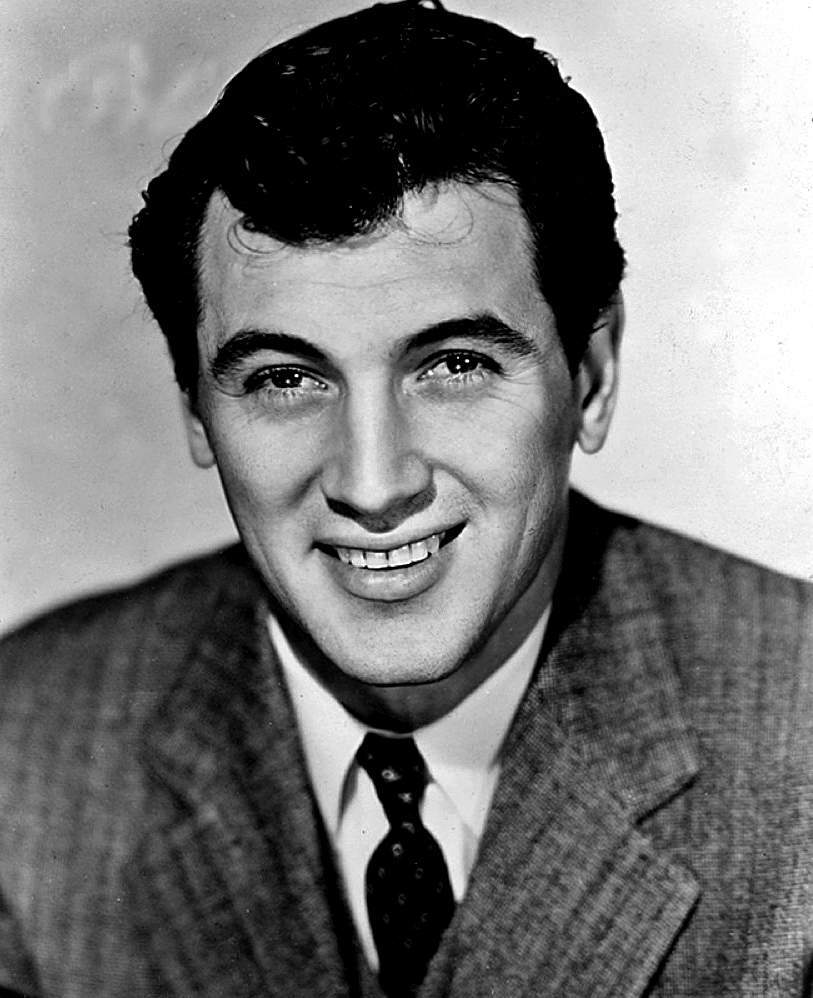
Col. Jim Caldwell (Rock Hudson)
Played by Rock Hudson
A disciplined, results-driven colonel who identifies training and readiness gaps on the base and imposes harsh policies to fix them. He views protocol as essential to national security and clashes with Farr over how to apply it. His personal life is touched by the strain of command, and he ultimately faces a test of loyalty when an emergency prevents his return to lead the ORI.
- 🎖️ Military leadership
- 🧭 Strategic mindset
- ⚖️ Rule enforcement
-
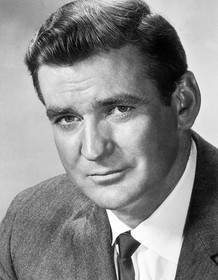
Col. Hollis Farr (Rod Taylor)
Played by Rod Taylor
An experienced but less disciplined officer who believes decisive action under pressure is key to mission success. He challenges Caldwell’s methods and ultimately takes command during the ORI, risking penalties to ensure the wing can launch. His stance embodies pragmatism and loyalty to his unit, even at personal cost.
- 🎯 Crisis decision-making
- 🧭 Pragmatic leader
- 🎖️ Loyalty
-
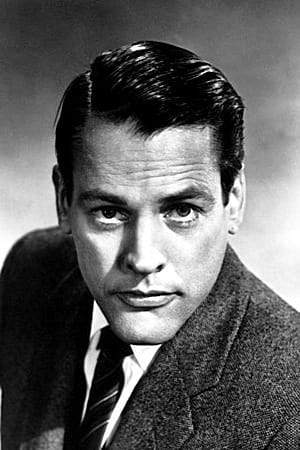
Major General 'Happy Jack' Kirby (Kevin McCarthy)
Played by Kevin McCarthy
SAC inspector general who arrives unannounced to evaluate readiness and reports unfavorably, triggering a power shift. His scrutiny highlights the tension between oversight and management on the base.
- 🎖️ Inspector general
- 🧭 Oversight
- VC
Victoria Caldwell (Mary Peach)
Played by Mary Peach
Caldwell’s wife, caught in the political shadows of command. She volunteers at the base hospital and gains insight into the core purpose of the unit, helping her husband see beyond rule-bound routines. Her fear of an affair between Farr and her husband adds personal stakes to the professional drama.
- 💞 Family life
- 🏥 Base hospital volunteer
- 🕊️ Compassion
- GH
Gen. Hewitt (Leif Erickson)
Played by Leif Erickson
A high-ranking commander who replaces Kirby and elevates Caldwell to a trusted aide, guiding the base’s leadership decisions from above. He embodies the strategic oversight typical of top command.
- 🎖️ High command
- 🧭 Strategic oversight
Where and When Is A Gathering of Eagles Set?
A Gathering of Eagles is set in California Air Force Base. Here is why the place matters to the story.
Where
California Air Force Base
A Strategic Air Command base in California houses a crucial aerospace wing and a base hospital. The facility is a hub of high-stakes training and readiness, reflecting the Cold War demand for rapid, coordinated airpower. The base's daily operations revolve around contingency planning, drills, and the pressure of an unannounced ORI.
- 🌎 United States
- 🏢 Military base
- 🎯 Strategic facility
What Are the Themes of A Gathering of Eagles?
3 ideas the story keeps returning to, among them Duty vs Integrity, Leadership Clash and System Pressure.
-
01
Duty vs Integrity
The film pits strict adherence to protocol against pragmatic decisions made under pressure. Readiness and mission success are shown as paramount, even when it means bending rules or defying conventional wisdom. Characters wrestle with where loyalty to the mission ends and personal ethics begin. The ORI becomes a moral test as much as a technical evaluation.
-
02
Leadership Clash
Caldwell's rigid leadership contrasts with Farr's more flexible, action-first approach. Their conflict drives much of the tension, highlighting how different command styles affect unit morale and performance. The story probes whether tradition and discipline or experience and bold choice better serve national security. Ultimately, it questions whether leadership is about enforcing rules or enabling decisive action.
-
03
System Pressure
The base's bureaucracy, training gaps, and the looming ORI create a pressure cooker for decisions. When an unidentified aircraft forces a rapid response, the crew's performance hinges on whether rules are followed or overridden for the greater good. The resolution suggests that success can require trust in imperfect judgment under extreme stress. The film uses the inspection as a lens on how systems balance risk and control.
What Kind of Film Is A Gathering of Eagles?
Tense in tone, with steady pacing and a straightforward story, going by the plot summary.
- Tone
- Tense
- Pacing
- Steady
- Story
- Straightforward
- Intensity
- Medium
- Ending
- Bittersweet
A tense and sober drama about high-stakes military discipline during the Cold War, where personal relationships are strained by the relentless pressure to achieve perfect combat readiness.
- tense
- disciplined
- anxious
- professional
- sober
- relieved
- cold war
- military discipline
- professional rivalry
- marital strain
Content notes: war violence, alcoholism.
Quiz
How well do you remember A Gathering of Eagles? Test yourself on the story.
Where to Watch A Gathering of Eagles
Rent or buy it from Amazon Video and Apple TV Store. US availability and prices from JustWatch.





Streaming availability in the US, powered by