What Is Thirty Seconds Over Tokyo About?
The premise of Thirty Seconds Over Tokyo in 315 words, with nothing given away. The full story follows below.
In the tense months after the attack on Pearl Harbor, the United States is a nation bent on striking back, yet the weight of loss lingers in every quiet hallway and bustling airfield. Against this backdrop, a tender romance blooms between a young lieutenant and his pregnant wife, their love a fragile beacon amidst the clamor of war. Their story is framed by the looming presence of a daring, top‑secret operation that promises to bring the conflict directly over the Japanese home islands.
Leading the effort is Jimmy Doolittle, a charismatic lieutenant colonel whose reputation for daring ingenuity draws together a handful of volunteer crews. He assembles a small fleet of sleek B‑25 Mitchell bombers at a secluded base in Florida, where the men undergo grueling preparation under the watchful eyes of seasoned instructors. The atmosphere is a blend of quiet resolve and nervous anticipation; every rehearsal, every whispered calculation carries the weight of possibility and danger, while the ever‑present buzz of engines reminds them that the sky itself may become their battlefield.
Among the volunteers is Ted Lawson, a thoughtful and steady pilot whose devotion to duty is matched only by his devotion to his wife, Ellen. When Ellen arrives at the training field, the romance becomes a palpable undercurrent to the mission’s secrecy. Their brief, stolen moments together highlight the personal stakes that each crew member carries—a longing for home, a fear of loss, and the hope that love can survive the harshest of separations.
The film balances the stark, metallic world of wartime aviation with the intimate, human yearning that drives its characters. Its tone is both reverent and wistful, capturing the courage required to embark on a perilous raid while honoring the quiet strength found in waiting hearts. The stage is set for a journey that tests resolve, camaraderie, and the enduring power of love amid the looming clouds of conflict.
What Happens in Thirty Seconds Over Tokyo?
The complete story of Thirty Seconds Over Tokyo, from the first scene to the last, in 763 words (about 3 minutes). Spoilers throughout. Names in the text link to 4 cast member pages.
Spoilers ahead
Not long after the Pearl Harbor attack, Spencer Tracy stars as Lt. Col. Jimmy Doolittle, who spearheads a bold, top-secret plan that brings two dozen North American B-25 Mitchell bombers and their volunteer crews together at Eglin Field, Florida. The mission is risky and not everyone is sure they should go, but the men press on, including Ted Lawson, Van Johnson, who leads his own crew bound for a dangerous assignment. Alongside Lawson are co-pilot Lieutenant Dean Davenport, navigator Lieutenant Charles McClure, bombardier Bob Clever, and gunner David Thatcher—the heart of a team that must blend skill, courage, and nerve to pull off something unprecedented.
Lawson’s wife Ellen, Phyllis Thaxter, joins him at Eglin Field, adding a personal stake to an expedition already weighed down by risk and secrecy. The pilots are taught to take off from a runway barely 500 feet long by a naval aviator from Pensacola, and the mood at the field mixes quiet resolve with the hum of machinery and the whisper of what-ifs. When the planes are loaded onto the aircraft carrier USS Hornet, Doolittle lays out the mission: they will bomb Tokyo, Yokohama, Osaka, Kobe, and Nagoya, then head for landfall in China after releasing their payloads. They will launch from the Hornet about 400 miles from Japan and, if all goes well, converge in Nationalist-held areas before regrouping in Chungking.
But the convoy is spotted by an enemy surface vessel, forcing the crews to lift off twelve hours earlier than planned and to attack in daylight over Japan with hopes of surviving until nightfall in China. Doolittle leads the raid, and the bombers drop incendiaries to mark targets for the following aircraft. The Ruptured Duck becomes the first to reach Tokyo, finding some targets already aflame; they press forward, their anti-aircraft fire proving largely ineffective and enemy fighters largely uninterested. The flight continues toward China, yet fuel runs dangerously low as darkness and rain swirl around the aircraft.
Lawson’s aircraft makes a desperate belly landing on a beach in the Chinese coastline, crashing into the surf. The rest of Lawson’s crew suffers severe injuries—Lawson’s left leg is exposed to the bone, and McClure’s shoulders are shattered—while Thatcher survives with relatively lighter injuries. Friendly Chinese soldiers come to their aid, and the Americans endure harsh traumas as they are escorted through Japanese-held territory. In the absence of adequate medical supplies, the injured endure excruciating pain, and Lawson’s leg becomes infected. Delirium creeps in as he dreams of Ellen, the line between memory and pain blurring in the harsh glow of their surroundings.
In Xing Ming, a Red Cross banner hangs as Dr. Chung—an elder physician—offers to carry them to his hospital 19 miles away. He informs them the Japanese have captured one of the other crews, and the Americans rush into the hills as Japanese search parties begin to arrive, intent on destruction. The elder Dr. Chung’s hospital lacks a surgeon, but Lieutenant Smith’s crew is on its way with Lieutenant “Doc” White, Stephen McNally volunteering to serve as the gunner and the medical aide. With the Japanese drawing closer, the able-bodied Americans depart, leaving Doc White with the wounded. In a grim moment of necessity, Doc White amputates Lawson’s leg well above the knee, using the single dose of spinal anesthesia they have; the medicine wears off too soon, and Lawson slips into unconsciousness. He dreams again of Ellen as pain dulls and swirls.
A chorus of Scouts sings “The Star-Spangled Banner,” rendered in Mandarin, as Lawson makes his first steps toward recovery. Elder Dr. Chung bestows an heirloom bracelet on Lawson for his wife, a token that leaves Lawson puzzled about its meaning and how it will ever be worn again. Still, as Lawson regains strength, he pushes forward on crutches, wrestling with the fear that Ellen might see him now without a leg. The plan remains to push toward a rendezvous with an American plane at Ch’ang Chou so they can make their way home.
Back at the hospital, General Doolittle himself visits Lawson, signaling that there is work still to be done. Lawson, meanwhile, longs to see Ellen only after he has adapted to prosthetics and learned to walk again. When Ellen arrives unannounced, Lawson first braces himself, forgets about his missing leg for a moment, stands, then falters, and Ellen rushes to his side in a quiet, overflowing embrace that makes the long journey feel worthwhile. The mission’s toll is clear, but so too is the strength of the men who faced impossible odds and the loved ones who waited at home.
Thirty Seconds Over Tokyo Timeline: Every Key Event in Order
15 key events in the order they happen, from “Crew assembly and mission initiation” to “Homeward plan and closing image”. 15 events name a place, across 9 locations.
- 1
Crew assembly and mission initiation
Not long after Pearl Harbor, Lt. Col. James Doolittle assembles two dozen B-25 crews at Eglin Field, Florida. Among them are Ted Lawson and his crew, and Lawson's wife Ellen joins him at the base. The volunteers prepare for a secret, high-risk mission despite the option to decline, showing their resolve.
When:Late 1941 Where:Eglin Field, Florida
- 2
Training for a very short runway
The crews are trained to take off from a runway only 500 feet long by a naval aviator from Pensacola. They practice under demanding conditions, testing their nerve for the unorthodox attack. The atmosphere is tense but determined.
When:Early 1942 Where:Eglin Field, Florida
- 3
Briefing and mission scope
Doolittle briefs the crews that their mission is to bomb Tokyo, Yokohama, Osaka, Kobe, and Nagoya. They will launch from the carrier Hornet about 400 miles from Japan and land in Chinese Nationalist areas afterward. The plan details their flight path and regrouping in Chungking.
When:February 1942 Where:Eglin Field, Florida
- 4
Deployment to the Hornet and launch
The bombers are loaded aboard the aircraft carrier USS Hornet. Doolittle informs the men of the mission and the plan to launch from sea. They must strike Japan and then reach designated spots in China after the raid. The crew steels themselves for a bold, dangerous attack.
When:February 1942 Where:USS Hornet
- 5
The raid over Japan
Doolittle leads the raid, dropping incendiary bombs to mark targets for the others. The Ruptured Duck arrives over Tokyo, finding some targets already burning and encountering little resistance. Anti-aircraft fire bursts harmlessly around them as they press on toward China.
When:April 1942 Where:Over Tokyo, Japan
- 6
Fuel shortage and escape toward China
The Ruptured Duck runs low on fuel as darkness and bad weather close in. Lawson tries a belly landing on a beach and crashes in the surf. With the other crew members injured, they push on through the perilous journey toward Chinese-held territory.
When:April 1942 Where:Coast of China
- 7
Injury and rescue in occupied China
Friendly Chinese soldiers help the Americans as they are escorted through Japanese-occupied territory. They face hunger, pain, and the constant risk of discovery, with no medical supplies to ease their injuries. The group endures harsh conditions while awaiting rescue.
When:April 1942 Where:Japanese-occupied China
- 8
Amputation and survival in Xing Ming
Doc White volunteers to amputate Lawson's leg above the knee, as there is no surgeon available. The anesthesia wears off too soon, and Lawson grapples with excruciating pain before losing consciousness. He dreams of Ellen as he endures the ordeal.
When:April 1942 Where:Xing Ming, China
- 9
Aid and the elder Dr. Chung
The elder Dr. Chung takes the wounded toward his hospital, about 19 miles away, offering hope where medical care is scarce. He warns that one crew has been captured and that Japanese search parties are moving into the area. The Americans carry on, clinging to the chance of reaching safety.
When:April 1942 Where:Xing Ming village, China
- 10
Recovery and an heirloom revelation
Chung presents Lawson with an heirloom bracelet for his wife Ellen, which confuses Lawson because he cannot recall speaking about her. The gesture links his struggle to a future home and a sense of duty to stay alive. He begins to recover, aided by the makeshift medical care.
When:April–May 1942 Where:Xing Ming, China
Show the other 5 events of Thirty Seconds Over Tokyo Hide the last 5 events
- 11
Return rendezvous and homeward plan
General Doolittle visits Lawson in the hospital and assigns him work to do, keeping him engaged despite his injury. Lawson wants a prosthetic leg first but resolves to contribute in any way he can. Plans to regroup and return home grows as word of rescue options emerges.
When:May 1942 Where:Ch'ang Chou, China
- 12
Ellen's arrival and emotional reunion
Ellen arrives unannounced at the hospital, sparking a powerful emotional moment. Lawson hesitates, wanting to wait for a proper prosthetic, but their embrace breaks through the tension. The reunion strengthens his resolve to push through the rehabilitation.
When:May 1942 Where:Hospital, China
- 13
Mandarin chorus of the Star-Spangled Banner
A chorus of Scouts singing The Star-Spangled Banner in Mandarin fills the hospital, celebrating Lawson's first day out of bed. The moment emphasizes friendship with the local Chinese people and the shared hope of survival. The sound carries a sense of uplift amid hardship.
When:May 1942 Where:Hospital, China
- 14
Symbols of resilience and aid
The elder Dr. Chung's hospital stay and the bracelet gift stand as symbols of resilience. His continued aid deepens the bond between Americans and Chinese locals during the ordeal. The community's kindness becomes a quiet anchor for the wounded crew.
When:May 1942 Where:Hospital, China
- 15
Homeward plan and closing image
With Ellen by his side and a path home ahead, Lawson's reunion signals a hopeful end. They prepare for the long road back to the United States, carrying memories of sacrifice and the promise of normal life. The film closes on a note of resilience and look toward the future.
When:May 1942 Where:Hospital, China
Who Are the Main Characters in Thirty Seconds Over Tokyo?
10 characters, among them Lt. Col. James Doolittle (Spencer Tracy), Ted Lawson (Van Johnson) and Ellen Lawson (Phyllis Thaxter): who each one is and the part they play in the story. 8 of them link to the actor’s page.
-
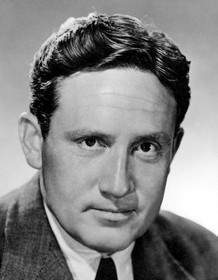
Lt. Col. James Doolittle (Spencer Tracy)
Played by Spencer Tracy
A decisive and resourceful leader who orchestrates the clandestine raid. He inspires confidence in volunteers and bears the weight of a mission that could alter the course of the war. His calm presence and strategic mind guide the crew through planning, risk, and the emotional toll of potential failure.
- 🎖️ Leader
- 🧭 Strategic
- 💬 Calm under pressure
- TL
Ted Lawson (Van Johnson)
Played by Van Johnson
The flight’s co-pilot and a husband faced with a dangerous separation from his pregnant wife. He demonstrates resolve, practical problem-solving, and endurance under extreme stress. His journey combines technical skill with personal longing as he battles injury and hopes for a future with Ellen.
- 💪 Determined
- 🧭 Loyal
- 🛠️ Skilled
- EL
Ellen Lawson (Phyllis Thaxter)
Played by Phyllis Thaxter
Lawson's wife who travels to Florida to support her husband before the mission and endures uncertainty about his fate. Her presence anchors the personal stakes of the raid and embodies the home-front impact of wartime decisions.
- ❤️ Supportive
- 🕊️ Hopeful
- CM
Charles McClure (Don DeFore)
Played by Don DeFore
Navigator whose steadiness helps navigate perilous routes. He endures the mission’s pressures and participates in the crew’s improvisational resilience under adverse conditions. His focus on precise navigation anchors the operational core of the raid.
- 🧭 Precise
- 🛡️ Steady
- 🧠 Analytical
- DT
David Thatcher (Robert Walker)
Played by Robert Walker
Gunner-mechanic whose role combines technical function with frontline problem-solving. He contributes to the crew’s survival by maintaining equipment and supporting teammates under stress. His presence reflects the practical, hands-on effort needed during the mission.
- 🔧 Practical
- 🛡️ Team player
- 👊 Resilient
- BC
Bob Clever (Herbert Gunn)
Played by Herbert Gunn
Bombardier whose role is critical to the raid’s payload delivery. He embodies the precision and cool-headed execution required in combat sorties. His performance underscores the technical precision demanded by the mission.
- 🎯 Precision
- 🧭 Skilled
- 💬 Composed
- DW
Doc White (Stephen McNally)
Played by Stephen McNally
Medic aboard the mission who volunteers for dangerous assignments. He performs an amputation under dire conditions, illustrating the brutal medical realities of war and the improvisational care that sustains the crew.
- ⚕️ Healer
- 🧪 Improvised
- 💪 Courage
- DC
Dr. Chung (elder)
A Chinese physician who provides aid to the stranded Americans and helps them navigate perilous terrain. He represents a regional human connection amid wartime hostilities and the dangers of enemy-occupied areas.
- 🧭 Kindness
- 🤝 Alliance
- YD
Young Dr. Chung (Benson Fong)
Played by Benson Fong
A younger physician who participates in medical care and shares a cultural bridge between the rescued Americans and local communities. His presence highlights cooperation across different peoples in a time of war.
- 🩺 Medical
- 🌐 Cultural bridge
- LC
Lt. Col. James Doolittle's Crew (Collective)
Group of brave volunteers assembled for a high-stakes mission, each contributing specialized skills—from navigation to bombing to flight operations. Their collective effort demonstrates teamwork under extreme pressure.
- 🤝 Teamwork
- 🧰 Specialized skills
Where and When Is Thirty Seconds Over Tokyo Set?
Thirty Seconds Over Tokyo is set in Eglin Field, Florida, Alameda, California, Tokyo, Japan, Chang Chou, Xing Ming… (1942). Here is why the time and place matter to the story.
When
1942
The events unfold in the immediate aftermath of the Pearl Harbor attack, during the early months of 1942. The planificación, training, and daring raid occur within a few months’ span as the U.S. launches a bold, surprise operation. The period is defined by wartime urgency, technological resolve, and national morale.
Where
Eglin Field, Florida, Alameda, California, Tokyo, Japan, Chang Chou, Xing Ming (China)
The story begins at Eglin Field in Florida where crews are trained for a clandestine mission. They then move to Naval facilities near Pensacola and board the USS Hornet, preparing for takeoff. The raid sends them from Tokyo to China, passing through hostile skies and enemy territory. Key action shifts across Florida, a carrier deck, Tokyo airspace, and Chinese villages.
- 🎖️ Military base
- 🗺️ Training facility
- 🚢 Carrier operation
- 🌏 War theater
What Are the Themes of Thirty Seconds Over Tokyo?
3 ideas the story keeps returning to, among them Courage, Duty and Endurance.
-
01
Courage
Courage drives volunteers to undertake a high-risk mission with uncertain outcomes. Crew members confront personal fears, choosing to press on despite brutal odds. The film foregrounds moments of danger, sacrifice, and a shared willingness to face the unknown. Courage becomes the glue that keeps the group pursuing a audacious plan.
-
02
Duty
Duty compels individuals to put mission and country above personal comfort or safety. The crew commits to the plan even when they could decline, highlighting collective responsibility. The narrative emphasizes faith in leadership and the belief that small acts can influence a larger war effort. Duty also echoes through the families awaiting word back home.
-
03
Endurance
Endurance is tested by extreme physical pain, environmental hardship, and limited medical supplies. Injuries mount, morale fluctuates, and the men must persevere to reach a safe return. The film traces not just the raid but the grueling aftermath in hostile territory. Resilience becomes essential to survival and to holding onto hope.
What Kind of Film Is Thirty Seconds Over Tokyo?
Tense in tone, with steady pacing and a straightforward story, going by the plot summary.
- Tone
- Tense
- Pacing
- Steady
- Story
- Straightforward
- Intensity
- High
- Ending
- Bittersweet
A tense and emotionally heavy war drama that builds from quiet resolve to high-stakes peril, balancing the grim realities of a dangerous mission with the enduring power of love and personal sacrifice.
- tense
- resolute
- somber
- anxious
- grim
- hopeful
- wartime mission
- survival
- marital devotion
- injury and recovery
Content notes: war violence, graphic injury, amputation, traumatic survival.
Quiz
How well do you remember Thirty Seconds Over Tokyo? Test yourself on the story.
Where to Watch Thirty Seconds Over Tokyo
Stream it on Hoopla and Plex, or rent or buy it from Amazon Video and Apple TV Store. US availability and prices from JustWatch.
 Hoopla
  Plex
Plex  Plex Channel
  Tubi TV




Streaming availability in the US, powered by