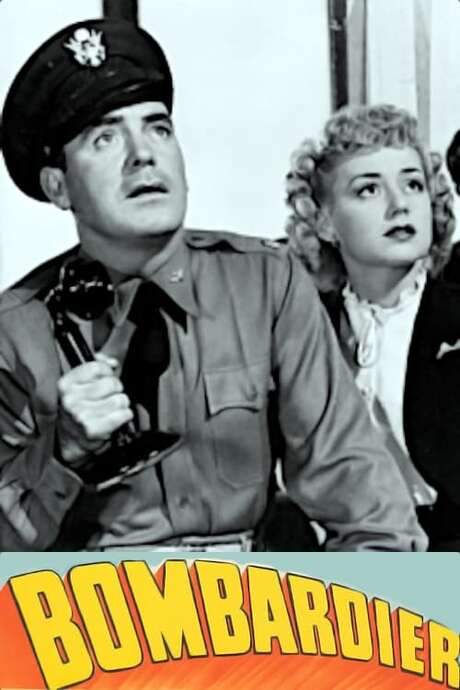
What Is Bombardier About?
The premise of Bombardier in 334 words, with nothing given away. The full story follows below.
In the summer of 1941 the United States is on the brink of a new kind of warfare, and a heated debate erupts in a Washington staffroom over what will decide the outcome. Major Chick Davis champions a secret precision bombsight that promises to turn altitude into firepower, while Captain Buck Oliver argues that the real edge lies in training fresh pilots. Their ideological clash sets the stage for a daring experiment that will prove a pivotal point in the Air Corps’ strategy and launch a bold new training program.
The experiment gives rise to a fledgling bombardier school far from the capital’s bureaucratic corridors. When the first class nears graduation, Davis arrives with his seasoned sergeant to assume command, immediately noticing the surprising presence of a cadre of civilian women clerks. Among them is Burt Hughes, the sharp‑tongued daughter of a respected general, whose witty observations keep the stoic major on his toes. The arrival of Oliver with a fresh batch of cadets—some of whom are linked by family and past romances—adds a further layer of tension, hinting at personal rivalries that will echo through the halls of the academy.
Ground school sessions blend technical instruction with a glimpse into the cadets’ private doubts. One trainee wrestles with a peculiar fear of the skies, another questions his own commitment, while a third laments the absence of women on the base. Whispers of espionage circulate, suggesting that the very secrets they safeguard could attract dangerous attention. The instructors navigate these undercurrents, balancing hard‑won expertise with the fragile confidence of the men who will soon bear the weight of a nation’s expectations.
Shot in a semi‑documentary style, the film weaves authentic instructional moments with the intimate dramas of its characters, creating a mood that feels both instructional and emotionally charged. The atmosphere crackles with anticipation, as the audience watches a group of reluctant heroes hone their craft under the watchful eye of a demanding mentor, all while the world outside edges ever closer to conflict.
What Happens in Bombardier?
The complete story of Bombardier, from the first scene to the last, in 607 words (about 3 minutes). Spoilers throughout.
Spoilers ahead
In 1941, during a staff meeting in Washington, D.C., two U.S. Army Air Corps officers square off over where the war’s real edge will come from. Major Chick Davis [Pat O’Brien] argues that a top-secret bombsight will be the spearhead of the striking force, while Captain Buck Oliver [Randolph Scott] contends that the priority is training fresh pilots. To settle the debate, they stage a bold test: Oliver uses a dive bomber and misses a stationary target, but Davis, bombing from 20,000 feet in a Boeing B-17 Flying Fortress, hits his mark with the first bomb.
As the first class nears graduation at the new bombardier training school, Davis arrives with M/Sgt. Archie Dixon to take command. Davis is unsettled by the presence of so many civilian women clerks, including Burton “Burt” Hughes [Anne Shirley], the daughter of a respected Air Corps general who now works as a secretary. Davis’s brusque manner meets Burt’s sharp observations, and she notes that he could use some training in manners. Oliver arrives with the next cadet class, which includes Tom Hughes [Eddie Albert], Burt’s brother. Davis learns that Burt and Oliver share a romantic history, and he makes a tentative effort to smooth things over with Burt.
Preflight ground school exposes a few troubling weaknesses: Tom Hughes struggles with fear-induced air sickness, Joe Connors [Robert Ryan] shows commitment issues, and Chito Rafferty [Richard Martin] laments the lack of women on the base. Connors warns Davis that a spy is trying to buy information about the secret bombsight, and together they lure the would-be traitor into a trap where he is arrested. When a bomber develops mechanical problems and the crew must bail out, Tom hesitates and refuses to jump. His friend Jim Carter [Walter Reed], another cadet and Burt’s suitor, crash-lands the aircraft, later insisting he was the one who panicked, but Hughes confesses. Facing an elimination board, Hughes persuades Davis and earns a second chance.
On a subsequent flight, Oliver nearly tosses Carter out of the bomb bay when he faints from a lack of oxygen, and Tom Hughes meets his fate: he falls to his death while saving Carter’s life. Guilt-stricken and unable to face Burt, Oliver transfers out of the school. After Pearl Harbor, the war widens, and Davis is promoted to colonel, becoming a B-17 group commander who awkwardly proposes marriage to Burt—which she declines. The cadet class moves on: Carter, Connors, Rafferty, and Harris depart for a secret island base in the Pacific, with Burt sharing a goodbye kiss and revealing her chosen partner.
At the new base, Oliver—now a major—joins the group just as it prepares for a night mission to bomb an aircraft factory in Nagoya. His assignment is to drop incendiaries to start fires, half an hour before the main group arrives, led by Davis at high altitude. Joe Connors is Oliver’s bombardier, with Dixon [Archie Dixon’s actor is Barton MacLane] as the tailgunner. Flying low, Oliver’s bomber is shot down before he can drop his bombs, and Connors remains at his post, sacrificing himself to ensure the bombsight is destroyed. Oliver and Dixon are captured by their Japanese captors, who execute the rest of the crew to force Oliver and Dixon to reveal the base’s location. Dixon manages a desperate escape attempt but is machine-gunned; his actions also ignite a truck carrying gasoline, setting the factory ablaze. Oliver drives the burning truck through the flames, exposing camouflage netting and completing the mission, fully aware he will be killed by his own men. The remaining B-17 squadron fights off enemy fighters and achieves a devastating, hard-won victory by destroying the Nagoya factory.
Bombardier Timeline: Every Key Event in Order
13 key events in the order they happen, from “Washington staff meeting sets the debate over bombardiers” to “Aftermath and mission triumph”. 13 events name a place, across 8 locations.
- 1
Washington staff meeting sets the debate over bombardiers
In 1941 a staff meeting in Washington, D.C. pits Major Chick Davis against Capt. Buck Oliver over the value of bombardiers and the top-secret bombsight. They challenge each other to a 'bombing duel,' and Davis demonstrates his theory by hitting a distant target from 20,000 feet, while Oliver misses at altitude with a dive-bomber attempt. The exchange plants the central debate about who should lead the air striking force.
When:1941 Where:Washington, D.C.
- 2
Davis arrives to command the bombardier school; Burt catches his brusque manner
Davis arrives with M/Sgt. Archie Dixon to take command of the bombardier training school. He is introduced to a crowd of civilian women clerks, including Burton 'Burt' Hughes, the secretary daughter of a respected general, whose presence unsettles him. Davis remains brusque with Burt, who notes he could use some manners.
When:Early 1941 Where:Bombardier training school, Washington area
- 3
Oliver's cadet class arrives; Burt's brother Tom Hughes and a complex romance
As a new cadet class arrives, Captain Buck Oliver leads them alongside Burt's brother Tom Hughes and Burt, who have a past romance with Oliver. Davis tries to smooth over the evolving relationships by attempting to make amends with Burt. The tension foreshadows personal conflicts amid the training program.
When:Early 1941 Where:Bombardier training base
- 4
Ground school reveals early cadet shortcomings
Preflight ground school reveals the class's weak points: Tom Hughes struggles with fear-induced air sickness, Joe Connors grapples with commitment issues, and Chito Rafferty complains about the lack of women on base. The instructors note these faults could derail their prospects as bombardiers. The atmosphere grows stricter as expectations rise. The seeds of tragedy begin to take root in the training.
When:Early 1941 Where:Bombardier training base
- 5
Spy traps and bombsight secrecy
Connors warns Davis that a spy wants to buy information about the bombsight, a top-secret device. Davis helps lure the spy into a trap, and the would-be buyer is arrested. The incident reinforces the importance of security around the bombsight.
When:Early 1941 Where:Training base
- 6
Bailout drill leads to panic and a second chance
During a bailout drill, Tom Hughes panics and refuses to jump while a crew member must bail out. Jim Carter crash-lands the aircraft, claiming he panicked, but Tom later confesses. Facing an elimination board, Tom persuades them to give him a second chance.
When:Early 1941 Where:Training base
- 7
Oliver's near-fatal moment and Tom's sacrifice
On a subsequent flight, Oliver battles oxygen deprivation and nearly tosses Carter out of the bomb bay without a parachute. In the same sequence, Tom Hughes dies saving Carter's life. The tragedy hardens the unit's outlook and pushes Burt toward a new resolve.
When:Early 1941 Where:In the air over training area
- 8
Oliver transfers out after guilt and Burt's reaction
Wracked by guilt and unable to face Burt, Oliver transfers out of the bombardier program. The emotional fallout sharpens the personal costs of command and training. Burt's affections shift as the war intensifies.
When:After the incident Where:Bombardier training base
- 9
Pearl Harbor; war entry; Davis's promotion and Burt's decision
When Pearl Harbor brings America into war, Davis is promoted to colonel and becomes a B-17 group commander. He awkwardly proposes to Burt, who turns him down, while new bombardiers Carter, Connors, Rafferty, and Harris depart for a secret island base in the Pacific. Burt kisses Jim Carter goodbye, revealing she has chosen him.
When:December 1941 Where:Base, then Pacific departure
- 10
Nagoya night mission planned; Oliver returns as major
Oliver, now a major, joins the group just as it is about to fly a night mission to Nagoya. He is assigned to drop incendiaries to start fires, a half hour before the main group arrives, while Connors serves as his bombardier and Dixon as his tailgunner. The mission tests their nerves and loyalty under a brutal deadline.
When:During Pacific War Where:Nagoya, Japan target area
Show the other 3 events of Bombardier Hide the last 3 events
- 11
Mission goes down; Connors destroys bombsight
Flying low, Oliver's bomber is shot down before he can drop the incendiaries. Connors remains at his post and sacrifices his life to destroy the bombsight, removing a key intelligence asset from enemy hands. The surviving crew continues the mission, hoping to fulfill the objective despite the setback.
When:Night mission Where:Nagoya, Japan
- 12
Capture, escape attempt, and final act of sacrifice
Oliver and Dixon are captured by Japanese troops. The other crew members are executed to coerce Oliver and Dixon into revealing the base location, but Dixon fights to escape and is machine-gunned. In a final act of sacrifice, Oliver drives a burning gasoline truck through the factory, setting fires and fulfilling the mission even though he faces certain death. The B-17 group fights off Japanese fighters and destroys the target.
When:Night mission Where:Nagoya, Japan
- 13
Aftermath and mission triumph
The Nagoya mission concludes with a hard-won victory for the B-17 group as fighters are repelled and the target is destroyed. Dixon is killed during the escape attempt, and Connors’ earlier sacrifice of the bombsight is remembered as a key turn in the mission. The unit reflects on leadership, sacrifice, and the heavy costs of war.
When:After the Nagoya mission Where:Nagoya, Japan
Who Are the Main Characters in Bombardier?
8 characters, among them Joe Connors (Robert Ryan), Buck Oliver (Randolph Scott) and Burton Hughes (Anne Shirley): who each one is and the part they play in the story. Every profile links to the actor’s page.
-
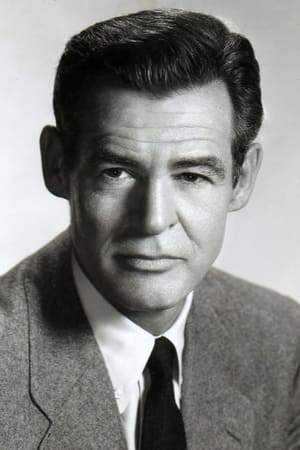
Joe Connors (Robert Ryan)
Played by Robert Ryan
A seasoned bombardier whose quiet reliability helps uncover a spy and reinforce trust in the bombsight program. He demonstrates loyalty to the training mission and teamwork under pressure. Connors stays true to his post, ultimately sacrificing himself to destroy the enemy's access to the bombsight.
- 🎯 Bomber
- 🛡️ Loyal
- 💀 Sacrifice
- BO
Buck Oliver (Randolph Scott)
Played by Randolph Scott
A bold, skilled pilot with a magnetic presence and a complicated history with Burt. His confidence is tested by near-misses and tragedy, and he ultimately joins a fateful night mission with the Nagoya target in his sights. He sacrifices himself in the mission, knowing he will pay the ultimate price.
- 🎖️ Pilot
- 💔 Romance
- 🔥 Sacrifice
- BH
Burton Hughes (Anne Shirley)
Played by Anne Shirley
Burt is a capable secretary and the daughter of a respected Air Corps general. She observes the brusque side of Davis and navigates romance with Buck, ultimately choosing Jim Carter and asserting her own agency amid a male-dominated environment.
- 💼 Secretary
- 💖 Romance
- JC
Jim Carter (Walter Reed)
Played by Walter Reed
Cadet Jim Carter earns respect through courage and loyalty. He crashes and survives a perilous flight, becomes a focal point of Burt’s affections, and stands as a steady, dependable ally in the group. His presence underscores teamwork and personal growth under stress.
- 🧭 Pilot
- 🤝 Friend
-
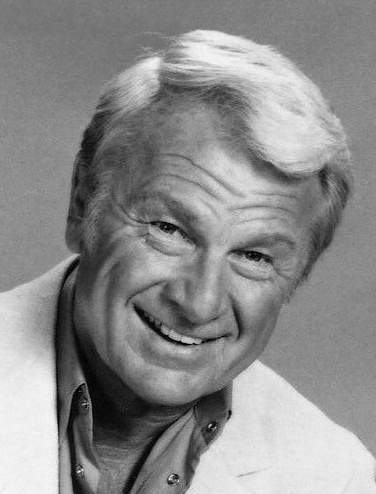
Tom Hughes (Eddie Albert)
Played by Eddie Albert
Burt’s brother, a cadet who battles fear and air sickness. He initially panics but earns a second chance through perseverance and honesty, illustrating the theme of redemption through discipline and support from comrades.
- 🧭 Cadet
- 😨 Fear
- AD
Archie Dixon (Barton MacLane)
Played by Barton MacLane
A dependable tailgunner whose loyalty and steadiness help the crew endure escalating danger. He dies heroically during the Nagoya mission while trying to support the group and ensure the mission’s success.
- 🎯 Tailgunner
- 🛡️ Loyal
- CR
Chito Rafferty (Richard Martin)
Played by Richard Martin
A witty, roguish cadet who observes base life with humor and insight. He keeps morale up and serves as a relatable figure amid the intensity of training and deployment.
- 🎭 Sidekick
- 🗣️ Quick-witted
-

Chick Davis (Pat O'Brien)
Played by Pat O'Brien
The brusque, driven instructor who argues the bombsight is the spearhead of air power. He shapes cadets’ discipline, ultimately rising to group leadership as the war expands. His mentorship underpins the trainees’ confidence and resolve.
- 🎖️ Leader
- 🧠 Strategist
Where and When Is Bombardier Set?
Bombardier is set in Washington, D.C., Air Corps bombardier training base, Nagoya and Japan (Early 1940s (World War II)). Here is why the time and place matter to the story.
When
Early 1940s (World War II)
The story unfolds during the early years of World War II, beginning with pre-war debates on airpower and progressing through the United States’ entry into the war after Pearl Harbor. It follows cadet training turning into frontline combat, reflecting the rapid mobilization of American air power. The sequence culminates in a night attack over Nagoya, tying training to decisive action.
Where
Washington, D.C., Air Corps bombardier training base, Nagoya, Japan
The film traces key wartime locations from the U.S. capital where strategy is formed to a modern bombardier training school, and finally to a Pacific base and the Nagoya target. It highlights the contrast between bureaucratic centers and frontline training facilities. The Nagoya mission anchors the narrative in a real-world theater of war, showing how distant battlefields reach back to home front decisions.
- 🏛️ Government hub
- 🎯 Training ground
- 🌏 Pacific theater
What Are the Themes of Bombardier?
4 ideas the story keeps returning to, among them Duty, Romance and Bravery.
-
01
Duty
Duty drives the cadets and pilots, shaping their choices more than personal desire. The characters are tested to put mission ahead of comfort, status, or romance. The narrative continually returns to the idea that taking the hard, responsible path is what marks true leadership. Sacrifices along the way underscore the cost of service.
-
02
Romance
Romantic tensions thread through the base, complicating friendships and professional boundaries. Burt’s relationships with Buck and Jim Carter reveal how affection interacts with duty under pressure. The story uses these affections to humanize the soldiers and highlight personal stakes amid training and war. By the end, affection collides with sacrifice and loyalty.
-
03
Bravery
Bravery emerges in moments of crisis—panicked cadets learning to act, comrades risking their lives to save a mission, and commanders making hard calls under fire. The final Nagoya mission crystallizes the selflessness required to prevail in war. Each death or near-death moment reinforces the high price of courage. The film frames bravery as collective as well as individual.
-
04
Innovation
The bombsight represents cutting-edge technology that could redefine air warfare. The narrative centers on how new tools must be learned, trusted, and deployed under pressure. The training school functions as the proving ground for turning theory into lethal effectiveness. The film casts innovation as essential but not sufficient without discipline and resolve.
What Kind of Film Is Bombardier?
Tense in tone, with steady pacing and a straightforward story, going by the plot summary.
- Tone
- Tense
- Pacing
- Steady
- Story
- Straightforward
- Intensity
- High
- Ending
- Bittersweet
A tense and grim wartime drama that follows the rigorous training and personal sacrifices of B-17 bombardiers, culminating in a high-stakes, destructive bombing mission where heroism comes at a heavy, personal cost.
- tense
- grim
- heroic
- sacrificial
- suspenseful
- anxious
- war training
- military discipline
- self sacrifice
- bombing mission
Content notes: war violence, torture, execution, death of a comrade.
Quiz
How well do you remember Bombardier? Test yourself on the story.
Where to Watch Bombardier
Rent or buy it from Amazon Video and Apple TV Store. US availability and prices from JustWatch.





Streaming availability in the US, powered by