What Is Midway About?
The premise of Midway in 326 words, with nothing given away. The full story follows below.
In the summer of 1942, the Pacific teeters on the brink of a monumental clash that could redraw the map of the world. The film opens against a backdrop of tense diplomatic corridors and sprawling naval bases, where whispers of hidden oil reserves and secret codes fill the air. The atmosphere is a mix of gritty realism and soaring wartime optimism, painted with the muted colors of steel‑gray ships and the stark blue of the ocean, while an undercurrent of urgency hints at the stakes that lie ahead.
At the heart of the story is Edwin T. Layton, a diligent intelligence officer whose quiet determination drives him to piece together fragments of intercepted messages. He finds an uneasy ally in Admiral Chester W. Nimitz, newly thrust into command of a battered fleet, whose steady resolve masks the weight of an entire nation on his shoulders. Alongside them, Lieutenant Commander Wade McClusky brings the daring instincts of a carrier pilot, navigating the razor‑thin line between boldness and recklessness. Their interactions are a study in contrasting leadership styles—Layton’s methodical analysis, Nimitz’s strategic patience, and McClusky’s instinctual daring—each shaping the emerging narrative.
Opposite them, the Japanese command is embodied by Isoroku Yamamoto, a shrewd strategist aware of the delicate balance of supply and power. His decisions echo across the ocean, affecting the morale and choices of both sides. Meanwhile, Joseph Rochefort and his team of cryptologists labor in shadowy rooms, turning cryptic chatter into actionable insight. The film captures the tension between the relentless march of technology—radar, code‑breaking machines, and aircraft carriers—and the human element of courage, doubt, and camaraderie.
Through sweeping vistas of carrier decks, cramped briefing rooms, and the endless horizon, the movie sets a tone of solemn grandeur punctuated by moments of quiet humor among the crew. It invites the audience to feel the weight of history while rooting for the individuals who, despite overwhelming odds, strive to protect a world on the edge of upheaval.
What Happens in Midway?
The complete story of Midway, from the first scene to the last, in 664 words (about 3 minutes). Spoilers throughout. Names in the text link to 10 cast member pages.
Spoilers ahead
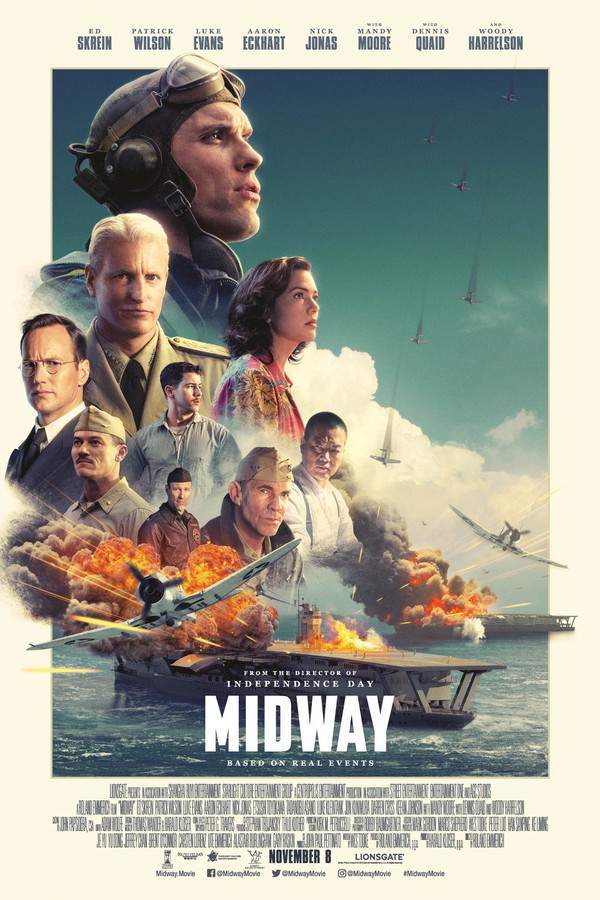
In 1937, just years prior to the onset of World War II, a crucial conversation unfolds between the US Naval attache in Tokyo and his Japanese counterpart at a pivotal state function. During this meeting, Isoroku Yamamoto (Etsushi Toyokawa), the Commander-in-chief of the Combined Fleet, discreetly warns Edwin T. Layton (Patrick Wilson), an intelligence officer for the US Pacific Fleet, that Japan will take decisive action if their oil supplies are jeopardized.
On December 7, 1941, the Japanese fleet launches a devastating assault on Pearl Harbor, marking the United States’ entry into World War II. In the wake of this catastrophic event, a shake-up in command occurs at Pearl Harbor, as Admiral Chester W. Nimitz (Woody Harrelson) is appointed commander of the severely damaged US Pacific Fleet. Later, Layton confronts Nimitz regarding his inability to alert Washington about the imminent attack, and Nimitz urges him to remain resolute in the face of challenges from command to prevent a repeat of such a surprise onslaught.
Meanwhile, Lieutenant Commander Wade McClusky (Luke Evans) finds himself onboard the USS Enterprise, stationed 170 miles from Pearl Harbor that fateful morning. Fortunately, this strategic positioning spares the carrier fleet from the initial wave of the Japanese attack, thus thwarting their objective to eliminate the US carriers. Among the crew are notable personnel such as Bruno Gaido (Nick Jonas), Lieutenant Clarence Earle Dickinson (Luke Kleintank), Ensign Willie West (Jake Manley), and others.
As the battle rages on, Lieutenant Roy Pearce ([Alexander Ludwig]) stands as the watch officer of the USS Arizona, bravely met with demise amidst the destruction of his ship. In contrast, Vice Admiral William “Bull” Halsey ([Dennis Quaid]) swiftly tracks Japanese carrier movements, grappling with the challenge of pinning down their locations as intelligence reports reveal a full-scale assault from the Japanese fleet.
The Japanese naval leaders express frustration over missed opportunities; Yamamoto is particularly upset with Vice Admiral Chuichi Nagumo ([Jun Kunimura]), who elected not to obliterate the oil tankers at Pearl Harbor, a decision that could have significantly hindered US operations for an extended period.
Transitioning to February 1st, Nimitz propels Halsey’s battle group to assault Japanese positions at the Marshall Islands. Despite being outnumbered and suffering from supply issues, the brave pilots deliver significant damage to Japanese forces. A daring act by Machinist Bruno Gaido helps repel a kamikaze strike, showcasing the resilience of American forces.
In April 1942, post the Doolittle Raid, led by Lieutenant Colonel Jimmy Doolittle (Aaron Eckhart), the Japanese focus shifts towards the Coral Sea. Tensions mount as information leaks concerning the Japanese naval fleet’s movements; cryptologists under Joseph Rochefort (Brennan Brown) start intercepting critical communications tied to a location referred to as “AF”. Layton suspects that this target is in fact Midway Atoll, challenging Washington’s belief that it could be an Aleutian site.
On June 4, the Japanese launch an all-out air assault on Midway. The initial attempts by US land-based aircraft yield no successes, but a US submarine pinpoints a Japanese carrier, albeit missing the shot. As the battle unfolds, C. Wade McClusky leads a drastic offensive against the Japanese fleet, resulting in the destruction of key carriers.
Eventually, amidst heavy combat intelligence, Lieutenant Richard “Dick” Best (Ed Skrein), the executive officer of Bombing Squadron Six, musters a group of remaining pilots to target Hiryu. A crucial hit by Best ensures the destruction of the last Japanese carrier, causing Admiral Yamamoto to order a retreat, effectively ending the brutal Battle of Midway.
In the aftermath, intelligence intercepts confirm Japan’s withdrawal, leading to a pivotal victory for the United States. The narrative culminates with Nimitz’s momentous arrival in Tokyo Bay to accept the Japanese surrender on September 2nd, 1945. The fates of those involved unfold, revealing the consequences of war, including the tragic aftermath faced by those who supported Doolittle’s escape and the legacy of the young pilots like Best, who would never again take to the skies due to a battle with TB, becoming legendary for his unprecedented strike.
Midway Timeline: Every Key Event in Order
15 key events in the order they happen, from “US Naval Meeting in Tokyo” to “Japanese Surrender in Tokyo Bay”. 11 events name a place, across 8 locations.
- 1
US Naval Meeting in Tokyo
In 1937, a significant conversation occurs between Edwin T. Layton, a US Naval attache, and Isoroku Yamamoto, the Commander-in-chief of the Combined Fleet of Japan. Yamamoto discreetly warns Layton about Japan's potential actions if their oil supplies are threatened, foreshadowing the tensions that will escalate into war.
When:1937 Where:Tokyo
- 2
Attack on Pearl Harbor
On December 7, 1941, the Japanese fleet launches a surprise attack on Pearl Harbor, which serves as the catalyst for the United States' entry into World War II. This devastating assault leads to significant losses in both personnel and equipment, dramatically altering the course of the conflict.
When:December 7, 1941 Where:Pearl Harbor
- 3
Nimitz Takes Command
In the aftermath of the Pearl Harbor attack, Admiral Chester W. Nimitz is appointed commander of the severely damaged US Pacific Fleet. He faces immediate challenges and consultations with Layton, who questions the communication failures that allowed the attack to occur.
Where:Pearl Harbor
- 4
USS Enterprise Evades Attack
Lieutenant Commander Wade McClusky is aboard the USS Enterprise, which is stationed 170 miles away from Pearl Harbor during the attack. This fortunate positioning spares the carrier fleet from destruction and allows it to play a critical role in subsequent operations.
Where:USS Enterprise
- 5
Destruction of USS Arizona
As the battle ensues, Lieutenant Roy Pearce, the watch officer of the USS Arizona, tragically loses his life amidst the catastrophic explosions that devastate his ship. His sacrifice is emblematic of the bravery exhibited by many in the face of overwhelming adversity.
Where:USS Arizona
- 6
Halsey Monitors Japanese Carriers
Vice Admiral William 'Bull' Halsey works swiftly to track the movements of Japanese carriers. His efforts are hampered by intelligence challenges as reports indicate that the Japanese fleet is launching full-scale assaults from multiple locations.
- 7
Yamamoto's Frustration
In Japan, naval leaders, including Yamamoto, express frustration over missed military opportunities. Yamamoto is particularly dismayed by Vice Admiral Chuichi Nagumo's decision not to destroy the oil tankers at Pearl Harbor, which could have severely crippled US naval capabilities.
- 8
Nimitz's Offensive at Marshall Islands
On February 1st, Nimitz commands Halsey's battle group to assault Japanese positions at the Marshall Islands. Despite facing numerical disadvantages and supply issues, American pilots managed to inflict significant damage to Japanese forces, showcasing their resilience.
When:February 1, 1942 Where:Marshall Islands
- 9
The Doolittle Raid
By April 1942, the strategic focus shifts following the successful Doolittle Raid led by Lieutenant Colonel Jimmy Doolittle. This operation marks a significant morale boost for the US and shifts Japanese attention towards the Coral Sea and subsequently to Midway.
When:April 1942 Where:Coral Sea
- 10
Intelligence Breakthrough
Cryptologists under Joseph Rochefort start intercepting crucial Japanese communications linking to a location known as 'AF'. Layton suspects that this refers to Midway Atoll, challenging assumptions that it could be a different site, essential for anticipating Japanese movements.
Show the other 5 events of Midway Hide the last 5 events
- 11
Battle of Midway Begins
On June 4, the Japanese initiate a full-scale aerial assault on Midway. While initial attacks by US land-based aircraft are met with limited success, intelligence and determination set the stage for a turning point in the Pacific Theater.
When:June 4, 1942 Where:Midway
- 12
McClusky's Offensive Strategy
As the battle progresses, C. Wade McClusky leads a daring offensive against the Japanese fleet. His leadership results in the destruction of vital carrier ships, significantly weakening Japanese naval capabilities in the conflict.
Where:Midway
- 13
Best's Strike on Hiryu
Lieutenant Richard 'Dick' Best rallies remaining pilots to strike the Japanese carrier Hiryu. His successful attack leads to a critical hit that ensures the destruction of the last remaining Japanese carrier during the battle.
Where:Midway
- 14
Yamamoto's Retreat Order
Following significant losses, Admiral Yamamoto orders a retreat for Japanese forces, marking the end of the fierce Battle of Midway. This decision symbolizes a pivotal moment in the Pacific War, altering the balance of power.
- 15
Japanese Surrender in Tokyo Bay
On September 2, 1945, Nimitz arrives in Tokyo Bay to formally accept the Japanese surrender, bringing an end to World War II in the Pacific. The aftermath reveals both the triumphs and tragedies faced by those involved in the war, forever changing the lives of many.
When:September 2, 1945 Where:Tokyo Bay
Who Are the Main Characters in Midway?
4 characters, among them Dick Best, Wade McClusky and Jimmy Doolittle: who each one is and the part they play in the story. Every profile links to the actor’s page.
-

Dick Best
Played by Ed Skrein
Lieutenant Richard 'Dick' Best is a skilled and determined pilot serving as the executive officer of Bombing Squadron Six. He is portrayed as courageous, leading his fellow pilots into crucial battles and making split-second decisions that impact the outcome of the war. Best's tenacity and commitment to his mission are evident, particularly when targeting enemy carriers.
- 🛩️ Pilots
- 💪 Determination
- 🎖️ Leadership
-
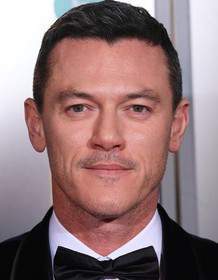
Wade McClusky
Played by Luke Evans
Lieutenant Commander Wade McClusky is noted for his strategic mindset while commanding a vital fleet operation during the Battle of Midway. He demonstrates strong leadership and tactical skills, quickly adapting to the evolving battlefield conditions. McClusky's decisive actions contribute significantly to the American victory in the Pacific.
- 🛩️ Pilots
- 🧠 Strategy
- ⚓ Command
-

Jimmy Doolittle
Played by Aaron Eckhart
Lieutenant Colonel Jimmy Doolittle is a pioneering aviator and leader of the famous Doolittle Raid. He represents the American spirit of innovation and bravery, orchestrating a daring attack that boosts morale after the Pearl Harbor attack. Doolittle's character embodies resilience and determination in bringing the fight to the Japanese homeland.
- 🛩️ Aviation
- 💪 Leadership
- 🎖️ Heroism
-
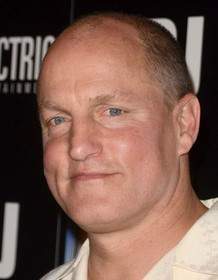
Chester W. Nimitz
Played by Woody Harrelson
Admiral Chester W. Nimitz is a key figure in the U.S. Navy during World War II, taking command of the Pacific Fleet after Pearl Harbor. He is portrayed as a resolute leader, navigating the complex military landscape with wisdom and strategic foresight. Nimitz's determination to overcome challenges is a central element of the narrative.
- ⚓ Command
- 🎖️ Leadership
- 🌎 Strategy
Where and When Is Midway Set?
Midway is set in Pearl Harbor, Midway Atoll, Marshall Islands and Tokyo Bay (1937 - 1945). Here is why the time and place matter to the story.
When
1937 - 1945
The film unfolds from 1937 to 1945, a critical period leading up to and during World War II. This era witnessed the rise of military conflicts, with the United States becoming increasingly involved in global affairs after the attack on Pearl Harbor. The eventual victory for the Allies marked a turning point in history and altered the global political landscape.
Where
Pearl Harbor, Midway Atoll, Marshall Islands, Tokyo Bay
Pearl Harbor is a U.S. naval base located in Hawaii, known for the surprise attack by the Japanese on December 7, 1941. Midway Atoll is a strategic point in the Pacific and the site of a crucial battle that changed the tide of World War II. The Marshall Islands are a group of islands that played a significant role during the Pacific campaign, while Tokyo Bay is historically significant as the site of Japan's surrender.
- 🏝️ Islands
- 🏙️ Cities
- 🌊 Naval Bases
What Are the Themes of Midway?
3 ideas the story keeps returning to, among them Courage, Strategy and Sacrifice.
-
01
Courage
Courage plays a vital role in 'Midway,' showcasing the bravery of soldiers as they face overwhelming odds during the war. The characters demonstrate valor in combat and resilience under pressure, embodying the spirit of those who fought for their country. Their actions not only impact their fates but also contribute to the larger victory in the Pacific theater.
-
02
Strategy
'Midway' highlights the critical importance of strategy in warfare. The film illustrates how intelligence, often gathered through cryptology, influenced military decisions and outcomes. The coordination of attacks and the ability to outmaneuver the enemy are shown as essential components that determined the success of the American forces.
-
03
Sacrifice
The theme of sacrifice is prevalent throughout the movie as characters face life-and-death decisions for the greater good. Many pilots and commanders put their lives on the line to protect their comrades and their country, illustrating the personal costs of war. The emotional weight of their sacrifices is felt deeply in the narrative.
What Kind of Film Is Midway?
Tense in tone, with fast pacing and a moderate story, going by the plot summary.
- Tone
- Tense
- Pacing
- Fast
- Story
- Moderate
- Intensity
- High
- Ending
- Bittersweet
An intensely gripping and fast-paced war film that immerses viewers in the high-stakes suspense and tragic sacrifices of the pivotal Battle of Midway, balancing harrowing combat with a sense of hard-won patriotic victory.
- tense
- gripping
- patriotic
- suspenseful
- grim
- hopeful
- war strategies
- naval battles
- military leadership
- courage under fire
Content notes: war violence, death of soldiers, ship sinking, bombing, kamikaze attack.
Quiz
How well do you remember Midway? Test yourself on the story.
Where to Watch Midway
Stream it on Angel Studios and Lionsgate+, or rent or buy it from Amazon Video and Apple TV Store. US availability and prices from JustWatch.
 Angel Studios
  Lionsgate+ Amazon Channel
  YouTube Free






Streaming availability in the US, powered by