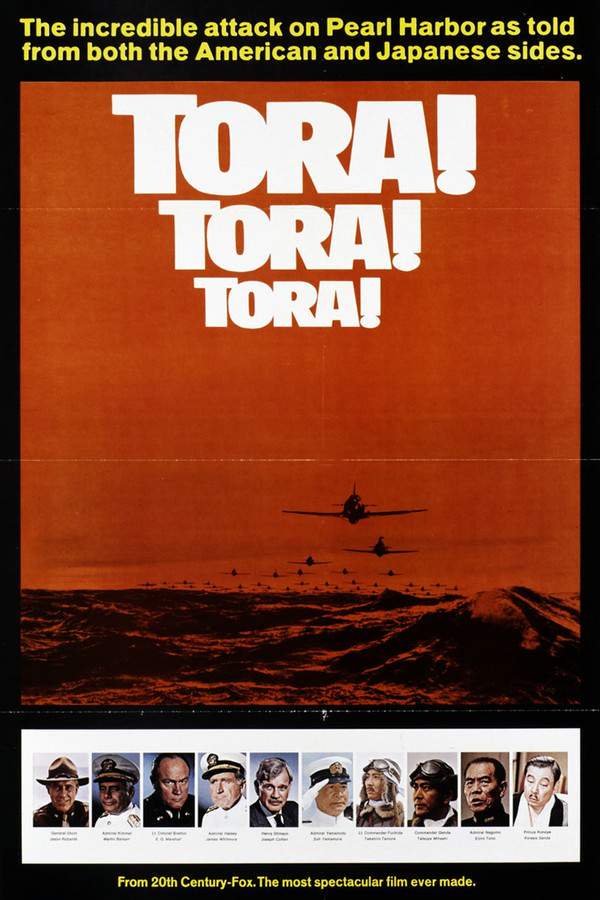
What Is Tora! Tora! Tora! About?
The premise of Tora! Tora! Tora! in 303 words, with nothing given away. The full story follows below.
In 1941 the world teeters on the brink of a new global clash, and the Pacific becomes a chessboard of uneasy power plays. An American embargo chokes a resource‑starved nation, while diplomatic channels grow thin and fraught with mistrust. Against this backdrop, the film immerses the audience in a meticulously rendered pre‑war atmosphere, where every conversation is heavy with the weight of impending consequence and the ever‑present hum of aircraft over distant oceans.
Isoroku Yamamoto steps into the story as the newly appointed commander of Japan’s Combined Fleet, carrying the burden of a nation desperate to secure its future. He is haunted by the knowledge that only a bold, decisive move could tilt the balance, and he leans on the strategic brilliance of Minoru Genda, an Air Staff officer whose innovative ideas push the limits of what seems possible. Their collaboration is a study in quiet determination, juxtaposing calculated risk with an almost reverential respect for the lives that hinge on their plans.
Across the ocean, Admiral Husband Kimmel and General Walter C. Short grapple with their own set of challenges. Charged with safeguarding a key naval installation, they navigate a maze of intelligence reports, bureaucratic hesitation, and the ever‑changing political directives from Washington. Their efforts are portrayed with a tense, methodical rhythm, highlighting the gap between awareness and action that defines the era’s uneasy peace.
The film’s tone blends stark realism with a palpable sense of dread, using sweeping vistas of harbors and carrier decks to underscore the looming uncertainty. Cinematic composition and a restrained score keep viewers on edge, inviting them to feel the pressure mounting in the rooms where strategy is forged. As alliances shift and the clock ticks toward an unknown horizon, the story promises a compelling exploration of duty, ambition, and the fragile line between preparation and catastrophe.
What Happens in Tora! Tora! Tora!?
The complete story of Tora! Tora! Tora!, from the first scene to the last, in 752 words (about 3 minutes). Spoilers throughout. Names in the text link to 2 cast member pages.
Spoilers ahead
Tokyo, 1941. Amid the chaos of World War II engulfing Europe, a significant change-of-command ceremony occurs aboard the Japanese battleship Nagato, which serves as the flagship for Admiral Isoroku Yamamoto](/actor/s-yamamura), the newly appointed Commander-in-Chief of the Combined Fleet. As he takes over from the outgoing Fleet Admiral Zengo Yoshida, a tense conversation unfolds between them in Yoshida’s cabin. They discuss the severe ramifications of America’s trade embargo that restricts Japan’s access to essential resources like oil, a situation worsened by Japan’s ongoing war in China since 1937. Despite their mutual understanding that a conflict with the United States would be disastrous, a meeting convened by Prime Minister Fumimaro Konoye ultimately leads to a consensus among key figures, including Foreign Minister Yosuke Matsuoka and the volatile War Minister General Hideki Tojo, to prepare for an attack on the U.S.
With tensions mounting, Yamamoto grows increasingly wary as Japan aligns itself with Nazi Germany and Fascist Italy by signing the Tripartite Pact. He believes that launching a surprise attack is the only way to ensure Japan’s survival against a potentially overwhelming American force. His fears are corroborated when he contemplates a bold preemptive strike aimed at annihilating the American Pacific fleet immediately to gain the upper hand in what could only be a short-lived yet fierce conflict.
In Japan, the military commands deliberate on the feasibility of striking Pearl Harbor. Recognizing its depth, they devise innovative solutions to bypass American defenses, such as modifying aerial torpedoes. Meanwhile, the Americans experience a crucial intelligence breakthrough by deciphering the Japanese Purple Code, allowing them to intercept and understand previously hidden communications. Unfortunately, their response is alarmingly slow, leaving them unprepared for the impending disaster.
As preparations are made, Admiral Husband Kimmel and General Walter C. Short make desperate attempts to fortify Pearl Harbor, but despite their diligence, lapses in intelligence reporting hinder effective defense. The situation becomes dire as Yamamoto, reflecting a portion of Japan’s military perspective, acknowledges the enormous challenges that lie ahead even if they succeed in destroying the U.S. fleet. Washington’s diplomatic tensions amplify as the clock ticks toward December 7.
On that fateful Sunday, December 7, 1941, while decision-makers in Washington indulge in leisurely activities, American intelligence scrambles to decipher the incoming coded messages. Urgent warnings go unheeded, and unanticipated movements by Japanese forces catch the U.S. Navy completely off guard. Just prior to the attack, a reconnaissance mission by the American destroyer USS Ward uncovers and sinks a Japanese midget submarine attempting to infiltrate Pearl Harbor. However, rather than spurring an immediate alert, it is met with bureaucratic apathy.
With the Japanese fleet nearing its target, a series of unfortunate misunderstandings lead to a delay in communication, giving Japanese aviators the element of surprise. As the attack commences, the sheer destruction unleashed decimates American aerial defenses, with critical aircraft destroyed on the ground while soldiers scramble to respond to what they initially perceive as a drill. The chaos unfolds as the Japanese commander’s voice echoes the fateful code “Tora, Tora, Tora,” signaling complete surprise.
Even amidst the devastation, there are tales of heroism, like that of Doris Miller, an African-American sailor who valiantly operates a machine gun despite the limitations imposed on him due to racial discrimination. Simultaneously, American pilots Ken Taylor and George Welch manage to take off and join the fray, shooting down several enemy planes against overwhelming odds.
As the carnage persists, a monumental blow is dealt to the U.S. fleet with a bomb landing on the USS Arizona, triggering a catastrophic explosion that further complicates rescue operations. In a twist of fate, the Japanese commanders, despite their success, make a critical decision not to execute a third wave of attacks that could have ensured America’s prolonged military disadvantage.
Back in Washington, the dawning realization of the magnitude of the attack leaves U.S. leaders, including Secretary of State Cordell Hull, in disbelief. As the Japanese ambassador arrives with an ultimatum, they are met with a cold reception, cementing the irrevocable shift toward open conflict.
Amidst the rubble and flames at Pearl Harbor, the U.S. aircraft carrier USS Enterprise arrives, witnessing the catastrophic impacts of the earlier assault. In Japan, Admiral Yamamoto reflects on the consequences of their actions, famously noting, > “I fear all we have done is to awaken a sleeping giant and fill him with a terrible resolve.”
As the closing credits roll, the devastation inflicted on the American fleet serves as a haunting reminder of the shocking unpreparedness faced by the nation on that historic day.
Tora! Tora! Tora! Timeline: Every Key Event in Order
15 key events in the order they happen, from “Change of Command at Nagato” to “Reactions in Washington”. 15 events name a place, across 6 locations.
- 1
Change of Command at Nagato
In Tokyo, aboard the battleship Nagato, a significant change-of-command ceremony takes place. Admiral Isoroku Yamamoto assumes his new role as Commander-in-Chief of the Combined Fleet, taking over from Fleet Admiral Zengo Yoshida amidst the backdrop of World War II.
When:1941 Where:Tokyo, Japan
- 2
Discussion of Trade Embargo
During a tense conversation between Yamamoto and Yoshida, they discuss the critical implications of America's trade embargo. This embargo restricts Japan's access to vital resources like oil and exacerbates the struggles arising from Japan's ongoing conflict in China.
Where:Nagato, Japan
- 3
Consensus for Conflict
A meeting convened by Prime Minister Fumimaro Konoye leads to a consensus among top officials, including Foreign Minister Yosuke Matsuoka and War Minister General Hideki Tojo. They decide that Japan must prepare for an attack on the United States, despite the catastrophic potential of such a conflict.
Where:Japan
- 4
Signing the Tripartite Pact
In a bid to strengthen military alliances, Japan signs the Tripartite Pact with Nazi Germany and Fascist Italy. This alliance alarms Yamamoto, who begins to consider a surprise attack as the best strategy to survive against an increasingly powerful American force.
Where:Japan
- 5
Planning the Pearl Harbor Strike
Japanese military commands convene to discuss the feasibility of attacking Pearl Harbor. They innovate solutions, such as modifying aerial torpedoes, to bypass American defenses as they prepare for a decisive strike on the U.S. Navy.
Where:Japan
- 6
American Intelligence Breakthrough
The U.S. intelligence community experiences a breakthrough by deciphering the Japanese Purple Code, allowing them to intercept and understand critical Japanese communications. Unfortunately, despite this success, their response remains slow and unprepared for the inevitable attack.
Where:United States
- 7
Attempts to Fortify Pearl Harbor
As the date of the attack nears, Admiral Husband Kimmel and General Walter C. Short make desperate attempts to bolster Pearl Harbor's defenses. However, communication lapses and intelligence failures hinder their effectiveness, leaving the base vulnerable.
Where:Pearl Harbor, Hawaii
- 8
Coded Messages and Urgent Warnings
On December 7, 1941, while decision-makers in Washington are engaged in leisurely pursuits, American intelligence scrambles to decode incoming messages. Unfortunately, urgent warnings of the impending attack are overlooked, leading to a lack of preparedness.
When:December 7, 1941 Where:Washington, D.C.
- 9
USS Ward's Discovery
Just before the attack commences, the American destroyer USS Ward reveals a Japanese midget submarine attempting to breach Pearl Harbor. The submarine is sunk, but instead of triggering an alert, the incident meets bureaucratic indifference, leading to complacency.
Where:Pearl Harbor, Hawaii
- 10
The Attack Begins
As the Japanese fleet approaches, a series of miscommunications leads to a critical delay in American defenses. The attack starts with utter devastation as Japanese forces catch U.S. defenders completely off guard, with fighter planes destroyed on the ground and personnel unprepared.
Where:Pearl Harbor, Hawaii
Show the other 5 events of Tora! Tora! Tora! Hide the last 5 events
- 11
The Code 'Tora, Tora, Tora'
As the chaos unfolds during the attack on Pearl Harbor, the code 'Tora, Tora, Tora' is communicated among Japanese forces. This signals their complete surprise, leading to a rapid and overwhelming assault on American military installations.
Where:Pearl Harbor, Hawaii
- 12
Acts of Heroism
Amidst the turmoil, sailor Doris Miller performs an act of bravery by operating a machine gun despite the limitations placed on him due to racism. Additionally, pilots Ken Taylor and George Welch manage to take off and engage enemy planes, showcasing valiant efforts against overwhelming opposition.
Where:Pearl Harbor, Hawaii
- 13
Destruction of USS Arizona
A bomb lands on the USS Arizona, resulting in a catastrophic explosion that complicates rescue and recovery operations. The destruction highlights the severity of the attack and the heavy toll it takes on the U.S. fleet.
Where:Pearl Harbor, Hawaii
- 14
No Third Wave of Attack
In a critical decision, Japanese commanders choose not to launch a third wave of attacks, despite their earlier successes. This decision prevents them from fully crippling the American military, which could ensure Japan's long-term advantage.
Where:Japan
- 15
Reactions in Washington
Following the attack, U.S. leaders, including Secretary of State Cordell Hull, grapple with the shocking realization of the attack's enormity. As the Japanese ambassador arrives with an ultimatum, tensions rise, cementing the path towards open conflict.
Where:Washington, D.C.
Who Are the Main Characters in Tora! Tora! Tora!?
3 characters, among them Admiral Isoroku Yamamoto, Admiral Husband Kimmel and General Walter C. Short: who each one is and the part they play in the story. Every profile links to the actor’s page.
-
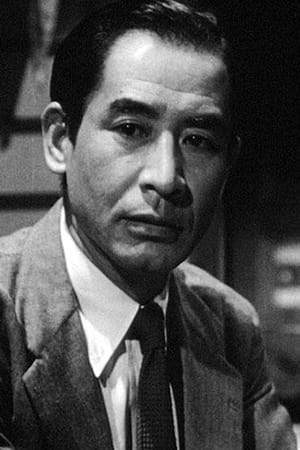
Admiral Isoroku Yamamoto
Played by Sô Yamamura
A strategic and introspective leader, Yamamoto is portrayed as a complex figure grappling with the consequences of Japan's military ambitions. Despite understanding the grave risks involved in attacking the U.S., he believes that a preemptive strike is essential for Japan's survival. His character reveals the internal conflicts faced by leaders during wartime.
- 🌍 Strategic Leader
- ⚖️ Complex Decisions
-
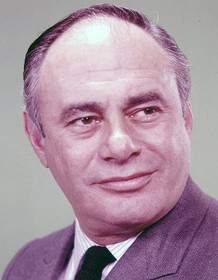
Admiral Husband Kimmel
Played by Martin Balsam
Tasked with defending Pearl Harbor, Admiral Kimmel exhibits determination amidst overwhelming odds. His character embodies the challenges of military leadership, particularly in the context of insufficient intelligence and a lack of preparedness. Kimmel's responses to the crisis reflect the frustrations faced by commanders during this pivotal moment.
- 🛡️ Determined Leader
- 📉 Underprepared
-
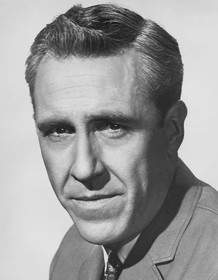
General Walter C. Short
Played by Jason Robards
General Short is portrayed as a diligent but beleaguered commander who faces immense pressure to safeguard Pearl Harbor. His character highlights the struggles of military leaders as they navigate uncertainty and the critical failures in communication that ultimately contribute to the disaster at Pearl Harbor.
- 🏅 Dedicated Soldier
- 🚨 Crisis Management
Where and When Is Tora! Tora! Tora! Set?
Tora! Tora! Tora! is set in Tokyo and Pearl Harbor (1941). Here is why the time and place matter to the story.
When
1941
The year 1941 was crucial as it marked the escalation of World War II, with major powers like Japan and the United States on a collision course. The events leading up to December 7 saw Japan's military strategizing in the context of global conflict, culminating in the infamous attack that would shift the world's balance.
Where
Tokyo, Pearl Harbor
Tokyo serves as a significant backdrop for Japan's military leadership during World War II, illustrating the strategic deliberations that led to the attack on Pearl Harbor. Pearl Harbor itself is known for being the site of a devastating surprise military strike by the Japanese Navy, marking a pivotal moment in U.S. history and igniting American involvement in the war.
- 🏯 Historical Site
- 🌊 Military Base
What Are the Themes of Tora! Tora! Tora!?
3 ideas the story keeps returning to, among them Conflict, Time and Preparedness and Heroism.
-
01
Conflict
Conflict is a central theme, underscoring the tensions between Japan and the United States amid the backdrop of World War II. The movie portrays the intricacies of military decision-making and the dire consequences that can arise from war planning. Ultimately, it highlights how ambition and strategy can lead to unforeseen devastation.
-
02
Time and Preparedness
The theme of time and preparedness reflects the catastrophic delays and miscommunications faced by American forces leading up to the Pearl Harbor attack. It illustrates the critical importance of readiness and the dangers of complacency, especially in the face of looming threats. The urgency of decisive action becomes painfully apparent as events unfold.
-
03
Heroism
Amidst the chaos of war, the theme of heroism shines through, exemplified by figures like Doris Miller, who defy societal limitations to fight for their country. This theme underscores the bravery of individuals in the face of adversity, as ordinary sailors become extraordinary heroes during the attack on Pearl Harbor.
What Kind of Film Is Tora! Tora! Tora!?
Tense in tone, with steady pacing and a moderate story, going by the plot summary.
- Tone
- Tense
- Pacing
- Steady
- Story
- Moderate
- Intensity
- High
- Ending
- Sad
A methodical and intensely tense historical war drama that chronicles the devastating failure of intelligence and diplomacy leading to the catastrophic surprise attack on Pearl Harbor, creating a feeling of grim inevitability and profound tragedy.
- tense
- somber
- foreboding
- anxious
- grim
- historical
- military strategy
- diplomatic failure
- surprise attack
- world war ii
Content notes: war violence, mass casualties, ship explosions, aerial bombardment.
Quiz
How well do you remember Tora! Tora! Tora!? Test yourself on the story.
Where to Watch Tora! Tora! Tora!
Stream it on Amazon Prime Video, or rent or buy it from Amazon Video and Apple TV Store. US availability and prices from JustWatch.
 Amazon Prime Video
  Amazon Prime Video with Ads




Streaming availability in the US, powered by