What Is Air Force About?
The premise of Air Force in 413 words, with nothing given away. The full story follows below.
In the quiet before the storm of the Pacific theater, a lone B‑17 bomber crews its way from the United States toward a world on the brink of collapse. The film opens with the aircraft’s departure from the West Coast, a routine flight that suddenly becomes a conduit for destiny as the crew learns that the Japanese attack on Pearl Harbor has thrust them into a conflict they never imagined. The tone is sober and unembellished, letting the stark reality of war’s sudden arrival settle over the audience like an early morning fog over the ocean.
The heart of the story lies in the tightly‑knit crew of the bomber. Master Sergeant Robbie White, the seasoned crew chief, carries the quiet weight of a father whose own son is already in the sky. Lieutenant Monk Hauser Jr. brings a legacy of heroism from his father’s World‑I service, a lineage that shapes his sense of duty. At the helm, Michael “Irish” Quincannon Sr. commands with a blend of hard‑won experience and calm authority, while his co‑pilot, Gig Young, offers a steadier hand when the workload intensifies. The meticulous bombardier Arthur Kennedy and the gritty gunner Joe Winocki round out the core, each bringing a distinct personality that sparks both friction and fellowship. A young fighter pilot, Thomas “Tex” Rader, and even the unit’s mascot, a small dog named Tripoli, join the flight, adding a human touch that reminds the crew of the lives waiting back home.
As the bomber pushes farther into hostile airspace, the film emphasizes the crew’s camaraderie, the pressure of operating an unfinished machine, and the looming uncertainty of a theater still largely uncharted. Their interactions are marked by quiet jokes, careful rituals, and an unspoken promise to watch each other’s backs. The atmosphere is one of restrained tension, where the vastness of the Pacific serves as both a backdrop and a character, amplifying the sense that every decision carries weight beyond the individual.
Through crisp cinematography and a measured narrative pace, the movie paints an intimate portrait of men and women bound together by duty, loss, and an earnest desire to turn the tide of history. Their shared journey, set against the roar of engines and the distant echo of conflict, invites the audience to feel the claustrophobic intimacy of life aboard a bomber while the world outside erupts in chaos. The story promises a blend of bravery and vulnerability, leaving viewers poised on the edge of a larger, unseen battle.
What Happens in Air Force?
The complete story of Air Force, from the first scene to the last, in 928 words (about 4 minutes). Spoilers throughout. Names in the text link to 5 cast member pages.
Spoilers ahead
On December 6, 1941, the Mary-Ann, a U.S. Army Air Corps B-17D, is ordered to fly a crucial mission from San Francisco to Hawaii alongside eight other Flying Fortresses. The crew is a tight-knit mix of seasoned veterans and rising officers, each carrying personal stakes into the flight. Master Sergeant Robbie White, the crew chief, is a long-time aviation man whose pride is shadowed by a personal loss—the fact that his son Danny is serving as an officer and fighter pilot. Beside him, the navigator, Lieutenant Monk Hauser Jr., is the son of a World War I hero from the Lafayette Escadrille, and his presence adds a weight of legacy and expectation to the mission as the crew charts a dangerous, untested course. The ship’s leadership also includes the pilot, Michael “Irish” Quincannon Sr., a seasoned flyer whose leadership will be tested in the crucible ahead, and the capable co-pilot, Gig Young, along with the meticulous bombardier, Arthur Kennedy. The gunner, Sergeant Joe Winocki John Garfield, carries simmering resentment from a past near-miss that nearly robbed him of his chance to fly.
The Mary-Ann and its sister aircraft push forward with full equipment and a hard-edged discipline, yet they’re missing ammunition—an ominous gap as they head toward the Pacific theater. The mission takes on a new urgency as they approach Hickam Field and encounter the early, chaotic tremors of a surprise attack at Pearl Harbor. The crew’s nerves tighten as the world suddenly pivots toward war in a way that few could have anticipated. The Mary-Ann reluctantly receives two extra passengers: a young fighter pilot, Lieutenant Thomas “Tex” Rader James Brown, and a small dog named Tripoli who serves as the Marines’ mascot on Wake Island. These additions bring new stakes and a human moment to the tense flight, reminding everyone aboard that this war will touch ordinary lives in unforeseen ways.
When they reach Clark Field in the Philippines, tragedy and resolve collide. White learns that his own son has fallen in aerial combat, a devastating blow that steels the crew with a grim determination. The Mary-Ann presses on, gallantly attacking a Japanese invasion fleet, but the onslaught of enemy fighters is relentless. The aircraft is forced to abort its assault after losing two engines, and the situation becomes even more dire when Quincannon, gravely wounded, orders his men to bail out before he blacks out. In a lone act of sheer resolve, Winocki remains at the controls to shepherd Mary-Ann through a perilous belly landing. The crew’s resilience is tested to the limit as they survive the crash-landing under enemy eyes, a moment that sets the stage for the desperate night that follows.
With the airfield under the threat of imminent capture, the crew works feverishly through the night to repair their battered bomber. They fashion makeshift repairs using parts cannibalized from damaged B-17s, a testament to ingenuity and the stubbornness that defines this crew. The plan is dangerous but necessary, and they brace themselves against the ever-looming danger as Japanese forces close in. A dramatic turn comes when Chester, an assistant radio operator who had volunteered to fly as a gunner in a two-seat observation plane, takes part in a perilous raid against the enemy. The mission goes awry: Chester bails out when the pilot is killed, but he is machine-gunned during his descent in a parachute and is fatally strafed on the ground, adding another personal tragedy to the mounting toll of the battle. Amid the chaos, Winocki and White manage to shoot down a Zero fighter and kill its pilot as the wreckage smolders, a small victory in a larger, overwhelming fight. The crew’s repairs and refueling are completed just as the Japanese launch a fresh onslaught, and they barely escape being overrun as Clark Field falls.
Their journey continues toward Australia, with Tex Rader stepping into the role of reluctant pilot and the wounded Williams stepping up as co-pilot. The Mary-Ann’s crew remains vigilant as they spot a Japanese invasion fleet below, responding with swift radio coordination to relay the fleet’s position and the approaching danger. They circle the enemy and wait for reinforcements, and when the moment comes, Mary-Ann leads a bold strike that devastates the invading fleet. This sequence is presented with such intensity that it echoes the ferocity and strategic impact of the historical Battle of the Coral Sea, a cinematic mirror of real events transpiring in the broader theater of war. The sense of sacrifice and teamwork is palpable as each member of the crew contributes to a mission that transcends personal risk, turning a perilous flight into a pivotal strike against an advancing force.
As the war rages on, the story returns to the broader arc of heroism and sacrifice: a bombing attack on Tokyo is announced to bomber crews, and among them are several familiar faces from Mary-Ann—Tex Rader among them, now serving as a B-17 pilot in his own right. The scene shifts to the men and women back at the airfields as President Roosevelt’s voice comes through in a voice-over, underscoring the unity of purpose that unites a nation and its air crews. The film closes on the collective resolve of the bomber crews as they head toward the rising sun, their paths intertwined with cattle-prodding courage, stubborn grit, and the quiet, stubborn hope that defines those who take to the skies in times of war. Throughout, the film maintains a restrained, matter-of-fact tone that honors the risks and sacrifices without falling into sensationalism, offering a clear, human portrait of courage under extraordinary pressure.
Air Force Timeline: Every Key Event in Order
10 key events in the order they happen, from “Mary-Ann departs San Francisco for Hawaii” to “Tokyo raid and Roosevelt's voiceover”. 10 events name a place, across 8 locations.
- 1
Mary-Ann departs San Francisco for Hawaii
On December 6, 1941, the B-17D Mary-Ann is ordered to fly from San Francisco to Hawaii with eight other Flying Fortresses. Master Sergeant Robbie White, a long-time crew chief, coordinates the mission alongside pilot Michael 'Irish' Quincannon, co-pilot Bill Williams, navigator Monk Hauser Jr., bombardier Tom McMartin and gunner Joe Winocki. The crew prepares for a long flight that will thrust them into the opening days of the war.
When:December 6, 1941 Where:San Francisco
- 2
Arrival amid Pearl Harbor attack
Mary-Ann and the formation reach Hawaii as the Japanese attack unfolds over Pearl Harbor. They land at Hickam Field and, exhausted from the flight, learn they must continue to Clark Field via Wake Island. The news of war is reinforced by radio broadcasts as America enters World War II.
When:December 7, 1941 Where:Hickam Field, Hawaii
- 3
Wake Island stopover for passengers
During the voyage toward Clark Field, Mary-Ann stops at Wake Island to pick up two passengers: fighter pilot Lt. Thomas 'Tex' Rader and the Marines' mascot Tripoli. The stopover takes place amid the escalating war in the Pacific. The crew remains focused on the next leg of the journey.
When:December 7-8, 1941 Where:Wake Island
- 4
Clark Field arrival and deadly news
The Mary-Ann arrives at Clark Field where Master Sergeant White learns his son was killed in aerial combat. The airfield is under strain as Japanese forces press in, and the crew steels themselves for the next fight. Quincannon, though wounded, orders the crew to prepare to bail out as the plane struggles to stay aloft.
When:December 1941 Where:Clark Field, Philippines
- 5
Attack on the invasion fleet and engine loss
Mary-Ann engages a Japanese invasion fleet but is swarmed by enemy fighters and forced to abort after losing two engines. Quincannon is fatally wounded and orders his men to bail out before collapsing. Winocki remains at the controls and pilots Mary-Ann to a successful belly landing.
When:December 1941 Where:Near Clark Field, Philippines
- 6
Night repair and salvage under bombardment
With the airfield under threat, the crew works feverishly through the night to repair Mary-Ann using parts from damaged B-17s. They manage to refuel and keep the wounded aircraft battle-ready as the Japanese close in. Chester, the assistant radio operator, volunteers to fly as gunner in a two-seat observation plane to reinforce their defenses.
When:Night of December 1941 Where:Clark Field vicinity
- 7
Chester’s fatal parachute escape
During an enemy air raid, the pilot is killed and Chester bails out of the observation plane. He is machine-gunned while descending in his parachute and is later fatally strafed on the ground. The loss underscores the peril facing the crew as they cling to Mary-Ann.
When:Night/late 1941 Where:Clark Field vicinity
- 8
Final repairs and airfield fall
Winocki and White shoot down a Zero fighter and kill the escaped pilot from the burning wreck. The crew finishes repairs and refueling just as Japanese forces overrun Clark Field. They prepare to depart toward Australia with Rader and Williams at the controls.
When:Late 1941 Where:Clark Field vicinity
- 9
Escape to Australia and the Coral Sea attack
En route to Australia, with Rader acting as reluctant pilot and Williams as co-pilot, the Mary-Ann spots a Japanese invasion fleet below. They radio the fleet’s position and circle until reinforcements arrive, leading to an attack that devastates the fleet. The sequence mirrors the real Battle of the Coral Sea.
When:May 1942 Where:Pacific, near Coral Sea
- 10
Tokyo raid and Roosevelt's voiceover
Later in the war, a bombing attack on Tokyo is announced to a roomful of bomber crews, including several Mary-Ann veterans who have moved into new roles. Lt Rader is shown as a B-17 pilot among them. President Roosevelt speaks in a voiceover as the armada heads toward the rising sun.
When:Late WWII Where:Over Japan / Tokyo
Who Are the Main Characters in Air Force?
5 characters, among them Joe Winocki (John Garfield), Tex Rader (James Brown) and Tom McMartin (Arthur Kennedy): who each one is and the part they play in the story. Every profile links to the actor’s page.
-
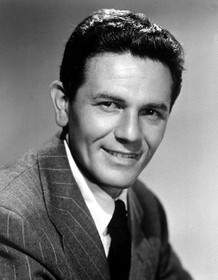
Joe Winocki (John Garfield)
Played by John Garfield
A disgruntled gunner who washed out of flight school after a 1938 mid-air collision that killed another cadet. He remains capable and steady, ultimately piloting Mary-Ann to a successful belly landing and playing a pivotal role during heavy enemy action.
- 🎖️ Veteran
- 🛡️ Steady
- 🧭 Precision
-
Tex Rader (James Brown)
Played by James Brown
A fighter pilot who accompanies Mary-Ann to Wake Island and later becomes the reluctant pilot for the journey toward Australia. He embodies cautious leadership and steadfast commitment under extreme pressure.
- 🛡️ Pilot
- 🎯 Focused
- 💪 Courage
-
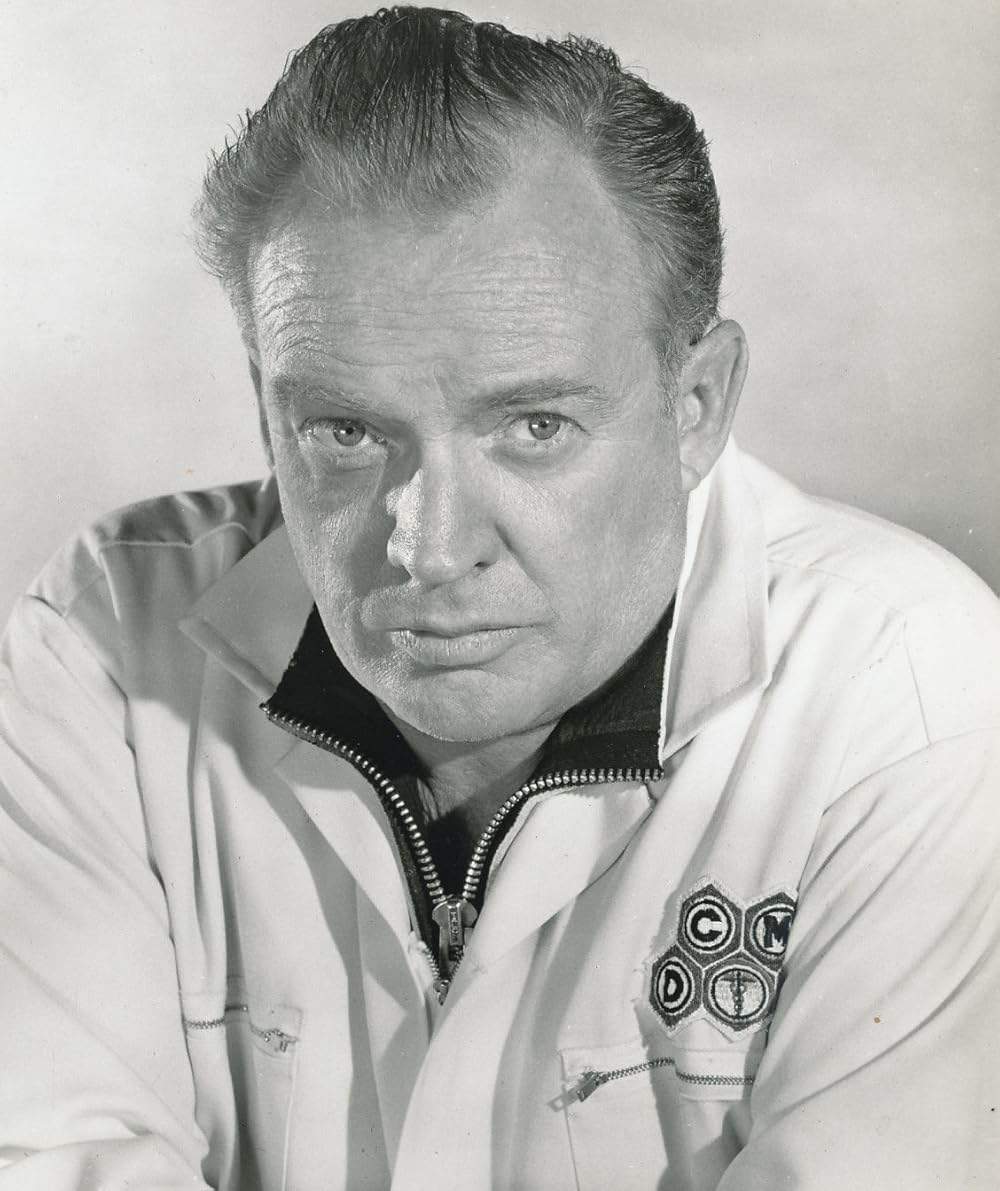
Tom McMartin (Arthur Kennedy)
Played by Arthur Kennedy
The bombardier aboard Mary-Ann, a crucial crew member during bombing runs. He contributes to the crew’s mission through his role in targeting and supporting the aircraft during tense operations.
- 🎯 Bombardier
- 🧰 Teamworker
- 🧭 Tactical
- CD
Charles Drake (Navigator)
Played by Charles Drake
The navigator of Mary-Ann, providing direction and strategic planning under pressure. He helps coordinate flight paths, supports decisions in crises, and keeps the crew focused during chaotic moments.
- 🧭 Navigator
- 🧠 Strategist
- 🗺️ Calm
-
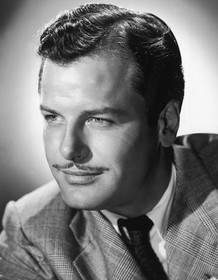
Gig Young (Co-Pilot)
Played by Gig Young
The co-pilot who shares the cockpit’s challenges and supports mission execution. He contributes to quick thinking, flight maneuvering, and crew coordination during emergencies.
- 🛩️ Copilot
- 🧰 Teamwork
- 🧭 Quick-thinking
Where and When Is Air Force Set?
Air Force is set in San Francisco, Hickam Field (Hawaii), Pearl Harbor, Clark Field (Philippines)… (1941–1942). Here is why the time and place matter to the story.
When
1941–1942
Set during the early years of World War II, the story opens with the Pearl Harbor attack and follows the rapid escalation of combat across the Pacific. The narrative spans multiple bases and battles, including a coral-sea–style engagement and a Tokyo raid, illustrating the tempo and stakes of wartime aviation in the early 1940s.
Where
San Francisco, Hickam Field (Hawaii), Pearl Harbor, Clark Field (Philippines), Wake Island, Australia, Tokyo
The film follows a U.S. Army Air Corps crew as they depart from San Francisco and travel across Pacific bases to Hawaii, the Philippines, and Wake Island. They become embroiled in the Pearl Harbor aftermath and continue toward Clark Field, then Wake Island, before pressing on to Australia and finally a bombing run over Tokyo. The geography shown reflects the wide reach of the Pacific war and the shifting frontlines.
- ❄️ War
- 🗺️ Islands
- 🚢 Military
- 🧭 History
What Are the Themes of Air Force?
3 ideas the story keeps returning to, among them Courage, Camaraderie and Sacrifice.
-
01
Courage
The crew faces life-threatening combat and mission-critical failures under intense pressure. Individual fears are overridden by duty as they push through dangerous repairs and perilous flight conditions. Moments of decisive action—like a bold belly landing and air-to-air combat—highlight personal bravery.
-
02
Camaraderie
A diverse crew relies on teamwork to survive and complete the mission. Pilots, gunners, bombardiers, and ground crew improvise under crisis, showing how collective trust and coordination can turn a perilous journey into a functioning unit.
-
03
Sacrifice
The story underscores losses endured in war, reminding viewers that victory often comes at a heavy price. Characters endure personal risk and grief while carrying on the mission for larger aims of defense and resilience.
What Kind of Film Is Air Force?
Tense in tone, with fast pacing and a straightforward story, going by the plot summary.
- Tone
- Tense
- Pacing
- Fast
- Story
- Straightforward
- Intensity
- High
- Ending
- Happy
A tense and fast-paced war drama that creates a gripping atmosphere of high-stakes survival, punctuated by tragic personal losses but ultimately driven by a determined sense of duty and collective resolve.
- tense
- gritty
- somber
- determined
- urgent
- camaraderie
- world war ii
- military camaraderie
- survival
- grief and loss
Content notes: war violence, character death, death of a child, graphic battle scenes.
Quiz
How well do you remember Air Force? Test yourself on the story.
Where to Watch Air Force
Stream it on Fawesome and IndieFlix, or rent or buy it from Amazon Video and Apple TV Store. US availability and prices from JustWatch.
Stream 5
 Fawesome
  IndieFlix
  IndieFlix Shorts Amazon Channel
  Plex
Plex  Plex Channel




Streaming availability in the US, powered by