
Air Force 1943


The crew of an Air Force bomber arrives at Pearl Harbor in the aftermath of the Japanese attack and is dispatched to Manila to aid the defense of the Philippines. Amid the early Pacific campaign, they fly dangerous sorties, confront enemy forces, and bond tightly as they fight to turn the tide of World War II.


Does Air Force have end credit scenes?
No!
Air Force does not have end credit scenes. You can leave when the credits roll.
Meet the Full Cast and Actors of Air Force
Explore the complete cast of Air Force, including both lead and supporting actors. Learn who plays each character, discover their past roles and achievements, and find out what makes this ensemble cast stand out in the world of film and television.
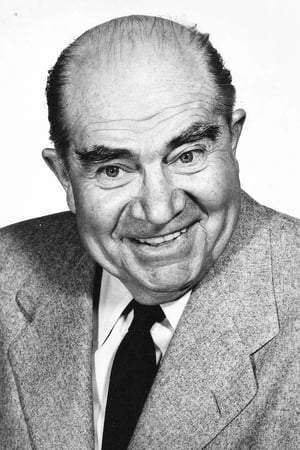
Edward Brophy
Marine Sgt. J.J. Callahan
James Brown
Pilot Tex Rader
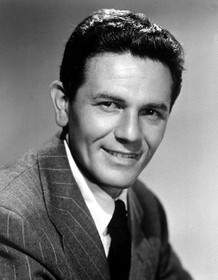
John Garfield
Tail Gunner Joe Winocki
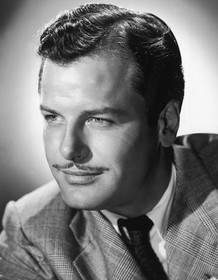
Gig Young
Co-Pilot
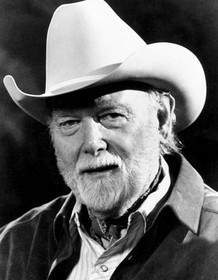
Harry Carey
Crew Chief
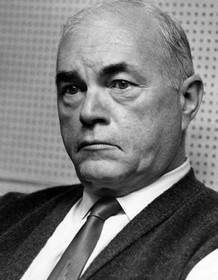
James Flavin
Maj. A.M. Bagley
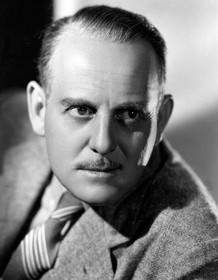
Moroni Olsen
Col. Blake

Harry Lewis
Undetermined Role (uncredited)
Bill Hunter
Marine (uncredited)
Dorothy Peterson
Mrs. Chester (uncredited)
Murray Alper
Butch - Demolition Squad Corporal (uncredited)
John Ridgely
Pilot
Walter Sande
Joe - Mechanic at Clark Field (uncredited)
Ann Doran
Mrs. Mary Quincannon (uncredited)
William Hopper
Sergeant (uncredited)
George Tobias
Asst. Crew Chief
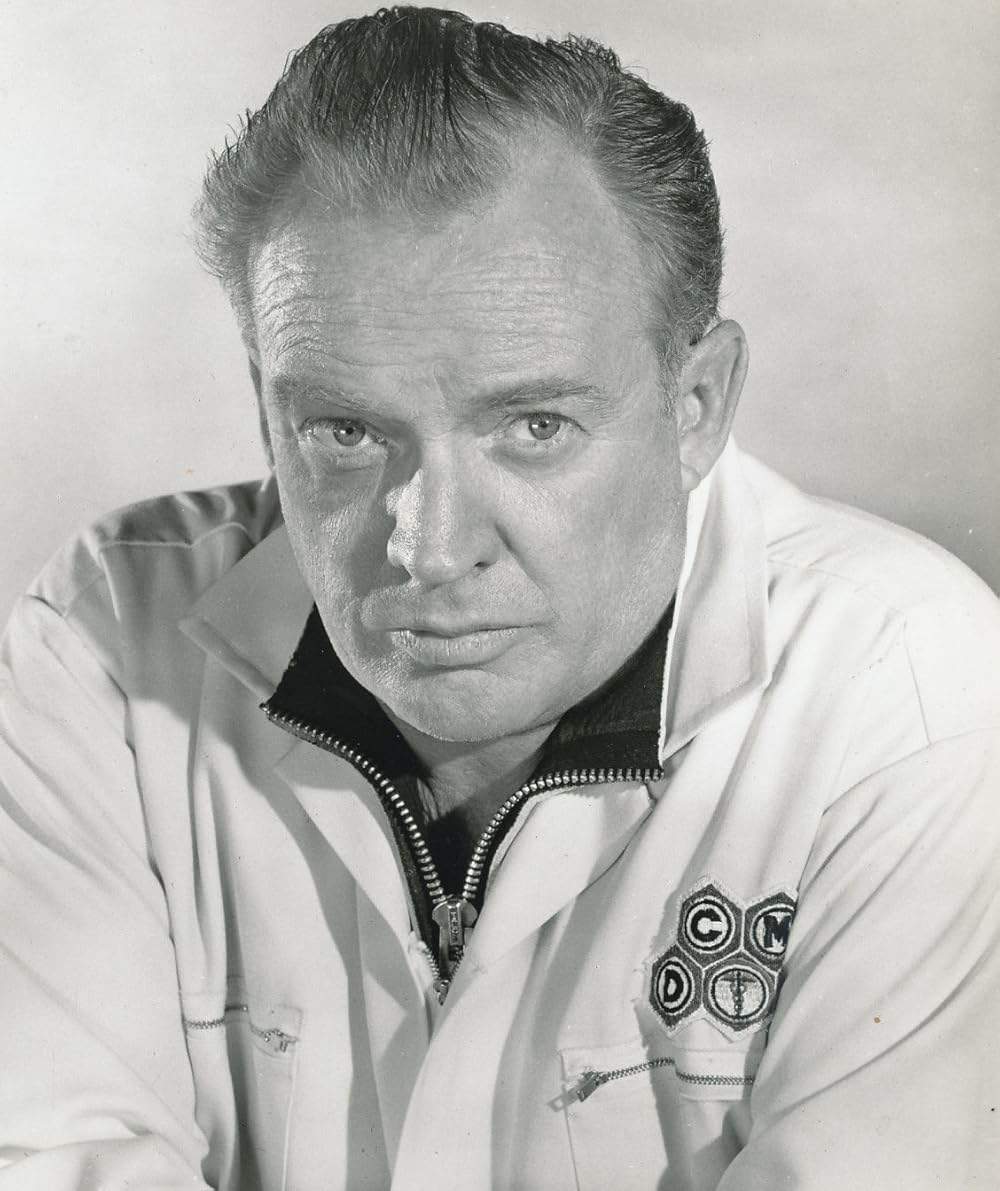
Arthur Kennedy
Bombardier
Charles Drake
Navigator
Tom Neal
Marine (uncredited)
Richard Lane
Maj. W.G. Roberts
Willard Robertson
Colonel at Hickam Field
Stanley Ridges
Maj. Mallory - Clark Field
Bill Edwards
Soldier (uncredited)
Ruth Ford
Nurse (uncredited)
Bill Kennedy
Marine (uncredited)
Pat Gleason
Marine (uncredited)
Allan Lane
Marine (uncredited)
Maurice Murphy
Harper's Co-Pilot (uncredited)
Ward Wood
Radio Operator Peterson
Addison Richards
Maj. Daniels
Walter Soo Hoo
Chinese Boy (uncredited)
Leah Baird
Nurse #2 (uncredited)
Edwin Stanley
Doctor Attending Quincannon (uncredited)
George Offerman, Jr.
Ground Crewman (uncredited)
Pat West
Soldier with Demolition Squad (uncredited)
Lynn Baggett
Nurse (uncredited)
Marjorie Hoshelle
Nurse (uncredited)
Ross Ford
Second Lieutenant (uncredited)
Ray Montgomery
Asst. Radio Operator Chester
George N. Neise
Hickam Field Radio Operator (uncredited)
William Forrest
Group Commander Jack Harper (uncredited)
Charles Sullivan
Undetermined Role (uncredited)
Frank Marlowe
Undetermined Role (uncredited)
James Millican
Marine with Dog on Wake Island (uncredited)
Freddie Steele
Marine (uncredited)
Sol Gorss
Sergeant (uncredited)
Charles Flynn
Sergeant (uncredited)
Faye Emerson
Susan McMartin
Theodore von Eltz
First Lieutenant (uncredited)
Rand Brooks
Co-Pilot (uncredited)
Victor Zimmerman
Marine (uncredited)
James Bush
Clark Field Control Officer (uncredited)
Warren Douglas
Hickam Field Control Officer (uncredited)
Charles Lang
Soldier (uncredited)
David S. Horsley
Orderly (uncredited)
Warren Mace
Orderly (uncredited)
John Estes
Orderly (uncredited)
Bill Crago
Lieut. P T. Moran
Edward Soo Hoo
Chinese Man (uncredited)
Hal Welling
Officer (uncredited)
External Links and Streaming Options
Discover where to watch Air Force online, including streaming platforms, rental options, and official sources. Compare reviews, ratings, and in-depth movie information across sites like IMDb, TMDb, Wikipedia or Box Office Mojo.






Take the Ultimate Air Force Movie Quiz
Challenge your knowledge of Air Force with this fun and interactive movie quiz. Test yourself on key plot points, iconic characters, hidden details, and memorable moments to see how well you really know the film.
Air Force (1943) Quiz: Test your knowledge of the 1943 wartime film Air Force, covering characters, events, and historical details depicted in the movie.
What is the name of the B-17 bomber that the main crew flies at the start of the film?
Full Plot Summary and Ending Explained for Air Force
Read the complete plot summary of Air Force, including all major events, twists, and the full ending explained in detail. Explore key characters, themes, hidden meanings, and everything you need to understand the story from beginning to end.
On December 6, 1941, the Mary-Ann, a U.S. Army Air Corps B-17D, is ordered to fly a crucial mission from San Francisco to Hawaii alongside eight other Flying Fortresses. The crew is a tight-knit mix of seasoned veterans and rising officers, each carrying personal stakes into the flight. Master Sergeant Robbie White, the crew chief, is a long-time aviation man whose pride is shadowed by a personal loss—the fact that his son Danny is serving as an officer and fighter pilot. Beside him, the navigator, Lieutenant Monk Hauser Jr., is the son of a World War I hero from the Lafayette Escadrille, and his presence adds a weight of legacy and expectation to the mission as the crew charts a dangerous, untested course. The ship’s leadership also includes the pilot, Michael “Irish” Quincannon Sr., a seasoned flyer whose leadership will be tested in the crucible ahead, and the capable co-pilot, Gig Young, along with the meticulous bombardier, Arthur Kennedy. The gunner, Sergeant Joe Winocki John Garfield, carries simmering resentment from a past near-miss that nearly robbed him of his chance to fly.
The Mary-Ann and its sister aircraft push forward with full equipment and a hard-edged discipline, yet they’re missing ammunition—an ominous gap as they head toward the Pacific theater. The mission takes on a new urgency as they approach Hickam Field and encounter the early, chaotic tremors of a surprise attack at Pearl Harbor. The crew’s nerves tighten as the world suddenly pivots toward war in a way that few could have anticipated. The Mary-Ann reluctantly receives two extra passengers: a young fighter pilot, Lieutenant Thomas “Tex” Rader James Brown, and a small dog named Tripoli who serves as the Marines’ mascot on Wake Island. These additions bring new stakes and a human moment to the tense flight, reminding everyone aboard that this war will touch ordinary lives in unforeseen ways.
When they reach Clark Field in the Philippines, tragedy and resolve collide. White learns that his own son has fallen in aerial combat, a devastating blow that steels the crew with a grim determination. The Mary-Ann presses on, gallantly attacking a Japanese invasion fleet, but the onslaught of enemy fighters is relentless. The aircraft is forced to abort its assault after losing two engines, and the situation becomes even more dire when Quincannon, gravely wounded, orders his men to bail out before he blacks out. In a lone act of sheer resolve, Winocki remains at the controls to shepherd Mary-Ann through a perilous belly landing. The crew’s resilience is tested to the limit as they survive the crash-landing under enemy eyes, a moment that sets the stage for the desperate night that follows.
With the airfield under the threat of imminent capture, the crew works feverishly through the night to repair their battered bomber. They fashion makeshift repairs using parts cannibalized from damaged B-17s, a testament to ingenuity and the stubbornness that defines this crew. The plan is dangerous but necessary, and they brace themselves against the ever-looming danger as Japanese forces close in. A dramatic turn comes when Chester, an assistant radio operator who had volunteered to fly as a gunner in a two-seat observation plane, takes part in a perilous raid against the enemy. The mission goes awry: Chester bails out when the pilot is killed, but he is machine-gunned during his descent in a parachute and is fatally strafed on the ground, adding another personal tragedy to the mounting toll of the battle. Amid the chaos, Winocki and White manage to shoot down a Zero fighter and kill its pilot as the wreckage smolders, a small victory in a larger, overwhelming fight. The crew’s repairs and refueling are completed just as the Japanese launch a fresh onslaught, and they barely escape being overrun as Clark Field falls.
Their journey continues toward Australia, with Tex Rader stepping into the role of reluctant pilot and the wounded Williams stepping up as co-pilot. The Mary-Ann’s crew remains vigilant as they spot a Japanese invasion fleet below, responding with swift radio coordination to relay the fleet’s position and the approaching danger. They circle the enemy and wait for reinforcements, and when the moment comes, Mary-Ann leads a bold strike that devastates the invading fleet. This sequence is presented with such intensity that it echoes the ferocity and strategic impact of the historical Battle of the Coral Sea, a cinematic mirror of real events transpiring in the broader theater of war. The sense of sacrifice and teamwork is palpable as each member of the crew contributes to a mission that transcends personal risk, turning a perilous flight into a pivotal strike against an advancing force.
As the war rages on, the story returns to the broader arc of heroism and sacrifice: a bombing attack on Tokyo is announced to bomber crews, and among them are several familiar faces from Mary-Ann—Tex Rader among them, now serving as a B-17 pilot in his own right. The scene shifts to the men and women back at the airfields as President Roosevelt’s voice comes through in a voice-over, underscoring the unity of purpose that unites a nation and its air crews. The film closes on the collective resolve of the bomber crews as they head toward the rising sun, their paths intertwined with cattle-prodding courage, stubborn grit, and the quiet, stubborn hope that defines those who take to the skies in times of war. Throughout, the film maintains a restrained, matter-of-fact tone that honors the risks and sacrifices without falling into sensationalism, offering a clear, human portrait of courage under extraordinary pressure.

Discover Film Music Concerts Near You – Live Orchestras Performing Iconic Movie Soundtracks
Immerse yourself in the magic of cinema with live orchestral performances of your favorite film scores. From sweeping Hollywood blockbusters and animated classics to epic fantasy soundtracks, our curated listings connect you to upcoming film music events worldwide.
Explore concert film screenings paired with full orchestra concerts, read detailed event information, and secure your tickets for unforgettable evenings celebrating legendary composers like John Williams, Hans Zimmer, and more.


Cars Featured in Air Force
Explore all cars featured in Air Force, including their makes, models, scenes they appear in, and their significance to the plot. A must-read for car enthusiasts and movie buffs alike.
Air Force Themes and Keywords
Discover the central themes, ideas, and keywords that define the movie’s story, tone, and message. Analyze the film’s deeper meanings, genre influences, and recurring concepts.
Air Force Other Names and Titles
Explore the various alternative titles, translations, and other names used for Air Force across different regions and languages. Understand how the film is marketed and recognized worldwide.
Similar Movies To Air Force You Should Know About
Browse a curated list of movies similar in genre, tone, characters, or story structure. Discover new titles like the one you're watching, perfect for fans of related plots, vibes, or cinematic styles.





Quick Links: Summary, Cast, Ratings, More

What's After the Movie?
Not sure whether to stay after the credits? Find out!




Explore Our Movie Platform
New Movie Releases (2026)
Famous Movie Actors
Top Film Production Studios
Movie Plot Summaries & Endings
Major Movie Awards & Winners
Best Concert Films & Music Documentaries
Movie Collections and Curated Lists
© 2026 What's After the Movie. All rights reserved.