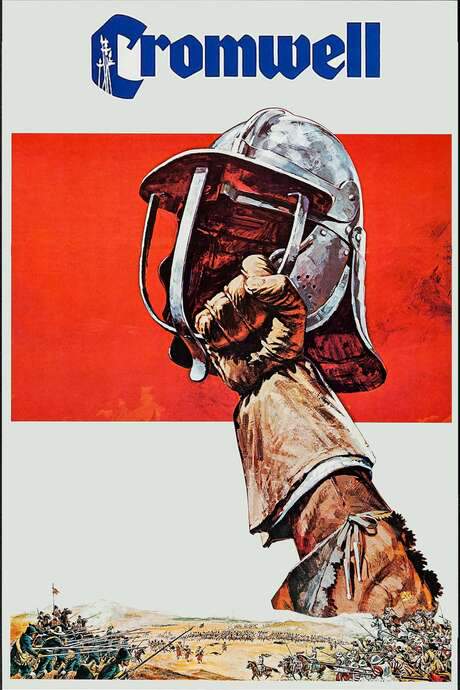
What Is Cromwell About?
The premise of Cromwell in 300 words, with nothing given away. The full story follows below.
In a England on the cusp of transformation, the air feels charged with the clash of faith and authority. Rural estates and bustling city halls sit under a sky darkened by disputes over land, religion, and the very right to govern. The kingdom’s ancient institutions bend under the weight of new ideas, and every conversation seems to echo with the possibility of upheaval. The film paints this restless period with a rich, almost palpable texture, letting the audience sense the undercurrents that threaten to pull the nation apart before any battle is even imagined.
Oliver Cromwell arrives as a deeply religious Puritan, a country squire who balances his duties as magistrate and former parliamentarian with a fierce personal conviction. Haunted by the encroaching power of a crown he sees as compromising the nation’s spiritual integrity, he contemplates abandoning England altogether—taking his family to the New World in search of a cleaner start. Yet his sense of responsibility, the pull of his community, and the rising tide of dissent keep him rooted, suggesting that his journey will be less about escape and more about the choices that define a leader.
King Charles I embodies the doctrine of divine right, steering his realm with a mixture of reformist ambition and steadfast belief that his authority flows from a higher power. His queen, Queen Henrietta Maria, practices a faith that sits uneasily alongside the prevailing Protestant sentiment, adding another layer of tension to the court. As the king reluctantly summons a long‑dormant Parliament to fund wars abroad, the stage is set for a confrontation where personal conscience, political duty, and religious fervor intertwine. The film’s tone remains brooding and contemplative, inviting viewers to watch how conviction and circumstance begin to shape the fates of a nation poised on the brink of civil war.
What Happens in Cromwell?
The complete story of Cromwell, from the first scene to the last, in 588 words (about 3 minutes). Spoilers throughout. Names in the text link to 5 cast member pages.
Spoilers ahead
Oliver Cromwell, played by Richard Harris, is a devout Puritan, a country squire, a magistrate, and a former Member of Parliament who finds himself drawn into a nation’s mounting crisis. On the other side stands Charles I, played by Alec Guinness, whose belief in the divine right of kings guides a reformist agenda that现实 pushes against the growing power of Parliament. The king’s policies—enclosing common land for wealthy landowners and quietly allowing Catholic rituals in private—frustrate many, including Cromwell, while the Queen, Dorothy Tutin as Queen Henrietta Maria, quietly practices Catholicism but cannot allow the young Prince of Wales to be raised in that faith. The tension between duty to crown and duty to conscience threads through every choice the two men make, even as Cromwell contemplates taking his family to the New World before being pulled back into the political arena.
Charles I’s resolve hardens as he reluctantly summons Parliament for the first time in twelve years, seeking funds to wage wars against the Scots and the Irish. In a bid to appease the Commons, he agrees to the execution of his volatile adviser, the Earl of Strafford (Patrick Wymark), but he refuses to concede reforms that would curb royal authority. The moment the king enters the parliamentary chamber with an armed guard to arrest five members, England erupts into civil war, pitting those who see God on Parliament’s side against a monarch who believes he speaks with divine authority. Cromwell emerges from cavalry service to help forge the New Model Army, a disciplined force that becomes the turning point in the conflict.
The war intensifies as Cromwell, alongside general Thomas Fairfax, reshapes the battlefield. The army’s cohesion and training turn the tide, delivering a decisive victory at the Battle of Naseby, where Cromwell’s cavalry proves pivotal even as one of his own sons falls in battle. The royal cause crumbles as Oxford is surrounded, Prince Rupert of the Rhine is banished after failures at Bristol, and Charles I seeks help by negotiating with Catholic powers through his queen and eldest son, who are sent abroad for this purpose. The conflict deepens the rift between crown and Parliament, with new strategies and loyalties emerging on every front.
As the king’s fate is sealed, Cromwell learns of Charles’ covert plan to mobilize a wholly Catholic army, relayed by Sir Edward Hyde, the king’s former adviser (Nigel Stock). Unyielding, Cromwell and his fellow Parliamentarians demand accountability, and Charles I is brought to trial for treason. Refusing to acknowledge any authority higher than his own, the king is found guilty and executed, a moment that reframes the nation’s future in ways few could have anticipated. The film does not celebrate the king’s demise; instead, it presents a complex portrait of a country at a crossroads, where power and faith collide with brutal clarity.
In the aftermath, Cromwell contemplates a future beyond monarchy even as Parliament proves self-serving in governance. His troops eject MPs from the House of Commons, leaving Cromwell to outline his vision for the Protectorate—a period of rule that he asserts as necessary amid the chaos. The drama lingers on the uneasy transition from royal authority to a new order, highlighting Cromwell’s resolve and the costs of leadership. When the dust settles, the film closes with a reflective voice-over: Cromwell would serve as Lord Protector for five years before England again reshapes itself with the return of Charles II, a time described as an England “never to be the same again.”
England never to be the same again.
Cromwell Timeline: Every Key Event in Order
12 key events in the order they happen, from “Puritan Cromwell vs Royal policy” to “Restoration and lasting change”. 12 events name a place, across 8 locations.
- 1
Puritan Cromwell vs Royal policy
Oliver Cromwell is portrayed as a devout Puritan, a country squire and magistrate whose beliefs guide his politics. He chafes at Charles I’s policies—enclosures of common land and high Anglican rituals—that inflame Puritans and reformers alike. On the eve of a planned move with his family to the New World, he is persuaded to stay and re-enter political life.
When:Pre-1642 Where:England
- 2
Parliament summoned; Strafford affair
Charles I reluctantly summons Parliament after twelve years to secure funds for wars against Scotland and Ireland. To appease the Commons, he agrees to execute his close adviser, Thomas Wentworth, Earl of Strafford, but Parliament presses for reforms that would curb royal prerogative. The tension foreshadows a constitutional showdown.
When:1640 Where:London
- 3
Arrest of MPs and outbreak of war
Charles enters the parliamentary chamber with an armed guard to arrest five MPs, attempting to subdue opposition by force. The arrest backfires, and Parliament rallies in open defiance, sparking the English Civil War. Both sides claim God fights for their cause.
When:1642 Where:London, Parliament chamber
- 4
Edgehill and the rise of the New Model Army
At Edgehill, Cromwell’s cavalry initially falters, signaling Parliament’s early military shortcomings. He and Fairfax then design the disciplined New Model Army, whose training and unity prove decisive against Royalist forces. The reform marks a turning point in the war.
When:1642-1643 Where:Edge Hill, England
- 5
Naseby victory; Cromwell’s cavalry decisive
The New Model Army secures a decisive victory at Naseby, turning the war in Parliament’s favor. Cromwell’s leadership and cavalry strength prove pivotal in the rout of Royalist forces. Tragically, one of Cromwell's sons is killed during the fighting.
When:1645 Where:Naseby
- 6
Oxford siege; Rupert's Bristol defeat
Oxford becomes the last Royalist stronghold as Charles’s position weakens under pressure. Prince Rupert of the Rhine, once a top commander, fails to hold Bristol and is banished after the setback. The royal cause drains of momentum as the tides turn.
When:1646 Where:Oxford; Bristol
- 7
Catholic aid sought abroad
Charles plans to raise a wholly Catholic army with help from Catholic nations. The queen and his eldest son travel abroad to secure support, exposing the monarchy’s vulnerability to religious maneuvering. The international angle widens the conflict’s stakes.
When:1646-1647 Where:Europe
- 8
Charles I trial and execution
Cromwell uses Parliament to push for Charles’s treason trial, asserting accountability for royal prerogative. Charles refuses to recognize any authority higher than his own, and the trial ends with a guilty verdict and execution. The king’s death marks a profound political rupture.
When:1649 Where:London, Westminster
- 9
Cromwell resists a crown; politics falter
In the wake of the king’s execution, Cromwell retreats moodily to his estate and resists becoming king when radicals urge him to seize the crown. Parliament appears self-serving and faction-ridden, complicating attempts to create stable governance. The era slides toward a military-driven rule rather than a balanced constitution.
When:1649-1650 Where:England
- 10
Purged Parliament; Protectorate arises
Cromwell’s troops purge the House of Commons, removing dissenting MPs and leaving him in a position of control. He then outlines to the viewer his vision for a Protectorate, a new constitutional order meant to stabilize the realm under his leadership. The transition marks the definitive shift from republic to a strongman rule.
When:1653 Where:London
- 11
The Lord Protectorate years
Cromwell serves as Lord Protector for about five years, steering a government that mixes military discipline with centralized authority. He navigates a fractured Parliament and seeks to balance power while pursuing religious and social reforms. The era defines a new, if controversial, phase of English governance.
When:1653-1658 Where:London
- 12
Restoration and lasting change
Eventually the Protectorate falters and Charles II returns to the throne, signaling the Restoration. The film underscores that England will never be the same again, as new political and religious tensions linger. The era ends with a transformed monarchy and a reconfigured balance of power.
When:1660 Where:England
Who Are the Main Characters in Cromwell?
6 characters, among them Oliver Cromwell (Richard Harris), King Charles I (Alec Guinness) and Charles II, Prince of Wales (Robin Stewart): who each one is and the part they play in the story. Every profile links to the actor’s page.
-
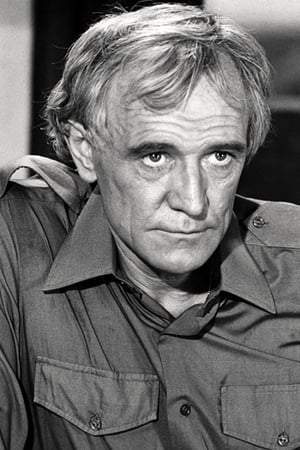
Oliver Cromwell (Richard Harris)
Played by Richard Harris
A devout Puritan and rising cavalry commander who transforms Parliament's cause into a disciplined military force. He evolves from a wary magistrate to a central architect of the Protectorate, balancing religious conviction with practical governance. The film traces his moral reflections, strategic acumen, and the personal toll of war.
- ⚔️ Military leader
- 🧭 Strategic thinker
- 🕯️ Religious commitment
-
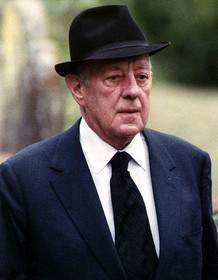
King Charles I (Alec Guinness)
Played by Alec Guinness
A steadfast monarch who clings to the divine right of kings, clashing with Parliament over money and authority. His choices precipitate war and culminate in a controversial trial and execution, revealing how faith and stubbornness shape national fate.
- 👑 Monarchical authority
- ⚖️ Conflict with Parliament
- 🕊️ Private faith
- CI
Charles II, Prince of Wales (Robin Stewart)
Played by Robin Stewart
The young prince embodies the monarchy's continuity and the potential return of royal authority. His presence signals the restoration of the Crown and the enduring allure of regal legitimacy beyond Cromwell's regime.
- 🛡️ Royal continuity
- 🗺️ Restoration chance
-
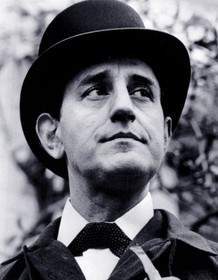
Thomas Fairfax (Douglas Wilmer)
Played by Douglas Wilmer
A pragmatic Parliamentarian commander whose collaboration with Cromwell helps shape the New Model Army. His leadership complements cavalry discipline, guiding strategic choices during the war.
- ⚔️ Military leadership
- 🧭 Strategic partnership
- TE
The Earl of Strafford (Patrick Wymark)
Played by Patrick Wymark
A key royal adviser whose fall marks a crucial turning point against the king. His execution highlights the shifting alliances and the collapse of royal policy in a time of civil strife.
- 💼 Court politics
- ⚔️ Power broker
- QH
Queen Henrietta Maria (Dorothy Tutin)
Played by Dorothy Tutin
The French queen whose private Catholic faith and influence on Charles I fuel suspicion and international maneuvering. Her presence underscores the religious fault lines within and beyond the realm.
- 👑 Royal influence
- 🕯️ Religious tension
Where and When Is Cromwell Set?
Cromwell is set in England, London, Westminster, Oxford, Naseby, Edgehill, Bristol (Mid-17th century (1640s–1650s)). Here is why the time and place matter to the story.
When
Mid-17th century (1640s–1650s)
A turbulent era defined by the English Civil War, the struggle over sovereignty between the monarchy and Parliament, and religious conflict within the Church of England. It features the rise of the New Model Army, the king's trial and execution, and the creation of Cromwell's Protectorate. The period culminates in a constitutional and political reordering that outlasts the individual rulers.
Where
England, London, Westminster, Oxford, Naseby, Edgehill, Bristol
The story unfolds across 17th-century England, moving between the political heart of Westminster and the sieges and fields where battles such as Edgehill and Naseby decide the fate of the realm. Key locations include Oxford, where the king makes his last stand, and Bristol, a port city tied to royal ambitions. The settings emphasize the collision of crown, Parliament, and military force during a period of deep national upheaval.
- 🏰 England
- 🗺️ Civil War era
- 🏛️ Parliament
- ⚔️ Battlefields
What Are the Themes of Cromwell?
4 ideas the story keeps returning to, among them Power Struggle, Religious Conflict and Leadership.
-
01
Power Struggle
The film centers on a ferocious contest for control between the crown, Parliament, and the army. Cromwell’s disciplined military reforms reshape how power is exercised, while royal authority clings to dynastic prerogative. The clashes—political, military, and personal—reveal how legitimacy is contested during civil upheaval.
-
02
Religious Conflict
Religious conviction drives much of the political conflict, with Puritanism shaping the Parliamentarian cause and Catholic concerns shadowing royal decisions. The tension between private faith and public policy fuels mistrust and negotiation, influencing choices at every level of leadership. The church becomes both a rhetorical tool and a battlefield.
-
03
Leadership
The narrative probes what makes legitimate leadership in a crisis: the divine-right convictions of Charles I versus the pragmatic, disciplined governance proposed by Cromwell. Each leader embodies a distinct vision for England’s future, and their rivalries propel the plot toward revolution and reform. Personal resolve collides with political necessity, shaping history.
-
04
Mortality
The period’s violence and executions underscore the high human cost of political transformation. Battles claim lives, including a prince’s fate on the battlefield, while the king’s demise marks a watershed moment. The film reflects on how death and survival redefine national memory and institutional continuity.
What Kind of Film Is Cromwell?
Tense in tone, with steady pacing and a complex story, going by the plot summary.
- Tone
- Tense
- Pacing
- Steady
- Story
- Complex
- Intensity
- High
- Ending
- Mixed
A tense and serious historical epic that portrays the emotional and political conflict of the English Civil War, demanding a heavy emotional investment as it explores the grim cost of revolution.
- tense
- serious
- gripping
- contemplative
- tragic
- sober
- political turmoil
- religious conflict
- tyranny
- treason
Content notes: war violence, execution, death in battle.
Quiz
How well do you remember Cromwell? Test yourself on the story.