What Is King Charles III About?
The premise of King Charles III in 274 words, with nothing given away. The full story follows below.
In the wake of a historic monarch’s passing, the nation finds itself perched on the edge of an uneasy transition. Charles steps onto the throne with a measured resolve, immediately confronting the weight of centuries‑old prerogatives that now clash with the frantic pace of modern governance. The film’s tone balances solemn ceremony with a simmering undercurrent of tension, painting a Britain where the corridors of Buckingham Palace feel as charged as the streets outside.
The central conflict revolves around a contentious press‑regulation bill that has already cleared Parliament, placing the new king in a rare position of decisive authority. Prime Minister Tristram Evans and Mrs Stevens, the opposition leader, embody the political forces pressing for swift resolution, while Charles wrestles with his own doubts about freedom, accountability, and the very role of a constitutional monarch. This uneasy standoff frames a broader exploration of how tradition grapples with democratic expectation.
Within the royal family, personal dynamics add another layer of intrigue. Prince Harry navigates a burgeoning romance with Jess, a spirited republican whose perspective forces him to reconsider his place in the lineage. Meanwhile, William and Catherine emerge as potential mediators, their relationship suggesting both loyalty and the possibility of bridging the widening gap between crown and parliament. The lingering presence of Princess Diana hovers as a symbolic reminder of legacy and the ever‑present weight of the past.
All of these elements combine to create a portrait of a nation on the brink of change—where the quiet grandeur of royal protocol meets the restless energy of public discourse—setting the stage for a dramatic examination of power, duty, and the uncertain future of a centuries‑old institution.
What Happens in King Charles III?
The complete story of King Charles III, from the first scene to the last, in 669 words (about 3 minutes). Spoilers throughout.
Spoilers ahead
Charles [Tim Pigott-Smith] gathers with his family after the funeral of Queen Elizabeth II, stepping into the throne with a measured, wary authority. As the new king, he holds his first weekly audience with Prime Minister Tristram Evans [Adam James], and they spar over a controversial Bill for the statutory regulation of the press, which has cleared both Houses and awaits royal assent. Charles fears the measure could curb press freedom and impede uncovering abuse of power, and he asks for alterations, but the PM refuses.
Meanwhile, Mrs Stevens [Priyanga Burford], the Leader of the Opposition, arrives for a weekly audience with the king, a new ritual Charles has introduced. She questions the bill’s purpose and, despite reminding Charles of his power, concludes there is little alternative but for him to sign. The tension in the room sets the stage for a broader clash between royal prerogative and democratic process.
In parallel, Prince Harry [Richard Goulding] begins a romance with Jess Edwards [Tamara Lawrance], a working‑class republican who makes him rethink his place in the royal fold. Jess later approaches royal press adviser James Reiss [Tim McMullan] about an ex‑boyfriend who threatens to leak compromising photographs, a development she fears could damage both her and Harry’s reputations and threaten the couple’s future.
Both Charles and William [Oliver Chris] have already encountered the ghost of Princess Diana [Katie Brayben], who promises to guide them toward becoming “the greatest king of all.” The eerie visitation underscores a mounting sense of destiny and duty that will soon collide with political reality and public scrutiny.
One of Charles’s first actions is to refuse royal assent to the press regulation bill. The Prime Minister then convenes a crisis meeting with the Opposition and later tries to persuade the king to sign, but Charles remains resolute. Evans threatens to push the law through bypassing royal assent, and the pressure grows as the clock ticks toward a vote.
Before any vote can take place, Charles uses his royal prerogative to dissolve Parliament, blocking both paths and throwing the government into disarray. The Speaker of the House of Commons, Douglas Rowe, reluctantly supports the king and prevents Parliament from reassembling, further destabilizing the political landscape.
Protests erupt across the country, with the most violent clashes in London. In response, Charles tightens the army’s presence around Buckingham Palace, a move that only heightens public tension. He also offers royal protection to Jess and agrees to Harry’s wish to become a commoner so he can pursue a life with her.
Facing mounting backlash, Evans seeks a way to salvage the situation by turning to the Waleses. He asks William and Catherine to mediate between Parliament and the Crown, a proposal Catherine [Charlotte Riley] makes possible by advocating a plan that could restore order: William would act as a mediator between Parliament and his father. The announcement is delivered in a press conference with marked compromise, though it fractures trust within the family.
The shock waves continue as Charles confronts his son and James Reiss in a tense, unresolved standoff. In a pointed exchange, William questions his father’s handling of Diana’s memory and presses him to abdicate to help restore order and public confidence.
Catherine and Harry deliver a blunt ultimatum: they will step away from Charles and his life if he does not step down. Reluctantly, Charles abdicates in favor of William, who intends to sign the press bill and restore a balance between the monarchy and Parliament.
Before the joint coronation at Westminster Abbey, Harry meets with Jess and reluctantly tells her they cannot continue as a couple, acknowledging that their plans would upset the delicate status quo now that a new king is in place. The film closes on a ceremonial note, as William and Kate’s coronation as king and queen consort unfolds.
In the moment of crowning, Charles—unseen by the Archbishop of Canterbury—places the crown on his son’s head and exits, while the crowd erupts in a chorus of approval and defiance. > God Save the King
King Charles III Timeline: Every Key Event in Order
15 key events in the order they happen, from “Funeral and royal gathering” to “Coronation day”. 15 events name a place, across 7 locations.
- 1
Funeral and royal gathering
In the wake of Queen Elizabeth II's funeral, Charles and his family gather as the new king. He immediately begins his first weekly audience with the Prime Minister, signaling a more active royal role in public life. The discussion centers on a newly passed bill for statutory press regulation that would curb the press's power.
When:immediately after the funeral Where:London
- 2
First audience on the press bill
Charles voices serious concerns about the press regulation bill, worrying it could restrict freedom and enable censorship. He questions how it could uncover abuse of power if the government controls the media. The Prime Minister refuses to concede any changes to the bill.
When:shortly after the first audience Where:Buckingham Palace
- 3
Opposition leader arrives
Mrs. Stevens, Leader of the Opposition, arrives for the weekly meeting with Charles. She expresses doubts about the bill and questions the government's motives. Despite reminders of his constitutional power, she sees little alternative but for Charles to sign.
When:same day as the audience Where:Buckingham Palace
- 4
Royal assent refused
One of Charles' first actions is to refuse royal assent to the press regulation bill. This directly challenges the PM and Parliament and signals a shift in the balance of power. The decision places the monarchy at the center of a constitutional crisis.
When:shortly after the audience Where:Buckingham Palace
- 5
Crisis talks and threats
The PM holds a crisis meeting with the Opposition and then tries to persuade Charles to sign, but the king remains resistant. Evans threatens to bypass royal assent and push the bill through by other means. The standoff sharpens the political tension.
When:following the refusal Where:No. 10 Downing Street
- 6
Parliament dissolved
Facing escalating pressure, Charles uses the royal prerogative to dissolve Parliament, preventing the bill from taking effect. He hopes to avert a legislative route around royal authority. Douglas Rowe, the Speaker, supports the move and refuses to allow Parliament to reassemble.
When:before the vote on the bill Where:Westminster Parliament
- 7
Nationwide protests begin
Protests erupt across the country, with the most violent demonstrations in London. The crisis deepens the rift between the Crown and Parliament. In response, Charles increases the army guard at Buckingham Palace, further heightening tensions.
When:in the days after the dissolution Where:Across the UK (notably London)
- 8
Jess receives royal protection
Charles offers royal protection to Jess Edwards, aiming to shield her from the media scandal surrounding leaked photographs. The gesture is intended to safeguard Harry's relationship and public image. The king's personal intervention marks a new dimension of royal involvement in private affairs.
When:shortly after the protests begin Where:Buckingham Palace
- 9
Harry seeks a new life as a commoner
Charles agrees to Harry's wish to become a commoner so he can pursue a life with Jess. The decision signals a significant break with tradition and an attempt to adapt to a changing royal dynamic. It also reduces potential public friction around the couple.
When:after Jess's protection is offered Where:Royal Residence
- 10
Mediation proposed by Catherine
The PM meets with William and Catherine to discuss a way forward. Catherine proposes that William act as a mediator between Parliament and his father. The plan represents a shift toward a collaborative monarchy in the crisis.
When:mid-crisis Where:Buckingham Palace
Show the other 5 events of King Charles III Hide the last 5 events
- 11
William speaks as mediator
William joins his father in a press conference to announce the mediation plan without the king's knowledge or consent. The public framing emphasizes restoring balance between Parliament and the monarchy. Charles learns of the plan as it is publicly presented.
When:immediately after the mediation proposal Where:Buckingham Palace
- 12
Tense confrontation
In a tense meeting, William rebukes his father for creating disorder and hints at abdication as a remedy. The family is pulled between duty and public expectations. The exchange intensifies the push toward a resolution that would sideline Charles.
When:shortly after the press conference Where:Buckingham Palace
- 13
Ultimatum and abdication
Catherine and Harry deliver an ultimatum to Charles: step down or risk losing the family from his life. Reluctantly, Charles abdicates in favor of William, who plans to sign the press bill and restore the pre-crisis order. The abdication marks the end of Charles's reign.
When:before the coronation Where:Buckingham Palace
- 14
Harry and Jess part ways
Before the coronation, Harry informs Jess that they can no longer stay together, as their plans would upset the new arrangement. The couple parts with a sense of inevitability about the changing royal landscape. This farewell underscores the personal costs of political upheaval.
When:prior to coronation Where:Royal Residence
- 15
Coronation day
William and Kate are crowned king and queen consort at Westminster Abbey. Charles, unable to concede publicly, places the crown on William's head in lieu of the Archbishop before exiting. The crowd erupts with cries of 'God Save the King,' signaling a new chapter for the nation.
When:coronation day Where:Westminster Abbey
Who Are the Main Characters in King Charles III?
10 characters, among them Charles (Tim Pigott-Smith), William (Oliver Chris) and Catherine, Princess of Wales (Charlotte Riley): who each one is and the part they play in the story. Every profile links to the actor’s page.
- C(
Charles (Tim Pigott-Smith)
Played by Tim Pigott-Smith
The newly crowned king who is wary of measures restricting press freedom. He asserts royal prerogative, dissolves Parliament to prevent the passage of controversial bills, and faces pressure from the PM and his family. His arc centers on balancing duty with personal conviction amid public unrest.
- 👑 Royalty
- 🏛️ Power
- 🧭 Duty
-

William (Oliver Chris)
Played by Oliver Chris
The Prince of Wales who becomes a mediator between Parliament and his father, and is pivotal in delivering a plan to restore the status quo. He questions the monarchy's role within a modern democratic system and ultimately ascends after his father's abdication. He embodies the tension between lineage and reform.
- 👑 Heir
- 🗳️ Mediator
- 🏛️ Change
- CP
Catherine, Princess of Wales (Charlotte Riley)
Played by Charlotte Riley
A strategic voice within the monarchy, she proposes a plan to mediate between Parliament and Charles. She seeks to preserve the monarchy while embracing a more collaborative approach. She plays a central role in guiding the succession's resolution.
- 👑 Royalty
- 🧭 Strategy
- 🌟 Change
- H(
Harry (Richard Goulding)
Played by Richard Goulding
In the modern era of royal life, he seeks to shed royal constraints by choosing a commoner life with Jess; He is torn between duty to the crown and personal happiness; He accepts a path toward a simpler life but remains connected to the monarchy's future.
- 👑 Royalty
- 🧭 Identity
- 🌆 Change
- JE
Jess Edwards (Tamara Lawrance)
Played by Tamara Lawrance
A working-class republican who influences Harry and becomes central to the public scandal due to leaked photographs; She gains royal protection from Charles; She complicates princely life and pushes for authenticity and equality.
- 💬 Public opinion
- 🧭 Identity
- 🗞️ Scandal
- JR
James Reiss (Tim McMullan)
Played by Tim McMullan
Royal press adviser who orchestrates messaging and navigates the press saga; He advises on the plan to bypass royal assent and manage the narrative.
- 🗞️ Media
- 🧭 Strategy
- 🗣️ Communication
- MS
Mrs Stevens, Leader of the Opposition (Priyanga Burford)
Played by Priyanga Burford
A skeptical voice challenging the king and his plans; She gauges the options, pushing for accountability and checks on royal power.
- 🤝 Opposition
- 🗳️ Democracy
- 🧭 Duty
- AO
Archbishop of Canterbury (John Shrapnel)
Played by John Shrapnel
A figure of tradition who participates in the coronation, highlighting the role of religious legitimacy and ceremony in validating the monarchy.
- ⛪ Religion
- 👑 Ceremony
- 🏛️ Tradition
- D(
Diana (Katie Brayben)
Played by Katie Brayben
The ghost of Princess Diana appears to Charles and William, symbolizing lingeringLegacy and influence on their choices. Her presence underscores the weight of past actions on present decisions.
- 👑 Legacy
- 👻 Ghost
- 💔 Tragedy
-
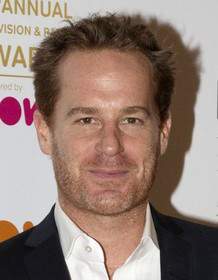
Prime Minister Tristram Evans (Adam James)
Played by Adam James
The Prime Minister who presses the royal line on legislation, bargaining with Parliament and the monarchy as the crisis escalates.
- 🏛️ Government
- 🗳️ Politics
- ⚖️ Power
Where and When Is King Charles III Set?
King Charles III is set in Buckingham Palace, Westminster Abbey and London (2020s). Here is why the time and place matter to the story.
When
2020s
Set in the early 2020s, shortly after the funeral of Queen Elizabeth II, the film dramatizes a constitutional moment in contemporary Britain. It portrays the delicate balance between royal authority, parliamentary sovereignty, and public opinion in a modern democracy. The period is defined by media scrutiny, political brinkmanship, and the monarchy's search for a sustainable role in the 21st century.
Where
Buckingham Palace, Westminster Abbey, London
Buckingham Palace anchors royal power and is a focal point for media attention during the crisis. Westminster Abbey hosts the coronation, a ritual that symbolizes legitimacy and continuity for the monarchy. The action unfolds across royal residences and iconic London spaces as protests swell and the government maneuvers behind the scenes.
- 🏰 Royal residence
- 🗳️ Government
- 🌆 London
What Are the Themes of King Charles III?
3 ideas the story keeps returning to, among them Power & Accountability, Media & Regulation and Duty vs Personal Freedom.
-
01
Power & Accountability
The monarchy wields constitutional authority, yet real power is constrained by Parliament and public opinion. The king’s prerogatives clash with democratic norms as he resists the press bill and later dissolves Parliament. The story centers on whether traditional power can endure in a modern political framework. The abdication marks a shift in accountability from a symbolic to a more practical balance between institutions.
-
02
Media & Regulation
A central conflict revolves around a press regulation bill and the government's attempt to control information. The narrative probes how media coverage shapes public perception and royal legitimacy. Advisors craft messaging to navigate scandals, while the monarchy itself faces scrutiny over transparency. The tension highlights the fragile boundary between press freedom and state oversight.
-
03
Duty vs Personal Freedom
Characters grapple with the pull between royal duty and personal happiness. Harry seeks a life away from royal expectations, while Jess embodies independent choices that challenge royal propriety. The ghostly presence of Diana intensifies the sense of duty and legacy shaping decisions. The story ultimately tests whether personal fulfillment can coexist with a family bound by tradition.
What Kind of Film Is King Charles III?
Tense in tone, with steady pacing and a complex story, going by the plot summary.
- Tone
- Tense
- Pacing
- Steady
- Story
- Complex
- Intensity
- High
- Ending
- Bittersweet
A tense and intellectually demanding political thriller set within the confines of royal power, creating a sense of claustrophobic pressure as a constitutional crisis escalates towards a poignant and bittersweet resolution.
- tense
- claustrophobic
- solemn
- melancholic
- ominous
- cerebral
- constitutional crisis
- power and duty
- royal succession
- political turmoil
Content notes: political unrest, riots.
Quiz
How well do you remember King Charles III? Test yourself on the story.