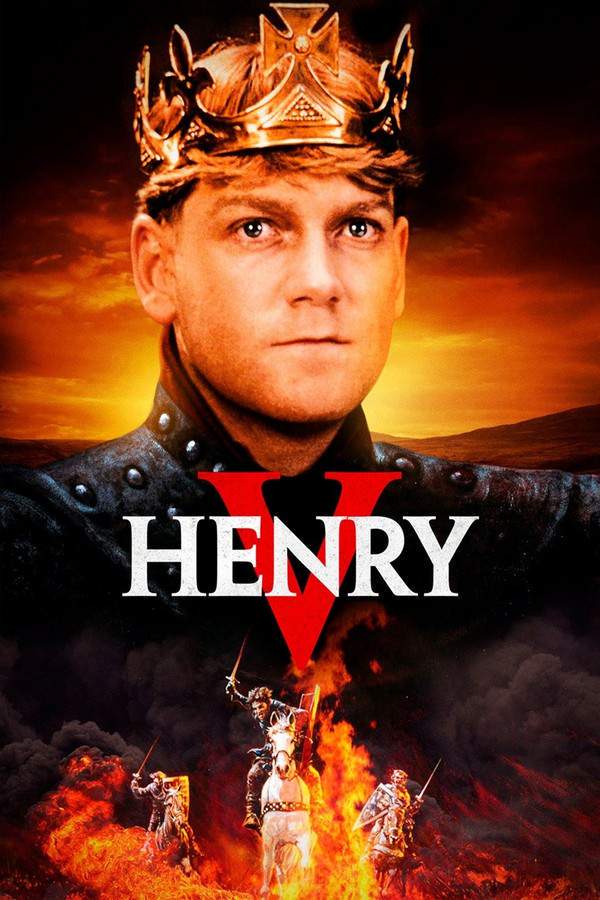
What Is Henry V About?
The premise of Henry V in 310 words, with nothing given away. The full story follows below.
In the hushed atmosphere of a 15th‑century English court, the film opens with Chorus strolling through an empty studio, his measured narration framing a world where power is both ceremony and shadow. The stark, candle‑lit halls and the sprawling, rain‑soaked fields beyond hint at a realm caught between medieval tradition and the whisper of change. The visual style leans into Shakespearean grandeur, using lingering close‑ups and sweeping vistas to create a mood that feels both intimate and timeless, as if the audience is being invited to watch history breathe.
At the center stands King Henry V, a young monarch whose ambition for progressive reform clashes with the expectations of his lineage. He carries the weight of a crown while still feeling the pull of youthful idealism, grappling with what it means to be a ruler who must balance personal conviction with the demands of a kingdom. His presence is both regal and vulnerable, suggesting a leader poised on the brink of a decision that could redefine his legacy.
Opposite him, the Archbishop of Canterbury and the Bishop of Ely embody a relentless, calculated ambition that seeks to steer the crown’s focus away from domestic renewal toward a foreign enterprise. Their counsel is cloaked in righteous rhetoric, hinting at a broader scheme to harness the king’s sense of duty for purposes that extend beyond England’s borders. The tension between ecclesiastical authority and royal intent creates an undercurrent of intrigue, where every conversation feels weighted with unspoken agendas.
As England teeters between reform and conquest, the film’s tone remains a delicate balance of gravitas and poetic lyricism. The audience is left with a palpable sense of anticipation, wondering whether Henry will follow the path laid before him by those who whisper from pews and cloisters, or whether he will chart his own course, guided by an inner compass of honor and responsibility.
What Happens in Henry V?
The complete story of Henry V, from the first scene to the last, in 530 words (about 2 minutes). Spoilers throughout. Names in the text link to 1 cast member page.
Spoilers ahead
The film opens with the character Chorus, portrayed by Derek Jacobi, who sets the stage by walking through a deserted film studio. He introduces the narrative before dramatically opening the doors to the main action, reappearing intermittently to offer insights and drive the plot forward.
Act 1 unfolds in the early 15th century, specifically the year 1422 A.D., where the Bishop of Ely (Alec McCowan) and the Archbishop of Canterbury (Charles Kay) plot to divert the attention of young King Henry V (Kenneth Branagh) from a decree threatening the Catholic Church’s property. They persuade him to consider an invasion of France using the claim that he is the rightful heir to the French throne, arguing that the Salic law unjustly denies him this right. With the backing of noblemen The Duke of Exeter (Brian Blessed) and Westmoreland (Paul Gregory), they convince Henry to declare war, leading to a confrontation with Mountjoy (Christopher Ravenscroft), the Dauphin’s envoy. The Dauphin’s disdainful gift of tennis balls abates Henry’s initial anger but ignites his resolve to claim his birthright.
In Act 2, King Henry cunningly exposes three of his high-ranking officers—Richard, Earl of Cambridge, Sir Thomas Grey, and Henry, Lord Scroop of Masham—previously plotting to betray him. By feigning an inquiry about an insolent offender, he prompts their own confession of guilt, leading to their arrest for treason. After a violent display, Henry orders their execution before embarking across the English Channel. Meanwhile, in France, King Charles VI (Paul Schofield) and his court debate Henry’s threats. The Dauphin’s bravado is mitigated by the concerns of his peers over Henry’s formidable heritage and prior English victories.
In Act 3, Henry delivers an inspiring speech to his troops as they besiege the fortified French city of Harfleur. When the Dauphin fails to send reinforcements, the governor capitulates under Henry’s assurance of mercy. Concurrently, Katherine (Emma Thompson), the French princess betrothed to Henry prior to the conflict, struggles to learn English, observing her father’s anxiety regarding the war. Following a series of grim encounters, Henry asserts the strength of his beleaguered forces when confronted by a French herald demanding his surrender.
During Act 4, the eve of the famous Battle of Agincourt on October 22, 1415, reveals a stark contrast between the impatient French nobility and the solemn English troops. Disguised, Henry mingles among his soldiers, reflecting on his leadership and the bloodshed to come, leading to an intense encounter with Williams, where they agree to a duel for the next day. Despite being heavily outnumbered, Henry’s fervent St. Crispin’s Day Speech boosts his soldiers’ morale, and the ensuing battle showcases the devastating effectiveness of English archers. As chaos unfolds, the French suffer catastrophic losses, ultimately culminating in their surrender.
Act 5 sees negotiations for Henry’s royal union with Katherine, symbolizing peace between England and France. Their private conversation reveals Henry’s sincerity and affection for her, and he hopes for a future where the two kingdoms are united. As the treaty is finalized, the Chorus returns to reflect on the historical ramifications, culminating in the eventual loss of the French crown by Henry VI, underscoring the film’s exploration of ambition, leadership, and the tragic cycles of history.
Henry V Timeline: Every Key Event in Order
13 key events in the order they happen, from “Introduction by Chorus” to “Conclusion by Chorus”. 7 events name a place, across 3 locations.
- 1
Introduction by Chorus
The film opens with Chorus, played by Derek Jacobi, walking through a deserted film studio. He introduces the narrative and sets the tone for the unfolding events, creating a connection with the audience.
- 2
Bishop and Archbishop's Plot
In 1422 A.D., the Bishop of Ely and the Archbishop of Canterbury conspire to redirect King Henry V's focus from a concerning decree about the Church's property. They successfully convince Henry to consider an invasion of France, leveraging his claim to the French throne.
When:1422 A.D.
- 3
Declaration of War
With influence from noblemen like the Duke of Exeter, King Henry V declares war on France, igniting a significant conflict. This declaration stems from the Dauphin's dismissive gift of tennis balls, which ultimately fuels Henry's determination to assert his claim.
- 4
Exposing Betrayal
King Henry cunningly reveals the treachery of his officers, Richard, Earl of Cambridge, Sir Thomas Grey, and Lord Scroop. Their own confessions lead to their arrest and execution, showcasing Henry's sharp political acumen before his military campaign.
- 5
The Situation in France
While tensions rise in England, King Charles VI and the French court deliberate over the threat posed by Henry V. The Dauphin's bravado is countered by growing apprehension among his peers about the capable English forces and Henry's powerful lineage.
Where:France
- 6
Siege of Harfleur
As King Henry and his forces besiege the fortified city of Harfleur, he delivers a rousing speech to his troops. With no reinforcements sent by the Dauphin, the governor ultimately capitulates, showcasing Henry's strategic prowess in warfare.
Where:Harfleur
- 7
Katherine's Dilemma
The French princess Katherine struggles to learn English as she grapples with the ongoing conflict. Her observations highlight the emotional toll of the war on her family, particularly her father's anxiety for the kingdom's future.
Where:France
- 8
Preparation for Agincourt
On the eve of the Battle of Agincourt, a stark contrast emerges between the eager French troops and the grim determination of the English. Disguised, Henry interacts with his soldiers, reflecting on their leadership and the bloodshed looming ahead.
When:October 22, 1415 Where:Agincourt
- 9
The Duel Agreement
In a tense exchange with Williams, a soldier, Henry agrees to a duel for the following day. This moment encapsulates the personal stakes involved in the overarching conflict and sets the stage for the upcoming battle.
When:October 22, 1415 Where:Agincourt
- 10
St. Crispin's Day Speech
Henry's fervent St. Crispin's Day Speech inspires his outnumbered troops, rallying them for the imminent battle. This moment underscores his effective leadership and the deep bond between him and his soldiers.
When:October 22, 1415 Where:Agincourt
Show the other 3 events of Henry V Hide the last 3 events
- 11
Battle Commences
The Battle of Agincourt begins with chaos as the English archers showcase their devastating effectiveness against the French forces. Despite heavy odds, the English achieve a historic victory, leading to catastrophic losses for the French.
When:October 23, 1415 Where:Agincourt
- 12
Negotiations for Peace
In the aftermath of the battle, negotiations begin for a royal union between King Henry and Katherine. Their private conversation reveals a budding affection built on mutual respect and hopes for a united future.
- 13
Conclusion by Chorus
As the treaty is finalized, Chorus returns to reflect on the historical significance of these events. He highlights the eventual loss of the French crown by Henry VI, emphasizing themes of ambition and the tragic cycles of history.
Who Are the Main Characters in Henry V?
3 characters, among them Chorus (Derek Jacobi), King Henry V (Kenneth Branagh) and Katherine (Emma Thompson): who each one is and the part they play in the story. 1 of them link to the actor’s page.
-

Chorus (Derek Jacobi)
Played by Derek Jacobi
The Chorus serves as a narrative device, guiding the audience through the story and providing context. He reflects on the events and themes of the play, offering insights into the unfolding drama. His presence emphasizes the theatrical elements of the film.
- 🎭 Narrative
- 🎬 Storyteller
- KH
King Henry V (Kenneth Branagh)
King Henry V is depicted as a determined and ambitious leader, torn between the duties of kingship and personal convictions. His evolution from a young ruler to a commanding figure during battle showcases his growth and passion for his rightful claim. He embodies the tension between war and reconciliation.
- 👑 Leadership
- ⚔️ Warrior
- K(
Katherine (Emma Thompson)
Katherine, the French princess, represents the theme of love amidst conflict. While she is initially portrayed as someone grappling with her fate, her interactions with Henry reveal her strength and sensitivity. Her character becomes a symbol of hope for peace between England and France.
- ❤️ Love
- 🤝 Peace
Where and When Is Henry V Set?
Henry V is set in England and France (Early 15th Century, 1422 A.D.). Here is why the time and place matter to the story.
When
Early 15th Century, 1422 A.D.
The movie is set during a pivotal time in European history, marked by the Hundred Years' War between England and France. The early 15th century saw significant political maneuvering and battles that shaped the future of both nations, encapsulated in King Henry V's quest for legitimacy and power.
Where
England, France
The film takes place primarily in England and France during the early 15th century. England, known for its monarchy and historical conflicts, is depicted as the backdrop for King Henry V's ambitious quest for the French throne. France, with its royal court and fortified cities like Harfleur, serves as the battleground for the ensuing war and political intrigue.
- 🏰 Kingdom
- 🌍 War
What Are the Themes of Henry V?
3 ideas the story keeps returning to, among them War and Conflict, Love and Union and Leadership and Responsibility.
-
01
War and Conflict
War and conflict are central to the narrative, depicting the struggles between England and France. The film highlights the personal and political implications of war, revealing how ambition can lead to both glory and tragedy. It raises questions about leadership and the costs of engaging in battle.
-
02
Love and Union
The theme of love emerges in Henry's relationship with Katherine, symbolizing the potential for peace between rival nations. Their union represents hope for reconciliation and the possibility of harmony amidst the strife. The personal connection contrasts with the brutal backdrop of war.
-
03
Leadership and Responsibility
Henry V's character embodies the complexities of leadership during turbulent times. The film explores his burdens as a king, the moral dilemmas he faces, and his responsibility towards his people. His journey illustrates the challenges of ruling and the profound effects of one's decisions.
What Kind of Film Is Henry V?
Tense in tone, with steady pacing and a moderate story, going by the plot summary.
- Tone
- Tense
- Pacing
- Steady
- Story
- Moderate
- Intensity
- High
- Ending
- Bittersweet
A tense and grand historical epic that immerses the viewer in the brutal realities of war and the heavy burden of leadership, punctuated by soaring speeches and a somber reflection on the tragic cycles of history.
- epic
- tense
- somber
- inspiring
- tragic
- solemn
- political ambition
- war and leadership
- historical tragedy
- betrayal and treason
Content notes: war violence, execution, battlefield death.
Quiz
How well do you remember Henry V? Test yourself on the story.