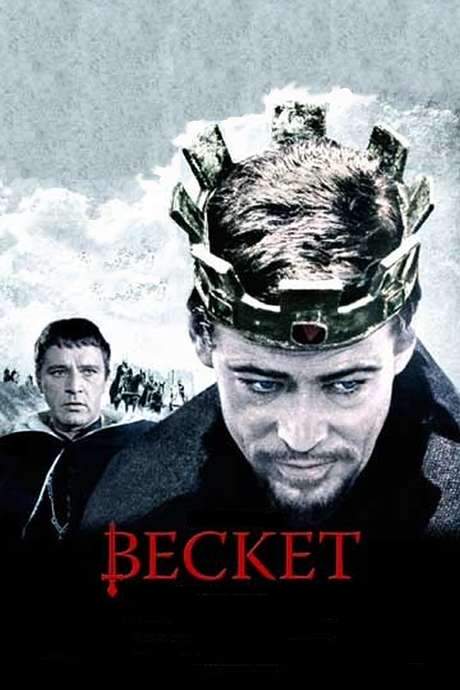
What Is Becket About?
The premise of Becket in 307 words, with nothing given away. The full story follows below.
In a world where the clatter of swords mixes with the echo of cathedral bells, the film opens on the restless court of medieval England. Thomas Becket moves through this realm as the trusted confidant of King Henry II, a ruler whose appetite for revelry and conquest is matched only by his desire to keep power close‑handed. Their friendship, forged in the heat of battle and the comfort of private councils, feels both intimate and precarious, setting a tone of restless loyalty that underpins the entire story.
When Henry crowns Becket as Archbishop of Canterbury, the appointment becomes a political chess move as much as a spiritual calling. The new prelate finds himself suspended between the king’s restless ambition and the ancient authority of the Church, a tension that ripens into a silent rivalry. Around them, Queen Eleanor of Aquitaine and Empress Matilda watch uneasily, their own aspirations tangled with the shifting balance of power, while Norman nobles whisper of the danger in a Saxon’s rising influence.
The narrative widens beyond England’s stone walls, hinting at alliances and counsel that stretch to the courts of France and the Vatican. A meeting with King Louis VII offers a glimpse of diplomatic nuance, while Pope Alexander III represents a higher, immutable law that challenges earthly decrees. These encounters are framed with a blend of grandeur and restraint, painting a world where every smile may conceal a calculated move and every oath is weighed against a higher conscience.
Through sumptuous production design and performances that shimmer with gravitas, the film immerses the viewer in a fraught epoch of excess, devotion, and political intrigue. The atmosphere is one of looming confrontation, where personal bonds are tested against the relentless pull of authority, leaving the audience to wonder how far Thomas Becket will go when the realms of crown and mitre collide.
What Happens in Becket?
The complete story of Becket, from the first scene to the last, in 487 words (about 2 minutes). Spoilers throughout. Names in the text link to 7 cast member pages.
Spoilers ahead
Thomas Becket is a steadfast advisor and companion to the exuberant King Henry II, a ruler who wants Becket close enough to bend him to his will while indulging in the pleasures of the realm. Henry elevates Becket to Lord Chancellor, a move meant to keep a trusted Saxon ally within easy reach, but it also sows tension as Becket’s responsibilities draw him deeper into the day-to-day workings of the court. The arrangement sparks unease among Henry’s Norman nobles, and it unsettles Queen Eleanor of Aquitaine and Empress Matilda, who fear Becket’s rising influence could tilt the balance of power away from the crown’s usual channels.
The strain intensifies when the aging Archbishop of Canterbury openly resists Henry’s plan to tax church property in order to fuel campaigns in France. After the archbishop dies during a campaign in coastal France, Henry seizes the moment to name his favored successor, leaving Becket astonished by the royal choice. The turn of events pushes Becket toward a more principled stance that honors the church’s authority, setting the stage for a dramatic clash with the king.
Becket’s evolving allegiance becomes a flashpoint. He travels to France and encounters King Louis VII, who is both wily and sympathetic, offering Becket refuge and a chance to stall Henry’s momentum. Becket then journeys to the Vatican, seeking guidance from the pope and asking to renounce his position if necessary to avoid crossing the line into civil interference in church matters. The Holy See, embodied by Pope Alexander III, urges Becket to return to England and take a stand, framing the struggle as a test of conscience for both church and state. Louis agrees to help arrange a meeting with Henry on the beaches of Normandy, where a fragile understanding seems possible and a truce appears within reach.
Back in England, Becket’s stance wins him a following among the Saxon factions, while Henry’s temper grows more volatile. A royal conspiracy to discredit Becket through scandal and innuendo unfolds, but Becket refuses to yield, standing firm in his ecclesiastical garb and asserting his duty. The king’s advisers—fueled by envy and a sense of betrayal—make plans that culminate in tragedy on Canterbury’s soil. In a brutal moment that shakes the realm, Becket and his Saxon deputy, Brother John, are slain by Henry’s men, an act that leaves the king haunted and publicly chastened.
In the aftermath, Henry undergoes a painful penance, and the murder becomes a rallying point for reverence toward Becket’s memory. The narrative closes with a stark shift in perception: the once controversial cleric is poised to be canonized, as Henry announces Becket’s sainthood in a public act that reconciles parts of the realm but cannot fully erase the bloodshed that marked their quarrel. The story lingers on the profound tension between secular power and ecclesiastical authority, and the enduring question of where loyalty truly belongs.
Will no one rid me of this meddlesome priest?
Becket Timeline: Every Key Event in Order
12 key events in the order they happen, from “Becket becomes Henry II's close confidant” to “Becket canonization is proclaimed”. 12 events name a place, across 10 locations.
- 1
Becket becomes Henry II's close confidant
Henry II appoints Thomas Becket as Lord Chancellor to secure a loyal ally who can run his court. Becket rapidly becomes indispensable, guiding the king's day-to-day affairs and aiding in his revelry. This uneasy partnership sets the stage for a clash between crown authority and church independence.
When:12th century, early in Henry II's reign Where:Henry's court
- 2
Court factions resent Becket's influence
Becket's Saxon background and closeness to the king provoke resentment among Henry's Norman nobles. Queen Eleanor and Empress Matilda also view the alliance with suspicion, fearing Becket's growing power. Court factions begin to pull at the crown as Becket's influence expands.
When:12th century Where:Henry's court
- 3
Henry names Becket Archbishop of Canterbury
During a coastal France campaign, Becket learns that the archbishop has died. Henry uses the opportunity to name his successor and informs a stunned Becket that he is the royal choice. The moment traps Becket between royal ambition and church duty.
When:during campaign in coastal France Where:Coastal France
- 4
Becket switches to defend the Church
Becket refuses to remain Henry's instrument and instead aligns with the Church, provoking Henry's fury. The sanctioning of Lord Gilbert for violence against a priest becomes a flashpoint in their rift. Becket's stance marks the start of a brutal public feud over church rights and royal prerogatives.
When:shortly after appointment Where:Canterbury
- 5
Henry plots to remove Becket
The king seeks to remove Becket through a secret plan with the Bishop of London, relying on scandal rather than due process. The plot collapses when Becket, in full ecclesiastical garb, confronts his accusers and vows to petition the Pope for an ecclesiastical trial. The irony of the king turning his ally into his enemy becomes clear.
When:after Becket's stance Where:London Cathedral
- 6
Becket seeks refuge in France
Becket flees to France to escape Henry's wrath, where he meets the conniving but sympathetic King Louis. Louis offers sanctuary at the Abbey of Saint Martin and uses Becket to mock English power from abroad. Becket's exile deepens the rift with Henry while strengthening his resolve to defend the church.
When:post-fall from favor Where:Abbey of Saint Martin, France
- 7
Becket appeals to the Pope in Rome
Becket journeys to the Vatican to plead for resignation, but the Pope reminds him of his obligation to defend church independence. He is urged to return to England and oppose civil interference rather than retreat. The visit strengthens Becket's resolve to stand with the Church against the crown.
When:during his Vatican visit Where:Vatican
- 8
A fragile truce on the Normandy coast
With Louis's mediation, Becket agrees to meet Henry on the beaches of Normandy to seek a truce. Henry asks Becket if he loved him; Becket replies that he loved Henry to the best of his ability, signaling a fragile peace. Becket returns to England with a slate wiped clean for the moment.
When:after Vatican visit Where:Normandy coast
- 9
Becket's return sparks Henry's fevered fixation
Back in England, Henry's fixation on Becket deepens as his mood darkens with drink and jealousy. The barons observe that Becket has become a popular folk hero among the Saxons, emboldening opposition to Norman rule. The crown's grip loosens as Becket's authority grows in the popular imagination.
When:after Normandy meeting Where:English court
- 10
The murder at Canterbury
In a drunken moment, Henry mutters 'Will no one rid me of this meddlesome priest?', a phrase his barons interpret as permission. They travel to Canterbury and kill Becket and his Saxon deputy, shattering the public order. The murder reverberates across England and marks a turning point in the crown-church conflict.
When:murder night Where:Canterbury Cathedral
- 11
Henry's penance after the murder
Shaken by the bloodshed, Henry undergoes a penance by being whipped by Saxon monks. He publicly vows punishment for the killers of Becket, attempting to salvage his authority. The penance cements Becket's martyr status and leaves a lasting stain on the king's reputation.
When:immediately after murder Where:England
- 12
Becket canonization is proclaimed
Public sentiment and royal authority shift as Becket is validated as a saint. Henry proclaims the intention to canonize Becket, presenting his martyrdom as a triumph of church over crown. The legend of Thomas Becket grows among the Saxons and supporters of the church.
When:after murder Where:England
Who Are the Main Characters in Becket?
6 characters, among them Thomas Becket — Richard Burton, King Henry II — Peter O'Toole and King Louis VII — John Gielgud: who each one is and the part they play in the story. Every profile links to the actor’s page.
-
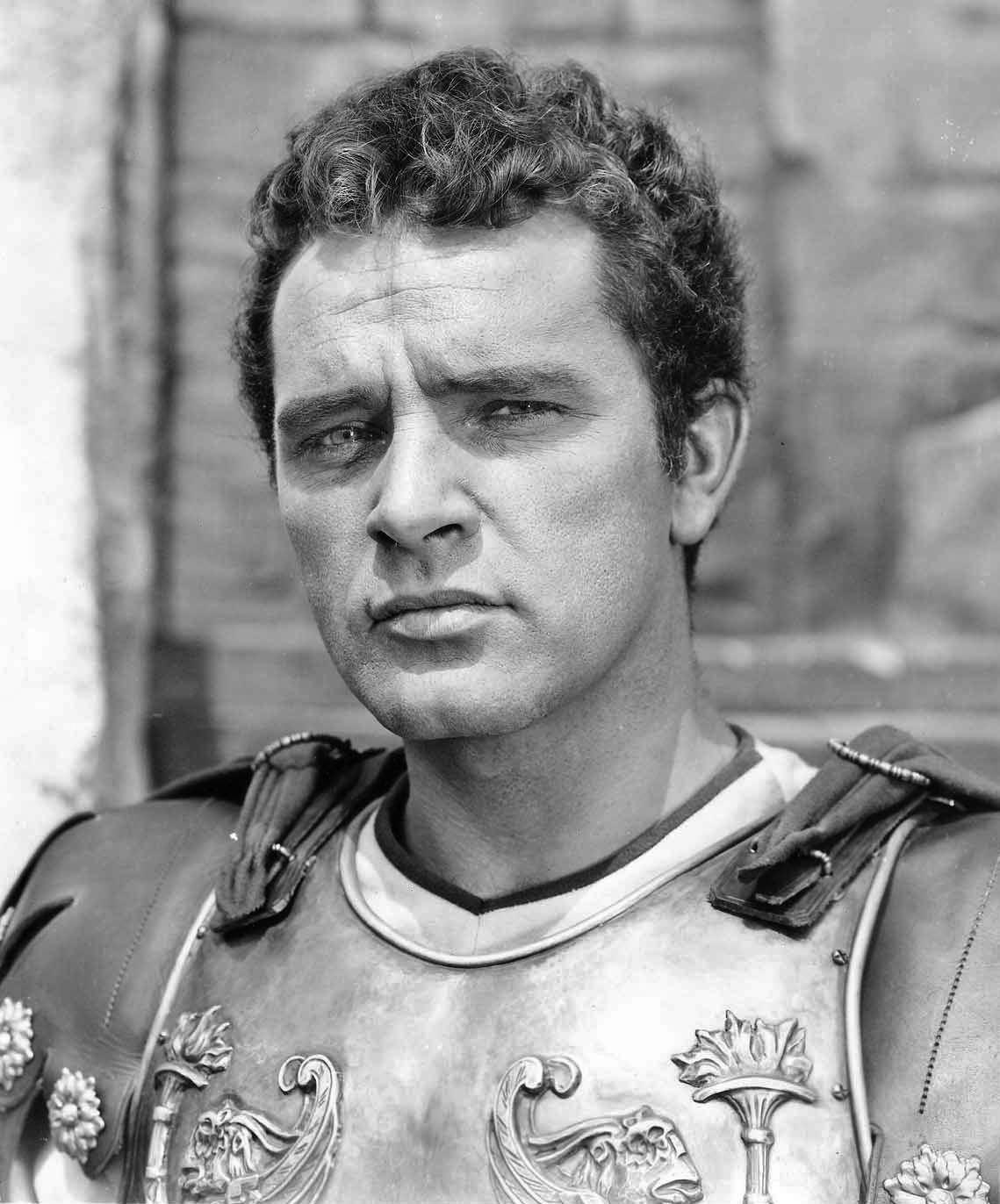
Thomas Becket — Richard Burton
Played by Richard Burton
A Saxon commoner elevated to archbishop by Henry II, Becket begins as the king's trusted ally and chief administrator. His rising moral authority soon pits him against royal demands for ecclesiastical obedience. He defends the church's independence, becoming a catalyst and victim in a brutal power struggle.
- 🗡️ Ambition
- 🛡️ Loyalty
- ⛪ Religion
-
King Henry II — Peter O'Toole
Played by Peter O'Toole
A ruler who values control and pleasure over governance, Henry leans on Becket only to feel betrayed when the archbishop asserts church autonomy. His temper and insecurity fuel a destructive conflict that spirals toward tragedy. The film frames him as both charismatic leader and culpable antagonist.
- 🗡️ Power
- 🐘 Authority
- ⚔️ Conflict
-
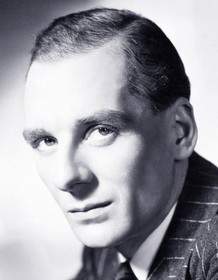
King Louis VII — John Gielgud
Played by John Gielgud
The French king shelters Becket in exile and toys with English politics for his own ends, offering aid and strategic leverage. He is both conniving and sympathetic, using Becket to vex Henry II while playing the moral high ground. His involvement underscores the transnational stakes of the Becket affair.
- 🏰 Diplomacy
- 🗡️ Manipulation
- ⛪ Religion
-

Queen Eleanor of Aquitaine — Pamela Brown
Played by Pamela Brown
A political and emotional force in Henry II's circle, she views Becket's influence with suspicion and caution. Her alliance with or against Becket reflects marital and dynastic tensions within the English crown. She embodies the personal dimension of a kingdom under strain.
- 👑 Politics
- 🧭 Alliance
- 💬 Influence
-
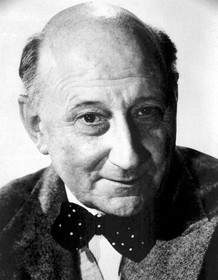
Archbishop of Canterbury — Felix Aylmer
Played by Felix Aylmer
The elder church figure opposing taxation of church property, he anchors the conflict with Henry II over church rights. He stands as a moral counterweight to royal demands, representing ecclesiastical authority and tradition. His stance intensifies Becket's role as church defender.
- ⛪ Tradition
- 🛡️ Authority
- 🗡️ Conflict
- PA
Pope Alexander III — Paolo Stoppa
Played by Paolo Stoppa
The papal voice that guides Becket back to England and urges ecclesiastical legality. He reinforces the divine legitimacy of church independence against royal overreach. His involvement adds a global dimension to the domestic struggle.
- 👑 Papal
- ⛪ Canonical
- 🕊️ Guidance
Where and When Is Becket Set?
Becket is set in England, France, Vatican City and Normandy (12th century). Here is why the time and place matter to the story.
When
12th century
The events take place in the mid-1100s, during the reign of Henry II of England and the era of papal authority. It is a period when royal power and church autonomy battle for supremacy amid feudal politics and crusading-era tensions. The setting emphasizes a pre-modern world where personal loyalties and religious authority determine political outcomes.
Where
England, France, Vatican City, Normandy
Becket's world centers on the English court and Canterbury, with royal intrigues and church matters spilling over into other realms. The action moves between London, the Norman coastline, and the papal enclave, reflecting a Europe where crown, church, and papacy shape events. Key scenes unfold in France at Louis VII's court and in the Vatican, underscoring the international reach of a domestic conflict.
- 🗺️ Europe
- 🕰️ Medieval
- ⛪ Religion
- 🏰 Politics
What Are the Themes of Becket?
4 ideas the story keeps returning to, among them Power vs Faith, Loyalty and Authority.
-
01
Power vs Faith
The film centers on the clash between secular royal authority and the independence of the church. Henry II's attempts to control church property and clergy collide with Becket's commitment to ecclesiastical autonomy. Conflicts escalate to violence, showcasing the peril when political power challenges spiritual authority.
-
02
Loyalty
Becket's relationship with Henry II begins as intimate trust and administrative partnership. As Becket aligns with the Church, loyalty fractures, revealing the strain between personal allegiance and higher principles. The pursuit of loyalty drives much of the plot's tragedy and character transformation.
-
03
Authority
The ruling class maneuvers to consolidate power, often at the expense of moral scruple. Nobles, queens, and bishops negotiate influence, drafting a tangled web that shapes England's future. The film portrays leadership as a perilous balance between ambition and conscience.
-
04
Canonization
Public perception and religious legitimacy drive the final arc, turning Becket into a folk hero and saintly figure. The tension between political expediency and spiritual truth informs the path toward canonization. The ending frames Becket's legacy as a symbol of church resilience against secular coercion.
What Kind of Film Is Becket?
Tense in tone, with steady pacing and a moderate story, going by the plot summary.
- Tone
- Tense
- Pacing
- Steady
- Story
- Moderate
- Intensity
- High
- Ending
- Bittersweet
A tense and solemn historical epic that chronicles the tragic erosion of a deep friendship under the crushing weight of political and religious power, culminating in a devastating act of martyrdom.
- solemn
- tragic
- tense
- grandiose
- meditative
- devastating
- friendship and betrayal
- church vs state
- power and corruption
- martyrdom
Content notes: assassination, murder, political violence.
Quiz
How well do you remember Becket? Test yourself on the story.