What Is The Lion in Winter About?
The premise of The Lion in Winter in 279 words, with nothing given away. The full story follows below.
In the wintry heart of the 12th‑century Angevin Empire, the stone halls of Chinon glow with candlelight as a royal Christmas gathering draws together monarchs, nobles, and a family whose bonds are as tangled as the tapestries that line the walls. The film bathes the audience in a richly textured medieval world where the clang of armor and the murmur of political counsel blend with the soft strains of a seasonal feast, setting a tone that is both regal and intimate.
Henry II presides over the celebration with the swagger of a seasoned ruler, yet beneath his confident veneer lies a restless concern for the future of his sprawling realm. Opposite him, Eleanor of Aquitaine returns from confinement, her presence a potent mix of unyielding spirit and regal grace. Their sons—Richard, the celebrated warrior, and John, the younger claimant—stand at the center of their parents’ unspoken calculations, each embodying a different promise for the dynasty’s legacy.
Adding an extra layer of chess‑like complexity is Philip II of France, whose arrival turns the festive atmosphere into a subtle arena of diplomatic intrigue. Alongside him, Alais, the king’s confidante, moves through the court with a quiet influence that hints at the delicate bargains awaiting completion. The interactions among these figures crackle with sharp wit, lingering affection, and the ever‑present undercurrent of power that binds and divides them.
The film’s mood is one of elegant tension, where love and ambition sparringly intertwine, and every glance may conceal a strategic thought. Through sumptuous scenery and keenly drawn dialogue, the story invites viewers to linger on the fragile dance of a family whose personal passions are inseparable from the empire they seek to command.
What Happens in The Lion in Winter?
The complete story of The Lion in Winter, from the first scene to the last, in 1,057 words (about 5 minutes). Spoilers throughout. Names in the text link to 16 cast member pages.
Spoilers ahead
In 1183, within the sprawling medieval Angevin Empire, a tense Christmas gathering unfolds at Chinon, a royal castle perched in the heart of Touraine. Fifty-year-old Henry II of England, Peter O’Toole, seeks to secure a stable line of succession and hatches a bold, if perilous, plan to shape the kingdom’s future. He wants his youngest son, John, to inherit the throne, while his estranged wife, Eleanor of Aquitaine, reprieved from imprisonment for the holiday, publicly backs their eldest surviving son, Richard, a proven warrior whose prowess has already earned him loyalty on battlefields and in the field of politics alike.
To smooth the path forward, Henry invites Philip II of France, Timothy Dalton, to Chinon to settle pressing business. Philip arrives with demands that he bring Alais, Henry’s mistress and his half-sister, into a formal troth with Henry’s intended heir. The strategic goal is clear: Henry proposes a swap—Alais would wed Richard and Richard would stand as heir, in exchange for Eleanor surrendering the Duchy of Aquitaine to the crown. Eleanor, as the plan unfolds, fights to keep her own son John within the inheritance, seeking leverage and freedom as the holiday revelations ripple through the hall.
When the arrangements surface during the wedding, the quiet scheme ignites a web of treachery and rival ambitions. Richard, the brave young warrior, is reluctant to go through with the marriage that would tie him to Aquitaine’s fate. John is ensnared by Geoffrey II, Duke of Brittany, whose own schemes pull him toward factional scheming, while Geoffrey covertly plots with Philip to wage war on Henry in return for becoming John’s chancellor. Richard, meanwhile, begins to plot with Philip, creating a fragile truce of convenience that threatens Henry’s plans. The atmosphere is charged with whispers and hidden alliances as the three princes hide just out of sight, listening to conversations that reveal the depth of Henry’s duplicity and the complications of love, loyalty, and power.
Philip, sensing opportunity, lays bare a past doubt that muddies the loyalties of the brothers and suggests that romance and rivalry have tangled the royal siblings more than any battlefield could. When Richard rises to voice his outrage, Philip confronts him with a pain that runs deeper than political ambition, accusing Richard of a past intimacy that was never meant to be spoken aloud. The moment is sharp and personal, turning political maneuvering into a personal betrayal that stings Henry, who recognizes the fragility of his own plans in the face of his sons’ ambition and Eleanor’s unwavering resolve.
Seeing the growing danger to his designs, Henry makes a ruthless, if grave, judgment: he dismisses all three sons as unsuitable heirs and locks them away in the dungeons, preparing a solemn journey to Rome to seek an annulment of his marriage to Eleanor. The aim is to remarry and produce new heirs with Alais, reshaping the line of succession according to his will. Eleanor, however, warns that releasing this dangerous trio would also release traitorous forces that could kill any new heir, underscoring the peril that accompanies every political gambit.
Perceiving the need to weigh his options, Henry confronts the three would-be heirs together. In a moment of stark drama, he raises his sword toward Richard, but the blade does not find its mark; instead, it falls harmlessly on Richard’s shoulder, a symbolic gesture that reveals Henry’s reluctance to fully sever ties with his children despite their misrule. Weeping, he allows them to escape, a concession born of sorrow more than mercy. The weight of the night settles on all present, and Eleanor’s steadfast presence beside him reminds him of a bond that endures beyond political calculation.
As dawn breaks, Eleanor sails away on her barge, her departure marked by a quiet farewell that hints at the enduring complexity of their relationship. Henry stands with a mix of longing and hollow cheer, shouting nonsensical words to mask the ache of a love complicated by power, loyalty, and years of marriage. The two old rivals—bound by a history that neither could fully sever—acknowledge a stubborn, undeniable love that persists despite every maneuver for control. The film leaves them in a moment of fragile, hopeful reunion, a promise to resume their clashes and their jousts in the year ahead, as the empire awaits the next chapter of an enduring, tumultuous dynasty.
- Richard, Anthony Hopkins, stands at the center of Henry’s plans and promises, embodying the military strength and personal virtue that Henry both admires and fears.
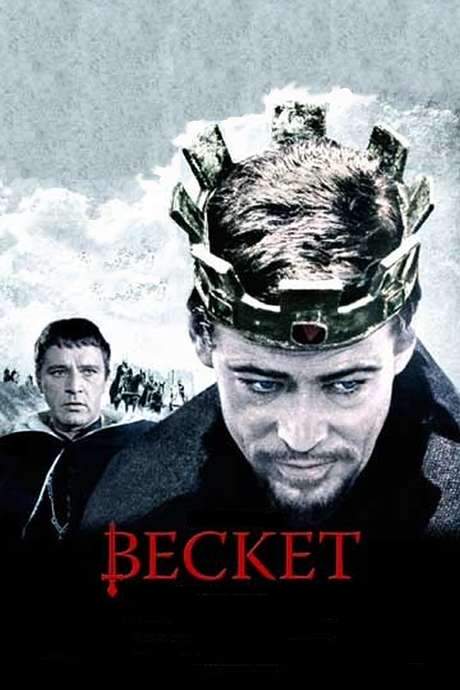
- Henry II, Peter O’Toole, governs through wit and will, navigating treachery and affection with a ruler’s precision and a father’s vulnerability.
- Eleanor of Aquitaine, Katharine Hepburn, remains a formidable force whose desire to protect her son and her own freedom clashes with Henry’s ambitions, creating a tension that powers every crucial choice.
- Philip II, Timothy Dalton, moves through the political dance with a dangerous charm, his own ambitions aligning with or challenging the plans of the other sovereigns at Chinon.
- Alais, Jane Merrow, appears as the linchpin in the delicate bargain that could bind Richard to Aquitaine—or free his rivals from the weight of a crown.
- Geoffrey II, Duke of Brittany, John Castle, plays a key role in steering John toward political treachery, a reminder that medieval power is often a family affair.
- John, Nigel Terry, manoeuvres behind the scenes with his brothers, his ambitions nudged by treachery and the lure of the throne.
- William Marshal, Nigel Stock, makes his presence felt in a court where loyalty is tested and alliances shift with the tides of marriage, war, and dynastic promise.
- The Bishop of Durham, O.Z. Whitehead, and the minor players—the Strolling Players, including Henry Woolf, David Griffith, Kenneth Griffith, and Karol Hagar—move through the narrative as witnesses and catalysts to the unfolding drama.
- Queen Eleanor’s Guard, Kenneth Ives, and the Lady in Waiting, Fran Stafford and Ella More, populate the margins of power with quiet presence and unspoken loyalties.
If you’re exploring the film’s intricate braid of family drama, political games, and the soft, stubborn thread of love that ties Henry and Eleanor together, you’ll find a narrative that defies simple verdicts. It invites reflection on what dynasty means when hearts are as mighty as empires, and how a single holiday could recalibrate a throne’s future for years to come.
The Lion in Winter Timeline: Every Key Event in Order
11 key events in the order they happen, from “Henry II summons his family for Christmas at Chinon” to “Morning departure and vow to joust again”. Every event takes place in Chinon, Touraine.
- 1
Henry II summons his family for Christmas at Chinon
Henry II gathers his family at Chinon for Christmas to decide the succession. He aims to appoint Richard as his heir and to use Alais's marriage to seal that plan, while Eleanor is leveraged to surrender Aquitaine. The tense gathering foreshadows a dangerous family-wide power struggle.
When:1183 Christmas Where:Chinon, Touraine
- 2
Eleanor is freed and backs Richard
Eleanor of Aquitaine is reprieved from imprisonment and participates in the holiday, shaping events from the shadows. She openly supports Richard as the rightful heir, a seasoned warrior favored by circumstance. The old king’s scheme faces renewed resistance from the queen.
When:1183 Christmas Where:Chinon, Touraine
- 3
Philip II arrives with demands
Philip II of France attends and presses Henry to deliver either a wedding for Alais or the return of her dowry and the crucial Vexin. Henry negotiates to satisfy him while keeping his broader plan intact. The French king’s demands inject new urgency into the family’s fragile arrangement.
When:1183 Christmas Where:Chinon, Touraine
- 4
The bargain: Alais for Richard, Aquitaine for Eleanor
Henry formalizes a bargain: Alais will wed Richard and Richard will be named heir in exchange for Eleanor surrendering Aquitaine. Eleanor protests the loss of her duchy while weighing the consequences for the realm. The deal exposes the deep rift between power, love, and loyalty.
When:1183 Christmas Where:Chinon, Touraine
- 5
The wedding revelation and Richard's refusal
The arrangement is revealed at the wedding, and Richard refuses the match and its promise of kingship. His refusal signals he will pursue Aquitaine and his own power rather than accept his father’s terms. The moment crystallizes the fracture within Henry’s succession plan.
When:1183 Christmas Where:Chinon, Touraine
- 6
John and Geoffrey plot with Philip
John is manipulated by Geoffrey II to ally with Philip against Henry in exchange for becoming John’s chancellor. The conspiracy seeks to destabilize Henry’s plan and rearrange the line of succession. Tension within the royal bloodline escalates as scheming intensifies.
When:1183 Christmas Where:Chinon, Touraine
- 7
Secrets behind a curtain
Richard, John, and Geoffrey hide behind a curtain as Philip reveals their scheming to Henry and the others. Philip insinuates that he and Richard may have shared a romantic past, casting their bond as a treacherous ruse. The room absorbs a brutal, intimate revelation that deepens mistrust.
When:1183 Christmas Where:Chinon, Touraine
- 8
Henry condemns the princes; plans to go to Rome
Recognizing treachery, Henry dismisses his three sons as unsuitable heirs and orders them imprisoned. He vows to travel to Rome to obtain a papal annulment of his marriage to Eleanor and to wed Alais to sire new heirs. The aging king’s plan collapses under the weight of family betrayal.
When:1183 Where:Chinon, Touraine
- 9
Eleanor warns against releasing the offspring
Eleanor cautions that releasing the treasonous offspring may doom any future heir and challenges Henry’s grasp on power. She argues that their quarrel extends beyond a single marriage and alliance. The conflict between them remains unresolved, even as their bond endures.
When:1183 Where:Chinon, Touraine
- 10
Final confrontation and mercy
Henry confronts the three princes and condemns them in principle, raising his sword over Richard’s shoulder. The blade lands harmlessly, and Henry chooses mercy, letting them escape. The moment underscores the collapse of Henry’s plans and the deepening rift with Eleanor.
When:1183 Where:Chinon, Touraine
- 11
Morning departure and vow to joust again
In the morning, Eleanor leaves on a barge, waving goodbye as Henry bellows cheerful nonsense. They acknowledge their enduring love and vow to resume their jousting next year. The film closes on a fragile, hopeful note despite the tumultuous events.
When:1183 morning Where:Chinon, Touraine
Who Are the Main Characters in The Lion in Winter?
7 characters, among them Henry II (Peter O'Toole), Eleanor of Aquitaine (Katharine Hepburn) and Richard (Richard the Lionheart) (Anthony Hopkins): who each one is and the part they play in the story. Every profile links to the actor’s page.
-
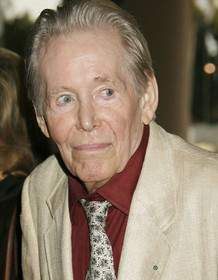
Henry II (Peter O'Toole)
Played by Peter O'Toole
The aging king of the Angevin Empire who masters manipulation and strategy. He woos to secure his succession plan, but his scheming backfires as his sons plot against him. His authority is undercut by family tensions, yet he remains the central architect of the drama, trying to preserve his crown and legacy.
- 👑 Royalty
- 🗡️ Power
- 🤝 Strategy
-
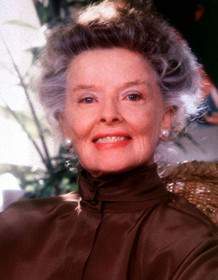
Eleanor of Aquitaine (Katharine Hepburn)
Played by Katharine Hepburn
A formidable, intelligent queen whose wit and will challenge Henry’s authority. She uses her influence to protect the Aquitaine and to shape succession, while also seeking her own freedom. Her presence anchors the emotional core of the conflict and its eventual reconciliation.
- 👑 Royalty
- ❤️ Love
- 🧭 Politics
-
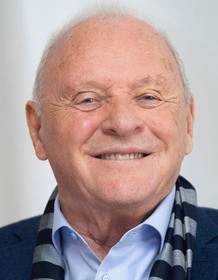
Richard (Richard the Lionheart) (Anthony Hopkins)
Played by Anthony Hopkins
A seasoned warrior favored by Eleanor, he becomes a focal point of Henry's plan for the future. His strength and desires collide with his father’s ambitions, revealing the limits of royal favor and the cost of power. He stands at the center of intense family intrigue.
- 🗡️ Betrayal
- 🛡️ Heroism
- J(
John (Nigel Terry) as John
Played by Nigel Terry
Henry's cunning younger son who becomes entangled in plots with Geoffrey and Philip. His ambition drives the internal conflict and showcases the fragility of any succession plan when siblings collude against their father.
- 🗡️ Betrayal
- 👑 Ambition
-
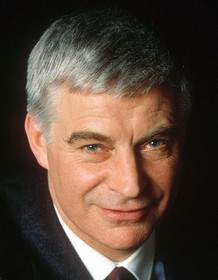
Geoffrey II, Duke of Brittany (John Castle)
Played by John Castle
A schemer among Henry's sons, Geoffrey lurks behind the scenes, manipulating events to further his own position. His conspiratorial mindset highlights the corrosive effect of rivalries within a fractured royal family.
- 🗡️ Intrigue
- 👑 Power
-
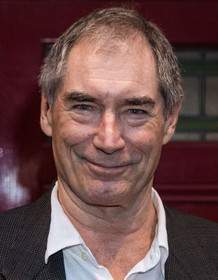
Philip II of France (Timothy Dalton)
Played by Timothy Dalton
The ambitious French king who negotiates and schemes against Henry to shape the region’s balance of power. He represents the external pressure and diplomatic complexity that influences the family’s dynastic struggles.
- 👑 Royalty
- 🗡️ Intrigue
- A(
Alais (Jane Merrow)
Played by Jane Merrow
Henry’s young mistress whose betrothal to Richard becomes a bargaining chip in the royal negotiations. Her position underscores how personal relationships are weaponized in statecraft and how agency can be constrained by dynastic plans.
- 💍 Marriage
- 👑 Influence
Where and When Is The Lion in Winter Set?
The Lion in Winter is set in Chinon Castle, Chinon, Touraine and Angevin Empire (Late 12th century (1183)). Here is why the time and place matter to the story.
When
Late 12th century (1183)
The events take place during the Christmas gathering of Henry II's realm in 1183, a time of feudal loyalties and competing claims to succession. King, queen, and princes maneuver within a rigid social code, while alliances are made and broken in candlelit halls. The period is defined by strategic marriages, dowries, and the looming prospect of conflict between England and France.
Where
Chinon Castle, Chinon, Touraine, Angevin Empire
Set in the 12th-century Angevin Empire, the action unfolds inside Henry II's castle at Chinon. The stone fortress and surrounding Loire valley echo the era's chivalric politics and dynastic maneuvering. The locale provides a claustrophobic stage for family power plays and negotiations that ripple through kingdoms.
- 🏰 Medieval setting
- 👑 Royal intrigue
- 🗺️ French countryside
What Are the Themes of The Lion in Winter?
4 ideas the story keeps returning to, among them Family politics, Betrayal & intrigue and Marriage & diplomacy.
-
01
Family politics
The film centers on a dynastic struggle where affection and loyalty are entangled with ambition. Henry's attempts to control succession clash with his children's desires, forcing painful choices and betrayals. The drama emerges from the intimate power dynamics inside a ruling family.
-
02
Betrayal & intrigue
Plots, counterplots, and hidden loyalties drive the plot. The characters manipulate one another, revealing how quickly trust erodes under the pressure of legitimacy and inheritance. The tension escalates as alliances shift behind the curtain.
-
03
Marriage & diplomacy
Strategic marriages and dowries are used as currency to secure power and territory. The negotiation over Alais embodies how personal relationships become tools of statecraft. The film shows how diplomacy can mask underlying tension and rivalry.
-
04
Love & reconciliation
Despite the scheming and battles, affection endures between Henry and Eleanor. Their relationship complicates political calculations and ultimately tempers the violence of the plot. The ending hints at a fragile truce and a renewal of their bond.
What Kind of Film Is The Lion in Winter?
Tense in tone, with steady pacing and a complex story, going by the plot summary.
- Tone
- Tense
- Pacing
- Steady
- Story
- Complex
- Intensity
- High
- Ending
- Bittersweet
A tense and witty chamber drama set in a medieval castle, where a dysfunctional royal family engages in a high-stakes battle of wits and wills over power and succession, charged with sharp dialogue and melancholic undertones.
- tense
- witty
- claustrophobic
- melancholic
- power-hungry
- duplicitous
- dynastic succession
- political intrigue
- dysfunctional family
- marital estrangement
Content notes: imprisonment, emotional manipulation.
Quiz
How well do you remember The Lion in Winter? Test yourself on the story.