What Is A Man for All Seasons About?
The premise of A Man for All Seasons in 310 words, with nothing given away. The full story follows below.
In the opulent yet precarious world of Tudor England, the court swirls with ambition, splendor, and the ever‑present shadow of religious authority. King Henry VIII, driven by a personal desire that rattles the very foundations of the realm, seeks a path that could reshape the nation’s spiritual allegiance. The grandeur of palace corridors is matched only by the undercurrent of political maneuvering, creating a setting where loyalty is a currency and conscience an increasingly rare commodity.
At the heart of this maelstrom stands Sir Thomas More, a scholar‑statesman famed for his intellect and unwavering devotion to the Catholic faith. As Lord Chancellor, he occupies the highest seat of counsel to the monarch, yet his moral compass refuses to bend to the king’s matrimonial ambitions. More’s internal struggle is mirrored in his interactions with family, friends, and fellow courtiers, each offering a different perspective on duty, honor, and the price of integrity. His calm, measured demeanor contrasts sharply with the restless energy of a kingdom on the brink of transformation.
Surrounding him are figures who embody the various temptations of power. Cardinal Wolsey, the seasoned architect of royal policy, wrestles with the limits of influence, while the eager Richard Rich eyes advancement with a blend of admiration and self‑interest. The king’s own assertiveness and the subtle pressures of the emerging Protestant ideas add layers of tension that ripple through every conversation. Together, they paint a portrait of a society where personal belief and public expectation collide.
The film’s tone is a measured blend of historical gravitas and intimate drama, inviting viewers to feel the weight of each choice made within marble halls and candle‑lit chambers. It promises a thoughtful exploration of how one man’s steadfast principles can echo against the thunder of an empire reshaping itself, leaving the audience to wonder whether conscience can truly withstand the relentless tide of authority.
What Happens in A Man for All Seasons?
The complete story of A Man for All Seasons, from the first scene to the last, in 847 words (about 4 minutes). Spoilers throughout. Names in the text link to 9 cast member pages.
Spoilers ahead
Cardinal Wolsey (Orson Welles) summons Sir Thomas More (Paul Scofield) to his grand palace at Hampton Court. Wolsey seeks More’s backing in his quest to secure a divorce from the Pope, enabling the King to marry Anne Boleyn. He expresses frustration at More being the lone voice of dissent in the Privy Council. Upon hearing More’s insistence that the Pope will never grant such a divorce, Wolsey is taken aback by More’s refusal to endorse his plan to exert “pressure” for an annulment. More stands firm, asserting that legal and religious avenues have been exhausted, leaving no basis for the Pope to approve such a request.
As More takes a ferry back to his estate along the River Thames, he encounters Richard Rich (John Hurt), a young acquaintance from his Cambridge days. Ambitious and drawn to power, Rich implores More for a position at Court. However, More, warning him of the rampant corruption within, suggests that Rich pursue a career in teaching instead.
Upon returning home, More discovers his daughter Meg (Susannah York) with William Roper (Corin Redgrave), a young Lutheran who seeks to marry her. More, a devout Catholic, firmly declines—“no” will be his answer as long as Roper remains a heretic.
Wolsey, stripped of his power and banished from Court after failing to manipulate the Pope into granting a divorce, meets his demise. Meanwhile, King Henry (Robert Shaw) promotes More to Lord Chancellor of England. Soon after, the King unexpectedly visits More at home on a barge to probe about the divorce. More, caught between his conscience and the King’s expectations, stays resolute, even as Henry oscillates between veiled threats and enticing offers of royal favor. The King’s temper flares when More refers to Catherine as “the Queen,” leading to a fit of rage as he storms off, leaving his courtiers scrambling to keep up, much to his amusement.
At the riverbank, Rich encounters Thomas Cromwell (Leo McKern), who slyly suggests he might have information that could tarnish More’s reputation in exchange for a position at Court. Meanwhile, Roper—having heard of More’s discontent with the King—reveals a radical shift in his own beliefs, boldly declaring that the King has become “the Devil’s minister” by challenging the Catholic Church. More, anxious for Roper’s safety, urges caution as Rich returns, once more seeking a Court position. When More denies him again, Rich spitefully claims that More’s steward is a spy for Cromwell, unraveling an alarming truth for More and his family, including his wife Alice (Wendy Hiller)—that Rich is indeed being used by Cromwell.
Despite the pleas of his family to have Rich arrested for his treachery, More maintains his stance, insisting that Rich, while a threat, has broken no laws. As Rich aligns himself with Cromwell, their combined efforts intensify against More. Frustrated by the Vatican’s inaction regarding his annulment, Henry declares himself the “Supreme Head of the Church in England,” forcing both Parliament and the bishops to forsake their allegiances to the Pope. In quiet defiance, More resigns his chancellorship rather than submit to the new order, recognizing that the time has come for discretion over open discourse.
The King’s demands escalate, compelling More to attend his wedding to Anne Boleyn. More, steadfast in his principles, resists and is summoned back to Hampton Court, now ruled by Cromwell, where he faces interrogation about his beliefs. Citing his rights under English law, More’s refusal to respond only enrages Cromwell, who threatens him with charges of treason.
Returning home, More learns from Meg about a newly circulated oath regarding the marriage to Anne Boleyn. Initially, he contemplates taking the oath, conditional on it aligning with his conscience. However, understanding the implications—that the King cannot claim supremacy over the Church as that role is reserved for the Pope—More ultimately refuses to take the oath, leading to his imprisonment in the Tower of London.
Despite Cromwell’s coercive tactics, the subtle influence of Archbishop Thomas Cranmer, and the entreaties of both Norfolk (Nigel Davenport) and his family, More remains unyielding in his principles. When brought to trial, he remains silent until convicted of treason, based solely on the perjured testimony of Richard Rich, who soon after receives a promotion to Attorney General for Wales as a reward.
Facing a grim fate, More boldly denounces the King’s overreach, invoking the Biblical authority of the Papacy and the sanctity of the Church’s immunity from State interference, as guaranteed by the Magna Carta and the King’s own Coronation Oath. The courtroom erupts in chaos as spectators protest, yet More is condemned to die.
In the aftermath, a narrator recounts the fates of the principal figures: More’s head is displayed on Traitor’s Gate for a month until his daughter Margaret retrieves it, keeping it until her decease. Cromwell eventually faces execution for high treason within five years of More, the Archbishop is burned at the stake, and although the Duke of Norfolk narrowly escapes execution, his life ultimately hangs by the King’s demise from syphilis. Meanwhile, Richard Rich climbs to the highest echelons of power as Chancellor of England, living out his days unscathed.
A Man for All Seasons Timeline: Every Key Event in Order
15 key events in the order they happen, from “Wolsey Summons More” to “Rich's Rise to Power”. 14 events name a place, across 8 locations.
- 1
Wolsey Summons More
Cardinal Wolsey summons Sir Thomas More to his grand palace at Hampton Court, seeking his support in securing a divorce from the Pope for King Henry. Wolsey feels frustrated as More stands as the sole voice of dissent in the Privy Council, insisting that the Pope will never grant the annulment.
Where:Hampton Court
- 2
More Refuses to Back Wolsey
During their meeting, Wolsey is taken aback by More's firm refusal to endorse his plan to exert pressure for a divorce. More emphasizes that all legal and religious avenues have been exhausted, indicating there is no basis for the Pope to approve such a request.
Where:Hampton Court
- 3
Encounter with Richard Rich
On his way home, More takes a ferry along the River Thames and encounters Richard Rich, an ambitious young man from his past. Rich expresses a desire for a court position, but More warns him about the rampant corruption at Court and advises him to pursue teaching instead.
Where:River Thames
- 4
More's Dilemma with Meg and Roper
Upon returning home, More finds his daughter Meg with William Roper, a young Lutheran seeking her hand. More, holding strong to his Catholic beliefs, refuses, stating that until Roper abandons his heretical views, he will not allow the marriage.
Where:More's estate
- 5
Wolsey's Downfall
Following his failure to procure a divorce from the Pope, Wolsey is stripped of his power and banished from Court, which leads to his demise. In contrast, King Henry promotes More to the position of Lord Chancellor of England.
Where:Court
- 6
The King's Visit
King Henry visits More unexpectedly at his home, arriving on a barge to discuss the divorce. More firmly upholds his beliefs even as Henry veers between threats and promises, resulting in a fierce argument that ends with the King storming off in anger.
Where:More's estate
- 7
Richard Rich and Thomas Cromwell
At the riverbank, Rich meets Thomas Cromwell who hints at having information that could ruin More's reputation. Rich, eager for a position at Court, aligns himself with Cromwell, setting the stage for future betrayals.
Where:Riverbank
- 8
Roper's Revelation
Roper confronts More, declaring his belief that the King is 'the Devil's minister' for opposing the Catholic Church. More, fearing for Roper's safety, advises caution amidst Rich's continued attempts to gain favor with More.
Where:More's estate
- 9
More's Resignation
In a display of quiet defiance, More resigns as Chancellor rather than submit to the King's new demands. He recognizes that discretion has become more crucial than open discourse given the King's declarations of supremacy over the Church.
Where:More's estate
- 10
The Oath of Supremacy
More learns of a newly circulated oath regarding King Henry's marriage to Anne Boleyn. Although he initially considers taking it, he ultimately refuses, understanding it contradicts his beliefs about the Pope's role.
Where:More's estate
Show the other 5 events of A Man for All Seasons Hide the last 5 events
- 11
Imprisonment in the Tower
Following his refusal to take the oath, More is imprisoned in the Tower of London. Despite facing threats and coercion from Cromwell, he steadfastly upholds his principles, enduring harsh conditions for his beliefs.
Where:Tower of London
- 12
Trial for Treason
More's trial commences, during which he remains silent, refusing to compromise his principles. Ultimately, he is convicted based solely on the perjured testimony of Richard Rich, who then receives a promotion in reward for his betrayal.
Where:Courtroom
- 13
More's Final Stand
Facing imminent execution, More boldly denounces the King's overreach, invoking the sanctity of the Papacy and Church immunity from state interference. His courtroom speech stirs chaos among spectators, revealing the tension of the moment.
Where:Courtroom
- 14
Aftermath of More's Death
After More's execution, a narrator reflects on the fates of the main characters. More's head is displayed as a warning but is later retrieved by his daughter Margaret, while Cromwell faces execution himself within five years.
Where:Traitor's Gate
- 15
Rich's Rise to Power
Despite the turmoil following More's execution, Richard Rich ascends to power, eventually becoming Chancellor of England. He lives on unscathed while other key figures face dire consequences for their roles in the King's court.
Who Are the Main Characters in A Man for All Seasons?
5 characters, among them Sir Thomas More (Paul Scofield), Cardinal Wolsey (Orson Welles) and Richard Rich (John Hurt): who each one is and the part they play in the story. Every profile links to the actor’s page.
-
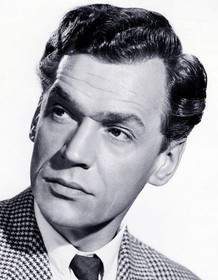
Sir Thomas More (Paul Scofield)
Played by Paul Scofield
Sir Thomas More is portrayed as a principled and devout man who stands firm in his beliefs, even when faced with the wrath of the King and his own potential execution. He embodies moral integrity and the struggle for justice, refusing to betray his conscience in pursuit of personal safety. More's character arc showcases his dedication to the truth and the profound impact of his sacrifices.
- 🕊️ Virtue
- 📜 Law
- ✝️ Faith
-
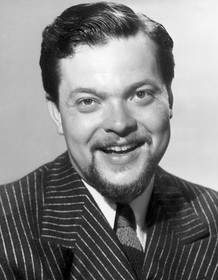
Cardinal Wolsey (Orson Welles)
Played by Orson Welles
Cardinal Wolsey is depicted as a powerful yet desperate political figure who initially seeks More's help to secure a divorce for King Henry VIII. His character represents the complexities of ambition and power, as he grapples with the consequences of his actions. Despite his cunning nature, Wolsey's fall from power highlights the precariousness of political machinations.
- 👔 Politics
- 💼 Ambition
- ⚔️ Manipulation
-

Richard Rich (John Hurt)
Played by John Hurt
Richard Rich is portrayed as an ambitious young man driven by desires for power and influence, willing to betray his old friend for personal gain. His character illustrates the corruptive nature of ambition and the ethical compromises individuals make to climb the social ladder. Rich's switch from loyalty to treachery serves as a foil to More's integrity.
- 👤 Betrayal
- 👑 Ambition
- 🔍 Corruption
- WR
William Roper (Corin Redgrave)
Played by Corin Redgrave
William Roper is depicted as a passionate young Lutheran who seeks to marry More's daughter. His evolving beliefs reflect the fervor of the Reformation and the tensions of the time. Roper's character experiences a transformation, showcasing the struggle between romantic ideals and the harsh realities of faith and politics.
- ❤️ Love
- 📚 Beliefs
- 🏰 Reform
- MM
Meg More (Susannah York)
Played by Susannah York
Meg More is portrayed as the devoted daughter of Sir Thomas More, caught in the turmoil of her father's principles and the political upheaval surrounding them. Her character represents family loyalty and the struggles faced by women during the era, as she navigates her own desires amid her father's steadfast convictions.
- 👧 Family
- 💔 Loyalty
- 🌸 Feminine Strength
Where and When Is A Man for All Seasons Set?
A Man for All Seasons is set in Hampton Court, River Thames and Tower of London. Here is why the place matters to the story.
When
The movie is set during the reign of King Henry VIII in the early 16th century, a time marked by significant political and religious upheaval in England. This era is particularly notable for the English Reformation, where the Church of England broke away from the authority of the Pope and the Roman Catholic Church, leading to profound changes in English society.
Where
Hampton Court, River Thames, Tower of London
Hampton Court is a grand palace located in Richmond upon Thames, known for its stunning architecture and royal history. The River Thames, which flows nearby, has been a vital waterway in England, steeped in history and civilization. The Tower of London serves as a historic fortress and prison, infamous for the many prisoners held there and executions that took place, making it a symbol of the monarchy's power.
- 🏰 Palace
- 🌊 River
- ⛓️ Historic Site
What Are the Themes of A Man for All Seasons?
3 ideas the story keeps returning to, among them Integrity, Authority and Sacrifice.
-
01
Integrity
The theme of integrity is central to the film, exemplified by Sir Thomas More's steadfast adherence to his principles despite immense pressure from the monarchy and peers. More's unwavering commitment to his faith and moral beliefs highlights the individual’s struggle against corrupt power. His refusal to compromise for personal gain ultimately defines his legacy as a martyr for truth.
-
02
Authority
Authority is examined through King Henry VIII's assertion of power over the Church and the political landscape of England. The film explores the conflict between secular authority and religious obligation, illustrating the consequences of absolute power in a divided nation. More's resistance to the King's demands serves as a powerful critique of tyranny and the moral dilemmas faced by individuals under authoritarian regimes.
-
03
Sacrifice
Sacrifice is a poignant theme depicted through More’s choices to uphold his beliefs at the cost of his life and familial ties. His ultimate fate is a reflection of the personal sacrifices made for one's convictions, showcasing the struggle between public duty and private loyalty. The narrative emphasizes how such sacrifices resonate through generations, affecting loved ones left behind.
What Kind of Film Is A Man for All Seasons?
Tense in tone, with steady pacing and a moderate story, going by the plot summary.
- Tone
- Tense
- Pacing
- Steady
- Story
- Moderate
- Intensity
- High
- Ending
- Bleak
A tense and somber historical drama that follows a man's unwavering moral stand against a king, creating a claustrophobic and oppressive atmosphere of political pressure that culminates in tragedy.
- somber
- tense
- moral conflict
- oppressive
- stoic
- anxious
- moral courage
- political corruption
- religious conviction
- betrayal
Content notes: execution, political persecution, imprisonment, perjury.
Quiz
How well do you remember A Man for All Seasons? Test yourself on the story.