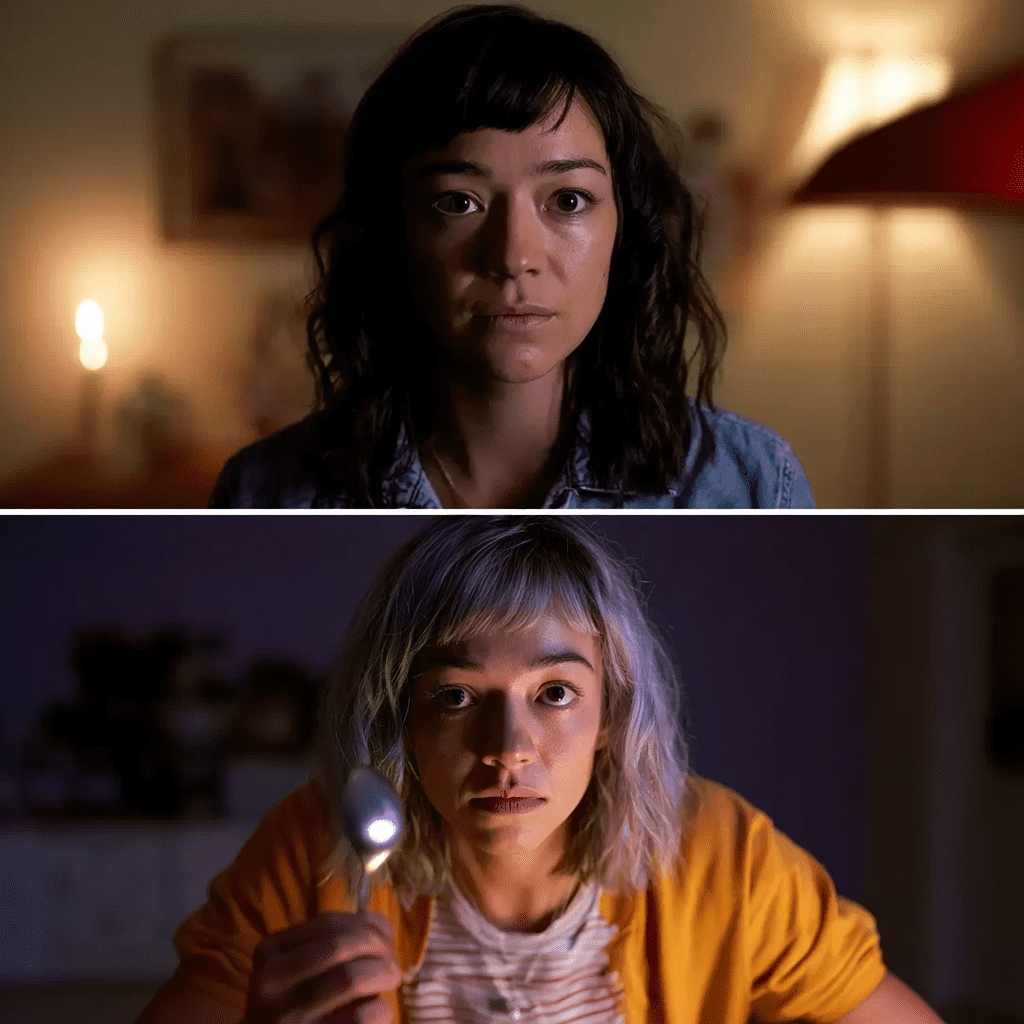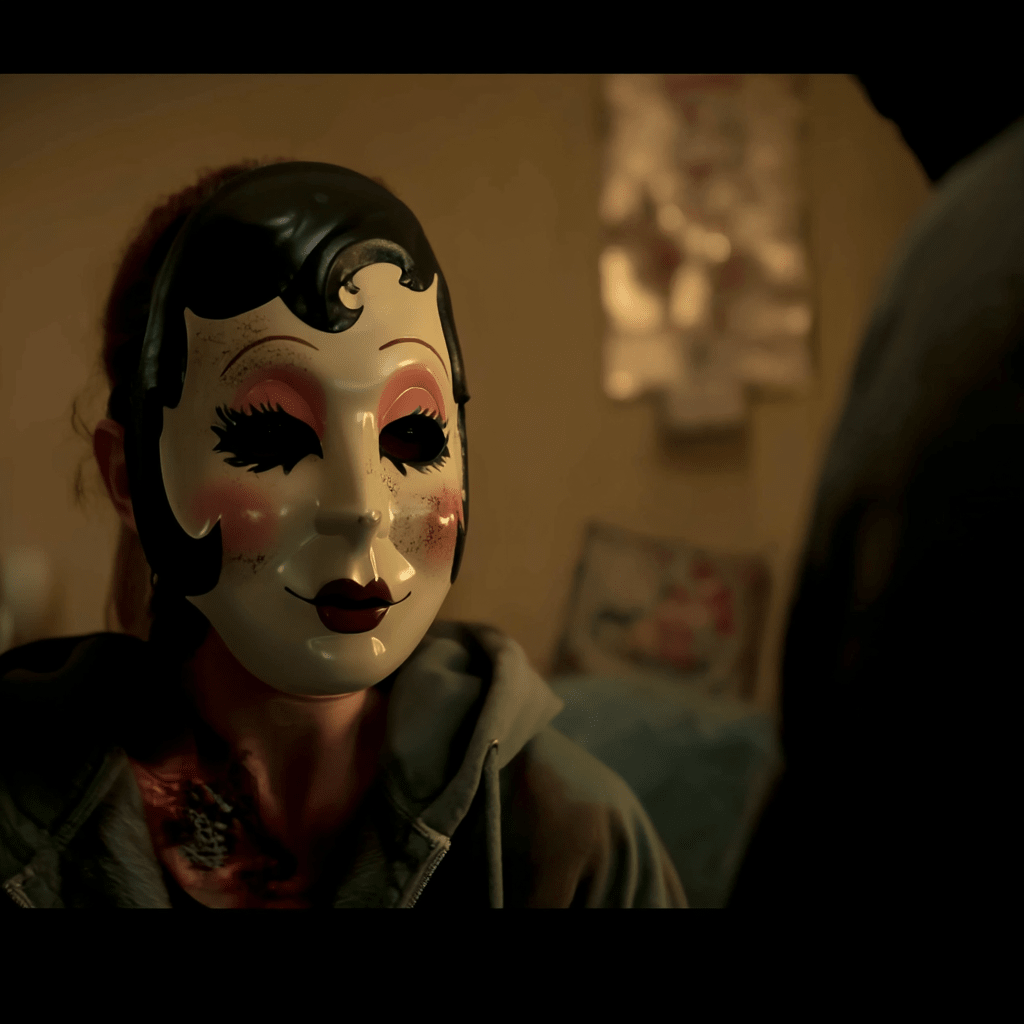
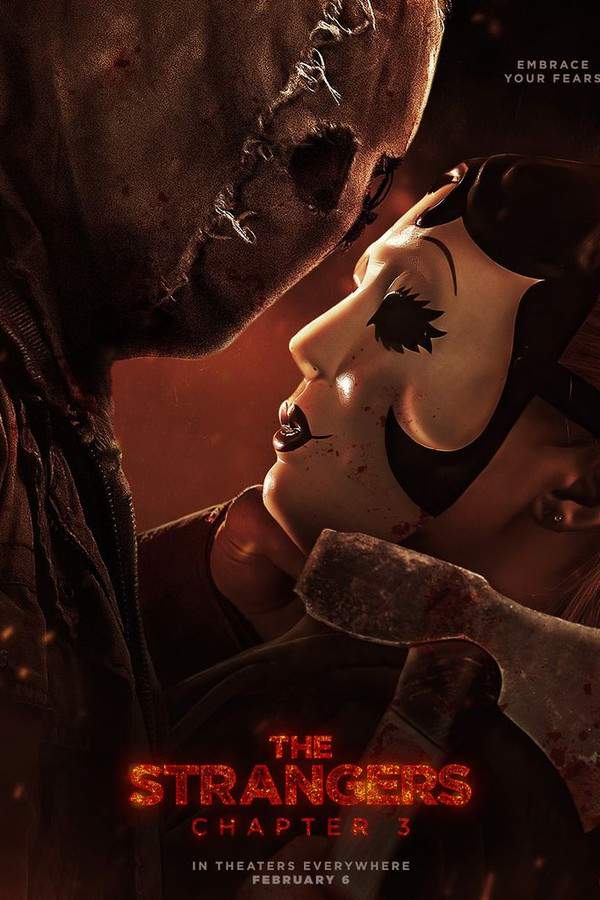
The Strangers: Chapter 3 Reviews and Reception: Is the 2026 Horror Trilogy Finale Worth Watching?
As the horror genre continues its relentless expansion into interconnected universes and multi-film sagas, few recent experiments have proven as divisive as Renny Harlin’s ambitious three-part reimagining of The Strangers. With The Strangers: Chapter 3 (2026) finally hitting theaters on February 6, 2026, audiences and critics alike have been eager—perhaps anxious—to see whether this controversial trilogy could stick the landing. The original 2008 cult classic built its reputation on minimalist dread, but Harlin’s modern interpretation opted for an expansive, serialized approach that has generated significant conversation across film communities.
For those seeking comprehensive coverage of this release, the What’s After the Movie summary page offers detailed insights into the film’s production background, while our movie page for The Strangers: Chapter 3 provides real-time aggregation of critic scores and user ratings. As viewers flock to search engines querying “Is The Strangers: Chapter 3 worth watching” and “The Strangers Chapter 3 2026 review,” the reception landscape reveals a fascinating fracture between professional critical consensus and genuine audience reactions.
This deep dive into the film reception of The Strangers: Chapter 3 examines everything from high-profile critic reviews to granular fan opinions, analyzing whether this trilogy conclusion satisfies horror aficionados or confirms fears about franchise fatigue. Whether you’re seeking a spoiler-free review or an in-depth film analysis of why this particular horror movie reception has proven so contentious, we’ll explore the critical divide, tonal inconsistencies, and the ultimate verdict on this polarizing conclusion.
Critical Consensus vs. Audience Divide: Analyzing the Split Reception of The Strangers: Chapter 3 (2026)
The most striking aspect of The Strangers: Chapter 3’s rollout has been the dramatic gap between aggregated critical consensus and grassroots audience reactions. While professional reviewers have largely panned the finale with scathing intensity, user-generated viewer reactions paint a more complicated, if still skeptical, picture. This dichotomy raises essential questions about genre expectations, franchise loyalty, and whether the film succeeds on its own merits or merely as a conclusion to an uneven trilogy.
Major outlets have been unsparing in their assessments. Collider delivered perhaps the most devastating verdict, declaring that “This Strangers trilogy was an ambitious concept that quickly became a disastrous failure that completely misunderstood this series to begin with.” Their film analysis suggests that even the build-up across three films couldn’t salvage an “underwhelming conclusion of a journey that wasn’t worth taking to begin with.” Similarly, The New York Times characterized the entire enterprise as empty, noting that “this empty trilogy offers few worthwhile returns other than well-duh horror lessons that should (but won’t) sink in: Leave good horror alone.”
The Guardian employed vivid imagery to capture the film’s perceived irrelevance, describing Chapter 3 as falling “somewhere between footnote and outright detritus, like a plastic bag being blown through the multiplex by a stiff breeze.” This sentiment echoes across multiple critic reviews, with TheWrap contending that the filmmakers “just tried to do the same schtick, but longer and worse,” adding the cutting observation that “‘longer and worse’ is only the goal if you’re trying to torture somebody.”
However, navigating to the What’s After the Movie platform reveals a different story in the user review sections. While certainly not glowing, fan opinions demonstrate more nuance than the critical consensus suggests. User quadraaa offered a measured movie review stating that while the film “isn’t terrible, it’s also not the comeback the franchise needed,” noting that “the cinematography and sound design do a lot of heavy lifting” and that “there are flashes of the creepy tone that made the original film memorable.” This perspective acknowledges specific technical merits that professional critics largely dismissed in their broader condemnations of the project.
The disparity intensifies when examining rating distributions. Professional scores from outlets like Screen Rant (10/100) and The New York Times (10/100) suggest near-total creative failure, yet audience ratings on aggregator platforms show a bell curve clustering around the 3.0–5.0 range. User Joseph W succinctly captured this middle-ground sentiment with a 3.5/5 rating and the observation: “Not a bad ending to the trilogy, watched 1 and 2 earlier.” Meanwhile, Clinton S broke from the negative trend entirely, awarding a perfect 5/5 and arguing that Chapter 3 stands as “the best out of all 3,” suggesting viewers “shouldn’t be held to the other 2 in this series.”
This split likely stems from divergent expectations. Critics approached the film as a capstone to a critically maligned trilogy, burdened by the baggage of Chapter 2’s reception. Audiences, particularly those invested enough to complete the trilogy, evaluated it through the lens of closure and consistency with established lore. The What’s After the Movie wiki tracks these evolving fan theories and reception patterns, offering insight into how film reception transforms as a movie moves from opening weekend to streaming availability.
Critic Reviews Deep Dive: Why Top Film Critics Are Calling the Trilogy Capper a “Disastrous Failure”
When examining the specific grievances articulated in The Strangers: Chapter 3 critic reviews, a pattern of disappointment emerges that transcends mere franchise fatigue. Critics haven’t just rejected this individual installment; they’ve questioned the fundamental viability of stretching the original’s minimalist concept across a three-film narrative architecture. Understanding these professional objections provides crucial context for anyone researching “The Strangers Chapter 3 2026 review” or “critical consensus” regarding the finale.
RogerEbert.com offered what passes for qualified praise among the critical establishment, noting that “The third chapter is better than the middle one by virtue of having at least a few new ideas and one less CGI wild boar.” However, this faint praise immediately curdles into the observation that it’s “still a shapeless mess, a movie that might have worked as the final act of one film.” This critique of structural integrity appears repeatedly across movie ratings and written assessments. The suggestion that Harlin’s trilogy would have functioned better as a single, condensed narrative aligns with user Gregory T’s intriguing comment about a rumored “4 hour cut.. all 3 films cut into one,” implying that the theatrical division may have fatally compromised pacing and tension.
Slant Magazine approached the film from a perspective of missed opportunities, observing that “It’s easy to imagine the nihilistic avenues that Renny Harlin’s trilogy capper could have gone down.” This suggests that critics weren’t merely hoping for a safe conclusion, but rather expected the finale to embrace the bleak, uncompromising tone that characterized the original 2008 film. Instead, as Screen Rant bluntly stated, “The only thing Harlin has done here is to remove the element of surprise. Without that, the film is nothing, nothing at all.”
Looper’s assessment focused on tonal degradation, arguing that “Director Renny Harlin does his best to maintain the same level of slow-burning dread as he pulled off in the prior film, but it ends up feeling like a mundane, fly on the wall account of the average day at the office for the two surviving killers.” This observation about the protagonists—or perhaps antagonists—speaks to a broader criticism about character development across the trilogy. Where the original film thrived on the terrifying randomness of violence, Chapter 3 allegedly transforms sustained horror into routine, draining the proceedings of their visceral impact.
For readers seeking additional film analysis and box office context for these reviews, our What’s After the Movie box office section tracks how these critical assessments correlate with commercial performance. The Metacritic and Rotten Tomatoes aggregation scores reflect this critical drubbing, with the film struggling to achieve “fresh” certification from either platform.
What makes these critic reviews particularly devastating is their consensus about the trilogy’s conceptual failure. Collider’s assertion that the project “completely misunderstood this series to begin with” suggests that the fundamental expansion from single-night survival horror to sprawling mythology was doomed from inception. Critics viewed Chapter 3 not as a salvage operation for Chapter 2’s missteps, but as confirmation that the entire endeavor was artistically bankrupt—a ”$” sign where genuine scares should have resided.
User Reactions and Fan Perspectives: Real Horror Fans Weigh In on Chapter 3’s Storytelling and Scares
While professional critics have largely condemned the film, digging into authentic user reactions and fan opinions reveals a more textured, if equally conflicted, reception landscape. Horror communities on platforms tracked by What’s After the Movie profiles demonstrate that dedicated genre enthusiasts have approached Chapter 3 with specific expectations regarding lore expansion, kill sequences, and atmospheric tension that sometimes diverge from critical priorities.
User quadraaa’s detailed movie review encapsulates the ambivalent middle ground many viewers occupy. They noted that the film “has a few tense moments and some effective atmosphere, especially in the early scenes,” but criticized how it “struggles to maintain suspense for a full runtime.” This pacing critique aligns with professional assessments but frames it as a disappointment rather than a disaster. Their observation that “the characters aren’t developed enough to make their decisions feel meaningful” addresses a core issue for viewer reactions: in a franchise built on relatable, every-person protagonists, Chapter 3 allegedly sacrifices emotional investment for mythology maintenance.
The technical aspects of the production receive more consistent praise from users than critics. Multiple audience reactions highlight the cinematography and sound design as compensatory strengths. This suggests that while Harlin may have faltered in narrative construction, certain craft elements satisfied genre fans seeking polished horror movie reception experiences. User alex briefly noted that “backstory flashbacks made it more ominous,” indicating that for some viewers, the expanded mythology—derided by critics as unnecessary—actually enhanced the dread.
However, dissatisfaction remains prevalent among the fan opinions sample. Comicsguy delivered a scathing 1/10 assessment, declaring that the film “deserves a Zero rating” and characterizing it as “a complete waste of time…a lot of back story and not too many thrills or chills.” Their specific criticism of the ending—“Whatever studio exec read this ending and said - looks good let’s do it - should be fired”—mirrors concerns about studio interference and compromised creative vision that often plague franchise conclusions. Similarly, Kellie W’s 0.5/10 rating and complaint that the film was “soo boring and had not plot” suggests that for casual horror fans, Chapter 3 fails the basic entertainment test.
Conversely, Clinton S’s enthusiastic 5/5 rating and insistence that viewers treat this as “a new movie” rather than a trilogy capper offers an alternative viewing strategy. Their assertion that “You don’t judge a kid by their parents” implies that Chapter 3 might function better as a standalone experience divorced from the weight of its predecessors—a perspective that contradicts the film’s marketing as a definitive conclusion. Gregory T similarly found merit in the film when approached with managed expectations, noting that “Maya’s journey is interesting” and revealing insider knowledge about a potential 4-hour combined cut that might represent the “way they should’ve went.”
For those interested in how these user reviews compare to other horror franchise conclusions, the What’s After the Movie collections feature offers curated lists of trilogy finales and their respective receptions. The JustWatch availability data also indicates how quickly viewer sentiment shifts when films transition from theatrical to streaming platforms, where tolerance for slow-burn horror often increases.
The Renny Harlin Effect: Direction, Pacing, and Tone Analysis in The Strangers: Chapter 3 Reviews
Any comprehensive film analysis of The Strangers: Chapter 3 must grapple with the specific handprint of director Renny Harlin, whose stylistic choices have become the focal point of both critic reviews and audience reactions. Once celebrated for high-octane action cinema, Harlin’s transition into sustained psychological horror has proven controversial, with Chapter 3 representing the culmination of his trilogy-long experiment in slow-burn terror.
Looper’s observation that Harlin attempts to maintain “the same level of slow-burning dread as he pulled off in the prior film” but achieves only a “mundane, fly on the wall account” suggests a director struggling to sustain tension across expanding runtimes. This pacing issue manifests in numerous viewer reactions, with user quadraaa noting that “the pacing drags in places,” while Craig criticized the temporal structure specifically: “The timeline on the movie just kept changing constantly making it hard to keep up where it even was.” These technical complaints indicate that Harlin’s approach to nonlinear storytelling may have sacrificed clarity for stylistic flourish, alienating viewers seeking straightforward slasher satisfaction.
The tonal consistency of Chapter 3 also generates significant debate within film reception discourse. The New York Times condemned the film’s “relentless cat-and-mouse games,” arguing that such repetition “do not a movie make.” This critique speaks to Harlin’s apparent commitment to a specific horror modality—extended pursuit sequences punctuated by violent confrontations—that critics found exhausted its novelty after the first installment. However, user alex’s appreciation for the “ominous” quality of backstory flashbacks suggests that Harlin’s structural gambits resonated with viewers more invested in atmospheric world-building than narrative efficiency.
The director’s handling of the franchise’s iconic masked antagonists receives particular scrutiny in critical consensus assessments. Where the original film presented the killers as terrifyingly arbitrary forces of nature, Harlin’s trilogy has increasingly humanized and contextualized them—a choice that Screen Rant implies destroys the “element of surprise” that made the original effective. This transformation from mysterious predators to characters with almost mundane routines (as suggested by Looper’s “average day at the office” comparison) represents perhaps the most divisive aspect of Harlin’s tenure.
For those exploring director filmographies and their impact on movie ratings, our What’s After the Movie profiles section provides comprehensive career tracking. Harlin’s trajectory from Die Hard 2 and Cliffhanger to this contemporary horror trilogy illustrates the challenges of adapting action-oriented sensibilities to the patience required by modern psychological horror.
The sound design and visual composition—elements frequently praised in user reviews despite narrative complaints—likely reflect Harlin’s technical craftsmanship even when his storytelling choices falter. User quadraaa specifically highlighted how “the cinematography and sound design do a lot of heavy lifting,” suggesting that Harlin’s production values remain high even when his directorial vision proves contentious. This technical proficiency may explain why audience reactions remain more forgiving than critic reviews, as casual viewers often prioritize immersive atmosphere over structural innovation.
Franchise Fatigue vs. Closure: Does Chapter 3 Satisfy as a Trilogy Conclusion?
The question of whether The Strangers: Chapter 3 succeeds as a franchise conclusion dominates spoiler-free review discussions and long-form film analysis alike. In an era where every horror property seems destined for expansion, this trilogy’s commitment to finality—however compromised—has generated unique tensions between fan opinions seeking resolution and those who believe the entire enterprise should never have extended beyond the original film.
Collider’s declaration that the finale represents an “underwhelming conclusion of a journey that wasn’t worth taking to begin with” encapsulates the harshest critical perspective: that Chapter 3 cannot overcome the fundamental conceptual errors of its predecessors. This view treats the trilogy as a single organism, wherein the failings of Chapter 2 (specifically referenced by RogerEbert.com’s mention of the “CGI wild boar”) inevitably taint the conclusion regardless of Chapter 3’s individual merits. For critics adopting this holistic view, no amount of improvement in the finale could justify the expansion of a premise that thrived specifically on its lean, singular focus.
However, audience reactions frequently approach the film with different evaluative criteria. User Joseph W’s straightforward assessment—“Not a bad ending to the trilogy”—suggests that for viewers who accepted the trilogy format as a given, Chapter 3 provides adequate closure. Gregory T’s revelation about a potential 4-hour combined cut of all three films raises fascinating questions about whether the trilogy format itself was the error, or merely the theatrical division of what should have been a single extended narrative. This “director’s cut” speculation offers hope that the franchise might eventually be rehabilitated through re-editing, transforming three maligned films into one cohesive experience.
The specific complaints about Chapter 3’s ending—Comicsguy’s outraged “WTF” and Kellie W’s implication that walking out “would not have been a big deal”—suggest that the film fails the crucial test of finality. A satisfying conclusion must justify the investment of time across three films, yet these user reviews indicate that the payoff feels either nonsensical or insulting to the audience’s intelligence. When Craig notes that “the age of the people at the end didnt make sense with the timeline at all,” he identifies a specific continuity failure that undermines the trilogy’s coherence—a fatal flaw for a conclusion-dependent narrative.
For franchise enthusiasts tracking these viewer reactions across multiple properties, the What’s After the Movie lists feature offers curated rankings of horror trilogy conclusions. Comparing Chapter 3 to other controversial finales like Paranormal Activity: The Ghost Dimension or Saw: The Final Chapter contextualizes its reception within broader trends of horror franchise exhaustion.
The marketing emphasis on this being the definitive end—“the mercifully final film” per The New York Times—creates a paradox where the film must simultaneously satisfy existing fans and justify its own existence to skeptics. Clinton S’s insistence that Chapter 3 works best when divorced from its predecessors suggests that the film might have succeeded as a standalone experimental horror piece, but fails under the weight of trilogy expectations. This tension between franchise service and individual artistic statement remains unresolved in most critical consensus assessments.
Is It Worth Watching? Final Verdict on The Strangers: Chapter 3 Reception and Recommendations
After synthesizing the polarized critical consensus, nuanced audience reactions, and specific technical assessments, the ultimate question remains for those browsing movie reviews and film reception analyses: should you devote your time to The Strangers: Chapter 3? The answer, like the film itself, proves frustratingly dependent on your relationship with the franchise, your tolerance for slow-burn horror, and your willingness to engage with imperfect cinema.
For completists who have already invested in Chapters 1 and 2, the What’s After the Movie summary page suggests that closure—however imperfect—may provide sufficient justification for a viewing. User Joseph W and Gregory T represent this demographic, finding value in witnessing Maya’s journey conclude despite acknowledging the film’s structural limitations. If you’ve accepted the trilogy’s expanded mythology and uneven quality as inevitable, Chapter 3 offers the resolution necessary to move on from this particular horror cycle.
However, for casual horror fans seeking a standalone scare experience, the critical consensus offers unambiguous guidance. TheWrap’s assessment that the film represents “the same schtick, but longer and worse” combined with The Guardian’s dismissive “footnote and outright detritus” characterization suggests that newcomers should absolutely skip this installment. The film assumes significant familiarity with characters and dynamics established across two previous entries, making it inaccessible to those seeking a self-contained horror movie reception experience.
Technical appreciators represent a middle path. If you prioritize cinematography, sound design, and atmospheric dread over narrative coherence—as suggested by quadraaa’s positive notes on these elements—Chapter 3 may provide sufficient sensory immersion to justify a matinee viewing or eventual streaming watch. The What’s After the Movie game section even offers interactive ways to engage with the film’s themes and compare your reactions to aggregated scores.
The most intriguing recommendation comes from Gregory T’s speculation about the 4-hour combined cut. If this materializes, patient viewers might benefit from waiting for this definitive version, which could potentially resolve the pacing issues identified in both critic reviews and user reactions. Until then, the theatrical Chapter 3 functions as a compromised, provisional conclusion to an already compromised trilogy.
Ultimately, The Strangers: Chapter 3 (2026) stands as a case study in the dangers of over-expanding minimalist horror. While fan opinions reveal pockets of appreciation for specific performances and technical elements, the overwhelming critical consensus and substantial portion of negative viewer reactions suggest that this finale fails to redeem its predecessors or establish its own identity. For those still curious, our movie page for The Strangers: Chapter 3 provides continuously updated aggregation of movie ratings and audience reactions as the film reaches wider audiences through JustWatch availability.
Whether you approach it as a loyal franchise follower or a skeptical critic, Chapter 3 demands tempered expectations. It is neither the disaster that the harshest reviews suggest nor the redemption that hopeful fans desired, but rather a muted, atmospheric conclusion to an experiment that perhaps should have remained a single, terrifying night instead of a sprawling trilogy. For more comprehensive film analysis, box office tracking, and awards coverage across all releases, visit the What’s After the Movie homepage and explore our awards section for recognition beyond the horror genre.
| Resource | Link |
|---|---|
| The Strangers: Chapter 3 on TMDB | The Movie Database |
| The Strangers: Chapter 3 on Wikipedia | Wikipedia |
| The Strangers: Chapter 3 on Rotten Tomatoes | Rotten Tomatoes |
| The Strangers: Chapter 3 on Metacritic | Metacritic |
| The Strangers: Chapter 3 on JustWatch | JustWatch |
| The Strangers: Chapter 3 on Box Office Mojo | Box Office Mojo |