What's After the Blog?
Opinions • Reception
Saccharine (2026) Review & Critics Opinions – Audience Reception, Performance, Storytelling & Horror Thriller Analysis
Explore fan reactions and critic reviews of Saccharine (2026), dissecting performances, storytelling choices, and the film’s place within the modern horror thriller landscape. This analysis delves into audience reception, thematic depth, and how the movie resonates with franchise expectations.
May 28, 2026
Movies mentioned in this article
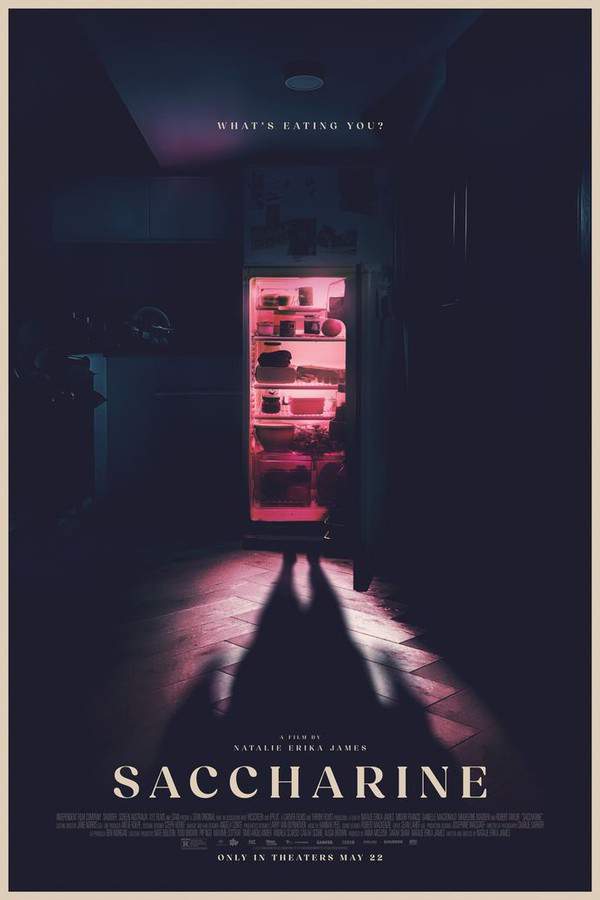
Saccharine (2026) Movie Review: Critical Consensus, Audience Reactions & Film Reception Analysis
When Saccharine debuted in theaters on May 22, 2026, horror enthusiasts and psychological thriller fans alike were eager to see how director Natalie Erika James would follow up her critically acclaimed debut, Relic. The result? One of the most polarizing and discussed films of the year—a movie that has sparked fierce debate between those who celebrate its audacious body horror and biting social commentary, and those who find themselves alienated by its uneven pacing and genre-blending ambitions. If you’re searching for a comprehensive Saccharine 2026 review that breaks down whether this film is worth your time, you’ve arrived at the right place.
At What’s After the Movie, we’ve compiled genuine reactions from both professional critics and everyday viewers to give you the definitive look at this controversial Australian horror film. Unlike typical plot summaries, this analysis focuses squarely on film reception, viewer reactions, and the critical consensus surrounding Saccharine. Whether you’re looking for a spoiler-free review to decide if you should buy tickets, or you’re seeking in-depth film analysis to understand why critics are so divided, we’ll explore every angle of this unique cinematic experience. From its exploration of toxic body standards to Midori Francis’s commanding lead performance, we’ll examine why some audiences are calling it a masterpiece while others are walking out disappointed.
Before diving into the reactions, make sure to visit our dedicated Saccharine movie page for additional details, and check out our movie summaries section if you’re looking for quick recaps of other recent releases. Now, let’s dissect what critics and fans are actually saying about Saccharine.
Critical Reception and Critic Reviews: Is Saccharine (2026) Worth Watching?
The critical consensus surrounding Saccharine (2026) reveals a film that refuses to play it safe, resulting in a remarkably wide spread of opinions that range from scathing dismissal to enthusiastic celebration. With scores fluctuating between 40 and 80 out of 100 across major publications, this is not a movie that generates mild reactions—it’s a cinematic Rorschach test that seems to trigger deeply personal responses based on individual tolerance for body horror, slow-burn storytelling, and allegorical filmmaking.
On the positive end of the spectrum, several critics have hailed Saccharine as a bold evolution of James’s distinctive voice. Tomris Laffly awarded the film a strong 75/100, praising how the director maintains control over the material: “Saccharine proves that in a great horror movie, fear and helplessness work hand in hand. And James is expertly in control of it all.” This sentiment is echoed by Nikki Baughan, who delivered one of the most enthusiastic endorsements with an 80/100 score, noting that the film “builds to a frenzied, nightmarish climax of greed, desire and full-tilt excess that takes a sharp-toothed bite out of society’s toxic obsession with women’s bodies, and should leave horror audiences hungry for more.” For viewers wondering is Saccharine worth watching, these reviews suggest that fans of intelligent, socially conscious horror will find much to admire.
However, the film reception hasn’t been universally kind. Richard Whittaker offered a particularly brutal takedown with a 40/100 score, delivering a memorable but scathing comparison: “It’s like Jillian Michaels directing an adaptation of Stephen King’s Thinner, and even some good scares can’t disguise the bitter taste it might leave in your mouth.” This criticism highlights a recurring theme in negative reviews—the sense that the film’s messaging about weight loss and body image can feel heavy-handed or didactic rather than organic to the narrative.
The middle ground is perhaps most interesting, where many critics acknowledge James’s talent while questioning her execution. Alex Harrison (50/100) represents this ambivalence perfectly, praising the film’s visual composition while criticizing its structural integrity: “This Australian horror film has many similarly striking images in it; writer-director Natalie Erika James clearly has a talent for crafting them… Neither Saccharine’s narrative nor editing have the same vitality, and James communicates her ideas so succinctly that too much of our time is spent waiting for the story to continue along the obvious road ahead of it.” This critique of pacing appears repeatedly across critic reviews, with Kate Erbland (67/100) noting that “the film’s 112-minute running time feels both packed to the gills and unable to fully tackle everything James’ script throws at the wall.”
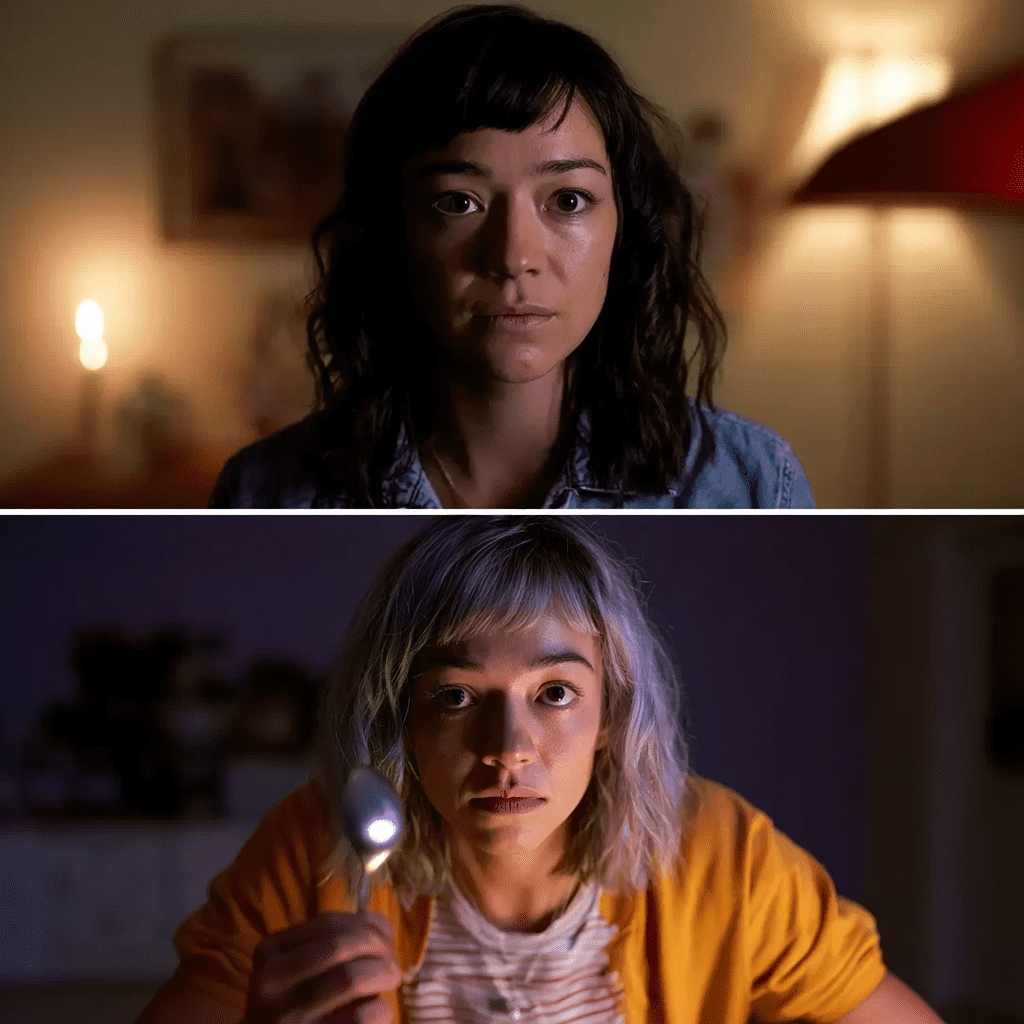
David Rooney (60/100) identifies a crucial saving grace that almost every reviewer acknowledges: the performance of lead actress Midori Francis. Even when the narrative falters, Rooney notes that “her game lead, Midori Francis, keeps you watching,” despite the storytelling going “haywire.” This consensus around Francis’s performance provides a compelling reason for potential viewers to seek out the film despite its flaws.
Guy Lodge (70/100) offers perhaps the most nuanced take for those familiar with James’s previous work, suggesting that “Saccharine proves James’ gifts are better served by more independent means, even if it falls short of the emotional and dramatic heft that gave ‘Relic’ equal genre and arthouse appeal.” For viewers tracking the director’s career trajectory, this film analysis suggests a transitional work that experiments with bigger themes while struggling to maintain the intimate cohesion of her debut.
Audience Reactions and Viewer Reviews: Real Fan Opinions on Saccharine 2026
While critics debate the artistic merits and structural coherence of Saccharine, audience reactions paint a fascinating picture of a film that resonates deeply with certain viewers while alienating others. User reviews consistently cluster in the 3.5 to 5-star range, suggesting that general moviegoers may actually be more receptive to the film’s excesses and peculiarities than professional critics—a phenomenon that often occurs when horror films prioritize visceral experience over narrative tidiness.
The fan opinions highlight several distinct camps of viewers. First, there are those who embrace the film’s weirdness and body horror elements wholeheartedly. Umutoni G awarded the film a perfect 5 stars, describing it as “unsettling in a really good way,” adding that it “felt like a slow-burn sci-fi nightmare that keeps getting weirder the longer it goes.” This appreciation for escalating strangeness is shared by Kitten C, who gave it 4.5 stars and praised it as “creepy and intelligent body horror with innovative cinematographic flourishes that set it apart from other films in the cursed haunting genre.” For horror aficionados browsing our movie lists for their next unsettling watch, these reactions suggest Saccharine delivers the goods for those who appreciate practical effects and atmospheric dread.
Another significant portion of the viewer reactions comes from audiences who experienced a delayed appreciation for the film. Rick B provided a particularly telling 4-star review that mirrors the critical consensus about pacing issues: “After 45 minutes I was thinking it wasn’t a good movie but it got on a roll and the story unfolded. It turned out to be really good. Some horror, a topical story, some medical gore. I was surprized as I ended up liking it.” This suggests that is Saccharine worth watching might depend largely on your patience for slow-burn storytelling and your willingness to stick with the narrative through its admittedly uneven first act.
The film’s topical elements regarding extreme weight loss and body image have also sparked considerable discussion among viewers. Jeff G noted in his 4-star review: “Pretty good movie a little weird but I understand wanting to lose weight but I’m not sure i would go to that extreme,” highlighting how the film’s central premise resonates with real-world anxieties while pushing them into horror territory. This intersection of relatable human desire and extreme horror visualization seems to be a major draw for audiences, as evidenced by matt’s 4-star praise for “excellent special effects, very creepy at times. a lot of body horror included.”
However, the critical consensus about pacing and tonal inconsistency finds support in user reviews as well. Kat D provided a bemused 3.5-star reaction that captures the confusion some viewers feel: “Wtf? Lmao. Unique concept. Weird. Gross. Entertaining. Funny. But also, wtf? WTH happened lmao.” This stream-of-consciousness review suggests that while the film succeeds in provoking reaction, it may leave some viewers unclear about its ultimate intentions—a sentiment shared by Marlon, who gave it only 2 stars, calling it “boring and not scary at all.” Meanwhile, Tom B delivered a blunt 2.5-star dismissal, describing it as “crude & disgusting. Difficult to watch.”
For those looking to test their knowledge of challenging horror cinema, our quizzes and games section offers interactive ways to engage with films like Saccharine that defy easy categorization. And if you’re curious about how this film compares to other body horror classics, visit our movie collections page for curated groupings of similar titles.
Genre Expectations vs. Reality: Psychological Thriller or Body Horror?
One of the most contentious aspects of Saccharine’s film reception lies in its refusal to commit to a single genre lane, leaving audiences and critics alike struggling to categorize exactly what kind of movie they’re watching. This ambiguity has generated significant debate about whether the film succeeds as a hybrid or fails due to identity crisis—a question essential for anyone seeking spoiler-free reviews to set their expectations appropriately.
Therese Lacson identified this tension explicitly in her 60/100 review, noting that the film “ends up in an odd space between psychological thriller and straight-up jump-scare horror that unfortunately drags down an otherwise compelling film.” This critique suggests that Saccharine may disappoint viewers who come seeking pure horror thrills, while simultaneously frustrating those looking for psychological subtlety. The marketing materials and trailer likely emphasized the horror elements, leading some viewers to expect a more traditional haunted house or supernatural narrative, only to find themselves navigating a slower, more metaphorical exploration of bodily autonomy and eating disorders.
The supernatural elements themselves have proven particularly divisive among those offering film analysis. Beatrice Loayza (50/100) delivered a pointed critique of this aspect: “The supernatural elements — angry ghosts and sunken places — feel like forced metaphors next to Hana’s real-life horrors, and, worse, they diminish the film’s compelling specificity.” This observation highlights a crucial fault line in the critical consensus: when a film grounds its horror in real-world issues like toxic diet culture and body dysmorphia, do supernatural intrusions enhance the metaphor or undermine the reality of the suffering?
For body horror enthusiasts, however, the genre-bending seems to be a feature rather than a bug. The audience reactions consistently praise the practical effects and grotesque transformations, with multiple users specifically citing “medical gore” and body horror as highlights. This suggests that while critics may debate the film’s classification, viewers approaching Saccharine (2026) with specific expectations for visceral, corporeal horror are walking away satisfied. The film appears to deliver the squirm-inducing, uncomfortable bodily transformations that fans of the subgenre crave, even if the narrative wrapping around these sequences feels messy or inconsistent.
The comparison to Stephen King’s Thinner mentioned by Richard Whittaker is particularly apt here—both works use supernatural curses to explore weight loss obsession, but Saccharine seems to want to have it both ways, serving up both psychological realism and supernatural fantasy without fully committing to either. This duality creates a unique viewing experience that some, like Chase Hutchinson (70/100), find rewarding precisely because of its difficulty: “Saccharine is not a film that goes down easy, but you may just find yourself hungering to return for a second course to get a better sense of what James is serving up.”
For those researching similar films that blend psychological drama with body horror, our movie wiki provides comprehensive information on genre-blending cinema, while our box office data can show you how Saccharine performed compared to other horror releases of 2026.
Performance and Visual Analysis: Midori Francis and Natalie Erika James’ Direction
Amidst the swirling debates about narrative coherence and genre classification, one element of Saccharine’s reception remains virtually unanimous: the commanding presence of lead actress Midori Francis and the undeniable visual artistry of director Natalie Erika James. For viewers asking is Saccharine worth watching, the consensus around Francis’s performance and James’s aesthetic sensibilities provides perhaps the strongest affirmative argument, even for those who find the plot occasionally frustrating.
David Rooney’s observation that Francis’s performance keeps you watching even when “the storytelling goes haywire” captures the essence of her contribution to the film. In a role that requires navigating extreme physical transformations while maintaining emotional authenticity, Francis appears to have delivered a tour de force that anchors the film’s wilder excesses. Kate Erbland specifically highlighted this achievement in her 67/100 review, noting that “a strong visual sense and excellent performances, especially from Midori Francis, are tough to beat.” This praise suggests that even when the 112-minute runtime feels bloated or the editing loses momentum, Francis’s commitment to her character provides the emotional throughline necessary to maintain viewer investment.
The visual language of Saccharine has generated significant discussion in critic reviews and audience reactions alike. Alex Harrison acknowledged that while the narrative and editing may lack vitality, James “clearly has a talent for crafting” striking images—a sentiment echoed by user Kitten C, who praised the “innovative cinematographic flourishes” that distinguish the film from standard haunted house fare. This visual sophistication aligns with James’s previous work on Relic, suggesting a director with a specific aesthetic vision that prioritizes mood and texture over straightforward storytelling.
However, the gap between visual beauty and narrative coherence remains a sticking point in film analysis of James’s sophomore effort. Guy Lodge’s assessment that the film falls “short of the emotional and dramatic heft that gave ‘Relic’ equal genre and arthouse appeal” suggests that while James’s technical skills have evolved, her ability to marry those visuals with compelling storytelling may have actually regressed. The “obvious road” mentioned by Harrison—where James communicates ideas so succinctly that viewers spend too much time waiting for the plot to catch up to the imagery—indicates a director still refining how to balance showing versus telling.
For those interested in exploring the careers of the talents behind Saccharine, our profiles section offers comprehensive filmographies for both Natalie Erika James and Midori Francis, allowing you to trace their creative evolution from earlier projects through this controversial release. Additionally, if you’re curious about how this film stacks up against James’s debut in terms of critical reception, visit our awards page to see which performances and directorial efforts have garnered industry recognition.
Thematic Depth and Social Commentary: Weight Loss Horror and Toxic Body Standards
Perhaps no aspect of Saccharine (2026) has generated more impassioned film analysis than its central thematic preoccupation with weight loss, body image, and society’s oppressive standards regarding women’s physical appearances. This is where the film transcends its genre trappings to become a vehicle for cultural critique—though whether that critique lands effectively remains hotly contested among both critics and audience reactions.
Nikki Baughan’s enthusiastic praise for the film’s “frenzied, nightmarish climax” that takes “a sharp-toothed bite out of society’s toxic obsession with women’s bodies” represents the most optimistic reading of James’s intentions. In this interpretation, Saccharine uses the horror genre’s capacity for exaggeration and grotesquerie to literalize the violence inherent in diet culture and the wellness industry’s exploitation of female body anxiety. The extremity of the horror becomes a metaphor for the extreme measures women are expected to take to conform to beauty standards—the “saccharine” sweetness of promised weight loss hiding a bitter, destructive reality.
However, other critic reviews suggest that the film’s messaging may be muddled by its own excesses. Richard Whittaker’s comparison to “Jillian Michaels directing an adaptation of Stephen King’s Thinner” implies a perceived sadism in the filmmaking that punishes the protagonist for her desires rather than sympathizing with her plight. This raises uncomfortable questions about whether the film genuinely critiques diet culture or inadvertently participates in body-shaming by making the physical transformation of weight loss into something horrific and grotesque.
User Jeff G’s review—“I understand wanting to lose weight but I’m not sure i would go to that extreme”—suggests that at least some viewers are interpreting the film as a cautionary tale about moderation rather than a systemic critique of beauty standards. The disconnect between viewers who see the film as feminist body horror and those who see it as a grotesque spectacle of bodily punishment speaks to the ambiguity at the heart of Saccharine’s reception.
Beatrice Loayza’s criticism that the supernatural elements “diminish the film’s compelling specificity” regarding real-world body image issues suggests another layer of thematic confusion. When the horror shifts from psychological and medical realism to supernatural curses and “angry ghosts,” does the film lose its ability to comment meaningfully on actual societal problems? Or does the supernatural framework provide the necessary distance to make the critique palatable? This tension between realism and allegory continues to fuel viewer reactions and online discussions about the film’s ultimate meaning.
For those seeking to explore more films that tackle similar themes of bodily autonomy and transformation, check out our concert films section for documentaries about body image in the music industry, or return to our Saccharine movie page for related recommendations and detailed summary information about the film’s plot and themes.
Conclusion: Saccharine 2026 Final Verdict and Long-Term Reception Outlook
As the dust settles on the theatrical release of Saccharine (2026), the critical consensus remains elusive—and perhaps that’s exactly how Natalie Erika James intended it. This is not a film designed for unanimous acclaim or easy digestion; it’s a challenging, sometimes frustrating work that prioritizes thematic ambition and visual audacity over narrative tidiness. For viewers seeking a definitive answer to is Saccharine worth watching, the truth is that your enjoyment will depend entirely on your tolerance for body horror, your patience with slow-burn storytelling, and your openness to ambiguous messaging about weight and bodily autonomy.
The film reception suggests that Saccharine will likely find its strongest advocates among dedicated horror aficionados who appreciate practical effects and social commentary, even when imperfectly executed. The praise for Midori Francis’s performance appears across the entire spectrum of reviews, from glowing to negative, indicating that even detractors acknowledge the film’s acting achievements. Meanwhile, James’s visual craftsmanship ensures that the movie will be studied and discussed in film schools and horror communities for years to come, regardless of its narrative imperfections.
Audience reactions appear somewhat more favorable than critic reviews, suggesting that general viewers may be more willing to embrace the film’s excesses and weirdness without the burden of comparing it to James’s previous work or measuring it against arthouse expectations. The user who described it as a “slow-burn sci-fi nightmare” that keeps getting weirder captured the essence of what makes Saccharine memorable—even when it doesn’t fully work, it refuses to be boring or conventional.
Ultimately, Saccharine (2026) joins the ranks of polarizing horror films that demand conversation and debate. Whether you find it a profound critique of diet culture or a muddled exercise in body horror excess, it succeeds in provoking reaction—perhaps the highest compliment you can pay a horror film. We encourage you to explore the resources available at What’s After the Movie, including our comprehensive movie wiki for deeper analysis, our quizzes to test your knowledge of challenging cinema, and our collections to discover similar films that push boundaries.
For the latest updates on Saccharine and other controversial releases of 2026, bookmark our Saccharine movie page and explore our summaries for quick recaps of films that generate the most buzz. Whether you loved it, hated it, or found yourself confused by it, Saccharine has earned its place as one of the most talked-about horror films of the year—a sweet name for a bitter pill that many viewers are glad they swallowed.
| Site | Link |
|---|---|
| Saccharine TMDB | Saccharine TMDB |
| Saccharine Wikipedia | Saccharine Wikipedia |
| Saccharine Rotten Tomatoes | Saccharine Rotten Tomatoes |
| Saccharine Metacritic | Saccharine Metacritic |
| Saccharine JustWatch | Saccharine JustWatch |
| Saccharine Box Office Mojo | Saccharine Box Office Mojo |
Continue reading




What's After the Movie?
Not sure whether to stay after the credits? Find out!
Check out our other apps:

SAT Sphere
Build confidence for the Digital SAT.

Mori Atlas
Discover wild places worth protecting.

Luntero
Search smarter for a home in Amsterdam.

Plot Explained
Unravel movie endings and hidden clues.

Pokechamp
Dive into Pokémon data and battle logic.

Driving Theory
Get ready for your European theory test.

Movie Dust
Plan your next cinema trip with ease.

Musemap
Find art and culture as you travel.

Selkobase
Compare credentials before committing.

Local Manual
Turn an unfamiliar country into practical next steps.

Lernavi
Compare school systems before your next move.

GymRoam
Find a workout stop wherever your plans take you.
Explore Our Movie Platform
New Movie Releases (2026)
Famous Movie Actors
Top Film Production Studios
Movie Plot Summaries & Endings
Major Movie Awards & Winners
Best Concert Films & Music Documentaries
Movie Collections and Curated Lists
© 2026 What's After the Movie. All rights reserved.
Privacy Policy