What's After the Blog?
Opinions • Reception
Passenger (2026) Review & Critics Opinions – Horror Film Reception, Fan Reactions and Storytelling Analysis
This post breaks down the critical reception and fan reactions to the 2026 horror thriller Passenger, examining how the film’s performance, storytelling, and chilling atmosphere have been received by both critics and audiences. We explore review highlights, audience sentiment, and the movie’s place within the modern horror franchise landscape.
June 2, 2026

Movies mentioned in this article
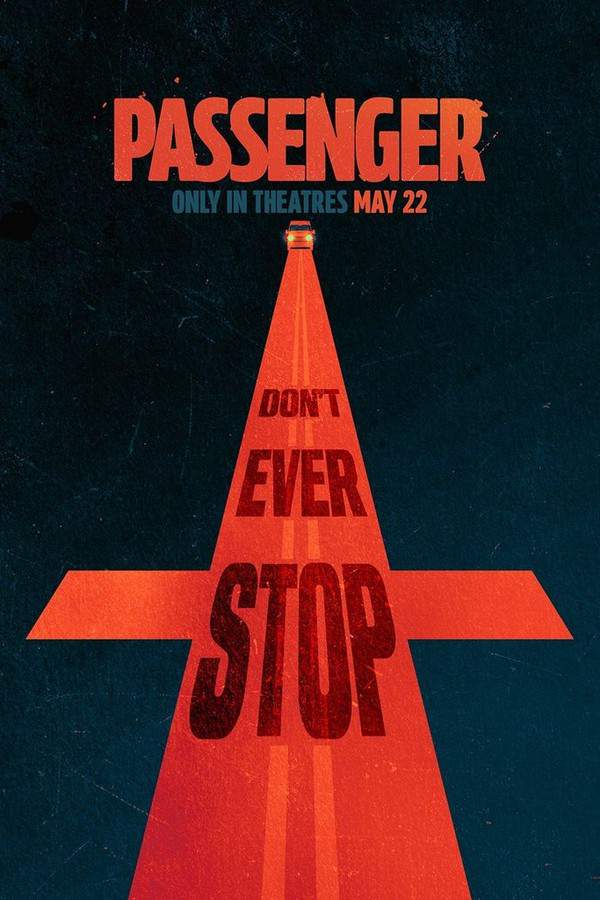
Passenger (2026) Reviews and Reception: Critical Consensus vs Audience Reactions Analysis
When Passenger arrived in theaters on May 22, 2026, horror enthusiasts and casual moviegoers alike found themselves searching for reliable guidance on whether this supernatural thriller deserved their time and ticket price. In an era where the horror genre has experienced a remarkable artistic renaissance—elevated by films that blend psychological depth with visceral terror—audiences have grown increasingly discerning about which “things that go bump in the night” actually warrant theatrical attention versus those better suited for streaming queues. This demand for quality has made Passenger movie reviews and audience reactions essential reading for anyone debating whether to buckle in for this particular ride.
The reception landscape for Passenger (2026) reveals a fascinating dichotomy that speaks to broader trends in contemporary horror cinema. While some viewers search for spoiler-free reviews to gauge jump scare intensity, others dive deep into critic consensus to understand whether director André Øvredal delivered another genre standout like The Autopsy of Jane Doe or slipped into the realm of forgettable studio filler. With scores ranging from scathing zero-star takedowns to enthusiastic five-star endorsements placing it in reviewers’ “top three” lists, the film has generated precisely the kind of contentious discourse that drives traffic to database sites like What’s After the Movie. Whether you’re checking our Passenger summary page for cast details, exploring actor profiles for the leads, or testing your knowledge with our movie quizzes and games, understanding the full spectrum of critical and audience sentiment is crucial before pressing play on this polarizing entry.
The Critical Divide: Genre Craft vs. Generic Execution
The professional critical response to Passenger (2026) illustrates a stark polarization that defies easy categorization, with scores spanning from a dismal 40/100 to an enthusiastic 88/100. This variance suggests a film that either successfully delivers precisely what certain horror aficionados crave or profoundly disappoints those seeking innovation in supernatural storytelling. At the negative end of the spectrum, Frank Scheck delivered a particularly harsh verdict, describing the film as “the sort of generic ‘things that go bump in the night’ chiller that seems more suited for late-night cable than theatrical release.” This critique positions Passenger as emblematic of a particular sin in modern horror: failing to meet the elevated standards that audiences now expect following years of groundbreaking independent and studio genre films.
Conversely, defenders like Peter Sobczynski argued that “Passenger is a fairly solid bit of genre craftwork that is a lot more impressive than its desultory release might suggest,” awarding it an 88/100 score that places it among the year’s more acclaimed horror offerings. Similarly, Matt Glasby’s 80/100 review praised it as “frontloaded with memorable scares, this precision-tooled shocker is fast-paced, fun and, at times, genuinely frightening.” These contradictory assessments—generic versus precision-tooled, cable-worthy versus theatrical-grade—create a confusing landscape for consumers searching “Is Passenger worth watching?”
The middle ground offers perhaps the most nuanced perspective. Alison Foreman’s 67/100 review acknowledges that “Passenger may lack the interpersonal and mythological complexities required of a proper, obsession-worthy classic,” yet praises Øvredal’s skill at “trapping his audience inside a disorienting, semi-liminal space where anything can happen.” This tension between ambition and execution appears throughout the critical consensus, with Erik Piepenburg summarizing it as “tense but confounding” and Trace Sauveur noting that for viewers wanting “straightforward studio frights, it’s a fun enough ride through well-traveled territory, like a highway where you already know the location of every rest stop.”
What emerges from this critical cacophony is a film that refuses to resolve into easy recommendation or dismissal. Unlike consensus darlings where critics largely align, Passenger’s film reception suggests a work that depends heavily on individual tolerance for familiar tropes. As you explore our box office data for the film’s commercial performance or compare it to other entries in our horror movie collections, consider whether you prioritize innovative storytelling or competent execution of classic scare mechanics.
Audience Polarization: From “Top Three” to “Typical Slop”
If critical reception presented a divided picture, Passenger audience reactions proved even more bifurcated, creating a fascinating case study in how viewer expectations shape perceived quality. The user review spectrum spans from TheGalaxyWeb’s vitriolic zero-star dismissal calling it “typical slop film produced by the movie industry, one that has no reason to exist and provides nothing but empty shock value,” to Priscilla S’s glowing five-star endorsement declaring it “hands down in the top three” horror experiences. This massive disparity reveals how viewer reactions to Passenger (2026) depend entirely on what audiences seek from their supernatural cinema.
For fans of atmospheric road-trip horror, FlashTommy96’s detailed six-out-of-ten review (translated from Portuguese) offers insight into the film’s specific appeals: “Good horror film with road trip. I liked how the couple interacts during the film, we believe in their actions in calm moments and in times of danger and tension.” However, this reviewer also identifies crucial caveats that appear consistently across mixed reactions: “The film maintains a very slow pace, which can tire before the hour, however the ending is satisfactory considering everything that happens.” This acknowledgment of pacing issues combined with satisfying payoff represents a common thread in Passenger film analysis—the film works for patient viewers but tests the endurance of those expecting constant stimulation.
The romance-horror hybrid elements garnered particular attention from viewers like Priscilla S, who appreciated the combination of “jump scares, romance and horror all in one,” even comparing it favorably to Backrooms. This suggests Passenger succeeds when marketed to audiences seeking relationship-driven horror rather than pure supernatural spectacle. Conversely, viewers like Cynthia H (2.5/5) found it “definitely entertaining but not enough horror or jump scares,” while Shit S’s pithy 0.5/10 complaint of “too much darkness” speaks to technical execution issues that alienated certain audience segments.
Perhaps most telling is Roger R’s nuanced 3.5-star assessment: “Very well done, intriguing horror movie with appealing leads. Fantastic editing parallels some wonderful directorial choices. Some really tense scenes. The final 20 minutes, though, betray what comes before.” This specific critique about the ending undermining earlier success appears as a recurring motif in Passenger reviews, suggesting structural problems that affected viewer satisfaction regardless of their overall enjoyment. For those debating whether to watch, our movie wiki offers additional context on production details, while our movie lists can help you find similar road-trip horror films to compare expectations.
Performance and Direction: The Saving Grace Amidst Script Struggles
Amidst the contentious critical consensus surrounding Passenger (2026), one element generates surprising agreement: the quality of direction and lead performances provides the film’s primary redeeming qualities, even when other elements falter. Dan Bayer’s 60/100 review crystallizes this dynamic, noting that “while Øvredal’s direction and the lead performances carry the film through any rough patches, it can get quite rough.” This assessment positions director André Øvredal as the crucial stabilizing force preventing the film from descending into complete mediocrity.
The specificity of praise for Øvredal’s technical execution appears across multiple reviews. Robert Abele describes him as “a game but overeager trickster” who “telegraphs his set pieces as if he were equipped with a flare gun and detour cones,” suggesting a director with clear visual ideas that occasionally lack subtlety. Meanwhile, Chris Evangelista, despite giving the film a middling 50/100 score, concedes that “the filmmaker attempts to inject some style into Passenger,” even if he ultimately “simply can’t overcome a clunky script and two highly uninteresting lead characters.” This tension between directorial aspiration and narrative limitations defines the film reception for many viewers.
User reviews corroborate this professional assessment, with Wolfysgal’s enthusiastic five-star review highlighting “Very good Acting” as a primary draw, while FlashTommy96 praised the believable chemistry between the leads during both “calm moments” and “times of danger.” Even negative reviews like Luis A’s three-star assessment acknowledge specific appeal for niche audiences, describing it as “hobo gold for those that wanted a movie about them,” referencing the film’s incorporation of hobo codes and transient mythology that Robert Abele identified as rooted in “hobo codes and religious legend.”
The disconnect between visual/performative quality and script deficiencies creates a unique viewing experience where audiences report appreciating individual scenes while struggling with the overall narrative architecture. This makes Passenger a fascinating case for our awards coverage potential—will technical craft receive recognition despite narrative shortcomings? For viewers primarily interested in atmospheric tension and committed performances, the film delivers; for those prioritizing logical storytelling and character development, the audience reactions suggest persistent frustration. Check our Passenger movie page for full cast details and crew information to appreciate the talent involved.
Narrative and Pacing Issues: When Screenplays Betray Directorial Vision
The most consistent criticism across both critic reviews and user opinions targets Passenger’s screenplay and structural execution, revealing significant problems that undermined the film’s potential. Jacob Oller’s 50/100 review delivers a particularly vivid indictment: “When in doubt, screenwriters Zachary Donohue and T.W. Burgess so awkwardly rush back to genre conventions that it feels like Passenger failing a series of trust falls before our eyes.” This metaphor of failed trust falls encapsulates how the narrative repeatedly sets up audience expectations only to collapse into familiar, unsatisfying tropes.
Robert Abele’s critique cuts deeper into specific narrative choices, noting that “spelling out the terror (the roots are in hobo codes and religious legend) becomes, regrettably, a shock absorber, not a facilitator.” His observation that the film attempts to “distract us from thinking too hard about all the illogic in Zachary Donohue and T.W. Burgess’ screenplay” identifies a fatal flaw: rather than building coherent mythology, the film relies on noise and confusion to mask plot holes. This illogic frustrated viewers like FlashTommy96, who noted “small moments of inconsistency that affect the logic of the road curse, which caused me strangeness in a completely senseless abrupt scene.”
Dan Bayer’s assessment that the writers “have plenty of great ideas, but don’t seem to have edited any of them” explains the film’s uneven rhythm and narrative bloat. This editorial deficiency manifests in the widely criticized final act, which Roger R specifically called out: “The final 20 minutes, though, betray what comes before. Up until then, terrific!” This structural collapse—common in horror but particularly disappointing here—suggests either studio interference or insufficient development time to properly resolve the narrative threads established in the film’s stronger first half.
The pacing issues extend beyond plot mechanics into pure runtime management. FlashTommy96’s observation that “Passenger maintains a very slow pace, which can tire before the hour” conflicts with corneilus’s praise that it’s “short and to the point,” indicating wildly different tolerance levels for atmospheric buildup. For viewers researching “Passenger 2026 pacing issues” or wondering about the film’s narrative coherence, these reviews suggest preparing for a movie that frontloads its best material while struggling to stick the landing. Visit our summary page for detailed plot breakdowns to see if the narrative structure matches your viewing preferences.
Horror Mechanics: Jump Scares, Atmosphere, and Genre Positioning
Analyzing Passenger’s place within contemporary horror requires examining its specific scare mechanics and how they align with modern genre expectations. The film occupies a curious middle ground between the “elevated horror” that critics often champion and the straightforward jump-scare cinema that reliably draws general audiences. Matt Glasby’s praise for “memorable scares” in a “precision-tooled shocker” suggests technical competence in fright delivery, while Chris Evangelista’s cynical observation that “if you like loud noises and ghoul faces shrieking directly into the camera, you might have some fun here” dismisses these techniques as cheap theatrics.
The jump-scare debate dominates audience reactions to an unusual degree. Nis gave the film five stars for “Good plot and solid jump scares,” while R T’s three-star review complained that “All parts that were scary were in the previews and they dropped the ball in that department. They had a lot of times where they could have made it scary or added more parts in that wasn’t previewed.” This marketing-spoilage issue represents a common modern frustration where trailers exhaust a film’s scare inventory, leaving theatrical presentations feeling anticlimactic. FlashTommy96’s Portuguese review specifically noted “predictable jumpscares” as a minor disappointment despite overall enjoyment.
Where Passenger succeeds according to multiple accounts is in atmospheric world-building and liminal space utilization. Alison Foreman’s description of the film as “an outing without a meaningful destination that lets you have fun in total darkness” captures the late-night highway aesthetic that distinguishes it from haunted house or cabin-in-the-woods variations. This “semi-liminal space where anything can happen” offers a specific appeal for viewers seeking road trip horror with supernatural elements, filling a niche comparable to The Hitcher or Joy Ride but with occult mythology replacing purely human threats.
The film’s reliance on “hobo codes and religious legend” (as noted by Robert Abele) provides a folkloric texture that Luis A described as “hobo gold,” suggesting authentic research into transient subcultures that lends credibility to the supernatural elements. However, the execution of this mythology generated confusion, with Erik Piepenburg finding the results “confounding” despite the tense presentation. For horror fans debating whether Passenger (2026) delivers genuine terror or merely “empty shock value” (per TheGalaxyWeb), the consensus suggests moderate success in atmosphere but inconsistent payoff in scare delivery. Explore our concert film section for alternative viewing options if supernatural road movies don’t match your current mood.
Is Passenger (2026) Worth Watching? Final Verdict and Viewer Recommendations
Synthesizing the diverse reviews and opinions surrounding Passenger (2026) reveals a film best suited for specific viewer profiles rather than universal recommendation. The critical consensus suggests a work of competent craft undermined by screenplay issues, while audience reactions range from “typical slop” declarations to “top three” endorsements, creating a challenging decision matrix for potential viewers. Ultimately, whether this supernatural road-trip thriller deserves your time depends on aligning your expectations with the film’s actual delivery mechanisms.
Passenger appears essential viewing for fans of André Øvredal’s previous work who appreciate his approach to atmospheric tension, as well as viewers seeking relationship-driven horror where character dynamics take precedence over pure spectacle. If you prioritize “solid jump scares” (as praised by Nis and Wolfysgal) and don’t mind “predictable” moments within a “satisfying” overall arc (FlashTommy96), the film offers sufficient entertainment value. The strong lead performances and “fantastic editing” (Roger R) provide technical polish that elevates the material above true “cable-TV” mediocrity, even if the final twenty minutes disappoint those seeking narrative cohesion.
However, prospective viewers should temper expectations if seeking innovative mythology or logical storytelling. The widespread criticism regarding “illogic in the screenplay” (Robert Abele), “awkward” convention adherence (Jacob Oller), and unedited idea accumulation (Dan Bayer) suggests that Passenger frustrates audiences who prioritize narrative coherence over atmospheric mood. Similarly, those sensitive to marketing spoilers should approach with caution, as R T’s observation about all scary moments appearing in previews may indicate a theatrical experience lacking surprise.
For horror completionists and those intrigued by the “hobo codes” folklore elements, Passenger offers enough unique texture to justify a watch, particularly as a late-night viewing experience where its “semi-liminal” qualities (Alison Foreman) can work most effectively. Whether you’re tracking the film’s performance on our box office charts, exploring similar titles in our movie collections, or testing your horror knowledge with our quizzes and games, Passenger (2026) represents a fascinating case study in how modern horror can simultaneously satisfy and frustrate different audience segments. Visit the Passenger movie page on What’s After the Movie for continuous updates on its long-term reception and cultural footprint.
| Platform | Link |
|---|---|
| TMDB | Passenger (2026) TMDB |
| Wikipedia | Passenger (2026) Wikipedia |
| Rotten Tomatoes | Passenger (2026) Rotten Tomatoes |
| Metacritic | Passenger (2026) Metacritic |
| JustWatch | Passenger (2026) JustWatch |
| Box Office Mojo | Passenger (2026) Box Office Mojo |
Continue reading



What's After the Movie?
Not sure whether to stay after the credits? Find out!
Check out our other apps:

SAT Sphere
Build confidence for the Digital SAT.

Mori Atlas
Discover wild places worth protecting.

Luntero
Search smarter for a home in Amsterdam.

Plot Explained
Unravel movie endings and hidden clues.

Pokechamp
Dive into Pokémon data and battle logic.

Driving Theory
Get ready for your European theory test.

Movie Dust
Plan your next cinema trip with ease.

Musemap
Find art and culture as you travel.

Selkobase
Compare credentials before committing.

Local Manual
Turn an unfamiliar country into practical next steps.

Lernavi
Compare school systems before your next move.

GymRoam
Find a workout stop wherever your plans take you.
Explore Our Movie Platform
New Movie Releases (2026)
Famous Movie Actors
Top Film Production Studios
Movie Plot Summaries & Endings
Major Movie Awards & Winners
Best Concert Films & Music Documentaries
Movie Collections and Curated Lists
© 2026 What's After the Movie. All rights reserved.
Privacy Policy