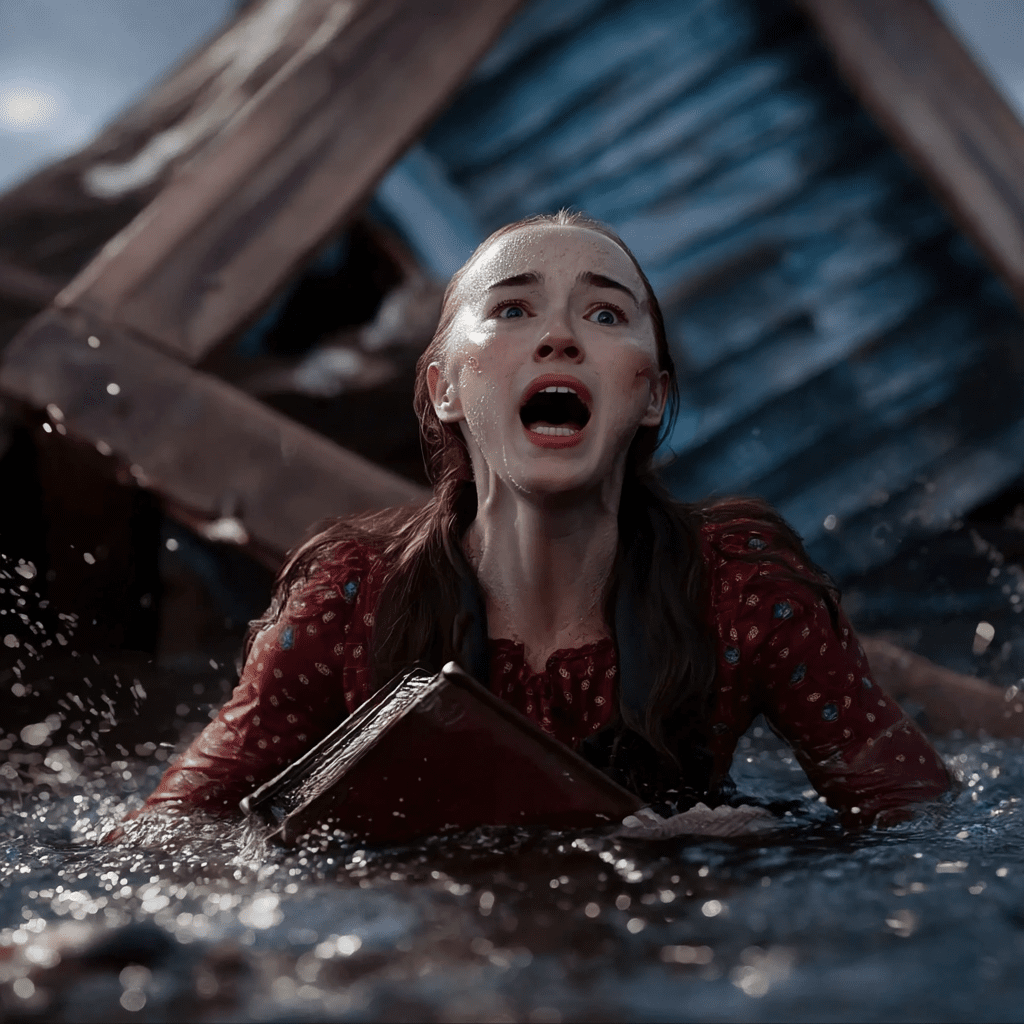
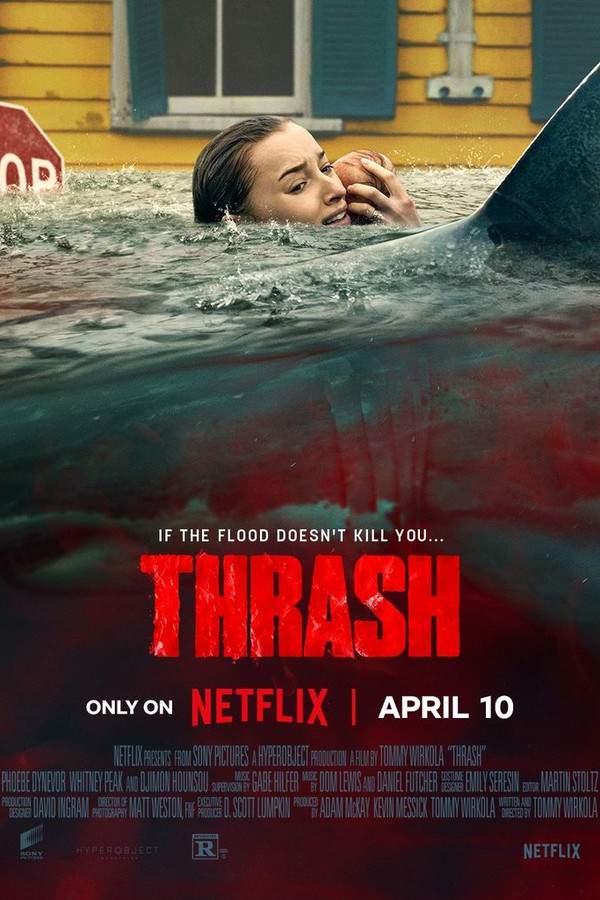
Thrash (2026) Movie Reviews and Reception: Is This Shark Disaster Film Worth Watching?
When Thrash premiered on April 10, 2026, audiences and critics alike found themselves navigating turbulent waters of opinion regarding Tommy Wirkola’s latest genre exercise. Positioned at the intersection of disaster cinema and aquatic horror, this 90-minute survival thriller arrived with the pedigree of a director celebrated for cult favorites like Dead Snow and Violent Night, yet starring the decidedly mainstream appeal of Phoebe Dynevor. The resulting critical reception has created one of the most polarized conversations in recent shark movie history, with scores swinging wildly from scathing 20s to defensive 60s and 70s across major aggregation platforms. Whether you’re searching for a Thrash (2026) spoiler-free review or trying to determine if this B-movie hybrid deserves your attention, the landscape of reactions offers a fascinating case study in genre expectation versus execution. At What’s After the Movie, we’ve analyzed the complete spectrum of critic reviews and audience reactions to determine whether Thrash sinks or swims in the crowded waters of modern horror cinema.
Critical Consensus and Metacritic Reception: How Reviewers Rate Thrash (2026)
The critical response to Thrash reveals a film that fundamentally divides opinion based on what critics expected versus what director Tommy Wirkola actually delivered. With scores ranging from a brutal 20 at The Guardian to a surprisingly charitable 69 at TheWrap, the Thrash Metacritic landscape suggests a movie that critics cannot agree on, even regarding its basic merits as entertainment.
The Guardian delivered perhaps the harshest assessment, arguing that the film fails at fundamental thriller mechanics: “We should be on the edge of our seat but every should-be set piece falls flat, the choreography always feeling a little off and the editing never works as tightly as it should.” This criticism points to technical filmmaking failures that suggest Thrash suffers from post-production issues or rushed execution, undermining its potential as a tension-filled survival story. Similarly, RogerEbert.com (38/100) attacked the film’s fundamental construction, stating, “Its worst sin isn’t its stupid characters doing stupid things; it’s that the whole thing feels remarkably lazy, failing to find any tension or even B-movie thrills. You can insult my intelligence within the world of a film, but not in the actual filmmaking, if that makes sense.”
However, other major outlets adopted a more forgiving stance rooted in genre appreciation. TheWrap (69/100) embraced the film’s logical inconsistencies as part of its charm: “If logic had anything to do with it, that would mean ‘Thrash’ was a bad movie. But logic has no place in these soggy halls. ‘Thrash’ may be arbitrary but it’s too energetic to be bad.” This perspective acknowledges Wirkola’s reputation for high-energy, low-logic spectacles and judges the film within that specific context. Screen Rant (60/100) similarly positioned the movie as successful B-cinema: “Despite having a decent budget and some recognizable actors to work with… what ended up on screen was a pretty fun B picture. It doesn’t have the stylistic touch that can sometimes bring a little something extra to playful genre films… But it does have just the tone you’d hope it would.”
Perhaps most telling is Slashfilm’s (60/100) comparison to cinema’s most enduring shark classic: “Sometimes you want to see a fine-tuned work of precision pop art like ‘Jaws,’ and sometimes you just want to watch a CGI shark bite a guy on the ass. We, as movie-watchers, contain multitudes.” This quote encapsulates the divide—Thrash makes no pretense at Spielbergian artistry, instead delivering the base pleasures of creature features without the prestige pretensions. For viewers tracking Thrash Rotten Tomatoes scores and wondering about the critical consensus, the verdict suggests that critics who approached the film as a serious drama were disappointed, while those expecting disposable entertainment found exactly what they anticipated. You can explore similar movie collections of disaster films and shark movies on our What’s After the Movie platform to contextualize where Thrash fits in the larger pantheon.
Audience Reactions and User Reviews: The “So Bad It’s Good” Debate for Thrash (2026)
While critics debated technical merits, general audiences engaged with Thrash through a different lens entirely, resulting in user scores spanning from an abysmal 0.5/10 to a perfect 10/10. This extreme polarization suggests the film operates in that rare “popcorn flick” territory where entertainment value and objective quality rarely align. For those browsing Thrash audience reactions and viewer testimonials, the consensus emerges that your enjoyment depends entirely on your tolerance for logical absurdity and B-movie aesthetics.
User decatur555 provided one of the most thoughtful defenses, awarding the film a 6/10 and noting: “Thrash struck me as an entertaining film, and that already counts for a lot with this kind of material. Mixing catastrophe cinema with sharks is an appealing idea almost by definition… This is not a masterpiece, nor a major entry in the genre, but it is at least a film that tries to make good use of its premise and avoid becoming boring.” This reviewer specifically praised the film’s pacing and Phoebe Dynevor’s central performance: “She has screen presence, handles the weight of the story well, and gives the film a little more emotional seriousness than the material might otherwise have had.”
Conversely, Sonya K delivered a scathing 1/10 review that summarized the opposition: “they could’ve called it ‘Trash’ and it would’ve been just as accurate… Who thought we needed another Shark movie? No one.” This sentiment echoes throughout negative user reviews, with Christian S (0.5/10) declaring, “I probably just experience genuine brain rot. This was a very, very, very bad production with the internal plot logic of molasses.”
Yet somewhere between these extremes lies the film’s actual audience—those seeking mindless entertainment. royalguy07 (5/10) confessed: “You know what, I can’t believe it, but hell yea man, this slop entertained me.” TonyF197 (6/10) agreed, calling it “one of those B movies… if you take it at face value and just switch off its an easy and entertaining way to spend 90 minutes.” Perhaps most illuminating is Iamcritical86’s (3/10) perspective: “LMFAO! The cliche angry abusive foster dad that gets his legs chewed off then he returns with his legs reattached all intact and not a rip in his pants!… at least I was drinkin’ for this one! And that’s pretty much what this is: a drink and popcorn flick.”
This “drinking game” quality suggests Thrash may find its ultimate audience among fans of ironic viewing experiences. For those interested in testing their own tolerance for cinematic absurdity, check out our movie quizzes and games to see how well you can predict plot holes in survival horror films, or explore our film wiki for detailed breakdowns of similar genre entries.
Narrative Logic, Character Choices, and Storytelling Critiques in Thrash (2026)
The most consistent criticism across both professional and amateur reviews centers on Thrash’s narrative coherence—or glaring lack thereof. While shark movies have historically asked audiences to suspend disbelief regarding shark behavior, Thrash apparently demands similar concessions regarding basic human intelligence and physical continuity, creating a viewing experience that many found insulting rather than entertaining.
User R. B provided a comprehensive breakdown of the film’s logical failures in a 2/10 review: “The characters were cliché, the sharks predictable, and there were actual nonsensical scene jumps. For example, one second Lisa the pregnant woman was uncovered when she told Dakota to check and see how dialated she is, the next second she had a blanket over her. And what, didn’t she wear underwear? No one had the sense to close doors, hold onto boats so they don’t float away, or even climb out of broken truck windows instead of breaking down the door.” This litany of complaints suggests a screenplay that prioritized action beats over narrative continuity, potentially the result of hasty rewrites or post-production editing that sacrificed coherence for pacing.
The infamous “reattached legs” incident mentioned by Iamcritical86—referencing a foster father character apparently suffering a grievous shark injury only to return later with limbs intact and pants unripped—has become a particular point of ridicule among viewers. Such gaffes indicate either deliberately surreal humor that misfired or, more likely, production chaos that allowed glaring errors into the final cut. As Tanner J (1.5/10) noted: “Terrible plot, random editing choices, awful acting, very predictable, and devoid of any logical sense at all.”
The A.V. Club (42/100) connected these logical failures to broader tonal issues, observing: “While Thrash resembles a general-audience survival horror drama, its forgettable protagonists also frequently stop to reassure viewers—mostly through profanity-laced dialogue and occasional bursts of gore—that it’s okay to scoff at whatever they’re looking at.” This suggests the film operates in an uncomfortable middle ground, too silly to be taken seriously as horror, yet too straight-faced to succeed as intentional comedy like Sharknado. For viewers seeking movie summaries that prepare them for narrative coherence levels before committing to a viewing, our detailed plot breakdowns can help set appropriate expectations.
Visual Effects, Pacing, and Genre Execution: Technical Analysis of Thrash (2026)
Despite narrative criticisms, Thrash’s technical execution regarding pacing and visual effects generated more nuanced debate among reviewers. Clocking in at under 90 minutes, the film received praise for its economical storytelling even from critics who faulted its content, suggesting Wirkola understands that brevity is the soul of B-movie survival.
IndieWire (58/100) captured this ambivalence perfectly: “More shark action would be welcome in this film about sharks. As a basic disaster flick? Thrash works, and offers up less than 90 minutes of admirably silly and occasionally chilling action, even if it could stand to take a bigger bite out of the story.” This “bigger bite” criticism implies that while the flooding and survival elements function adequately, the titular thrashing—presumably from sharks—remains frustratingly absent for stretches, disappointing genre enthusiasts seeking maximum carnage.
The visual effects divide proved particularly stark. User plumpudding awarded a perfect 10/10 solely based on technical achievement: “Forget about the flimsy storyline, the vfx in this movie are amazing, absolutely breathtaking.” This stands in direct opposition to R. B’s critique regarding darkened screens during shark attacks: “Why did the screen go dark whenever a shark was injured or killed? Couldn’t they afford to have CGI sharks?” This suggests inconsistent VFX quality throughout, with some sequences receiving premium treatment while others suffered from budget constraints or rushed delivery.
Polygon (63/100) contextualized these technical elements within the film’s thematic ambitions: “It doesn’t capture the full horror potential of climate change, rising floodwaters, or even bloodthirsty sharks. But the filmmakers sure throw themselves into the fray with enthusiasm.” This “enthusiasm over execution” assessment aligns with The Hollywood Reporter’s (60/100) conclusion that “as bloody, dumb shark thrillers go, it stays afloat, gaining some credibility from the natural disaster element.” The film apparently succeeds when embracing its disaster movie DNA—flooding, storm systems, and environmental threats—while faltering when attempting to integrate these elements with its shark attack sequences. For those tracking box office performance of similar disaster hybrids, or looking for award-worthy technical achievements in the genre, Thrash represents a case study in budget allocation priorities.
Phoebe Dynevor’s Performance and Cast Evaluation: Acting Within Limitations
Amidst the chaos of criticism, one element generated surprising consensus: Phoebe Dynevor’s central performance rises above the material, providing an anchor that prevents the entire production from drifting into complete disposability. For those searching for Thrash film analysis regarding performances, the consensus suggests that casting choices saved the film from total critical dismissal.
Decatur555 specifically highlighted this dynamic: “It also helps that Phoebe Dynevor is at the center of it. She has screen presence, handles the weight of the story well, and gives the film a little more emotional seriousness than the material might otherwise have had. She does not turn it into something deep, of course, but she does bring the minimum human involvement needed so that it does not become just water, screaming, and teeth.” This assessment positions Dynevor as the film’s secret weapon—a performer capable of grounding absurd scenarios in recognizable human behavior even when the script provides little support.
However, The A.V. Club’s critique of “forgettable protagonists” suggests that Dynevor’s presence couldn’t compensate for thinly written supporting characters. The ensemble—including figures like Uncle Dale, the scientist with convenient boat access, and the pregnant Lisa—reportedly function more as plot devices than developed personalities. User reviews specifically mocked the “cliche angry abusive foster dad” (Iamcritical86) and the predictability of character arcs (R. B), indicating that while the lead may shine, the surrounding cast struggles with material that demands little beyond screaming and poor decision-making.
Next Best Picture (50/100) summarized this disconnect between performance and script: “It provides the thrills, but leaves the audience hungry for a story with actual depth to its waters.” This suggests that even as Dynevor and the cast commit to the physical demands of the survival horror genre, the screenplay fails to provide the character development necessary for genuine emotional investment. For those interested in exploring actor profiles and career trajectories, or creating movie lists of performances that transcend their material, Thrash offers a textbook example of a star elevating subpar content through sheer commitment.
Final Verdict: Should You Watch Thrash (2026)? Comparing Critic and Audience Scores
Determining whether Thrash warrants your time ultimately depends on calibrating your expectations to the specific wavelength of B-movie entertainment it delivers. The disparity between Thrash critic reviews and user reactions suggests that viewers approaching the film as a serious horror experience will likely join The Guardian and RogerEbert.com in their disappointment, while those seeking “admirably silly” spectacle (IndieWire) may find themselves aligned with TonyF197 and royalguy07 in their moderate enjoyment.
The film functions best as a “drink and popcorn flick” (Iamcritical86) or “solid little film, enjoyable within its own absurdity” (decatur555), providing exactly the kind of mindless entertainment that streaming algorithms favor for Friday night viewing. However, if you require narrative coherence, character intelligence, or technical polish comparable to premium television, Thrash will likely frustrate more than entertain. It occupies that curious space where “5-star ridiculousness” (Joseph G) meets “genuine brain rot” (Christian S), often simultaneously.
For shark movie completists, disaster film enthusiasts, or Phoebe Dynevor fans, the film offers enough specific pleasures to justify the 90-minute runtime. For others, the Thrash viewer reactions suggest waiting until the film appears on streaming platforms where the barrier to entry is lower and the pause button is readily available. Ultimately, Thrash joins the long lineage of genre films that critics dismiss and audiences forget, except for those who develop ironic affection for its specific brand of aquatic chaos.
Visit What’s After the Movie for comprehensive movie summaries, detailed box office tracking, award season coverage, and interactive film quizzes to test your knowledge of disaster cinema. Explore our concert film and special collection sections for more unique viewing recommendations, or check our Thrash dedicated page for updated reception metrics and viewer polls.
| Site | Link |
|---|---|
| Thrash Wikipedia | Thrash Wikipedia |
| Thrash Rotten Tomatoes | Thrash Rotten Tomatoes |
| Thrash Metacritic | Thrash Metacritic |
| Thrash Just Watch | Thrash Just Watch |
| Thrash Box Office Mojo | Thrash Box Office Mojo |