What's After the Blog?
Opinions • Reception
Pretty Lethal (2026) Review & Reception: Critics, Fan Opinions, and What the Ballet Thriller Means for the Genre
We break down critic reviews, audience reactions, and the standout performances in Pretty Lethal, examining its storytelling, thematic depth, and how the film fits into the modern thriller‑ballet franchise. Discover what fans love, what critics doubt, and why the eerie inn scene has become a talking point.
April 2, 2026
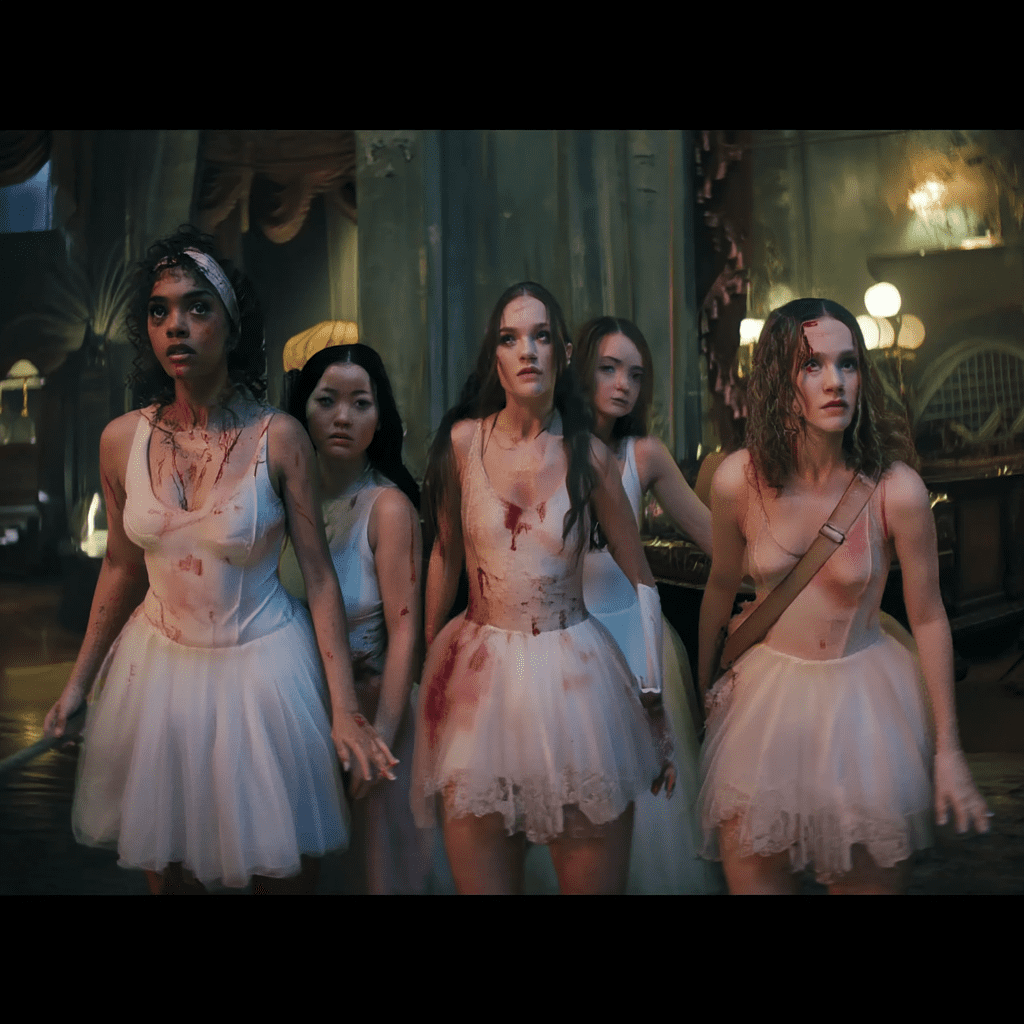
Movies mentioned in this article
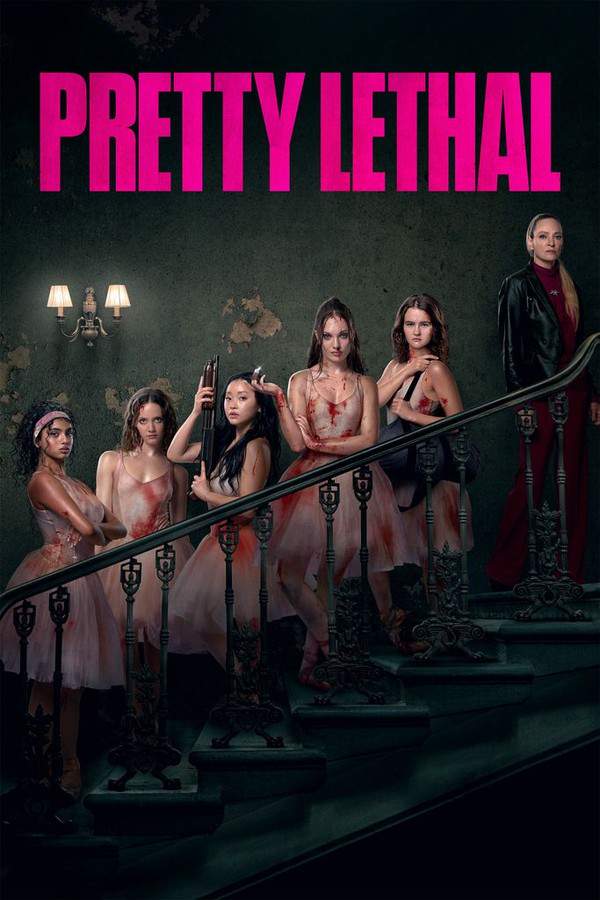
Pretty Lethal (2026) Review: Critics vs Audiences Debate the Ballet-Action Hybrid’s Reception
When Pretty Lethal pirouetted into theaters on March 25, 2026, it arrived with a premise that sounded irresistibly cinematic: trained ballerinas weaponizing their dance expertise to dismantle criminal organizations. This high-concept action thriller, directed by Vicky Jewson, promised to blend the grace of classical ballet with the brutality of modern combat cinema—a combination that immediately sparked curiosity among genre enthusiasts and casual viewers alike. But as the curtain rose on this ambitious hybrid, the reception landscape revealed a fascinating schism between critical evaluation and audience enthusiasm that makes this film a compelling case study in modern movie reception.
For visitors exploring What’s After the Movie, understanding the nuanced divide over Pretty Lethal (2026) offers valuable context beyond simple star ratings. Is this film the next cult action gem hiding in plain sight, or does it falter under the weight of its own ambitious premise? Our analysis dives deep into the critical consensus, audience reactions, and viewer opinions to determine whether this unique entry in the action genre sticks the landing or stumbles over its own choreography. From discussions of its pacing problems to celebrations of its creative fight sequences, we’ll examine why Pretty Lethal has become one of the most divisive theatrical releases of 2026, and whether it deserves a spot on your watchlist.
Critical Consensus on Pretty Lethal (2026): When Choreography Outshines Script
The critic reviews for Pretty Lethal paint a picture of unfulfilled potential, with the film hovering in the “mixed” territory across major aggregation sites. With scores ranging from the high 30s to upper 60s, the critical reception suggests a movie that dazzles in execution but frustrates in storytelling—a common ailment for high-concept action films that prioritize visual flair over narrative substance.
IGN awarded the film a modest 60/100, capturing the central tension that defines most professional critiques: “If you think ballerinas using their dance skills to fight and kill bad guys sounds fun, Pretty Lethal does deliver on its premise. However, it takes too long to get going, and is ultimately a somewhat amusing trifle instead of the more fun spectacle it could have been.” This sentiment echoes across multiple outlets, suggesting that while the film reception acknowledges the novelty of the concept, the execution leaves critics wanting more substance between the set pieces.
The choreography emerges as the undisputed champion of the production. TheWrap (67/100) noted that “The choreography is expectedly graceful and thrilling,” praising the physical execution while lamenting that “It’s the elements in between the carnage, from underdeveloped characters to a confusing plot, that could have used a few more practice sessions to refine.” This divide between action and narrative becomes a recurring theme in spoiler-free reviews, with Screen Rant (50/100) observing that “Director Vicky Jewson and her stunt team… properly make dance a large part of its central characters’ fight sequences, which gives them a very different flavor. However, this only elevates the film so far beyond its fairly underwhelming script.”
The Hollywood Reporter (50/100) delivered perhaps the most damning assessment of the film’s lasting impact, stating that “The impression Pretty Lethal leaves behind is one of unfulfilled potential, an exciting premise executed as a fitfully fun but mostly forgettable distraction.” This critique of memorability—or lack thereof—finds support in The Playlist’s particularly scathing 42/100 review, which declared that while “‘Rhythm Is A Dancer’ remains a classic banger, Pretty Lethal never finds any remotely memorable rhythms of its own.”
Yet not all critical film analysis skews negative. Slant Magazine (63/100) offered a defense of the film’s lean efficiency, calling it “lean, mean, and feisty, even if it doesn’t quite stick the landing.” Meanwhile, The Guardian (60/100) found appreciation in the film’s tone, noting it is “mostly devoid of the suffocating, and often nihilistic, smugness one has come to expect from modern action films.” For viewers seeking movie opinions that value straightforward entertainment over thematic complexity, these defenses provide a roadmap for potential enjoyment.
When exploring box office performance and award potential for action hybrids like this, Pretty Lethal represents the modern trend of mid-budget genre films that live or die by word-of-mouth—films that may not dominate trophies but carve out dedicated niches among specific viewer demographics.
Audience Reactions and Viewer Opinions: Is Pretty Lethal Worth Watching?
Where critics see structural deficiencies, audience reactions reveal a more polarized but passionate defense of Pretty Lethal’s entertainment value. The viewer reactions across user-generated platforms demonstrate a stark divide between those who embrace the film’s campy energy and those who find it irredeemable—a gulf that often separates casual moviegoers from professional critics.
User eddieSaw enthusiastically rated the film 8/10, declaring: “This movie is really fun; it has lots of action, comedy, and horror! I think the idea is great, it’s well executed.” This appreciation for tonal variety resonates with viewer CamilaDaily T, who awarded it 4/5 stars and noted: “Movie was very fun to watch and the stunts were very creative. I loved that there was a good blend of girlhood, action, and comedy. I would watch it again.” These fan opinions suggest that for viewers approaching Pretty Lethal (2026) as a fun parking-yourself-on-the-couch experience rather than prestige cinema, the film delivers exactly what it promises.
The comparison to established action franchises becomes inevitable in audience reviews. User dharma2 (6/10) described it as “a unique take on a ‘John Wick’ style flick but with ballerinas,” while John A (3.5/5) drew parallels to “movies like You’re Next and No One Lives, it’s a movie about the bad guys not realizing what they just unleashed.” These genre expectations comparisons help potential viewers calibrate their anticipation—if you appreciate the contained, high-concept violence of those films, Pretty Lethal may satisfy similar cravings.
However, the negative reviews are equally vociferous. User bestingame312 delivered a scathing 0/10 critique focused on fundamentals: “Really bad acting, no character development at all, and then they dive into the boring plot.” This sentiment found an echo in Andie’s brutal 0.5/10 assessment: “Genuinely the worst movie I’ve seen in a very long time. The acting and everything in between is nothing short of horrible.” For viewers prioritizing character development and narrative coherence, these spoiler-free reviews serve as warning signs.
Perhaps most interesting is the gendered dimension of the reception breakdown. User Becca Y (5/5) made a pointed observation about demographic bias: “Absolutely loved this movie. I guarantee lower ratings are coming strictly from dudes—even positive ones are accompanied with ‘reluctance’. Solid female cast, Uma Thurman’s villain character is dynamic and relatable, lots of action, some gore, and just enough campiness/silliness to keep it light.” This perspective invites film analysis about how action movie reviews often reflect different viewing priorities across audiences, with some seeking female-led empowerment narratives while others critique technical execution.
For those exploring whether Pretty Lethal is worth watching, the What’s After the Movie summary page offers additional context, while our interactive quizzes can help determine if this film matches your personal genre preferences.
Genre Expectations and The Ballet-Action Fusion: A Risky Creative Gamble
The central hook of Pretty Lethal—ballerinas transitioning from barre work to bloodshed—represents exactly the kind of high-concept pitch that Hollywood increasingly relies upon to cut through franchise fatigue. The film reception largely centers on whether this fusion transcends gimmick status to deliver genuine innovation, or whether it remains a novelty that wears thin over the runtime.
The A.V. Club (58/100) captured this ambivalence precisely, noting that “Pretty Lethal doesn’t even fully take flight once it finally escapes the realm of good taste, though it does feature a handful of standout moments and images. You might scratch your head a few times, but you also may enjoy yourself if you only want the filmmakers to embrace their unhinged high-concept premise.” This critical consensus suggests the film occupies a middle ground between commitment to its absurdity and hesitation to fully lean into camp.
The choreography versus violence dynamic creates unique viewer reactions that distinguish it from standard martial arts or gun-fu films. Unlike the precise, economical combat of John Wick or the brutal hand-to-hand warfare of The Raid, Pretty Lethal leverages the fluidity and extension of ballet—a choice that dharma2 acknowledged creates realistic limitations: “You just can’t expect teenage ballerinas to fight ‘kung fu style’.” This physical authenticity, whether appreciated as refreshing or criticized as limiting, fundamentally alters the action movie review landscape for this title.
Movie Nation (38/100) pinpointed a structural issue that affects many genre hybrids: “The script runs out of fresh ideas and novel ways to challenge the dueling dancers quickly, and soon trips over its own tropes.” This critique speaks to the difficulty of sustaining a high-concept premise across a feature-length runtime without descending into repetition. When the novelty of ballet-based combat fades, the film must rely on character and plot—areas where critical reviews suggest it remains underdeveloped.
The tonal question becomes crucial in film analysis of Pretty Lethal. User Ornella D (4/5) defended the film’s approach: “It’s a light movie, I thought it funny and grotesque. I actually enjoyed it. People giving bad reviews need to take life and movies less seriously.” This defense of camp aesthetics versus serious action expectations highlights how divergent genre expectations can lead to wildly different movie opinions. For viewers seeking the grim, tactical realism of modern tactical thrillers, the film may disappoint; for those embracing exploitation cinema influences or 80s action vibes, it may satisfy.
Steven K (5/5) succinctly captured the appeal for target audiences: “Great movie I love how they become a killing ballet.” This transformation narrative—civilized art into savage survival—represents the film’s thematic core, one that resonates with viewers who appreciate female-led action that weaponizes traditionally feminine-coded skills rather than simply adopting masculine combat patterns.
To explore similar movie collections that blend dance and danger, visit our curated lists and browse our extensive movie wiki for detailed genre breakdowns.
Pretty Lethal’s Reception Breakdown: Pacing, Structure, and Technical Execution
Beyond the conceptual premise, critical reviews consistently highlight specific technical shortcomings that prevented Pretty Lethal (2026) from achieving widespread acclaim. The film’s structural integrity—or lack thereof—becomes a primary battleground for film reception analysis, with multiple outlets identifying pacing and narrative architecture as significant weaknesses.
Film Threat (60/100) identified perhaps the most damning structural flaw: “The drawback here is that, although it doesn’t need a deep story, it feels like only two and a half acts, with an abrupt third act.” This pacing problem suggests the film struggles with the fundamental mechanics of storytelling quality, rushing toward conclusion just as the premise gains momentum. For viewers sensitive to narrative coherence, this truncated structure proves particularly frustrating given the time spent establishing the film’s unique world.
The IGN review reinforces this concern, noting that the film “takes too long to get going”—a criticism that, combined with the abrupt ending mentioned by Film Threat, paints a picture of a movie with severe pacing imbalances. The middle section apparently delivers the promised spectacle, but the bookends fail to support the weight of the concept, creating a viewer experience that feels simultaneously too slow and too rushed.
Visually, the film generates more consensus. The cinematography and visuals generally receive praise for capturing the physicality of both dance and combat, though some audience reviews questioned specific production choices. User Tibor R (1.5/5) raised geographical authenticity concerns: “And why was Hungary depicted as some remote area in the USSR in the 60’s? Why had the ‘Hungarian’ villains Russian/Slavic names like, Yuri, Ossip, etc…?” These production value critiques suggest that while the action choreography excels, the world-building details suffer from Hollywood shortcuts that distract from immersion.
The acting generates similarly divided opinions. While Becca Y praised Uma Thurman’s villain as “dynamic and relatable,” John A wished for “more Uma Thurman,” suggesting the veteran actress’s presence elevates material that struggles when focused on the less experienced leads. Meanwhile, user reviews like R C’s attacked specific casting choices regarding appearance, demonstrating how audience reactions can sometimes fixate on superficial elements rather than performance quality.
Director Vicky Jewson’s handling of the material receives mixed film analysis. While Screen Rant acknowledged the proper integration of dance into fight sequences, the direction cannot overcome what The Hollywood Reporter identified as “unfulfilled potential.” This suggests Jewson successfully executes the physical demands of the premise but struggles to elevate the surrounding narrative elements—character development, dialogue, and thematic resonance—to match the visual innovation.
For detailed information about the cast and crew, explore our person profiles, and check the movie page for complete production details.
The Verdict: Long-Term Reception and Cultural Impact of Pretty Lethal
As the dust settles on the initial theatrical run of Pretty Lethal (2026), questions of long-term reception and cultural impact become paramount. Will this film find redemption as a cult classic, or will it fade into the vast library of forgotten mid-budget action experiments? The critical consensus and audience reactions suggest a complicated legacy that may ultimately depend on historical context and shifting genre standards.
Tibor R’s comparison to “movies made in the 80’s for VHS only” and “WTF was that-list” cinema inadvertently identifies a potential path to cult status. Films initially dismissed as disposable trash movies often accumulate passionate followings decades later when their unique energy distinguishes them from homogenized franchise content. However, the user concluded that “this was like a torture,” suggesting Pretty Lethal may lack the “so bad it’s good” charm necessary for midnight movie resurrection.
The camp vs. seriousness debate continues to define movie opinions about the film’s place in the action canon. Iamcritical86 (5/10) delivered a backhanded compliment that encapsulates the film’s strange appeal: “Bravo. Bravo, I say. I do believe this gave me the occasional chuckle.. and I’m almost kind of positive that it’s not just because I was drinking!” This sense of accidental entertainment—enjoyment despite (or because of) flaws—characterizes many viewer reactions that land in the middle of the rating spectrum.
Comparisons to John Wick prove both blessing and curse. While the comparison signals the film’s place in the action movie conversation, it also establishes impossible standards. John Wick benefits from Keanu Reeves’s commitment and Chad Stahelski’s meticulous world-building; Pretty Lethal operates on a different budgetary and conceptual level. The reception breakdown suggests audiences expecting John Wick quality will be disappointed, while those seeking B-movie delights with A-movie choreography may find satisfaction.
The gender dynamics noted by Becca Y may prove the most significant factor in long-term reception. As the industry continues debates about female representation in action cinema, Pretty Lethal’s unapologetic focus on female-led violence and girlhood themes (noted by CamilaDaily T) may attract scholarly attention and retrospective appreciation. The film’s willingness to embrace campiness and silliness while delivering genuine action sequences creates a tonal space that remains underexplored in mainstream cinema.
Ultimately, is Pretty Lethal worth watching? The spoiler-free review consensus suggests: approach with calibrated expectations. If you prioritize creative fight choreography, appreciate female-led casts, and can forgive narrative shortcuts, the film offers unique pleasures. If you require character development, coherent plotting, and serious tone, the critical reviews offer fair warning.
For viewers ready to form their own opinions, visit the Pretty Lethal movie page on What’s After the Movie for detailed information, and explore our movie lists to discover similar titles that blend dance and destruction.
Conclusion: Synthesizing the Divided Reception of Pretty Lethal (2026)
The film reception for Pretty Lethal (2026) ultimately illustrates the widening gap between critical methodology and audience satisfaction in contemporary cinema. While professional reviews focus on narrative structure, thematic depth, and memorability—finding the film wanting in most categories—audience reactions frequently celebrate the exact elements critics dismiss: the unpretentious commitment to fun, the creative action sequences, and the campy energy that refuses to take itself too seriously.
This critical consensus versus fan opinions divide suggests Pretty Lethal functions best as a streaming discovery or secondary theatrical experience—a film to enjoy with friends and low expectations rather than anticipate as groundbreaking art. The choreography and visuals provide sufficient entertainment value to justify the runtime for action enthusiasts, while the script and pacing issues validate the hesitations of more discerning viewers.
For the What’s After the Movie community, Pretty Lethal represents the type of mid-tier genre film that benefits from detailed film analysis and review aggregation. By examining both the critic reviews highlighting technical shortcomings and the user reviews celebrating enthusiastic execution, viewers can make informed decisions about whether this ballet-action hybrid matches their personal preferences.
Whether Pretty Lethal achieves cult movie status or becomes a footnote in 2026 cinema history depends on time and rediscovery. For now, it stands as a fascinating case study in high-concept execution, demonstrating that even the most intriguing premises require structural support to truly soar. As you explore your next watch, consider checking our concert film selections or returning to the Pretty Lethal summary to see how your viewer reactions compare to the broader reception landscape.
| Site | Link |
|---|---|
| Pretty Lethal TMDB | The Movie Database |
| Pretty Lethal Wikipedia | Wikipedia |
| Pretty Lethal Rotten Tomatoes | Rotten Tomatoes |
| Pretty Lethal Metacritic | Metacritic |
| Pretty Lethal JustWatch | JustWatch |
Continue reading



What's After the Movie?
Not sure whether to stay after the credits? Find out!
Check out our other apps:

SAT Sphere
Build confidence for the Digital SAT.

Mori Atlas
Discover wild places worth protecting.

Luntero
Search smarter for a home in Amsterdam.

Plot Explained
Unravel movie endings and hidden clues.

Pokechamp
Dive into Pokémon data and battle logic.

Driving Theory
Get ready for your European theory test.

Movie Dust
Plan your next cinema trip with ease.

Musemap
Find art and culture as you travel.

Selkobase
Compare credentials before committing.

Local Manual
Turn an unfamiliar country into practical next steps.

Lernavi
Compare school systems before your next move.

GymRoam
Find a workout stop wherever your plans take you.
Explore Our Movie Platform
New Movie Releases (2026)
Famous Movie Actors
Top Film Production Studios
Movie Plot Summaries & Endings
Major Movie Awards & Winners
Best Concert Films & Music Documentaries
Movie Collections and Curated Lists
© 2026 What's After the Movie. All rights reserved.
Privacy Policy