Normal (2026) Reviews & Reception: Is Bob Odenkirk’s Action-Comedy Worth Watching?
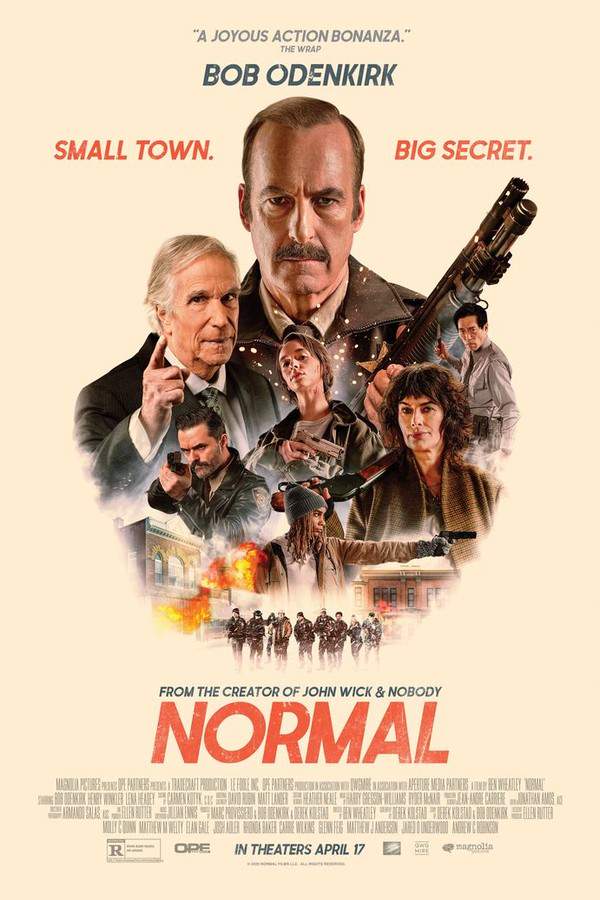
When Bob Odenkirk teamed up with director Ben Wheatley for Normal (2026), audiences anticipated another entry in the actor’s growing action-hero filmography following the success of Nobody. However, as viewers searched for Normal movie reviews and critical consensus ahead of its April 2026 release, it became immediately apparent that this particular action-comedy would generate significantly more polarized discussions than its predecessor. Unlike straightforward genre entries, Normal arrives as a deliberately provocative piece of cinematic contradiction—simultaneously “normal” in its runtime and structure, yet aggressively “abnormal” in its thematic execution and tonal shifts.
The film’s reception landscape reveals a fascinating divide between critics and general audiences, with professional reviewers grappling with the movie’s ethical implications regarding on-screen violence, while casual viewers oscillated between delight at its dark humor and frustration with its narrative choices. For those exploring what’s after the movie and seeking comprehensive Normal reception analysis, understanding these divergent perspectives becomes essential. Is this a worthy successor to Nobody? Does it justify its existence beyond 90 minutes of entertainment? And perhaps most importantly for potential ticket buyers: is Normal (2026) worth watching, or should you wait for streaming?
At What’s After the Movie, we’ve compiled extensive movie summaries, box office data, and detailed film reception metrics to help you navigate this complex critical terrain. Whether you’re researching Normal spoiler-free reviews or comparing critic ratings vs audience scores, this analysis synthesizes the genuine reactions from both professional film journalists and everyday moviegoers to provide a complete picture of where this controversial action-comedy stands in contemporary cinema.
Critical Consensus: Analyzing Professional Film Reviews and Critical Reception
The Normal critic reviews present a fascinating case study in contemporary film criticism’s relationship with genre filmmaking, particularly regarding movies that blend extreme violence with comedic elements. With scores ranging from a divisive 50/100 to a solid 80/100 across major outlets, the professional reception suggests a film that critics respect for its technical competence while questioning its thematic coherence.
The Seattle Times delivered one of the more pointed critiques regarding the film’s moral positioning, noting that “the irony and meaninglessness of the violence rankles, especially when Ulysses is presented as such a nice guy who is prone to de-escalation and community care in his day-to-day work.” This observation highlights a recurring tension in Normal film analysis: the dissonance between protagonist presentation and narrative action. Critics consistently returned to this contradiction, suggesting that Wheatley’s film deliberately courts discomfort through its juxtaposition of likable performers and nihilistic carnage.
Conversely, Time Out offered a more forgiving perspective on this tonal tightrope, arguing that despite dialogue occasionally falling flat—where “a few too many zingers zonk out”—the film compensates through sheer commitment: “Normal goes about its carnage with such sincerity, it’s impossible to resist.” This divide between those who found the violence wearying versus those who found it exhilarating defines the Normal critical consensus.
New York Magazine (Vulture) perhaps best captured the middle-ground ambivalence dominating Normal reception, stating: “I was never bored by Normal, but I’d also be lying if I said I was ever excited by it.” This sentiment of competent entertainment without lasting impact appears frequently in professional write-ups, with several critics noting the film’s utility as temporary distraction—“Maybe it’ll help you forget your troubles for an hour or two,” Vulture continued, “but there’s also a good chance you’ll forget the movie itself in even less time.”
The RogerEbert.com review added crucial nuance to the violence debate, acknowledging that “the violence is pretty graphic, and some of it is played for laughs, which would be distasteful if the laughs didn’t actually land,” before concluding with the memorable admission: “Sometimes you enjoy a movie, and you don’t feel good about it in the morning.” This complex reaction—entertainment laced with guilt—suggests Normal (2026) reviews function less as traditional critiques and more as ethical wrestling matches with viewers’ own complicity in enjoying the mayhem.
For those tracking movie awards potential or comparing Normal to similar films, the professional consensus positions it as a technically proficient but thematically divisive entry in the modern action-comedy canon—closer to Wheatley’s idiosyncratic previous work than a straightforward Nobody sequel in spirit.
Audience Reactions: Real Viewer Opinions and Moviegoer Sentiment
While critics debated Normal’s artistic merits and ethical implications, Normal audience reactions revealed an equally split but differently motivated spectrum of opinions. User reviews on major platforms demonstrate that this is definitively a “love it or hate it” proposition, with almost no middle ground in viewer sentiment.
The enthusiastic camp embraced the film’s anarchic energy and unpredictability. Christine F awarded the film 5 stars, praising its subversive qualities: “This was weirder and wilder than we were expecting! The fight sequences were both choreographed and filmed for high action. The theater wasn’t that full, but you could still hear people laughing just as much as we were.” This observation regarding communal theatrical experience—laughter punctuating violence—suggests that Normal succeeds as a crowd-pleaser for specific demographics seeking action-comedy recommendations.
Similarly, Scott M described it as an “Entertaining and unique movie with unexpected plot twists,” while Linda L drew direct comparisons to Odenkirk’s previous action vehicle: “If you enjoyed ‘Nobody,’ you’ll definitely appreciate ‘Normal!’” However, Linda’s review also inadvertently highlights the geographical confusion some viewers experienced, noting the real-world irony that “the town of Normal is located in Minnesota, a state known for its share of quirky happenings lately”—a detail that may confuse those unfamiliar with the film’s actual setting.
Conversely, the negative Normal user reviews border on hostile. PrettyKitty delivered perhaps the harshest movie opinion available, calling it “Worst movie of the year and top 3 worst of all time… beginning and midway slow then the storyline is horrible thereafter (AVOID).” Jason N expressed similar disappointment regarding genre expectations: “Not what I expected at all. Definitely not Fargo like. The whole movie was pointless… overall disappointing.”
This Fargo comparison appears significant in Normal film reception, as multiple viewers apparently anticipated Coen Brothers-style crime storytelling rather than Wheatley’s particular brand of British cynicism meets American violence. Alanna T captured the pragmatic middle-ground, advising: “I’m a fan of the cast but the whole plot kind of fell flat in my eyes. I’d tell people to wait and just stream it.”
David M offered perhaps the most balanced spoiler-free review for fence-sitters: “Entertainment for sure. Not a masterpiece but good enough for a weekend escape. Lots of action but not a ton of story line. Just under a hour and a half so the pace makes it seem even quicker.” This acknowledgement of the film’s breezy runtime (a characteristic shared with Nobody and its sequel) suggests that Normal functions best as cinematic junk food—satisfying in the moment, forgettable afterward.
For movie quiz enthusiasts and those researching actor filmographies, these divided reactions indicate that Normal requires specific temperament alignment: viewers who appreciate absurdist violence and don’t require narrative cohesion will find value, while those seeking coherent plotting or character development may feel cheated.
Genre Expectations vs. Reality: Deconstructing Normal’s Tone and Violence
One cannot analyze Normal (2026) film reception without addressing the elephant in the room: the film’s aggressive tonal dissonance and its complicated relationship with genre classification. Marketed implicitly as another Nobody-style action vehicle, Normal instead delivers something closer to avant-garde satire wrapped in action-comedy packaging—a combination that left many viewers questioning their own movie recommendations.
The Boston Globe succinctly summarized this disorientation in their review: “Normal, as you’ve no doubt gathered by now, is pretty abnormal, and the extended reveal of the abnormality wastes much of what was good about the first half of the movie.” This critique regarding the film’s structural twist—apparently revealing that the “normal” domestic setup is anything but—suggests that Normal reviews frequently grapple with whether the narrative subversion enhances or undermines the viewing experience.
The violence, unanimously acknowledged as graphic and frequent, generated the widest gap in viewer reactions. The Reveal noted that the central twist “leads to a lot of gunplay that allows Wheatley to off one character after another in violent, sometimes explosive fashion. It’s more wearying than shocking,” suggesting that desensitization sets in rather than catharsis. This observation aligns with The Travers Take’s interpretation that “for all the mirth and mayhem, Bob Odenkirk and his merry pranksters are exposing how violence is wired into the American character”—implying that the exhaustion viewers feel may be intentional, a commentary on the endless cycle of cinematic and real-world brutality.
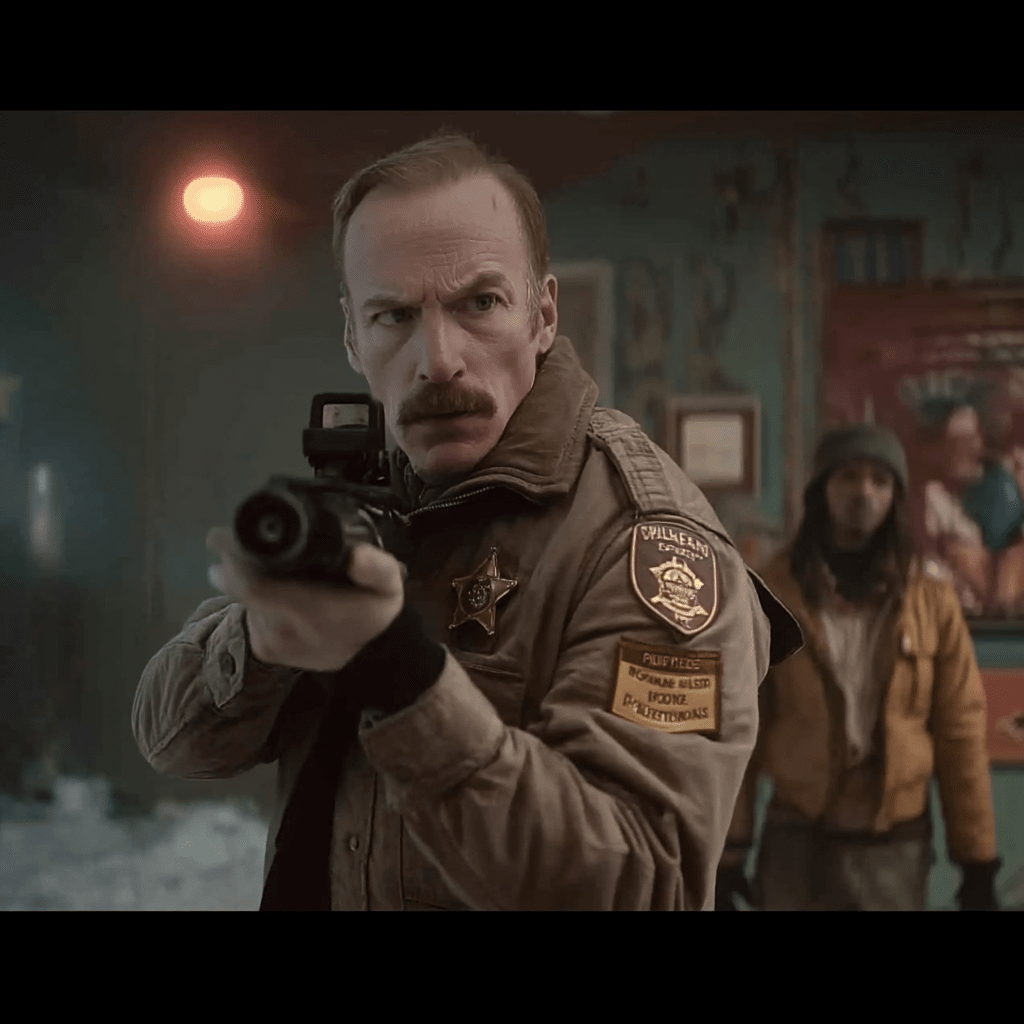
However, the Associated Press offered a counterpoint that speaks directly to genre fans’ priorities: “Many of its twists aren’t hard to see coming, and the movie sometimes lacks the scale needed for a sprawling battle. But a mustachioed Odenkirk with a shotgun is, by most metrics, more than enough firepower for any movie.” This acceptance of minimalism in plot in exchange for maximalism in star presence defines the Normal audience reception among action aficionados.
The San Francisco Chronicle solidified the comparison to Odenkirk’s previous franchise, noting that “Like ‘Nobody’ and ‘Nobody 2’, ‘Normal’ is a satisfyingly amusing, get-in and get-out (all three films are about 90 minutes) piece of violent mayhem.” For those tracking box office performance or exploring movie collections, this trilogy-adjacent positioning suggests Normal functions as comfort food for established fans while potentially alienating newcomers expecting traditional three-act structure.
The New York Times added franchise context that may influence long-term reception: “Normal — which heralds, according to the press notes, the birth of yet another franchise — navigates its cartoonish excesses with expected competence.” This mention of franchise potential introduces fascinating questions about Normal’s legacy: if this is intended as a launchpad for future installments, will the divisive reactions soften as the “rules” of this particular cinematic universe become established?
Bob Odenkirk’s Performance: Character Analysis and Star Power
At the center of Normal’s critical and audience discourse lies an undeniable constant: Bob Odenkirk’s committed, nuanced performance as Ulysses—a character whose very name evokes mythic journeying while his profession suggests mundanity. In analyzing Normal film reviews, Odenkirk emerges as the primary saving grace for detractors and the essential anchor for enthusiasts.
The New York Times highlighted this paradox in their critique: “As for Odenkirk, he’s golden; as mythology nerds will recall, Ulysses was also known as the Master of Cunning.” This classical allusion adds layers to character analysis that casual viewers might miss, suggesting that Odenkirk’s portrayal contains intentional echoes of Odysseus—another traveler who encountered bizarre violence while attempting simple passage home. The “Master of Cunning” reference proves particularly apt given the film’s reliance on deception and revelation regarding Ulysses’s true nature or circumstances.
What distinguishes Odenkirk’s work in Normal from standard action-hero fare is his ability to maintain the “nice guy” aura even during extreme violence—a quality that The Seattle Times found problematic but which fans of the actor’s Better Call Saul and Nobody work will recognize as his signature approach. The review’s observation about Ulysses being “prone to de-escalation and community care in his day-to-day work” while participating in (or being subjected to) graphic violence creates the central tension that Odenkirk must navigate.
For those exploring actor profiles or participating in movie trivia, Odenkirk’s physical transformation and commitment to the role’s demands provide substantial content. User Linda L noted appreciating “plenty of action along with a great mix of humor,” while Eh (rating 1.5/5) acknowledged: “Love the leading man. Plot was just awful”—a separation of actor and material that appears frequently in Normal audience reviews.
This star-is-better-than-the-film dynamic presents interesting implications for film reception studies. When a movie generates such divergent opinions yet maintains consistent praise for its lead, does the performance elevate the material, or does it highlight what the script and direction lack? Robin W’s user review captures this ambivalence perfectly: “I had no idea what this movie was! I’m so glad we seen it. It was a little more gruesome than I like, but it was worth it! I needed just a tad bit more for the ending, a little more closure!”
The “mustachioed Odenkirk with a shotgun” image cited by the Associated Press has already become a defining visual for the film in popular culture, suggesting that regardless of Normal’s ultimate place in cinematic history, Odenkirk’s reinvention from comedic writer to credible action star remains complete. For viewers wondering is Normal worth watching, the actor’s presence appears to be the decisive factor—the cinematic equivalent of a guarantee against total disappointment, if not a promise of universal satisfaction.
Pacing, Direction, and Technical Execution: The Wheatley Touch
Director Ben Wheatley brings his distinctive visual sensibility to Normal, creating a technical framework that received surprisingly consistent praise across otherwise divergent reviews. The film’s brisk runtime—approximately 90 minutes—emerges as both a stylistic choice and a merciful limitation, depending on the reviewer’s perspective.
The Reveal emphasized the structural benefits of this conciseness, noting that despite the “wearying” nature of the extended gunplay, the film survives “thanks to a brisk pace, a willingness to shift gears with little warning.” This kinetic approach to storytelling, where scenes transition from domestic comedy to explosive violence without traditional build-up, defines the Normal viewing experience and separates it from more methodical action entries.
For film analysis enthusiasts and those interested in directorial careers, Wheatley’s handling of the material suggests a continuation of his previous interests in British class anxiety and absurdist violence, now filtered through an American Midwestern setting (despite the confusion mentioned in some user reviews regarding Minnesota). The San Francisco Chronicle’s “get-in and get-out” description suggests a workmanlike efficiency that some critics found refreshing while others found superficial.
The technical execution of the action sequences generated particular discussion in Normal reviews. Christine F’s user observation about fight sequences being “both choreographed and filmed for high action” indicates that the physical production values meet the standards set by Nobody, even if the narrative wrapping proves more controversial. This suggests that for action movie fans prioritizing visceral thrills over coherent plotting, Normal delivers the requisite technical goods.
However, The Boston Globe’s critique regarding the “extended reveal” wasting “much of what was good about the first half” points to structural issues that may stem from Wheatley’s approach to narrative—specifically, a preference for conceptual payoff over character development. When the film pivots from its established premise to its true subject (the nature of which remains spoiler-protected in most reviews), the transition apparently strains the suspension of disbelief for some viewers.
For those tracking movie runtimes or comparing filmmaking styles, Normal’s compression of what might otherwise be a two-hour narrative into 90 minutes results in a density that David M described as making “the pace seem even quicker.” This acceleration prevents the “slow” sections mentioned by negative reviewers (PrettyKitty noted “beginning and midway slow then the storyline is horrible thereafter”) from derailing the experience entirely, though it apparently cannot salvage the narrative choices for all viewers.
The cinematography and production design, while less explicitly discussed in the provided reviews, presumably support the “cartoonish excesses” noted by The New York Times—suggesting a stylized approach to violence that prevents the graphic content from becoming truly disturbing, instead keeping it within the realm of dark comedy. For film school analysis or movie night planning, understanding this technical balance between realism and stylization helps explain why some viewers find the violence “wearying” while others find it “impossible to resist.”
Final Verdict: Is Normal Worth Watching? Understanding the Divided Reception
As we synthesize the diverse Normal (2026) reviews and audience reactions, a clear picture emerges of a film that serves specific audiences exceptionally well while actively alienating others. The question of whether Normal is worth watching ultimately depends on aligning your expectations with the film’s actual offerings—a match that proves surprisingly difficult given its marketing and star pedigree.
For fans of Bob Odenkirk’s action work, Nobody enthusiasts, and viewers who appreciate dark comedy violence, the verdict leans positive. The film delivers exactly what the Associated Press promised: “a mustachioed Odenkirk with a shotgun” providing “more than enough firepower.” David M’s assessment of “good enough for a weekend escape” captures the utilitarian value proposition—this is not awards season material, but rather competent entertainment cinema that respects your time and delivers visceral thrills.
However, for viewers seeking coherent narrative structure, Fargo-esque crime storytelling, or emotional catharsis, the Normal reception suggests steering clear. Jason N’s declaration that “the whole movie was pointless” and PrettyKitty’s “worst movie of the year” condemnation indicate that the film’s nihilistic streak and tonal whiplash prove insurmountable for those expecting traditional action-comedy or thriller conventions.
The middle path—adopted by Alanna T and implied by The Reveal’s “not fatally so” assessment—suggests waiting for streaming or digital rental rather than rushing to theaters. At 90 minutes, Normal makes for a low-risk movie night selection, particularly for those who treat cinema as casual entertainment rather than artistic imperative.
For film students and reception studies enthusiasts, Normal represents a fascinating case study in star-driven production, the challenges of sophomore action franchises, and the difficulties of marketing absurdist cinema to mainstream audiences. Whether it spawns the franchise hinted at in press materials or becomes a curiosity in Odenkirk’s filmography, its divided critical consensus ensures it will remain a talking point for fans of contemporary action cinema.
Ultimately, Normal succeeds as a spoiler-free experience best entered with minimal expectations and maximum appreciation for committed performances working with deliberately provocative material. It is, as RogerEbert.com suggested, the cinematic equivalent of enjoying something you don’t feel good about afterward—a guilty pleasure that doesn’t bother hiding its guilt.
| Resource | Link |
|---|---|
| Normal Wikipedia | Normal (2025 film) Wikipedia |
| Normal Rotten Tomatoes | Rotten Tomatoes |
| Normal Metacritic | Metacritic |
| Normal JustWatch | JustWatch |
| Normal Box Office Mojo | Box Office Mojo |