What's After the Blog?
Opinions • Reception
Psycho Killer (2026) Review, Critics’ Opinions & Audience Reception – Performance, Storytelling & Franchise Impact
Explore fan reactions and critic reviews of Psycho Killer (2026), dissecting the film’s gritty performances, tense storytelling, and its place within the thriller franchise. This post analyzes audience reception, critical consensus, and the impact of the movie’s brutal narrative on both viewers and the series legacy.
February 23, 2026
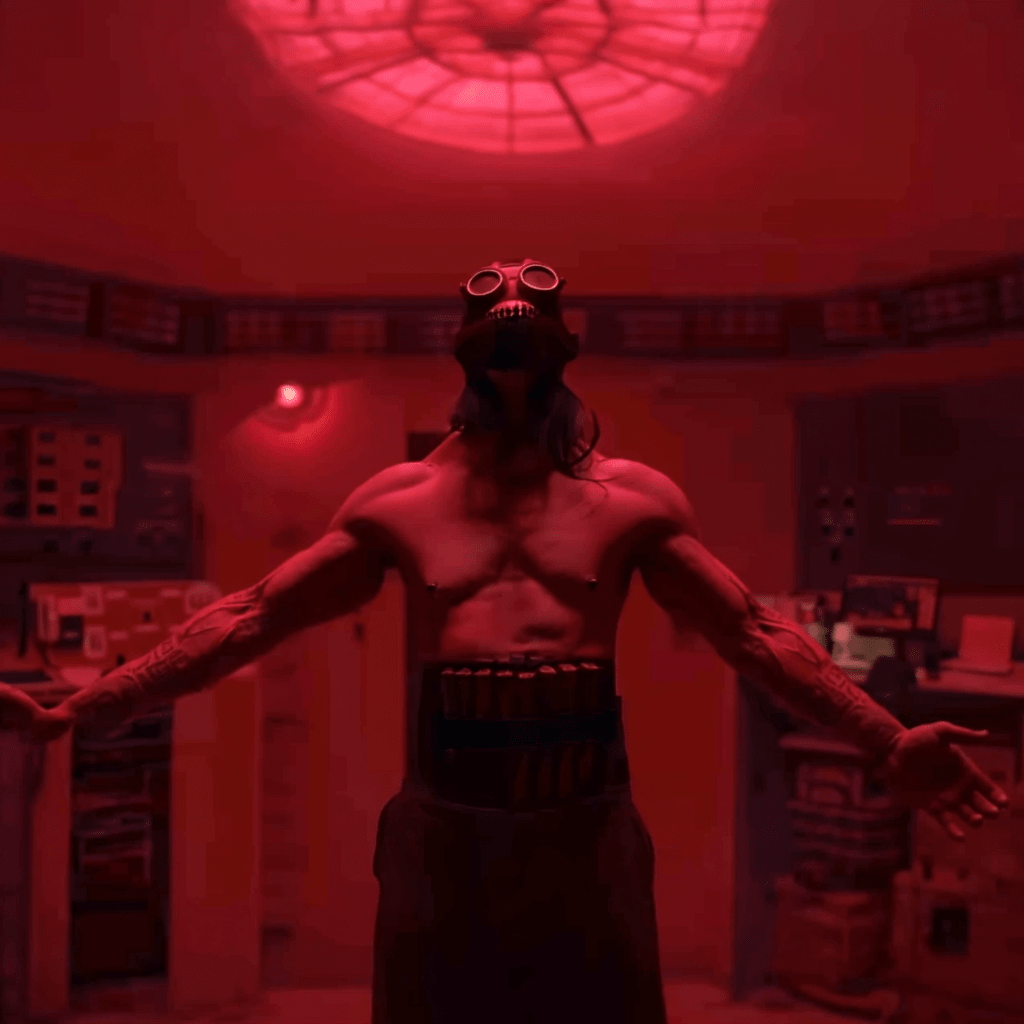
Movies mentioned in this article
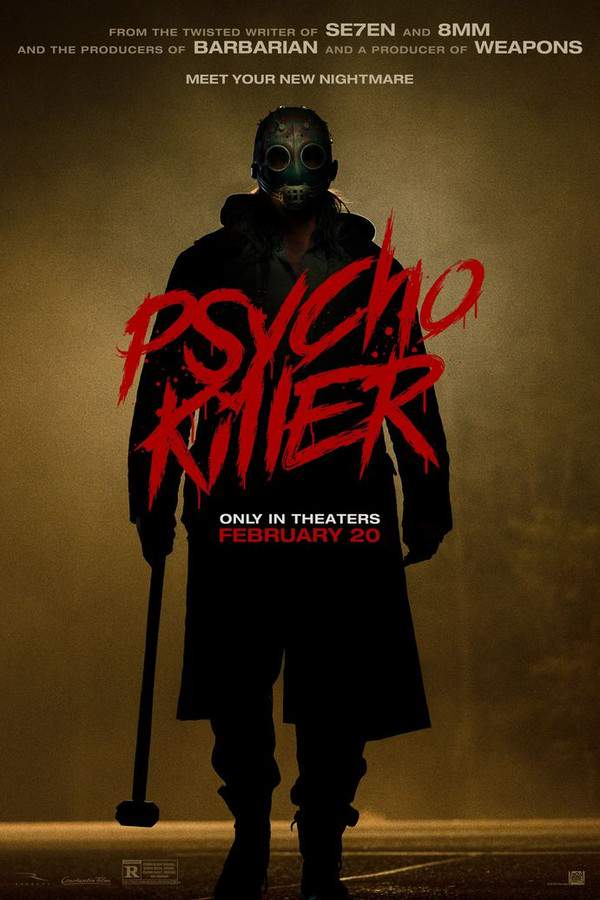
Psycho Killer 2026 Review: Critical Consensus, Audience Reactions, and Film Reception Analysis
When Psycho Killer hit theaters on February 20, 2026, horror enthusiasts and casual moviegoers alike scrambled to search engines seeking one crucial answer: is this latest entry into the slasher genre worth the price of admission, or should it be relegated to the growing graveyard of forgotten 2026 horror releases? As the film industry’s reception machinery churned out scores from major outlets and user-generated platforms began filling with visceral reactions from opening weekend crowds, a fascinating and somewhat rare phenomenon emerged—a near-universal critical dismissal paired with a small but vocal contingent of defenders who found merit in the chaos. At What’s After the Movie, we specialize in dissecting these exact reception landscapes, moving beyond simple star ratings to analyze the qualitative substance of what makes a film resonate or repel its intended audience.
For those seeking comprehensive movie summaries and detailed breakdowns of cinematic releases, our platform provides the definitive resource for understanding film narratives before you commit your time. The reception of Psycho Killer represents a particularly intriguing case study in modern horror marketing versus execution, where early trailers promised a stylish, intense experience reminiscent of classic psychological thrillers, only to deliver what many critics and viewers described as a technically flawed, narratively confused product. Whether you’re browsing our Psycho Killer movie page for cast details, exploring celebrity profiles of the ensemble, or checking box office performance metrics to understand commercial viability alongside critical reception, this analysis will guide you through the divisive landscape of one of 2026’s most controversial horror offerings.
Critical Consensus and Professional Reviews: Why Critics Panned Psycho Killer (2026)
The professional critical reception for Psycho Killer emerged as a near-consensus of disappointment, with aggregate scores reflecting a film that failed to meet even modest genre expectations. Major outlets delivered scathing assessments that positioned the movie not merely as a misfire, but as a fundamentally misconceived project lacking the basic cinematic vocabulary required for effective horror storytelling. TheWrap delivered perhaps the most devastating indictment, noting that “Psycho Killer wasn’t made with style in mind. Actually, it doesn’t seem to have anything on its mind”—a critique that suggests complete creative bankruptcy rather than mere execution errors. This sentiment of artistic emptiness resonated across the critical spectrum, establishing the primary narrative around the film’s reception: not that it was ambitious and failed, but that it appeared to lack ambition entirely.
Collider reinforced this perception of missed potential, observing that while “there are fractured elements that, with a little polish, could’ve been something much more,” the final product remains “just a generic, unremarkable horror film.” This critique cuts particularly deep for genre fans because it identifies the cardinal sin of modern horror: being forgettable. In an era where independent horror cinema consistently pushes boundaries—from elevated psychological terror to innovative body horror—Psycho Killer stands accused of offering neither innovation nor competent execution of familiar tropes. The IGN review crystallized this frustration with a pointed assessment describing the film as “a parade of missteps and missed opportunities,” suggesting a viewing experience defined by frustration rather than fear.
Perhaps most telling was ReelViews’ measured but ultimately damning evaluation, which acknowledged glimmers of competence in the film’s setup before condemning its conclusion: “Looking back at Psycho Killer as a whole, the missteps in the final 20–30 minutes easily overwhelm some of the earlier, better material. It’s tough to recommend this even as a streaming time-waster.” This temporal specificity—the collapsing final act—provides crucial insight for viewers wondering about the film’s structural integrity. Unlike horror films that fail from frame one, Psycho Killer apparently establishes sufficient narrative momentum to create disappointment when that momentum dissolves into incoherence.
For film scholars and reception historians tracking awards season patterns and critical consensus formation, Psycho Killer represents an interesting case of synchronized dismissal across outlets typically known for divergent tastes. Whether analyzing through the lens of our Movie Wiki resources or comparing against other titles in our Movie Collections, the uniformity of critical sentiment suggests fundamental production issues rather than subjective taste disagreements. When outlets ranging from genre-specific sites to general entertainment portals align in their characterization of a film as “generic” and “unremarkable,” the signal to potential viewers becomes clear: manage your expectations accordingly, or perhaps skip this title entirely in favor of better-received entries in our curated Movie Lists.
Audience Reactions and Viewer Sentiment: The Polarized Response to Psycho Killer
While critical consensus formed a wall of negative consensus, user-generated platforms and audience review aggregators revealed a more complex, albeit still predominantly negative, reception landscape for Psycho Killer. The divergence between professional critics and general audiences—often a reliable indicator of “guilty pleasure” potential or cult film emergence—instead manifested as a chasm between those who despised the film and a small minority who found redeeming entertainment value in its chaos. This polarization merits examination for anyone conducting a spoiler-free review search or investigating viewer reactions to determine if the critical consensus truly reflects the general moviegoing experience.
The negative user reactions achieved a level of vitriol rarely seen in aggregate, with specific complaints targeting nearly every aspect of production. User RebekahDelRio provided one of the most detailed demolitions, alleging that “Screenwriter must have used AI to write this complete garbage. Acting is wooden. Plot is obvious and nonsensical. No surprises. Tons of bad digital blood and bad ADR. This is a mediocre student film at best.” This review highlights several recurring themes in audience reception: suspicion of artificial or cynical script construction, technical incompetence in post-production (particularly regarding digital effects and audio replacement), and the damning comparison to amateur filmmaking. The specific mention of “bad digital blood” suggests that the film’s practical effects aspirations failed in execution, creating immersion-breaking moments that pulled viewers out of the intended horror experience.
Similarly scathing assessments came from users Ric, Andy C, and Adam Y, with complaints spanning “terrible” cinematography and lens focus to “horrible writing” and “amateur directing.” The consensus among detractors suggests not merely disappointing content but technically incompetent filmmaking. Particularly notable was Ric’s observation that “Even the great Malcolm McDowell is terribly wasted here,” indicating that the film failed to utilize its most recognizable asset—a veteran actor with significant horror credentials—suggesting either severe editing decisions or misguided direction that obscured star power.
However, the reception landscape cannot be fully understood without acknowledging the defenders. Daniel L offered a contrarian five-star assessment, stating “Movie was really good! I feel like it’s getting hate for no reason it was entertaining,” while Alexander T provided a nuanced four-star review: “This movie is intense and unhinged, while still staying entertaining throughout. Because of the negative reviews, my expectations weren’t very high, but I was pleasantly surprised.” These positive reactions introduce the “expectations management” variable crucial for understanding Psycho Killer’s audience reception. For viewers approaching the film with appropriately lowered expectations—perhaps informed by the critical drubbing or negative social media chatter—the movie apparently delivers enough intensity and entertainment value to satisfy.
Dylan C occupied the middle ground with a 2.5-star “decently enjoyed” assessment, noting “it’s not a great horror movie but it’s not horseshit,” while Rich L described it as “ok. Kinda stupid but it’s a decent watch.” These moderate evaluations suggest that while Psycho Killer fails as high-art horror or even competent mainstream entertainment, it may function as background viewing or “turn your brain off” content for undemanding audiences. For those exploring our quizzes and games section or comparing audience reactions across different horror subgenres, this bimodal distribution—hate versus defensive appreciation—creates an interesting test case for how lowered expectations can salvage otherwise compromised cinematic experiences.
Technical Execution and Genre Expectations: Where Psycho Killer Lost the Room
To understand why Psycho Killer inspired such passionate rejection from viewers and critics alike, one must examine the specific technical failures that broke immersion and violated established horror conventions. The film’s reception serves as a masterclass in how modern audiences, increasingly sophisticated in their understanding of cinematic craft, will not forgive fundamental production errors regardless of budget constraints or genre conventions. When users complain that “the blood went through the axe handle” (as noted by user derek) or criticize lens focus issues, they identify a film that failed at the basic mechanical level of filmmaking—the “invisible technique” that allows audiences to suspend disbelief and accept fabricated violence as narratively meaningful.
The criticism of “bad ADR” (Automated Dialogue Replacement) mentioned by RebekahDelRio points to post-production shortcuts that destroy audio-visual cohesion. In horror cinema, where atmospheric tension relies heavily on precise sound design and spatial audio cues, poor ADR work doesn’t merely distract—it actively undermines the genre’s primary tool for generating anxiety. When dialogue sounds disconnected from its visual source, the illusion shatters, and viewers become aware they’re watching a constructed artifact rather than experiencing a terrifying narrative. This technical failure likely contributed to the widespread perception of “wooden” acting, as performers’ vocal performances (recorded in studio months after filming) failed to match their physical expressions captured on set.
The “mediocre student film” comparison appears repeatedly in user reviews because Psycho Killer seems to exhibit the hallmarks of inexperienced filmmaking: poor focus pulling (maintaining sharpness on subjects), inconsistent digital effects integration, and narrative incoherence in the final act. For a theatrical release featuring a veteran like Malcolm McDowell, these technical standards represent a breach of contract with the audience. Viewers searching for film analysis or critical reviews of Psycho Killer should understand that the negative reception stems not from controversial artistic choices but from failures to meet baseline professional standards.
From a genre studies perspective, Psycho Killer apparently fails to innovate within or honor the traditions of psychological horror. When Collider describes it as “generic,” and TheWrap notes it has “nothing on its mind,” they identify a film that neither contributes to the genre’s evolution nor executes classic tropes with sufficient skill. Contemporary horror audiences, fed by streaming services’ vast libraries of international and independent horror, possess sophisticated palates for subversion, metaphor, and atmospheric dread. A film that offers neither the cathartic competence of well-crafted slasher mechanics nor the intellectual engagement of “elevated horror” finds itself in a commercial no-man’s land—too technically flawed for mainstream acceptance, too conventional for genre enthusiasts.
For researchers using our concert films section or exploring box office data to correlate technical reception with commercial performance, Psycho Killer likely demonstrates how quickly negative word-of-mouth regarding production quality can dampen theatrical attendance. In an age where viewers can instantly share clips of “bad digital blood” or ADR failures on social media, technical incompetence becomes not merely a critical concern but a marketing liability that no amount of promotional spending can overcome.
The Defender’s Perspective: Finding Value in Psycho Killer’s Chaos
Despite the overwhelming negative consensus, analyzing the minority positive reactions to Psycho Killer provides crucial insight into the subjective nature of horror appreciation and the “so-bad-it’s-good” threshold that certain films manage to cross. While RebekahDelRio explicitly stated the film was “Not quite bad enough to be so bad it’s good,” defenders like Alexander T found genuine entertainment value in its “intense and unhinged” qualities. This divergence points to an essential question in film reception studies: at what point does failure become fascinating, and can intentional or unintentional chaos serve as entertainment even when craftsmanship is absent?
The “pleasantly surprised” phenomenon described by Alexander T—wherein lowered expectations created space for enjoyment—suggests that Psycho Killer may find its ultimate audience among viewers who approach it with ironic distance or as part of a “bad movie night” curriculum. However, unlike certified cult classics that embrace their own absurdity, Psycho Killer appears to suffer from sincerity; it seems to want to be taken seriously as a horror film while lacking the technical and narrative tools to earn that seriousness. This creates a unique reception profile: too competent to be camp, too inept to be effective, resulting in the “generic” label that prevents it from achieving even ironic appreciation.
Daniel L’s insistence that the film is “getting hate for no reason” hints at the subjective variability of entertainment value. For some viewers, the mere presence of violent set pieces, jump scares, or familiar genre rhythms satisfies the basic requirement of “horror movie,” regardless of execution quality. This utilitarian approach to genre consumption—where existence within the horror category suffices for enjoyment—explains why even critically lambasted films maintain small, dedicated fanbases. These viewers prioritize visceral reaction over aesthetic craft, finding in Psycho Killer’s aggressive energy a satisfying experience despite (or perhaps because of) its rough edges.
The middle-ground assessments (“kinda stupid but it’s a decent watch”) suggest that for undemanding audiences or those seeking background entertainment, Psycho Killer occupies the space of “disposable cinema”—content that fills time without requiring cognitive investment. In the streaming era, where JustWatch availability and subscription libraries make impulse viewing frictionless, films like Psycho Killer serve as content filler rather than cultural events. This functional approach to movie watching—where a film need not be good, merely present and digestible—explains the modest positive ratings despite widespread critical condemnation.
For those constructing Movie Collections of 2026 horror releases or curating Movie Lists of divisive genre entries, Psycho Killer presents an interesting inclusion precisely because of its reception gap. It serves as a conversation piece—a film that generates debate about minimum standards, the role of technical competence in genre satisfaction, and whether entertainment value can ever truly divorce from craftsmanship. While we at What’s After the Movie recommend consulting our detailed movie summaries before committing your evening to any title, understanding why some viewers defend Psycho Killer helps calibrate your own expectations and determine whether you fall into the camp of tolerant genre enthusiasts or discerning horror connoisseurs.
Comparative Analysis: Psycho Killer in the Context of Modern Horror Cinema
Positioning Psycho Killer within the broader landscape of 2026 cinema and contemporary horror trends illuminates why its reception proved so harsh relative to other mid-budget genre offerings. The horror genre in the mid-2020s experienced a renaissance of sorts, with independent filmmakers and major studios alike delivering works that either subverted expectations (the “elevated horror” movement) or executed traditional tropes with such precision and passion that they felt fresh (the “post-Hereditary” wave of atmospheric dread). Against this backdrop of innovation and technical excellence, Psycho Killer arrives as an anachronism—a film that appears to ignore every lesson the genre learned over the past decade.
When ReelViews notes that the final 20-30 minutes “overwhelm some of the earlier, better material,” they identify a structural problem that particularly afflicts modern horror: the difficulty of sustaining mystery and tension through to a satisfying conclusion. In an era where audiences have become savvy to twist endings and third-act reveals, crafting a finale that feels earned rather than obligatory requires exceptional writing and direction. Psycho Killer apparently fails this challenge, collapsing into incoherence just when it should tighten its grip. This structural failure distinguishes it from better-received contemporaries that manage to stick the landing, even when traversing similar narrative territory.
The comparison to “student films” made by multiple reviewers suggests that Psycho Killer suffers from a lack of authorial voice or stylistic identity. Modern horror thrives on distinctive directorial perspectives—think of the visual grammar established by Ari Aster, Jordan Peele, or Robert Eggers—where even flawed narratives gain interest through unique aesthetic approaches. Psycho Killer’s critical reception suggests an anonymous quality, a film that could have been directed by anyone (or, as RebekahDelRio suggests, written by AI), lacking the personal touch that transforms generic premises into memorable cinema. This anonymity makes it particularly vulnerable to comparison with more distinctive works available on streaming platforms and in theaters.
For industry analysts tracking box office trends and awards potential, Psycho Killer serves as a cautionary tale about the shrinking middle class of horror cinema. In today’s bifurcated market, films either break through with festival buzz and critical acclaim or find niche audiences through streaming distribution. A theatrical release that delivers neither quality nor novelty faces extinction via word-of-mouth before the second weekend. The film’s reception reinforces that modern audiences, armed with immediate access to reviews and social media reactions, will not sustain theatrical runs for technically incompetent offerings, no matter how familiar the genre trappings.
When evaluating whether Psycho Killer is worth watching compared to alternatives, viewers should consider the opportunity cost: in a content-saturated environment where excellent horror films from international markets, indie studios, and prestige television compete for attention, does a “generic, unremarkable” theatrical release merit two hours of your time? Our Movie Wiki entries and celebrity profiles can guide you toward similar titles featuring Malcolm McDowell or comparable psychological horror premises that deliver on the promises Psycho Killer fails to keep. The critical and audience consensus suggests that for most viewers, the answer is no—there are simply too many better options available to justify the investment in a film described as having “nothing on its mind.”
Conclusion: Understanding the Reception Landscape of Psycho Killer (2026)
The reception of Psycho Killer represents a definitive case study in contemporary film criticism and audience behavior, demonstrating how quickly consensus forms around technically deficient works in an era of instantaneous digital feedback. The near-uniformity of critical dismissal—from TheWrap’s brutal assessment of its creative emptiness to IGN’s catalog of missed opportunities—coupled with the visceral negativity of user reviews citing everything from AI-level screenwriting to blood effects that defy physics, creates a clear picture of a film that fails to meet baseline standards for theatrical releases. Unlike divisive films that generate debate between camps of genuine admirers and detractors, Psycho Killer appears to have inspired widespread rejection punctuated by only modest defenses from viewers who found disposable entertainment in its chaos.
For the horror genre specifically, this reception underscores the elevation of audience standards and the contraction of tolerance for incompetence. Where previous decades might have allowed technically flawed slashers to find audiences through sheer persistence of genre tropes, today’s viewers—educated by a golden age of horror cinema and empowered by streaming alternatives—refuse to subsidize lazily constructed content. The film’s status as “not quite bad enough to be so bad it’s good” leaves it in the worst possible position: unremarkable, forgettable, and unworthy of either passionate defense or ironic celebration.
At What’s After the Movie, we believe in empowering viewers with comprehensive data before they make viewing decisions. Whether you’re consulting our Psycho Killer movie page for detailed cast information, exploring quizzes and games to test your horror knowledge, or comparing critical reviews and audience reactions across our database, our platform ensures you never walk into a cinema unprepared. The consensus is clear: Psycho Killer (2026) serves as a reminder that not every theatrical release merits the big screen treatment, and that sometimes the most valuable service a review can provide is a warning to spend your time—and money—elsewhere. For your next horror selection, consult our curated Movie Lists and Movie Collections to find titles that deliver on the promise of genuine terror, competent craftsmanship, and the creative vision that Psycho Killer so conspicuously lacks.
External Resources and Reference Links
For additional information about Psycho Killer (2026), including detailed ratings, streaming availability, and community discussions, please visit the following trusted film databases and review aggregators:
| Site | Link |
|---|---|
| Psycho Killer TMDB | The Movie Database |
| Psycho Killer Wikipedia | Wikipedia Article |
| Psycho Killer Rotten Tomatoes | Rotten Tomatoes Reviews |
| Psycho Killer Metacritic | Metacritic Score |
| Psycho Killer JustWatch | JustWatch Streaming Guide |
| Psycho Killer Box Office Mojo | Box Office Performance |
| Psycho Killer Letterboxd | Letterboxd Community Reviews |
Continue reading



What's After the Movie?
Not sure whether to stay after the credits? Find out!
Check out our other apps:

SAT Sphere
Build confidence for the Digital SAT.

Mori Atlas
Discover wild places worth protecting.

Luntero
Search smarter for a home in Amsterdam.

Plot Explained
Unravel movie endings and hidden clues.

Pokechamp
Dive into Pokémon data and battle logic.

Driving Theory
Get ready for your European theory test.

Movie Dust
Plan your next cinema trip with ease.

Musemap
Find art and culture as you travel.

Selkobase
Compare credentials before committing.

Local Manual
Turn an unfamiliar country into practical next steps.

Lernavi
Compare school systems before your next move.

GymRoam
Find a workout stop wherever your plans take you.
Explore Our Movie Platform
New Movie Releases (2026)
Famous Movie Actors
Top Film Production Studios
Movie Plot Summaries & Endings
Major Movie Awards & Winners
Best Concert Films & Music Documentaries
Movie Collections and Curated Lists
© 2026 What's After the Movie. All rights reserved.
Privacy Policy