Hokum 2026 Review: Critical Consensus and Audience Reactions to Damian McCarthy’s Atmospheric Horror Hit
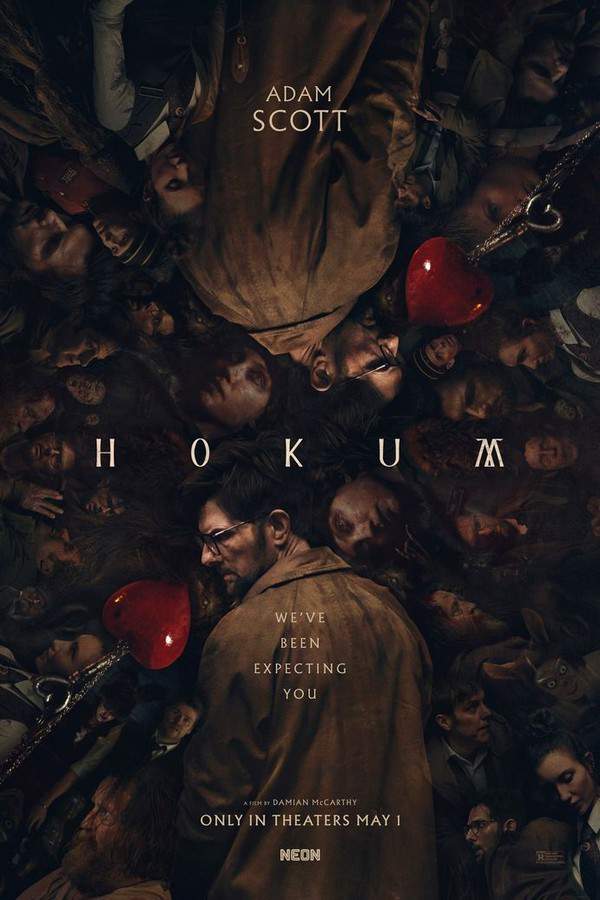
When Hokum arrived in theaters on May 1, 2026, horror enthusiasts and casual viewers alike found themselves drawn into a labyrinth of psychological dread and supernatural uncertainty that has since become one of the most discussed entries in contemporary Irish cinema. As the latest offering from writer-director Damian McCarthy—who previously unsettled audiences with Oddity—this haunted hotel mystery has generated significant buzz across critical circles and fan communities, prompting countless searches for Hokum 2026 review breakdowns and spoiler-free reception guides. At What’s After the Movie, we’ve been tracking the evolving conversation around this Adam Scott-led chiller, analyzing how critic reviews and audience reactions have shaped the film reception landscape for what many are calling a defining moment in modern atmospheric horror.
The premise alone—a writer investigating mysterious occurrences at the remote Bilberry Inn—carries the DNA of classic Stephen King adaptations, yet McCarthy’s execution promises something distinctly his own. For viewers wondering is Hokum worth watching or debating whether it lives up to the overwhelming praise from select outlets, understanding the nuanced divide between mainstream critical consensus and genre-specific appreciation becomes essential. Whether you’re seeking viewer reactions from opening weekend crowds or in-depth film analysis regarding its thematic ambitions, our comprehensive examination of Hokum audience reactions provides the definitive overview of this polarizing yet undeniably compelling cinematic experience. Before diving into the specifics, remember that What’s After the Movie offers extensive resources including detailed movie summaries, box office tracking, and award season coverage for films like Hokum and beyond.
Critical Reception and Review Aggregation: Navigating the Divided Consensus on Hokum 2026
The critical consensus surrounding Hokum presents a fascinating study in how critic reviews can vary dramatically based on genre familiarity and expectations for auteur growth. With scores ranging from a disappointing 40/100 to an enthusiastic 90/100 across major publications, the film reception has been anything but uniform, creating a complex tapestry of opinions that defies simple categorization as either a masterpiece or a misfire.
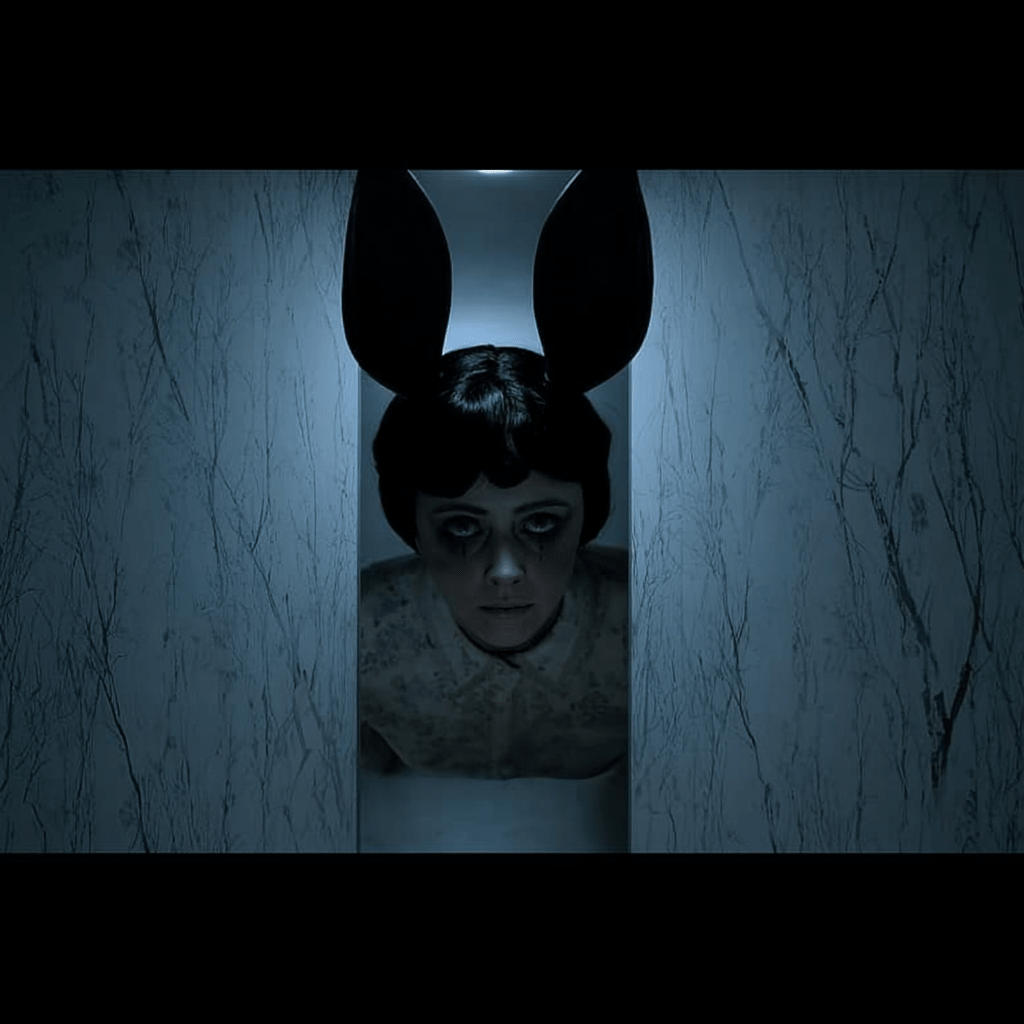
On the enthusiastic end of the spectrum, several heavyweight publications have embraced McCarthy’s vision with open arms. The Los Angeles Times delivered perhaps the most unequivocal endorsement, declaring that “Hokum is a fabulous horror film for all tastes,” a statement that suggests broad accessibility without sacrificing artistic integrity. This sentiment finds reinforcement in The New York Times’ appreciation of the film’s technical craft, noting how it revels in “misdirection and a teasing duality” while highlighting Colm Hogan’s cinematography as it “noses through gloomy corridors and a terrifying dumbwaiter shaft, hinting at what lurks on the other side of the frame.” Such critical reviews emphasize the movie’s confidence in visual storytelling over cheap thrills, positioning it as sophisticated genre filmmaking.
Screen Rant similarly awarded the film a 90/100 score, arguing that “Hokum is a refinement of what came before, not a rehash: a terrifically composed throwback that knows when to play things grounded and when to embrace the horror for its full potential.” This observation speaks to a crucial element of the Hokum 2026 review discourse—the film’s relationship to McCarthy’s previous work and horror history itself. Meanwhile, The A.V. Club (83/100) crowned it “the latest fruit of McCarthy’s chameleonic gifts, and his best film yet,” suggesting genuine artistic evolution rather than mere repetition of past successes.
However, the critical consensus isn’t without its detractors, creating necessary context for viewers researching is Hokum good before purchasing tickets. Little White Lies offered a scathing 40/100 assessment, contending that “despite the heavy metaphors and emotionally weighted hauntings, there’s nothing new here—it’s all painfully dull and familiar horror territory.” This perspective finds partial echo in The Film Stage’s 58/100 evaluation, which argues that “rather than certify McCarthy’s status as a new master of horror, Hokum reaffirms his potential, and what should have been a step up serves more of a slight misstep.”
These divergent opinions on Hokum highlight a fundamental tension in contemporary horror criticism: the balance between honoring genre traditions and demanding innovation. Empire (80/100) threaded this needle adeptly, noting that the film “isn’t just hokum. On top of an affecting personal quest for a non-despairing ending, it delivers a full evening of scares, chills, wicked jokes and haunted escape-room hijinks.” Similarly, The Chicago Tribune (75/100) found thematic resonance in the darkness, suggesting that while “Hokum might start in a bleak place, and the entire experience might be profoundly, existentially bone-rattling… McCarthy’s dark fable argues that opening yourself up to the forces beyond the veil might just shake something loose, and might heal something.”
For those tracking Hokum Rotten Tomatoes scores and Hokum Metacritic aggregates, these varied responses create a compelling narrative about subjectivity in film criticism. The disparity between outlets like Little White Lies and The A.V. Club suggests that movie opinions on this title depend heavily on individual tolerance for atmospheric pacing versus narrative innovation. At What’s After the Movie, our comprehensive movie database helps contextualize these scores against McCarthy’s filmography and similar psychological horror entries, allowing users to determine whether their preferences align with the critics who embraced the film’s melancholy tone or those who found it derivative.
Audience Reactions and Viewer Sentiment: Is Hokum 2026 Worth Your Time?
While critic reviews provide valuable insight into a film’s artistic merit, audience reactions often reveal a different, equally important truth about a movie’s entertainment value and emotional resonance. In the case of Hokum, viewer reactions have been overwhelmingly positive, with general audiences appearing more forgiving of the narrative familiarity that bothered some critics, instead celebrating the film’s atmospheric achievements and star performance.
The user review landscape presents a stark contrast to the mixed critical consensus, with ratings consistently hovering between 8/10 and perfect 10/10 scores across major platforms. User saucyninja007 captured the enthusiasm of many genre fans, writing: “Atmospheric and genuinely creepy! The last 30 minutes had me on the edge of my seat. If you liked ‘Oddity’ you will love this one. The director seems to get better and better with each of his films.” This sentiment regarding McCarthy’s growth as a filmmaker directly contradicts The Film Stage’s assessment of the movie as a “slight misstep,” illustrating how fan opinions and professional criticism can diverge regarding artistic trajectory.
Perhaps most telling for potential viewers researching Hokum 2026 audience reactions is the recurring praise for the film’s restraint. User Greg K emphasized this quality: “One of the scariest movies I’ve seen in a while. No over reliance on jump scares, engaging pacing, and solid plot. 10/10 would recommend.” This appreciation for psychological horror over cheap thrills suggests that Hokum succeeds with viewers seeking genuine tension rather than momentary startles—a crucial distinction for those browsing spoiler-free reviews and trying to gauge if the film matches their scare preferences.
The comparison game has played heavily into audience reception, with viewers drawing connections to beloved touchstones of horror and gaming culture. User CalvinCrack provided particularly detailed film analysis, noting: “While it’s easy to compare this movie to The Shining or 1408 (Stephen King hotel films) the most striking similarities for me were with Silent Hill (2 in particular). Fuzzy radio static, checking a map, solving a puzzle involving a clock, reaching into a dark crevice, cult symbols, all done by a traumatized man of dubious morality in a trench coat.” This observation about survival horror gaming influences offers fascinating insight into why certain demographics have embraced Hokum more enthusiastically than others, suggesting the film operates on wavelengths familiar to fans of interactive storytelling and atmospheric puzzle-box narratives.
EBERTSBIGTHUMB offered a measured but ultimately positive movie opinion: “You can tell the same director of Oddity made this one. Although, this movie is way better than Oddity. In terms of Horror, it’s not the scariest movie, but the story is engaging, and Adam Scott does a good job playing his classic **** character.” This reference to Scott’s against-type casting—familiar to audiences from his comedic work in Parks and Recreation and Severance—highlights how viewer reactions often focus on performance surprises when established actors pivot to genre material.
For those seeking recommendations for horror fans, user El C provided one of the most comprehensive endorsements: “Very much enjoyed this movie. Adam Scott was very well cast in this role as the writer who travels to a hotel in Ireland who is a bit of an a hole… While the subject matter is pretty grim, there are moments of levity that cut through. It really reminded me a bit of a Coen Brother’s movie with its use of black humor. Anyway, I think this is definitely my favorite horror movie of the year so far.” This comparison to the Coen Brothers’ tonal dexterity offers potential viewers a specific entry point for expectations—Hokum as darkly comedic character study rather than pure horror exercise.
At What’s After the Movie, we encourage readers to test their knowledge of horror cinema through our interactive quizzes and games, where you can explore how Hokum fits into broader genre traditions. Whether you’re comparing it to Stephen King adaptations or contemporary Irish horror, our detailed movie page provides the contextual framework necessary to understand why audience reactions have trended so much more positive than the divided critic reviews might suggest.
Adam Scott’s Performance and Character Work: A Study in Against-Type Casting
Central to both critical reviews and audience reactions is the performance of Adam Scott, whose portrayal of the film’s protagonist—variously described by viewers as “a bit of an a hole” and embodying his “classic **** character”—represents a calculated departure from his established screen persona. This casting choice has generated significant discussion in film reception circles, with many considering Scott’s involvement a major selling point for viewers who might not typically seek out Irish independent horror.
The reviews consistently highlight how Scott’s presence elevates material that might otherwise feel familiar. The Travers Take (75/100) emphasized this star power, noting: “The stellar Adam Scott stars in an Irish horrorfest from Damien McCarthy, a visionary new talent who really knows how to scare the hell out of and into you.” This framing suggests that Scott’s involvement serves as a bridge between arthouse horror sensibilities and mainstream accessibility, a crucial factor for movie opinions regarding the film’s commercial viability.
What makes the audience reactions particularly fascinating is the recognition of tonal complexity Scott brings to the role. User Patrick R observed: “Adam Scott is great in his role… The atmosphere was palpable, the hotel made you feel like the walls were slowly caving in especially once you entered the honeymoon suit. Although there is a witch, creature the big bad is actually another human which gave the movie a nice element.” This appreciation for the human element amid supernatural trappings speaks to Scott’s ability to ground fantastical scenarios in recognizable emotional reality—a skill that has defined his best work across comedy and drama.
The character analysis extends beyond mere performance evaluation into questions of audience alignment. User El C’s observation about Scott playing “a bit of an a hole” suggests that viewer reactions depend partially on tolerance for morally ambiguous protagonists. This antihero positioning, combined with what Austin Chronicle (78/100) described as McCarthy’s reminder that “a ghost can be real and a metaphor,” creates a layered viewing experience where Scott’s character serves as both investigator and potential unreliable narrator.
For those interested in exploring Scott’s filmography and how Hokum fits into his career trajectory, What’s After the Movie offers comprehensive actor profiles and filmographies that contextualize this performance within his broader body of work. Understanding an actor’s evolution—from comedic supporting roles to leading horror performances—enhances appreciation for the risks taken in Hokum 2026.
The critical consensus regarding Scott’s contribution appears unanimously positive even when other elements of the film received mixed reviews. This suggests that for viewers on the fence about is Hokum worth watching, the lead performance provides reliable entertainment value regardless of where one falls on the film’s broader artistic ambitions. Whether you’re drawn to horror for the scares, the storytelling, or the performances, Scott’s work here represents a compelling reason to seek out the film, particularly for those who appreciate when comedic actors successfully pivot to dramatic or horror material.
Directorial Vision and Genre Evolution: Damian McCarthy’s Artistic Trajectory
Understanding Hokum 2026 requires situating it within Damian McCarthy’s burgeoning filmography and the broader context of contemporary Irish horror cinema. The critical reception has been particularly preoccupied with questions of artistic growth, with some reviews hailing the film as a significant step forward while others, notably The Film Stage, view it as a lateral move that “reaffirms his potential” rather than certifying “status as a new master of horror.”
This debate over McCarthy’s directorial vision speaks to larger conversations about sophomore (or in this case, follow-up) efforts in horror filmmaking. Screen Rant’s assertion that the film represents “a refinement of what came before, not a rehash” positions Hokum as deliberate evolution rather than revolution—a distinction that matters greatly for audience reactions depending on whether viewers prioritize consistency or innovation. The film analysis surrounding McCarthy’s work often centers on his relationship with space and architecture; where Oddity explored haunted objects, Hokum expands this obsession to an entire location, the Bilberry Inn, which user Patrick R described as making “you feel like the walls were slowly caving in.”
The A.V. Club’s declaration that this represents “his best film yet” carries weight for viewers tracking critic reviews across McCarthy’s career, suggesting that the filmmaker has successfully translated the promise of his earlier work into more confident, technically assured storytelling. This confidence manifests in what The New York Times identified as the director’s comfort with “misdirection and a teasing duality”—qualities that reward patient viewers while potentially frustrating those seeking immediate narrative clarity.
The genre expectations placed upon contemporary horror directors often demand both homage and originality, a tightrope McCarthy walks with varying degrees of success according to different opinions on Hokum. User CalvinCrack’s detailed comparison to survival horror games like Silent Hill reveals how McCarthy’s visual language—“fuzzy radio static, checking a map, solving a puzzle involving a clock”—speaks directly to a generation of viewers raised on interactive storytelling. This gaming influence, whether intentional or coincidental, provides What’s After the Movie users with useful comparative context available in our movie wiki and curated movie collections of video game-adjacent horror cinema.
Empire’s review touches on the tonal complexity of McCarthy’s approach, highlighting how the film delivers “wicked jokes and haunted escape-room hijinks” alongside genuine emotional weight. This ability to modulate between dread and dark humor represents a maturation of the director’s sensibilities, suggesting that long-term reception of Hokum may improve as viewers revisit the film and appreciate its careful calibration of tone.
For horror enthusiasts seeking to explore similar directorial voices or trace the lineage of Irish folk horror influencing McCarthy’s work, What’s After the Movie provides extensive resources through our curated lists and comprehensive database entries. Understanding the film reception of Hokum requires appreciating how McCarthy synthesizes influences—from Stephen King’s haunted edifices to the psychological puzzle-boxes of Silent Hill—into something that feels both familiar and distinctly personal.
Atmosphere, Pacing, and Technical Achievement: The Sensory Experience of Hokum 2026
Beyond narrative concerns and performance evaluations, much of the Hokum 2026 review discourse centers on the film’s technical achievements—specifically its creation of atmosphere through cinematography, production design, and sound. These elements generate some of the most passionate audience reactions, with many viewer reactions emphasizing how the film’s sensory experience transcends its plot mechanics.
The New York Times’ focus on Colm Hogan’s cinematography—particularly how the camera “noses through gloomy corridors and a terrifying dumbwaiter shaft”—highlights the film’s commitment to spatial subjectivity. This technique, placing viewers in claustrophobic proximity to potential threats while withholding full revelation, creates the “genuinely creepy” atmosphere praised by user saucyninja007. The critical consensus regarding the film’s visual language suggests that even viewers who find the story familiar (as Little White Lies complained) may find value in the sheer craft of the presentation.
The hotel setting itself—the Bilberry Inn—functions as a character in the narrative, a choice that has generated significant film analysis regarding the “haunted house” tradition in horror. User CalvinCrack’s observation about the film wearing “its influences very clearly but still shows a lot of creativity in how it blends horror tropes together” speaks to successful execution of a classic formula. The honeymoon suite mentioned by Patrick R serves as a focal point for the film’s most intense sequences, demonstrating McCarthy’s understanding that specific, contained spaces often generate more dread than sprawling supernatural landscapes.
Sound design plays a crucial role in the reception of Hokum, with user CalvinCrack noting “fuzzy radio static” as a particular element reminiscent of survival horror games. This auditory texture contributes to what Austin Chronicle described as the film’s exploration of how “a ghost can be real and a metaphor”—the static serving as both literal plot device and symbolic representation of communication breakdown between the living and the dead.
The pacing of Hokum—deliberate, methodical, and occasionally dreamlike—has divided audience reactions in ways that illuminate viewer preferences within the horror genre. While Gregg D praised it as an “excellently executed horror mystery,” Kerry B offered a counterpoint: “Well made and some good moments. As a whole, just wasn’t as hard hitting as the reviews portray it. Solid horror but I keep thinking about how other films have done this better.” This sentiment regarding pacing and impact suggests that is Hokum worth watching depends significantly on individual tolerance for slow-burn atmospheric horror versus more immediate, visceral scares.
User Tim M addressed these concerns directly, stating: “With a tantalizing mystery and confident direction from writer-director Damian McCarthy, Hokum casts a spell on the viewer they won’t easily shake.” This notion of the film as a “spell” aligns with Chicago Tribune’s interpretation of the work as ultimately hopeful despite its “existentially bone-rattling” journey—a redemption arc that requires the slow pacing to earn its emotional payoff.
For viewers interested in the intersection of horror cinema and musical atmosphere, What’s After the Movie offers unique perspectives through our concert film coverage, though Hokum itself relies more on negative space and ambient dread than musical score. Nevertheless, understanding how sound design contributes to horror reception remains crucial for appreciating McCarthy’s full artistic palette.
Final Verdict and Long-Term Reception: Where Does Hokum Stand in 2026 Horror?
Synthesizing the diverse critic reviews and audience reactions surrounding Hokum reveals a film that succeeds most fully when viewed as an atmospheric experience rather than a narrative revolution. The critical consensus—weighted heavily toward positive assessments despite notable dissent—suggests that McCarthy has crafted a work that will resonate with genre enthusiasts while potentially leaving viewers seeking innovation slightly underwhelmed.
The disparity between The Film Stage’s measured 58/100 (“slight misstep”) and The A.V. Club’s enthusiastic 83/100 (“best film yet”) encapsulates the central tension in Hokum 2026 review discourse: is this film a refinement of existing talents or a failure to evolve? The answer likely depends on whether one values consistency or experimentation in horror filmmaking. For What’s After the Movie users exploring box office trends and award potential for genre films, Hokum represents an interesting case study in how critical acclaim translates to commercial success and cultural longevity.
Audience reactions suggest that viewers approaching the film with appropriate expectations—those seeking “atmospheric and genuinely creepy” experiences (as saucyninja007 described) rather than groundbreaking narrative structures—leave satisfied. The repeated comparisons to The Shining, 1408, and Silent Hill indicate that Hokum has successfully positioned itself within a respected horror tradition, even if it doesn’t transcend that lineage according to some opinions on Hokum.
User Virginia B’s declaration that “Finally, a horror film worthy of its genre. An actual spooky movie” speaks to a hunger for traditional haunted house storytelling executed with care—a need that Hokum satisfies according to the majority of viewer reactions. Meanwhile, Elijah B’s succinct “Really well done with lots of twists and turns. A splendid horror film” confirms that the film delivers narrative surprises despite criticisms regarding familiarity.
For those still wondering is Hokum good or whether it deserves a place in their watchlist, the evidence suggests a qualified yes—qualified by one’s appreciation for atmospheric pacing, psychological ambiguity, and Adam Scott’s against-type performance. The film offers “scares, chills, wicked jokes and haunted escape-room hijinks” (Empire) while maintaining the emotional core that elevates genre material into memorable cinema.
As Hokum continues its theatrical run and eventual transition to streaming platforms, its long-term reception will likely depend on how it ages in comparison to McCarthy’s future works and the evolving landscape of psychological horror. For now, it stands as a compelling, if divisive, entry in the 2026 cinematic calendar—one that demands to be seen by horror aficionados and casual viewers alike, if only to join the conversation about its merits and shortcomings.
At What’s After the Movie, we remain committed to tracking the evolving reception of films like Hokum through our comprehensive movie database, detailed summaries, and community features. Whether you’re researching critic reviews, seeking spoiler-free recommendations, or exploring film analysis of the latest horror releases, our platform provides the authoritative resources necessary to navigate contemporary cinema with confidence and insight.
External Resources and Movie Database Links
For additional information about Hokum (2026), including cast details, streaming availability, and additional reviews, explore these trusted external sources:
| Site | Link |
|---|---|
| What’s After the Movie (Main Page) | Hokum Movie Details |
| The Movie Database (TMDB) | Hokum on TMDB |
| Wikipedia | Hokum (film) on Wikipedia |
| Rotten Tomatoes | Hokum Reviews on Rotten Tomatoes |
| Metacritic | Hokum Critic Reviews on Metacritic |
| JustWatch | Hokum Streaming Information on JustWatch |
| Box Office Mojo | Hokum Box Office Data |