Lee Cronin’s The Mummy (2026) Reviews: Critical Consensus, Audience Reactions & Is It Worth Watching?
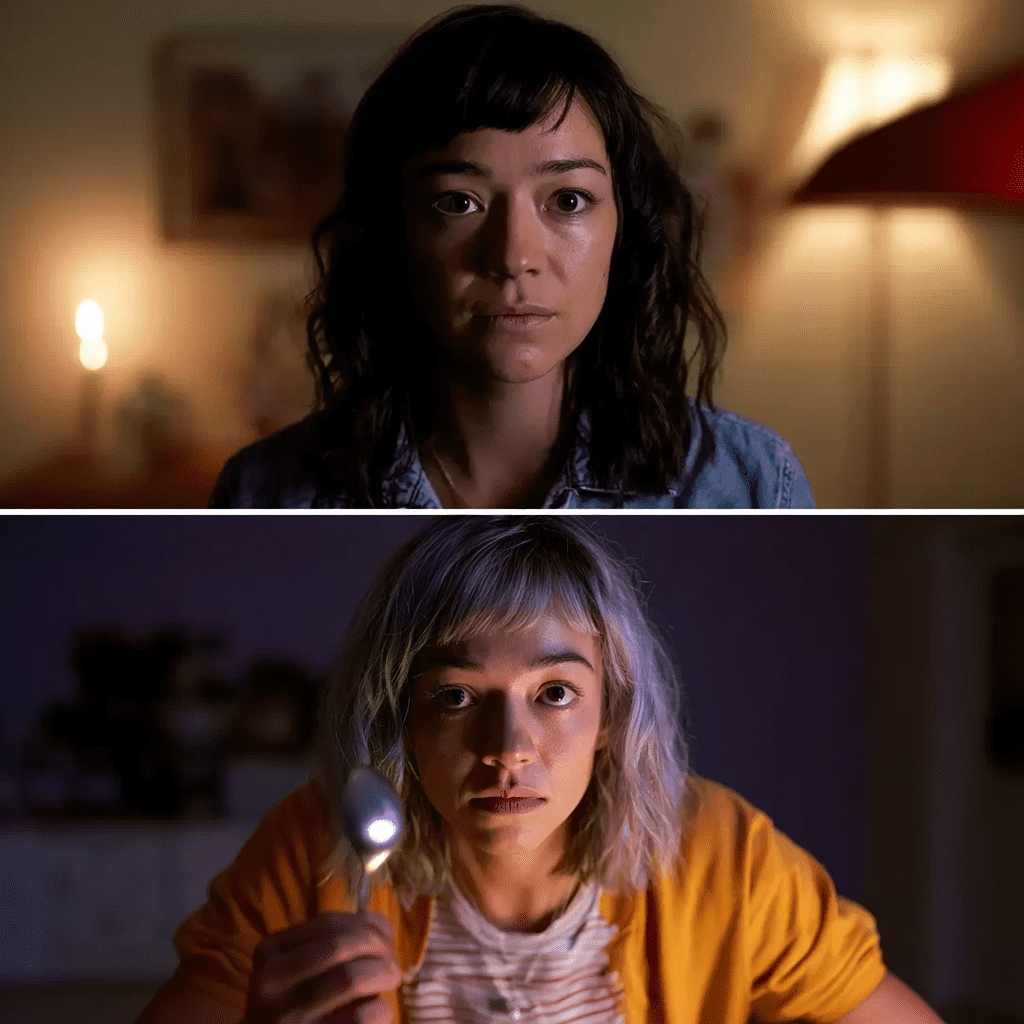
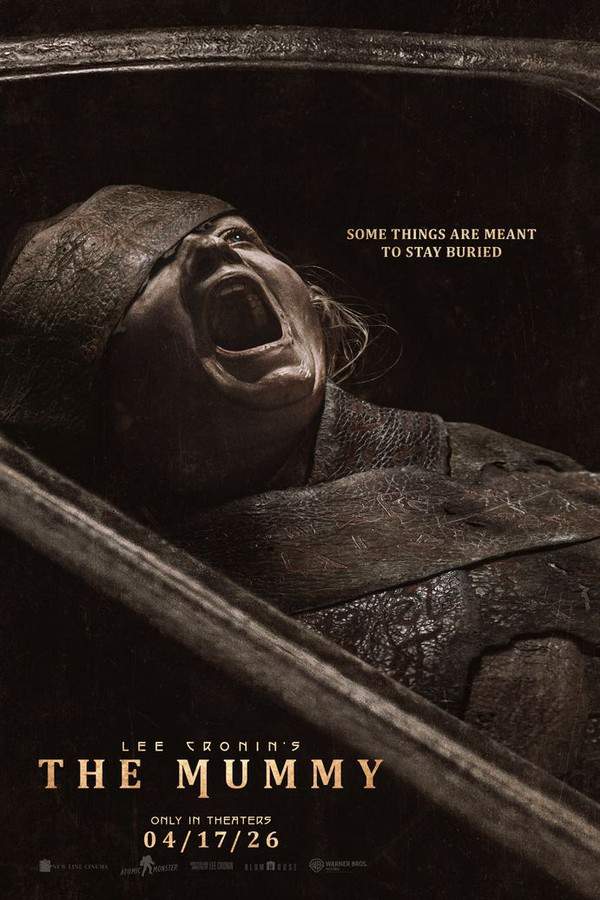
When Universal announced yet another revival of their iconic monster franchise, horror enthusiasts immediately questioned whether Lee Cronin’s The Mummy (2026) would honor the bandaged legacy of Karloff or spiral into the supernatural action excess that plagued the 2017 Tom Cruise iteration. What nobody anticipated, however, was the divisive reception that would emerge upon release—a film that critics and audiences alike are struggling to categorize, let alone endorse unanimously. As viewers flock to What’s After the Movie searching for spoiler-free reviews and audience reactions to determine if this latest entry warrants a theatrical excursion, the conversation surrounding Cronin’s vision reveals a fascinating schism between aesthetic appreciation and narrative satisfaction.
The anticipation for this project stemmed largely from Cronin’s triumph with Evil Dead Rise, a film that successfully reinvigorated a dormant franchise through claustrophobic tension and visceral body horror. Expectations were calibrated for similar excellence, particularly given the director’s proven ability to blend familial trauma with supernatural violence. However, early Lee Cronin’s The Mummy reviews indicate a stark departure from both the franchise’s archaeological adventure roots and the tightly controlled chaos of Cronin’s previous work. Instead, audiences encountered a possession-horror hybrid that borrows liberally from The Exorcist, Don’t Look Now, and Cronin’s own back catalog—resulting in a reception landscape that oscillates between admiration for technical audacity and frustration regarding creative choices. Whether you’re consulting movie summaries or browsing our film wiki for context, understanding this reception divide is crucial before purchasing your ticket.
Critical Reception and Review Aggregator Scores: Analyzing the Mixed Consensus
The critical consensus for Lee Cronin’s The Mummy presents a textbook definition of “mixed” reception, with scores ranging from outright dismissal to qualified appreciation across major publications. On Rotten Tomatoes, the film sits in precarious territory, reflecting the polarized nature of contemporary horror criticism where traditionalist expectations clash with experimental genre filmmaking. This divergence becomes immediately apparent when examining the spectrum of critical responses, from the Wall Street Journal’s scathing 30/100 assessment to Film Threat’s more generous 80/100 endorsement.
Collider delivered a particularly pointed critique, awarding the film 50/100 while noting that the production “is so focused on replicating other horror movies and relying on familiar tropes that it honestly has very little in common with the bandaged monster it’s supposed to be about.” This sentiment echoes across multiple reviews, suggesting that critics expected atmospheric archaeological horror and received instead a contemporary possession thriller dressed in Egyptian iconography. The Metacritic](https://www.metacritic.com/movie/lee-cronins-the-mummy/) aggregation reflects this ambivalence, positioning the film neither as an unmitigated disaster nor a triumph of the form.
RogerEbert.com reinforced this middling assessment with a 50/100 score, describing the work as “a relentlessly brutal movie, one that too quickly becomes monotonous in its cruelty, numbing instead of thrilling viewers.” This critique identifies a crucial flaw in the film reception: where Cronin’s Evil Dead Rise balanced visceral violence with rhythmic pacing, The Mummy allegedly succumbs to sensory overload without sufficient narrative modulation. Meanwhile, The Globe and Mail (Toronto) similarly awarded 50/100, specifically targeting the emotional authenticity of the parental grief narrative: “Parents seeking comfort in death to stay close to a lost child, as in Don’t Look Now, or being emotionally exhausted providing care in impossible circumstances, as in The Exorcist, feel like items being checked off in Lee Cronin’s The Mummy, not genuinely felt or grappled with.”
Conversely, Original-Cin offered a counterbalancing 75/100 perspective that praised the film’s immersive discomfort: “Cronin doesn’t just show you something disturbing—he insists you sit with it until it becomes personal.” This critical division essentially asks audiences whether they prioritize emotional resonance or atmospheric intensity—a question that continues to drive traffic to our movie quiz pages as viewers attempt to calibrate their own tolerance for extremity. The Los Angeles Times (50/100) further complicated the analysis by noting the film’s tangled referential web: “The film is tangled in its mess of references: a possession thriller that also wants to dish out some grainy video footage à la ‘The Ring’ or ‘Bring Her Back’ along with the expected mouth-to-mouth vomiting.”
Perhaps most damning came from New York Magazine (Vulture) (40/100), which characterized the film as “an enormously silly gross-out flick that for some reason believes it ought to be a meditative slow-burn affair.” This tension between aspiration and execution defines the critical conversation surrounding the movie, raising questions about whether Lee Cronin’s The Mummy successfully bridges the gap between prestige horror and exploitation cinema, or merely collapses into the chasm between them.
Genre Expectations vs Reality: Why Critics and Fans Ask “Is This Even a Mummy Movie?”
Perhaps no criticism appears more frequently across both professional reviews and audience reactions than the assertion that Lee Cronin’s The Mummy bears minimal resemblance to the franchise that spawned it. This disconnect between marketing promise and cinematic delivery has created a unique reception phenomenon where viewer reactions often begin with confusion before transitioning to either resigned appreciation or outright rejection. The question “Is The Mummy 2026 worth watching?” increasingly depends on whether potential audiences can divorce themselves from preconceived notions of what a mummy film should constitute.
The Travers Take (35/100) encapsulated this frustration with biting brevity: “Lee Cronin makes two hours of borrowed horror inspiration—The Exorcist should sue—feel like an eternity.” This legal metaphor proves particularly apt given Status magazine’s observation (40/100) that “The basic premise could have been called ‘Lee Cronin’s The Exorcist,’ although that probably wouldn’t have cleared legal.” These comparisons illuminate the central tension in film analysis surrounding this production: Cronin appears less interested in reanimating Imhotep or Kharis than in utilizing the Egyptian setting as window dressing for another possession narrative entirely.
User reviews on various platforms reinforce this critical assessment with remarkable consistency. Wretic delivered a blistering 2/10 verdict, stating: “this is not a mummy movie. just a typical horror movie with the same dumb characters who’re dumber then a chimpanzee.” This sentiment found parallel expression from ivan_terrible, who awarded 5/10 while explaining: “I watched this movie because the title is mummy, but it wasn’t. This is a pure horror movie with no relation to mummy at all. I should have watched the trailer first. Movie itself is 8/10, but as a mummy 2/10.” Such fan opinions reveal a categorical confusion that significantly impacts the movie’s reception—audiences seeking archaeological adventure or supernatural romance encountered instead a claustrophobic family horror film that happens to feature hieroglyphics.
This generic displacement becomes even more apparent when comparing the film to entries in our movie collections of classic Universal monster films. Where traditional mummy cinema explores themes of forbidden love, reincarnation, and the consequences of disturbing ancient burial sites, Cronin’s iteration focuses on parental grief, medical horror, and demonic possession—elements that, while compelling in isolation, arguably constitute a different genre entirely. Steve’s user review (3.5/5) acknowledged this discrepancy: “Good movie but was very limited. Strayed from source material and not exactly in a good way. Seemed too much like evil dead rise but ‘hey we’re in Egypt’.”
The implications for genre expectations extend beyond mere disappointment; they speak to contemporary Hollywood’s tendency to utilize established IP as Trojan horses for unrelated creative visions. For viewers consulting our film lists to curate their horror watchlists, understanding this bait-and-switch dynamic proves essential. ZeldaNerd’s detailed 4/10 review identified this as the film’s fatal flaw: “When the film is solely locked in on being a body horror film it’s solid… Unfortunately though, most of this film is an extremely predictable and boring mystery that spends way too long to explain the most basic mummy/possession lore.” The review further emphasizes that “Lee Cronin essentially rips off his own movie Evil Dead Rise with some of the possession stuff in the third act,” suggesting a creative bankruptcy that undermines the critical consensus regarding the film’s originality.
Body Horror Execution and Visual Craft: Praise for Gore Amidst Narrative Critique
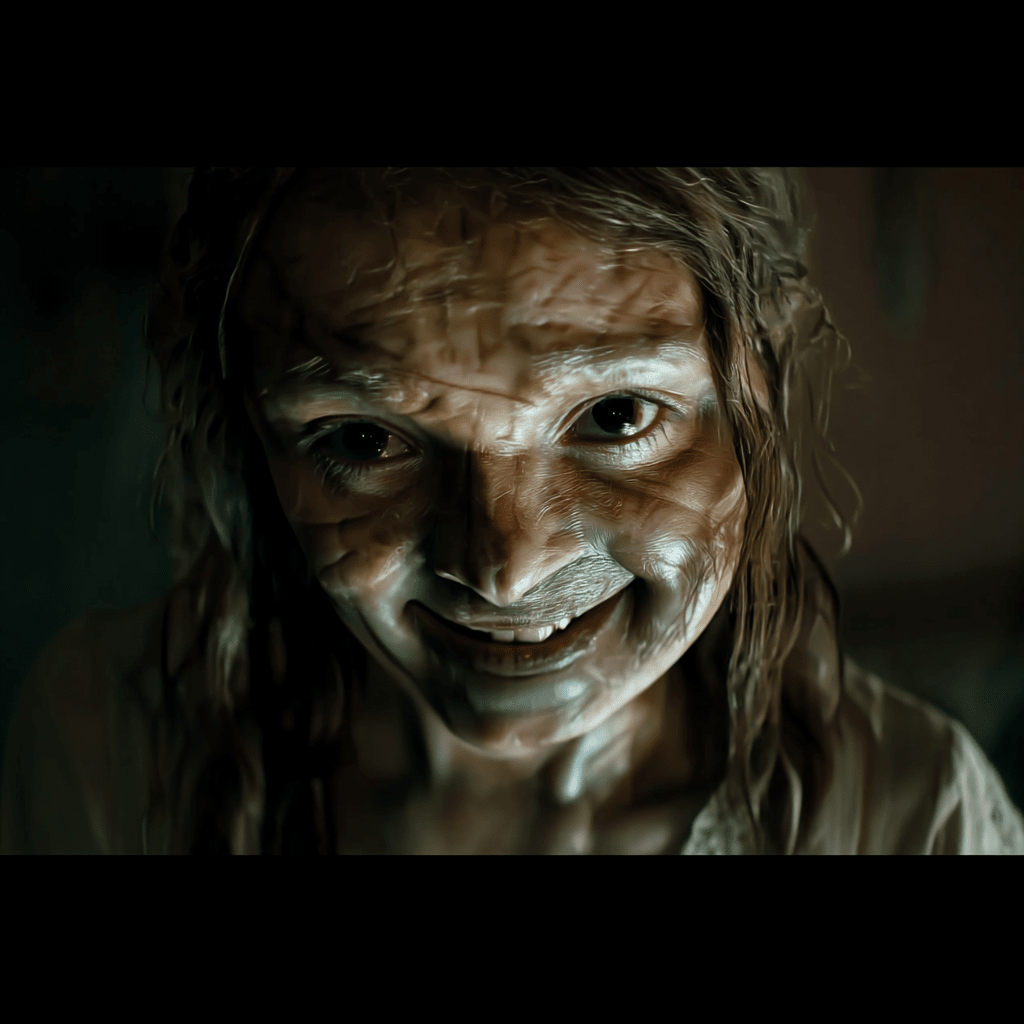
If Lee Cronin’s The Mummy receives unanimous acclaim in any singular aspect, it resides in the technical execution of its practical effects and body horror sequences—a domain where Cronin’s expertise remains undisputed even by his harshest detractors. For audiences prioritizing visceral cinematic experiences over coherent storytelling, the film reception tilts notably positive, with several reviewers acknowledging that the visuals and effects constitute redeeming qualities that partially salvage the otherwise troubled production. This appreciation for craft over content creates a fascinating dichotomy in audience reactions, particularly among horror aficionados who value grotesque innovation above narrative convention.
Film Threat’s relatively favorable 80/100 score stems directly from this appreciation for audacity: “Lee Cronin’s The Mummy may not fully cohere, but it certainly doesn’t play it safe. The extent to which you enjoy the film will depend on your tolerance for excess.” This “tolerance for excess” emerges as a crucial metric for potential viewers browsing our concert film and horror databases alike. The film reportedly delivers several sequences of extreme body horror that rival or exceed the carnage of Evil Dead Rise, utilizing Egyptian mythology as a vehicle for grotesque physical transformation rather than supernatural romance.
ZeldaNerd’s critique, despite awarding only 4/10 overall, lavished praise on these specific elements: “There’s some phenomenal gore here, with several wince inducing shots that had me squirming in my seat. The film also is able to build some great tension in a couple of key sequences, invoking some of that feeling Evil Dead Rise gave me.” This comparison to Cronin’s previous success recurs throughout viewer reactions, with Makhi S noting in their 4/5 review: “I think it was a very solid movie. But if don’t like body horror this movie is not for you. If you do you’ll love this movie.” Such spoiler-free reviews emphasize the importance of calibrated expectations—those seeking atmospheric dread without viscera should consult our movie summaries before committing to a theatrical viewing.
Luca T’s enthusiastic 4/5 response highlighted the aesthetic achievements: “I walked out of the cinema genuinely shocked, but in a good way. I felt satisfied with the film overall. The visuals were stunning, with beautiful shots and impressive set pieces throughout.” This appreciation for cinematography and production design suggests that Lee Cronin’s The Mummy functions effectively as a sensory experience even when its narrative logic falters. The sound design also received specific commendation from Tyson A (3/5), who noted: “The creepy factor is very well done here, the effects are at the level we’ve come to expect from Lee Cronin, the sound design is very effective and the performances are really solid across the board.”
However, even these technical achievements cannot escape the gravitational pull of the film’s broader critical consensus issues. nachoisarg’s Spanish-language review (translated: “Today I went to see it at the cinema with friends, we had a good time with the movie, it is true that in the end they get it right with how gross it is in some scenes”) acknowledged that while the gross-out elements succeed, “as horror it leaves much to be desired, I didn’t feel scared at any moment nor did the suspense manage to do its job.” This distinction between “body horror” and “scary movie” proves crucial for film analysis—Cronin appears to have crafted a film that nauseates without necessarily frightening, a specific subgenre of horror that appeals to niche audiences while alienating those seeking traditional thrills.
The performances also garnered qualified praise despite character writing deficiencies, with several critic reviews noting that the cast commits fully to the absurdity of their situations. This professional dedication amid chaotic plotting creates a dissonance that some viewers find compellingly campy while others find merely confusing. For those researching actor filmographies or tracking awards potential, these performances may represent silver linings worth investigating despite the film’s broader reception challenges.
Character Logic and Storytelling Weaknesses: Where The Reception Divides
Beyond genre confusion and visual splendor lies the most consistently criticized aspect of Lee Cronin’s The Mummy: a screenplay that sacrifices character intelligence and narrative coherence for shock value. This deficiency creates the primary fault line in audience reactions, separating viewers who can suspend disbelief regarding character decisions from those who find such suspension impossible. The critical consensus suggests that while horror films often require certain logical compromises, Cronin’s latest demands excessive allowances that break immersion for sophisticated viewers.
Tyson A’s 3/5 review identified this issue with surgical precision: “My big issue here is i just couldn’t get past the logic choices made by just about every single adult in this film. There’s no world where you’re gonna convince me that the best level of care for a child who’s been severely abused for EIGHT YEARS is for a supposed medical professional to say ahhh just take her home to your out in the middle of nowhere old house miles from help… she’ll be fine, just need some love & care. GTFO with that.” This complaint regarding character logic recurs across multiple user reviews, suggesting that the film’s grounding in “realistic” parental grief (as attempted in the Globe and Mail critique) collapses under the weight of implausible decision-making.
ZeldaNerd expanded this criticism to encompass the entire narrative architecture: “It also doesn’t help that the writing is awful throughout the whole movie. The characters are some of the most insufferably boring and stupid I’ve seen in a horror movie lately, and the whole mystery is just so embarrassingly one note.” This assessment aligns with Wretic’s observation about characters “dumber then a chimpanzee,” indicating that viewer reactions consistently identify the screenplay as the film’s Achilles heel. When audiences visit our game and quiz sections to test their horror knowledge, such character intelligence deficits become particularly glaring—viewers well-versed in genre conventions find the protagonists’ choices not merely unfortunate but insulting to their intelligence.
Master G’s terse 1/5 review encapsulated the emotional fallout from these writing failures: “Really wasn’t a scary movie with a bad plot with characters you cannot like.” This inability to generate sympathy or investment represents a catastrophic failure for a film attempting to anchor its supernatural elements in familial trauma. The Los Angeles Times noted this referential overload as compounding the character issues, suggesting that the film’s “mess of references” prevents organic character development by forcing archetypes into predetermined narrative beats borrowed from superior films.
The pacing also emerges as a significant concern in film reception analysis. Joe’s 3.5/5 review wished for “more horror in it,” implying that the narrative spends excessive time on exposition and mystery mechanics that fail to justify their screen time. Kenneth Y’s devastating 0.5/5 review declared the film “pointless,” asserting that “Like all Lee Cronin’s movies, it’s just gore and shock effect and not very good at either. Very predictable and boring movie.” While this assessment seems harsh given Cronin’s generally favorable reputation, it reflects the frustration of viewers who perceive wasted potential in the storytelling quality.
ZeldaNerd’s analysis of the third act proves particularly damning for those seeking narrative satisfaction: “Going into the third act though, the film had enough of a balance of boring mystery work and effective gore to balance out at a 2.5/5, but then much like Scream 7 the third act is so stupid and cartoonish it kills the entire film.” This comparison to another recent horror sequel suggests that Lee Cronin’s The Mummy suffers from contemporary horror’s tendency to prioritize franchise setup or shocking twists over satisfying conclusions. For viewers tracking box office performance and wondering about potential sequels, such narrative closure issues may impact long-term franchise viability.
Audience Reactions and Viewer Sentiment: Fan Opinions vs Critical Scores
While critic reviews provide valuable film analysis regarding craft and coherence, the audience reactions to Lee Cronin’s The Mummy reveal a more complex tapestry of satisfaction, disappointment, and qualified enjoyment. User-generated scores and comments often diverge from professional assessments, creating a “divided” reception that defies simple categorization as “good” or “bad.” This disparity between critical consensus and fan opinions makes the question “Is The Mummy 2026 worth watching?” particularly challenging to answer definitively.
The spectrum of viewer reactions spans from outright hostility to genuine appreciation. Jimmine’s enthusiastic 5/5 review offered the ultimate endorsement for entertainment value: “kept me awake the whole time. so you know it was good.” This simple metric—engagement over artistic merit—resonates with certain segments of the horror community who prioritize visceral experience over narrative sophistication. Conversely, Kenneth Y’s 0.5/5 rating represents the opposite extreme, suggesting complete failure to engage on any level.
International audience reactions provide fascinating cultural context for the film’s reception. nachoisarg’s Spanish-language review (4/10) offered a perspective that balanced social experience with critical assessment: “Hoy fui a verla al cine con amigos, la pasamos bien con la película” (“Today I went to see it at the cinema with friends, we had a good time with the movie”). This emphasis on the theatrical experience as social event rather than artistic pilgrimage suggests that Lee Cronin’s The Mummy may function better as communal viewing than serious cinema. The review concluded: “En fin, la película es buena de ver con unos amigos para relajar y pasarla bien, pero no esperes algo de pesadilla” (“In short, the film is good to watch with friends to relax and have a good time, but don’t expect something nightmarish”).
This “movie night with friends” positioning appears repeatedly in user reviews, suggesting that the viewer reactions skew more positive when expectations align with “fun horror” rather than “prestige horror.” Makhi S’s 4/5 review served as a content warning and recommendation simultaneously: “I think it was a very solid movie. But if don’t like body horror this movie is not for you.” This targeted appreciation indicates that while the critical consensus may trend negative, specific horror subgenre enthusiasts find substantial value in Cronin’s approach.
The comparison between Lee Cronin’s The Mummy and the director’s previous work generates particularly nuanced fan opinions. ZeldaNerd’s detailed critique, despite its low score, acknowledged Cronin’s specific talents while questioning his narrative control: “What this film proves to me is that Lee Cronin is phenomenal at creating gross, intense gore, but he should never be allowed to write a narrative driven film again.” This sentiment—that Cronin should focus on directing while collaborating with stronger writers—recurs in discussions about the film’s reception across horror forums and our own movie wiki.
Steve’s 3.5/5 review captured the ambivalence of franchise fans: “Good movie but was very limited. Strayed from source material and not exactly in a good way.” This qualified approval suggests that audience reactions depend heavily on attachment to the Mummy legacy. Viewers approaching the film as standalone horror (as recommended in our movie collections) report different experiences than those expecting Brendan Fraser-style adventure or Boris Karloff-style tragic romance.
The ** Rotten Tomatoes** audience score versus critic score differential (if following typical patterns for divisive horror) likely reflects this expectation gap. Horror fans tolerant of logical inconsistencies in service of atmosphere (the “Evil Dead” fanbase) rate the film higher than general audiences seeking the archaeological adventure promised by the title. For definitive spoiler-free reviews before purchasing tickets, visitors should consult both professional assessments and user-generated content to calibrate expectations appropriately.
Long-Term Reception and Franchise Context: Evil Dead Rise Comparisons and Future Prospects
As the initial theatrical run of Lee Cronin’s The Mummy concludes and the film transitions to streaming platforms and home media (trackable via JustWatch and Box Office Mojo), questions regarding its long-term reception and place within both Croner’s filmography and the Universal Monsters legacy come into sharper focus. The critical consensus and audience reactions documented during release week establish a foundation for how this film will be remembered, but the true test of endurance lies in whether it achieves cult status despite its flaws or fades into obscurity as a misstep in an otherwise promising career.
The comparisons to Evil Dead Rise dominate film analysis of Cronin’s sophomore major feature, creating an unavoidable shadow that Lee Cronin’s The Mummy struggles to escape. ZeldaNerd explicitly stated what many viewer reactions imply: “There are even exact scenes that are carbon copied straight from Evil Dead Rise, just done a lot worse.” This self-plagiarism accusation represents a critical blow to the movie’s reception, suggesting creative exhaustion rather than evolution. Where Evil Dead Rise successfully balanced fan service with innovation, The Mummy allegedly retreats into repetition without the franchise safety net that justified Rise’s referential nature.
Steve’s observation that the film seemed like “evil dead rise but ‘hey we’re in Egypt’” encapsulates the franchise confusion that may ultimately determine the long-term reception. If audiences perceive the film as a rejected Evil Dead script repurposed for the Mummy license, its legacy becomes tainted by commercial cynicism rather than creative passion. This perception impacts how the film is cataloged in movie lists and discussed in horror communities—positioned not as a Mummy film or a Cronin original, but as a compromised middle ground satisfying neither constituency.
However, cult film history suggests that reception can shift dramatically over time. Films initially dismissed for their excesses or logical inconsistencies—particularly in the body horror genre—sometimes find redemption through midnight screenings and genre aficionado appreciation. Original-Cin’s observation that Cronin “doesn’t just show you something disturbing—he insists you sit with it until it becomes personal” hints at the immersive, experiential qualities that generate cult followings. If Lee Cronin’s The Mummy fails to connect with mainstream audiences, it may nonetheless secure a niche among extreme cinema enthusiasts who value sensation over sense.
The implications for Universal’s Dark Universe—or whatever configuration their monster franchise takes next—remain significant. The box office performance tracked on our dedicated box office page will determine whether Cronin receives another opportunity to helm franchise properties, or whether he returns to independent productions where his stylistic excesses might be better contained. ZeldaNerd’s prediction that “Lee Cronin might get sent to directors jail for a while” reflects industry realities: studios hesitate to entrust nine-figure budgets to filmmakers who generate polarized critical consensus and divisive audience reactions.
For viewers revisiting the film in future years through our summary archives, The Mummy 2026 may ultimately serve as a case study in the dangers of IP flexibility—demonstrating what happens when a director’s vision proves incompatible with franchise expectations. Whether remembered as an underrated gem or a cautionary tale, the film reception documented here establishes a baseline for future reappraisal. The viewer reactions captured in user reviews suggest that while the film may not achieve classic status, it will likely generate passionate defense from body horror advocates and equally passionate criticism from narrative traditionalists—a combination that ensures its discussion long after safer, more forgettable entries in the genre have faded from memory.
Conclusion: Is Lee Cronin’s The Mummy (2026) Worth Watching? Final Verdict on Reception
Navigating the turbulent waters of Lee Cronin’s The Mummy reviews requires accepting a fundamental truth: this is a film that prioritizes visceral impact over narrative coherence, body horror over supernatural mythology, and shock value over character logic. The critical consensus positions it as a misguided attempt to graft Exorcist-style possession tropes onto the Universal Monsters legacy, while audience reactions reveal a stark divide between those who appreciate Cronin’s uncompromising grotesquerie and those who find the experience exhausting rather than exhilarating. For visitors to What’s After the Movie seeking definitive guidance, the answer to “Is it worth watching?” depends entirely on your horror tolerance and franchise expectations.
If you approach The Mummy 2026 seeking the archaeological adventure or tragic romance of previous iterations, the reception suggests you will join the ranks of disappointed viewers like ivan_terrible and Wretic, who expected bandaged monsters and received demonic possession instead. However, if you value practical effects, audacious body horror, and the specific brand of family-centric trauma that Cronin explored in Evil Dead Rise—even when executed imperfectly—the spoiler-free reviews indicate sufficient merit to justify a viewing, preferably with friends who appreciate grotesque cinema as social experience.
The film analysis presented across critics and users reveals a work of fascinating contradictions: technically accomplished yet narratively bankrupt, visually stunning yet emotionally hollow, respectably ambitious yet disappointingly derivative. Whether you consult our movie wiki for detailed breakdowns, explore actor profiles to track the cast’s other work, or test your horror knowledge in our quiz section, understanding this divided reception prepares you for an experience that will likely provoke strong reactions—positive or negative—rather than indifference.
Ultimately, Lee Cronin’s The Mummy enters the cinematic conversation not as a triumphant resurrection of classic horror, but as a problematic yet passionate attempt to force incompatible elements into uneasy coexistence. It demands to be seen not because it succeeds, but because it fails so interestingly, offering a case study in the tensions between director vision and franchise obligation that will fascinate horror scholars and casual viewers alike for years to come.
| Resource | Link |
|---|---|
| Rotten Tomatoes | Lee Cronin’s The Mummy |
| Metacritic | Lee Cronin’s The Mummy Reviews |
| JustWatch | The Mummy (2026) Streaming |
| Box Office Mojo | The Mummy (2026) Financial Data |