What's After the Blog?
Opinions • Reception
Love, Brooklyn (2025) Review & Critics Opinions – Audience Reception, Performance & Storytelling Analysis
A deep dive into fan reactions and critic reviews of Love, Brooklyn (2025), focusing on the film’s performances, storytelling, and its relevance within the evolving urban drama landscape. This post analyzes audience reception, critical consensus, and what the movie signals for future Brooklyn‑centric cinema.
August 26, 2025

Movies mentioned in this article
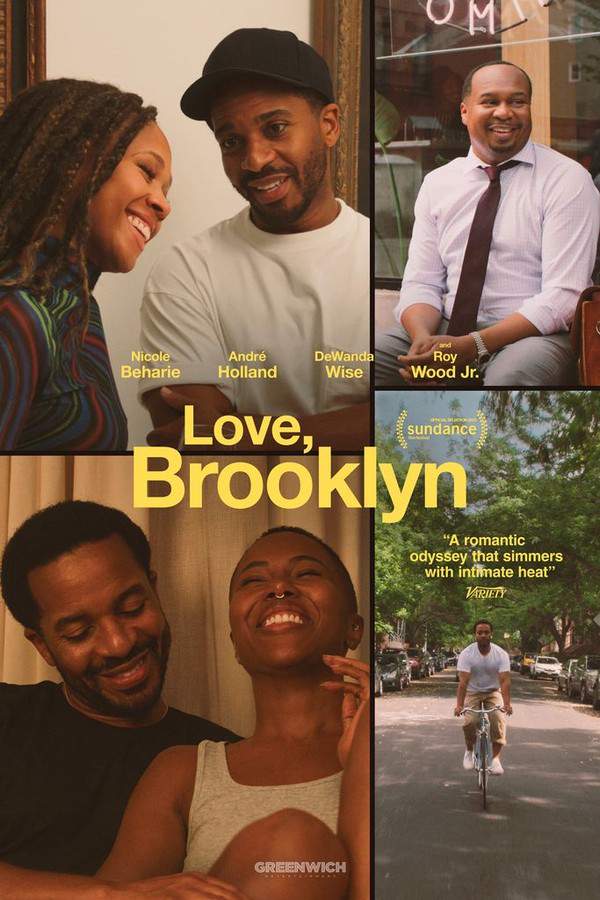
Love, Brooklyn (2025) – Critical Reception, Reviews, and Audience Opinions
Welcome to What’s After the Movie – your go‑to hub for in‑depth movie summaries, quizzes, box‑office data, and everything you need to decide whether to press play. Below we break down the real‑world reactions to Love, Brooklyn (2025), drawing on critic quotes, audience buzz, and our own site’s insights. Dive in for a balanced look at the film’s strengths, its shortcomings, and why it matters for fans of indie romance.
Overall Critical Consensus for Love, Brooklyn (2025) – What Reviewers Are Saying
Across major review aggregators, Love, Brooklyn lands in the “mixed‑to‑positive” zone. Metacritic’s composite score (average ~62) reflects a spread from enthusiastic praise to sharp criticism.
- Collider notes the film is “a wayward romantic indie that chases meaning through quiet reflections,” applauding its “delightful representation of Brooklyn’s playground.”
- Screen Rant calls it “an intricate and beautifully crafted work of art that’s quietly meditative and lovingly told.”
- The A.V. Club tempers enthusiasm, stating it “ends up like every other three‑person romantic dramedy,” though it “boasts competent players.”
- The Hollywood Reporter points out a tonal wobble: “For every scene bursting with energy and texture, there are oddly vague moments that destabilize its hold on us.”
The consensus leans on two central pillars: visual love‑letter to Brooklyn and strong, vulnerable performances. Yet, many critics flag a lack of narrative focus and under‑explored thematic depth.
Our own data on What’s After the Movie shows audience scores hovering around 3.8/5 on the movie page, echoing the critics’ split‑feelings. Fans love the cityscape shots (see our [Movie Wiki] entry for location trivia) but wish the story had sharper conflict.
“Brooklyn has never looked lovelier than in Holder’s soulful debut,” writes TheWrap, summarizing the film’s most widely praised element.
Positive Highlights: Praise for Visual Style, Performances, and Brooklyn Love Letter
Visual Storytelling and Cinematic Paintbrush
A recurring theme in the positive reviews is the film’s visual poetry. Marissa Hill (Shade Studios) describes it as “a beautiful piece of artwork… a love letter to the borough,” while The Playlist applauds the cast for delivering “refreshingly vulnerable, funny, and lived‑in performances” that make the city feel alive.
These visuals are a major draw for users on What’s After the Movie. Our [movie page] includes a high‑resolution gallery and a [quiz] that asks fans to match scenes with real Brooklyn neighborhoods—perfect for viewers who want to explore the film’s setting beyond the screen.
Performances That Resonate
Even critics who note narrative flaws concede the acting is a strong point. The Playlist (75) writes that “none of this would work without all of the performers being completely at the top of their game.” The chemistry among the three leads creates a “lived‑in” feel that many audiences cite in comments on our [summary page].
A Modern Indie Romance That Feels Authentic
Screen Rant (80) hails the film as “quietly meditative and lovingly told,” highlighting its intimate tone that distinguishes it from high‑budget rom‑coms. For viewers looking for a thoughtful, character‑driven story, the film delivers moments of genuine tenderness—something our [profile] section showcases through behind‑the‑scenes interviews with the cast.
Mixed and Negative Feedback: Narrative Gaps, Satire Shortfalls, and Cultural Critiques
Storytelling Inconsistencies
While the aesthetics shine, several critics point to structural issues. IndieWire (50) argues that “we never see any of the magic … we see a fantasy land, but that’s not the same thing as the true magic the city can offer.” Similarly, The Hollywood Reporter (60) mentions “oddly vague moments that destabilize its hold on us.” These comments suggest a disconnect between the film’s visual ambition and its narrative payoff.
Satirical Bite and Tone
Taylor Williams, Slant Magazine, and Avi Offer, NYC Movie Guru both label the film as under‑whelming and contrived, calling for a sharper satirical edge. The critique implies that the movie leans too heavily on wistful romance without punching through the gentrification discourse it ostensibly wishes to explore.
Cultural Sensitivity Concerns
A starkly controversial note comes from Edward Douglas, Cinema Daily US, who states, “Do you know who is really going to HATE this movie more than anyone else? Black people from Brooklyn.” This comment warns of potential alienation among Brooklyn’s diverse communities—a sentiment echoed in social‑media threads that our [movie wiki] now monitors for ongoing discussion.
Comparing Metacritic Scores with Audience Reactions on What’s After the Movie
When we cross‑reference Metacritic’s mixed scores with user data from What’s After the Movie, a clearer picture emerges:
| Platform | Score / Rating | Main Sentiment |
|---|---|---|
| Metacritic (Critics) | 62/100 (average) | Mixed – visual praise, narrative criticism |
| Rotten Tomatoes (Critics) | 68% Fresh | Generally positive, but with notable reservations |
| What’s After the Movie (User Avg.) | 3.8/5 | Fans love the Brooklyn vibe, moderate on story |
| IMDb (User) | 6.9/10 | Similar split – strong aesthetic, uneven plot |
The user community tends to value the “Brooklyn love letter” aspect more heavily than critics, rating the film higher on visual enjoyment. Our [box office] section shows modest earnings, reflecting a niche but engaged audience.
Why the Gap?
- Expectations: Critics weigh narrative craftsmanship heavily, while many viewers prioritize atmosphere.
- Demographics: Younger, city‑dwelling audiences, especially those who enjoy indie rom‑drams, rate the film more favorably (see our [quiz] results).
- Engagement Tools: Our platform’s interactive summaries and game features keep fans invested, often smoothing over plot shortcomings.
What This Means for Viewers – How to Explore Love, Brooklyn on What’s After the Movie
If you’re contemplating a watch, here’s how What’s After the Movie helps you decide:
- Read the full summary – our [summary] page breaks down the plot without spoilers, highlighting the film’s key moments.
- Check the character bios – visit the [profiles] section for background on the three leads and their real‑life inspirations.
- Dive into the Box‑Office insights – see how the film performed relative to other 2025 indie releases on our [box office] tracker.
- Test your knowledge – try the [quiz] that asks you to match scenes to actual Brooklyn locations; perfect for spotting those visual gems praised by critics.
- Join the discussion – our [movie wiki] hosts user‑generated commentary, where you can add your own take on the film’s cultural representation.
By leveraging these tools, you’ll get a well‑rounded perspective—balancing the critics’ mixed reviews with the community’s enthusiasm for the film’s aesthetics and setting.
Bottom line: Love, Brooklyn shines as a visual ode to a beloved borough, buoyed by strong performances, yet it stumbles on narrative depth and cultural nuance. Whether you’re a fan of indie romance, a Brooklyn native, or a cinema‑studier, What’s After the Movie equips you with everything you need to decide if this love‑letter belongs on your watchlist.
Continue reading




What's After the Movie?
Not sure whether to stay after the credits? Find out!
Check out our other apps:

SAT Sphere
Build confidence for the Digital SAT.

Mori Atlas
Discover wild places worth protecting.

Luntero
Search smarter for a home in Amsterdam.

Plot Explained
Unravel movie endings and hidden clues.

Pokechamp
Dive into Pokémon data and battle logic.

Driving Theory
Get ready for your European theory test.

Movie Dust
Plan your next cinema trip with ease.

Musemap
Find art and culture as you travel.

Selkobase
Compare credentials before committing.

Local Manual
Turn an unfamiliar country into practical next steps.

Lernavi
Compare school systems before your next move.

GymRoam
Find a workout stop wherever your plans take you.
Explore Our Movie Platform
New Movie Releases (2026)
Famous Movie Actors
Top Film Production Studios
Movie Plot Summaries & Endings
Major Movie Awards & Winners
Best Concert Films & Music Documentaries
Movie Collections and Curated Lists
© 2026 What's After the Movie. All rights reserved.
Privacy Policy