What Is Love, Brooklyn About?
The premise of Love, Brooklyn in 235 words, with nothing given away. The full story follows below.
In a borough defined by relentless change, Roger, a Brooklyn-based writer, finds himself drifting through a landscape that no longer feels like home. Tasked with writing about the area’s evolution, he struggles to reconcile the glossy narrative of progress with the reality of a community slowly being erased. This professional stagnation bleeds into his personal life, where he remains suspended between who he was and who he is expected to be, unable to commit to a clear path forward.
Roger’s emotional state is defined by a deep ambivalence toward love and responsibility. He is torn between two distinct worlds: one defined by his present partner, Nicole, a single mother cautiously rebuilding her life, and the other anchored by his former girlfriend, Casey, an art gallery owner fighting to preserve her space in a gentrifying neighborhood. While his connection with Nicole offers a grounded, intimate future, his bond with Casey remains intellectually charged and emotionally volatile, leaving him paralyzed by the weight of choice.
Amidst this romantic indecision stands Alan, Roger’s best friend, whose blunt humor and practical wisdom serve as a necessary counterweight to Roger’s overthinking. As the shifting backdrop of Brooklyn mirrors the characters’ internal transformations, the film captures the quiet tensions of modern romance. Roger must navigate the overlapping circles of these women, confronting the realization that he cannot hold onto the past and the present simultaneously without losing his footing in both.
What Happens in Love, Brooklyn?
The complete story of Love, Brooklyn, from the first scene to the last, in 425 words (about 2 minutes). Spoilers throughout. Names in the text link to 8 cast member pages.
Spoilers ahead
Love, Brooklyn follows Roger, a Brooklyn-based writer wrestling with creative stagnation and a tangle of emotional indecision. He is assigned to craft an upbeat piece about the borough’s “evolution,” but the stories of gentrification and the quiet erasure of a familiar community leave him feeling alienated. His work mirrors the contradictions in his private life, where truth fights against expectation and commitment remains elusive.
He stands at a crossroads between two women. On one side is Nicole, a widowed mother learning to carry grief while cautiously rebuilding her world. Their bond feels intimate and grounded in honesty, yet it remains undefined. Nicole’s young daughter, Ally, becomes an emotional mirror for Roger, subtly exposing his discomfort with responsibility and permanence. On the other side, Roger harbors a deep, unresolved connection with his ex, Casey, an art gallery owner fighting to survive amid aggressive neighborhood redevelopment. Casey’s struggle, supported by patrons like Lorna, echoes the broader shift in Brooklyn. The two share intellectual intimacy and lingering affection, but their relationship stays volatile and undefined as the city around them continues to change.
Within this web, Roger’s closest friend, Alan, delivers blunt, often humorous observations about relationships, acting as a grounding force and a reflection of Roger’s avoidance. Alan’s wife, Beth, helps maintain the social fabric, organizing gatherings that bring Roger, Nicole, and Casey into overlapping spaces—fanning the tensions that simmer beneath their conversations and moments of closeness.
As Roger drifts between past and present, his hesitation becomes harder to ignore. A pivotal day with Ally forces him to confront the weight of stepping into a parental role, and a night spent with Casey culminates in unresolved tension. Later, he drunkenly appears at Nicole’s door, revealing a selfish and confused side of himself. Nicole, still grieving her late husband and seeking stability, rejects this unsteady version of Roger, compelling him to reckon with the consequences of his indecision.
Professionally, Roger refuses the shallow narrative his editor Lisa Lucas expects and instead writes a more candid reflection on the city—one that acknowledges both loss and transformation. He comes to understand that the Brooklyn he once knew has changed forever, but that change still holds beauty, albeit in a different form.
The film closes on a quieter, hopeful note. Roger reconnects with Nicole and Ally in a simple park moment—sharing ice cream and a soft, unforced sense of companionship. There isn’t a grand resolution, but there is movement: he begins to let go of the past without denying it, learning that love, like the city itself, evolves rather than disappears.
Love, Brooklyn Timeline: Every Key Event in Order
12 key events in the order they happen, from “Roger grapples with a Brooklyn assignment” to “A quiet park moment seals a hopeful forward motion”. 12 events name a place, across 9 locations.
- 1
Roger grapples with a Brooklyn assignment
Roger is tasked with writing an optimistic portrait of Brooklyn's evolution, yet he feels alienated by gentrification. He faces creative stagnation and a growing indecision about where he belongs. The assignment exposes the gap between the city's proclaimed progress and the lived reality on the ground.
When:Beginning of the assignment Where:Brooklyn, New York
- 2
Nicole enters Roger's life as a cautious anchor
Nicole is a widowed mother navigating grief while rebuilding her life. Roger and Nicole connect through honesty, but their bond remains undefined and fragile. Ally, Nicole's young daughter, becomes a mirror for Roger's discomfort with commitment.
When:Early in their relationship Where:Nicole's apartment
- 3
Casey remains a haunting, intellectual tie
Casey, Roger's ex, is an art gallery owner fighting to preserve her space amid redevelopment pressures. Their conversations carry intellectual intimacy, and the connection complicates Roger's choices. The gallery's struggle mirrors Brooklyn's broader transformation.
When:Ongoing Where:Casey's gallery
- 4
Alan and Beth anchor the social circle
Alan offers blunt, grounding observations about relationships and commitment. Beth keeps the social fabric intact by coordinating gatherings that bring Roger, Nicole, and Casey into overlapping spaces. These interactions heighten the film's underlying tensions.
When:Throughout the story Where:Various Brooklyn social spaces
- 5
A day with Ally tests Roger's readiness for responsibility
Roger takes Ally out for a daytime excursion and is confronted by the weight of parental responsibility. The outing exposes his reluctance to commit to a permanent role in Ally's life. Nicole and Ally's presence becomes a test of what he can really offer.
When:Daytime Where:A Brooklyn park and city streets
- 6
Tension spills over after a night with Casey
That night, unresolved tension with Casey leaks into Roger's behavior, leaving him drifting between longing and avoidance. He ends up at Nicole's door, disoriented and unmoored, revealing a version of himself he doesn't want to admit. The stumble exposes the consequences of his indecision.
When:Night Where:Casey's space and Nicole's apartment
- 7
Nicole rejects the self-centered version of Roger
Nicole, still grieving her husband and seeking stability, rejects the drunken version of Roger. Her choice forces him to confront the consequences of his avoidance and the pain he spreads. The rejection marks a turning point in how he views responsibility.
When:Night Where:Nicole's apartment
- 8
Casey faces mounting pressure and a breakup moment
Casey endures pressure to sell her gallery, symbolizing the loss of cultural spaces amid redevelopment. The strain triggers an emotional break with Roger, underscoring that their connection can't endure without clarity and intention. The gallery's fate mirrors Brooklyn's evolving landscape.
When:Evening Where:Casey's gallery
- 9
Roger makes a professional pivot toward honesty
Rather than delivering the shallow narrative his editor expects, Roger writes a more honest reflection on the city’s losses and transformations. He begins to accept that the Brooklyn he once knew has changed irrevocably, yet still holds beauty. The work marks a shift from evasion to truth-telling.
When:Later Where:Roger's writing space
- 10
Brooklyn’s change is acknowledged; beauty persists
Roger recognizes that Brooklyn's transformation is real and permanent. He learns to see beauty in the city’s new form, even as parts of the old community fade away. The realization reframes his relationship to both the city and to his past.
When:After turning point Where:Brooklyn streets
- 11
Lorna's support underscores Casey's resilience
Lorna, a patron who supports Casey's gallery, embodies the resilience of the cultural ecosystem amid redevelopment. Her presence highlights how communities sustain art spaces even as the neighborhood shifts. This backing helps Casey weather the pressures without surrendering her vision.
When:Mid-to-late Where:Casey's gallery
- 12
A quiet park moment seals a hopeful forward motion
In the closing moment, Roger reconnects with Nicole and Ally in a park, sharing ice cream and a simple sense of belonging. There is no grand resolution, but the scene marks movement toward letting go of the past and embracing a love that evolves with the city. The promise is gradual, not spectacular.
When:Ending Where:Park
Who Are the Main Characters in Love, Brooklyn?
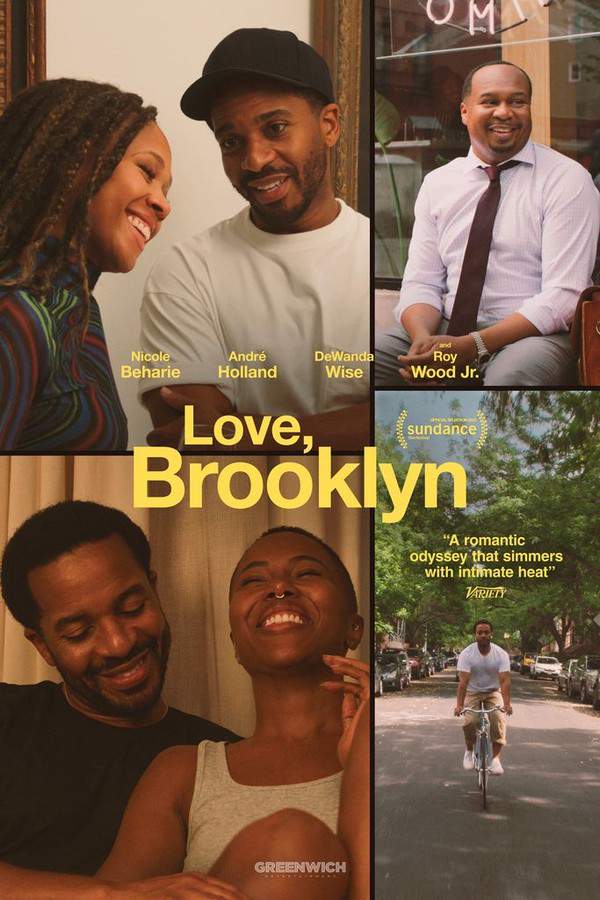
7 characters, among them Roger — André Holland, Nicole — DeWanda Wise and Ally — Cadence Reese: who each one is and the part they play in the story. Every profile links to the actor’s page.
- R—
Roger — André Holland
Played by André Holland
Roger is a Brooklyn-based writer grappling with creative stagnation and emotional indecision. He fears authenticity in his work and hesitates between two women, Nicole and Casey, while also confronting his own reluctance to commit. His journey layers personal yearning with a larger meditation on how a city changes when its stories are altered to fit new expectations. By the end, he chooses honesty over easy narrative wins, even as Brooklyn continues to evolve.
- 🎭 Indecision
- 🖋️ Writer
- 🏙️ Urban change
-

Nicole — DeWanda Wise
Played by DeWanda Wise
Nicole is a widowed mother rebuilding her life while navigating a fragile relationship with Roger. Her grief shapes her guarded yet honest approach to romance and family. She seeks stability for Ally and a sense of lasting connection, resisting service to a city that seems to forget its roots. Despite hurt, she remains poised, choosing what she believes will sustain her family.
- 💔 Grief
- 👩👧 Motherhood
- 🏡 Rebuilding life
- A—
Ally — Cadence Reese
Played by Cadence Reese
Ally is Nicole's daughter, a perceptive child who reflects Roger's capacity for responsibility. Her presence acts as a gentle barometer for the adults, exposing moral complexities without cynicism. She helps anchor the story in the human consequences of adult choices.
- 👧 Daughter
- 💡 Insight
- 🧭 Growth
-
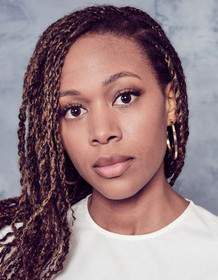
Casey — Nicole Beharie
Played by Nicole Beharie
Casey is an art gallery owner fighting to preserve a cultural space amid relentless redevelopment. She is intelligent, emotionally invested, and prone to intense, undefined attachment to Roger. Her struggle with selling her gallery mirrors the broader pressures on artists and communities in Brooklyn. Her arc culminates in a difficult but honest reckoning about what she wants and what she must stand for.
- 🎨 Art & Culture
- 🏛️ Gallery Owner
- 💼 Professional Stakes
-
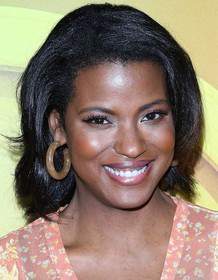
Lorna — Cassandra Freeman
Played by Cassandra Freeman
Lorna is a patron and friend who helps anchor the cultural scene and the social fabric around Casey and Roger. She offers pragmatic support and a window into the community's hopes and fears. Lorna embodies the tension between personal loyalty and the larger forces reshaping the borough.
- 🤝 Patron
- 🧭 Community Bridge
- 🖼️ Cultural Space
- A—
Alan — Roy Wood Jr.
Played by Roy Wood Jr.
Alan is Roger's blunt, humorous friend, offering grounded observations on relationships and life. He serves as a counterbalance to Roger's indecision, often cutting through bravado with practical insight. His dynamic with Beth and the broader group helps illuminate the social orbit around change.
- 💬 Blunt Realism
- 😂 Humor
- 🧭 Grounding
- B—
Beth — Saycon Sengbloh
Played by Saycon Sengbloh
Beth is Alan's wife and a stabilizing presence who organizes gatherings that knit the group together. She helps maintain the social fabric amid shifting dynamics and acts as a quiet advocate for community memory. Her role underscores the importance of friendship and shared rituals in times of change.
- 🎉 Social Fabric
- 🧰 Organizer
- 🧡 Support
Where and When Is Love, Brooklyn Set?
Love, Brooklyn is set in Brooklyn and New York (Present day). Here is why the time and place matter to the story.
When
Present day
Set in present-day Brooklyn, the story unfolds amid ongoing redevelopment and shifting communities. It reflects contemporary urban life, where art, work, and relationships are tested by economic forces. Time here is less about dates and more about how rapid change shapes choices and connections.
Where
Brooklyn, New York
Brooklyn is the backdrop, a borough known for its creative energy and evolving streets. The film highlights a neighborhood in flux, where old brownstones sit beside new developments and cultural spaces struggle to survive. It captures the tension between preserving memory and embracing forward momentum.
- 🏙️ Urban change
- 🎨 Arts & culture
- 👥 Community
- 🏚️ Displacement
What Are the Themes of Love, Brooklyn?
3 ideas the story keeps returning to, among them Gentrification, Love & Commitment and Identity & Authenticity.
-
01
Gentrification
The film centers on how a changing Brooklyn erodes long-standing communities and cultural spaces. Roger, Casey, and Nicole navigate losses—of places, routines, and trust—while attempting to reconcile truth with growth. The tension between progress and preservation drives both personal decisions and professional ambitions. The story suggests that change is inevitable, but memory and belonging can still endure in new forms.
-
02
Love & Commitment
Romance sits at the heart of the drama, testing fidelity and responsibility. Roger's indecision clashes with Nicole's grief and Casey's needs, forcing him to confront the consequences of evasive living. The narrative explores honesty, vulnerability, and the quiet bravery required to choose someone and something meaningful. It proposes that commitment can coexist with evolution, if truth leads the way.
-
03
Identity & Authenticity
Roger's struggle to write truthfully about his city mirrors a search for self amid a transformed Brooklyn. The characters wrestle with what counts as authentic in a world that prizes change and image. The film asks whether personal identity can survive a shift in culture without becoming performative. It invites viewers to consider what staying true means when the ground beneath you keeps evolving.
What Kind of Film Is Love, Brooklyn?
Bittersweet in tone, with slow pacing and a moderate story, going by the plot summary.
- Tone
- Bittersweet
- Pacing
- Slow
- Story
- Moderate
- Intensity
- Medium
- Ending
- Bittersweet
A reflective and intimate drama that explores love and change through gentle pacing and melancholic yet hopeful moments, set against the backdrop of a transforming Brooklyn.
- reflective
- melancholic
- hopeful
- intimate
- nostalgic
- uncertain
- gentrification
- creative block
- love triangle
- grief and loss
Content notes: grief, emotional conflict.
Quiz
How well do you remember Love, Brooklyn? Test yourself on the story.