What Is Task Force About?
The premise of Task Force in 324 words, with nothing given away. The full story follows below.
In the interwar years the United States Navy stands on the brink of a technological revolution, as aircraft carriers promise to reshape sea power. The film immerses the audience in the humming decks of early carriers, the gray bureaucracy of military headquarters, and the restless optimism of a nation still finding its footing after the Great War. A measured, almost reverent tone underscores the tension between tradition and innovation, rendering the world both grand and intimately procedural.
Jonathan Scott is a young aviator whose brilliance is matched only by his stubborn conviction that flight must become the heart of naval strategy. From his graduation in 1917 he becomes the Navy’s most vocal champion of carrier aviation, a role that pits his forward‑thinking ideas against entrenched interests in both the service and the political arena. His personal life intertwines with that of Mary Morgan, a widowed peer whose own loss in an early carrier accident adds depth to his relentless drive. Guiding him through the maze of senior command is Pete Richard, a seasoned mentor whose counsel helps him navigate the delicate balance between ambition and duty.
When the world slides toward global conflict, the stakes of Scott’s advocacy rise dramatically. The looming war forces the Navy to confront the very ideas he has long championed, pulling him from the quiet classrooms of Annapolis to the bustling corridors of Washington, D.C., where strategic decisions are made under pressure. The atmosphere shifts from patient lobbying to urgent deliberation, amplifying the film’s sense of a nation on the cusp of change.
Amid the looming battlefields and shifting politics, the story remains rooted in the human cost of relentless ambition. Relationships are tested, loyalties strained, and the weight of leadership bears heavily on Scott and those close to him. The film leaves viewers with a lingering impression of a man whose vision could redefine an entire service, even as the personal price of that vision remains ever present.
What Happens in Task Force?
The complete story of Task Force, from the first scene to the last, in 745 words (about 3 minutes). Spoilers throughout. Names in the text link to 5 cast member pages.
Spoilers ahead
From the moment Jonathan L. “Scotty” Scott graduates in 1917, he becomes a steadfast advocate for naval aviation and the strategic weight of aircraft carriers, a mission that spans nearly three decades—from 1921 to 1949. As a young naval aviator, he champions a forward-looking view of how air power can complement traditional sea control, a stance that sometimes puts him at odds with entrenched interests within the Navy and even Congress. His personal life becomes intertwined with Mary Morgan, the widow of a fellow flyer who died in a crash during a carrier takeoff aboard the USS Langley, adding a human dimension to a career defined by risk, innovation, and public scrutiny. Throughout these years, his most constant ally is Pete Richard, a mentor and superior officer whose guidance helps Scott navigate a shifting military landscape and the pressures of political resistance.
After a two-year stint in Hawaii, the Scott family moves to Annapolis, where he is assigned to teach naval aviation. In the classroom and in the broader service, he argues for a more aggressive use of carriers in combat, a stance that earns him both admiration and ill will. His willingness to speak plainly about naval strategy costs him a promotion at a critical juncture, signaling the friction between reform-minded thinking and the old guard that dominates promotions and policy. Even as the world edges toward broader conflict, he is tempted by a civilian sales position selling aircraft in Europe after Japan invades Manchuria, but his sense of duty keeps him in uniform. He remains a persistent voice for modernization, choosing loyalty to the Navy over comfortable retirement from active duty.
The shock of Pearl Harbor changes everything. As the war unfolds, Scott’s career becomes inseparable from the tempo of decisive battles that define the Pacific theater. He and his colleagues play a central role in the operations surrounding the carrier groups at the onset of U.S. involvement, and his resolve helps shape strategic decisions in the wake of rapid aerial reconnaissance, ship-to-ship operations, and the fleet’s evolving emphasis on air superiority. In Washington, D.C., he continues to press for more carriers and for a coherent plan to build a capable carrier fleet that can sustain aggressive, sustained operations across vast distances. The support he earns at times comes with cost, but his arguments slowly gain traction as the Navy expands its carrier program and adjusts to the demands of modern warfare.
During the Battle of Midway and the broader campaigns that follow, Adm. Ames and others in his orbit recognize the value of an integrated air-sea approach. The fleet’s momentum grows, and Scott’s leadership reaches a new plateau as he takes command of the carrier USS Franklin during the Battle of Okinawa. The mission is a testament to both the resilience and vulnerability of carrier warfare: the flight deck sustains heavy damage from Japanese torpedo aircraft, forcing the ship to withdraw for repairs back home in the United States. The war winds down not long after, as the fleet reaches the Navy Yard in New York City, and Scott—now a rear admiral—retires with the peace he fought to secure firmly in hand. He is greeted by Mary on the dock, a quiet moment that reflects a life spent balancing professional duty with personal devotion.
In recreating these events on screen, the production makes extensive use of archival footage to depict the ships under Scott’s command, yet the film’s dramatic arc aligns more closely with real-life episodes surrounding the attacks on other carriers, highlighting the peril and the heroism that characterized the last years of the war. The central arc remains intact: a pioneering officer who pushes for a future in which air power and sea power work together to deter threats, win battles, and safeguard a nation’s security. The story closes on a note of reflection and legacy, with the aging admiral stepping away from active duty but carrying forward a vision that reshaped how the United States Navy fights, protects, and perseveres.
Throughout the narrative, key figures—Captain Reeves and the steadfast romantic partner Mary Morgan—underscore the human stakes of a career built on ambition, sacrifice, and a relentless belief in the transformative potential of aviation at sea. The film, anchored by its central performances, offers a measured portrait of leadership under pressure, the cost of pushing for change within large institutions, and the enduring impact of a commander who never stopped advocating for carriers as the heart of American naval power.
Task Force Timeline: Every Key Event in Order
12 key events in the order they happen, from “Naval Academy graduate enters naval aviation” to “Mentor Pete Richard's enduring influence”. 12 events name a place, across 11 locations.
- 1
Naval Academy graduate enters naval aviation
Scotty Scott, a 1917 graduate of the United States Naval Academy, begins his career in naval aviation. He champions carrier-based air power and the strategic value of aircraft carriers from the outset. He also forms a lasting mentorship bond with his superior officer Pete Richard.
When:1917 Where:United States Naval Academy
- 2
Begins a 28-year naval aviation career
Starting in 1921, Scott commits to a 28-year career in naval aviation. He becomes a vocal advocate for carriers and their tactical potential in future conflicts. His outspokenness earns him both allies and enemies within the Navy and Congress.
When:1921 Where:U.S. Navy
- 3
Two years in Hawaii shape his leadership
Two years in Hawaii give Scott frontline exposure to carrier operations and fleet life. He uses this time to build leadership skills and sharpen his conviction that carriers should be central to naval strategy.
When:Early 1920s Where:Hawaii
- 4
Move to Annapolis; teaching naval aviation; promotion setback
Scott moves to Annapolis where he becomes a lieutenant commander and teaches naval aviation. His candid defense of aircraft carriers in combat draws opposition from senior officers and leads to a stalled promotion.
When:Mid-1920s Where:Annapolis
- 5
Married to Mary Morgan
During this period, he marries Mary Morgan, the widow of a fellow flier who died in a Langley carrier takeoff accident. This marriage anchors his life amid his demanding naval career. Mary becomes a steady partner as Scott continues to push for carrier-centric strategy.
When:Mid-1920s Where:Annapolis
- 6
Manchuria crisis; offered civilian job in Europe
After Japan's invasion of Manchuria, Scott is offered a civilian sales position selling aircraft in Europe. He declines the offer, choosing to remain in the Navy and keep pursuing the carrier-focused doctrine. This decision reinforces his commitment to service and his belief in American naval air power.
When:1931 Where:Europe
- 7
Pearl Harbor and Midway demonstrate carrier power
Following the Pearl Harbor attack, Scott's carrier USS Enterprise sails into action and participates in the pivotal Battle of Midway. The battle underscores the critical role of aircraft carriers in modern warfare and shifts strategic thinking.
When:1941-1942 Where:Pacific Theater
- 8
Advocacy in Washington helps grow a carrier fleet
After Midway, Scott travels to Washington, D.C. to press for more carriers and for a carrier fleet. His persistence helps shift Navy policy toward expanding carrier assets in the war effort.
When:1942-1943 Where:Washington, D.C.
- 9
Battle of Okinawa; USS Franklin under his command
During the Okinawa campaign, Scott commands the USS Franklin. The carrier's flight deck is heavily damaged by Japanese torpedo planes, forcing a dangerous withdrawal back to the United States for repairs.
When:1945 Where:Okinawa, USS Franklin
- 10
War ends with Franklin reaching New York Navy Yard
The war ends as the Franklin and its crew arrive at the Navy Yard in New York City for repairs and debriefing. The mission underscores the carrier's central role in Allied victory and the toll of heavy combat.
When:1945 Where:New York Navy Yard
- 11
Postwar retirement and reunion with Mary
Four years after the war, Scott retires from the Navy as a rear admiral and is finally reunited with Mary on a dock in New York City. The ending emphasizes a life of duty harmonized with family.
When:1949 Where:New York City
- 12
Mentor Pete Richard's enduring influence
Throughout his career, Pete Richard is a constant mentor and ally who guides Scott through political and wartime challenges. Their enduring friendship helps shape Scott's decisions and resolve.
When:1920s-1940s Where:Navy settings
Who Are the Main Characters in Task Force?
8 characters, among them Jonathan L. Scott (Gary Cooper), Pete Richard (Walter Brennan) and Mary Morgan (Jane Wyatt): who each one is and the part they play in the story. Every profile links to the actor’s page.
-

Jonathan L. Scott (Gary Cooper)
Played by Gary Cooper
A brilliant naval aviator who rises to captain and rear admiral, Scott is driven by a fierce belief in aircraft carriers and air-powered fleet tactics. He clashes with politicians yet stays focused on long-term naval power and the people he leads. His resilience, stubbornness, and strategic vision shape the course of the war.
- 🧭 Leadership
- 🛡️ Duty
- 🛫 Aviation
-
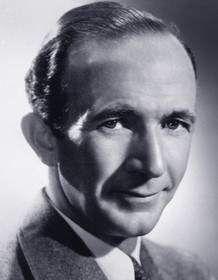
Pete Richard (Walter Brennan)
Played by Walter Brennan
Scott's mentor and superior, Richard provides steady guidance and seasoned pragmatism. He supports Scott's push for carrier power while navigating bureaucratic politics. His friendship offers a crucial counterbalance to conflict and doubt.
- 🧭 Mentorship
- 🛡️ Loyalty
- 🛫 Strategy
- MM
Mary Morgan (Jane Wyatt)
Played by Jane Wyatt
Widow of a flier who died in a carrier crash, Mary embodies resilience and loyalty. She anchors Scott's personal life amid public battles and the risks of war. Her presence grounds the narrative in the human cost of combat.
- ❤️ Support
- 🪶 Resilience
- 🧭 Relationships
- BM
Barbara McKinney (Julie London)
Played by Julie London
A supporting figure connected to the circle around Scott, Barbara adds emotional depth to the home-front experience. She reflects the personal side of those who live with military life and its uncertainties.
- 🏡 Domestic Life
- 💬 Communication
- 🧭 Relationships
-
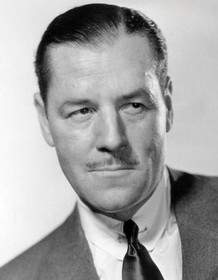
Captain Reeves (Jack Holt)
Played by Jack Holt
A senior naval officer whose stance tests Scott's campaigns, Reeves embodies the conservative wing of naval bureaucracy. He represents institutional caution and the push-pull of reform.
- ⚓ Leadership
- 🗃️ Bureaucracy
- 🛡️ Authority
-
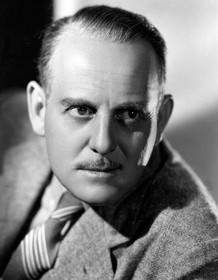
Adm. Ames (Moroni Olsen)
Played by Moroni Olsen
A high-ranking commander whose policies shape the strategic environment. His decisions illuminate the complexities of command and inter-service politics during wartime.
- 🎖️ Authority
- 🧭 Strategy
- ⚓ Naval command
- SB
Sen. Bentley (Stanley Ridges)
Played by Stanley Ridges
A political figure who engages with military priorities and carrier expansions. He represents the legislative side of shaping defense policy during and after the war.
- 🏛️ Politics
- 🗳️ Legislation
- 🧭 Influence
- LJ
Lt. Jack Southern (Richard Rober)
Played by Richard Rober
An officer who embodies the frontline perspective of naval aviation and the risks carried by pilots and crew. He contributes to the sense of danger and duty on carrier missions.
- 🛡️ Duty
- 🪖 War
Where and When Is Task Force Set?
Task Force is set in Hawaii, Annapolis, Pearl Harbor, Washington, D.C., Midway Atoll, Okinawa, New… (1921–1949). Here is why the time and place matter to the story.
When
1921–1949
The story traces the interwar period, the buildup and height of World War II, and the immediate postwar years. It follows the evolution of naval aviation and carrier warfare as a central strategic pillar. The arc includes political pushback, wartime deployments, and the transition to a peacetime navy after the war.
Where
Hawaii, Annapolis, Pearl Harbor, Washington, D.C., Midway Atoll, Okinawa, New York City
The narrative spans multiple key locations in the U.S. Navy world and the Pacific Theater. It begins with time spent in Hawaii, moves to the Naval Academy in Annapolis, and then shifts to Washington, D.C. as policy and fleet strategy are debated. The action sweeps through Pearl Harbor and major Pacific arenas like Midway and Okinawa, with final scenes ending at the Navy Yard in New York City.
- 🏝️ Hawaii
- 🗺️ Annapolis
- 🌊 Pacific theater
- 🗽 New York City
What Are the Themes of Task Force?
4 ideas the story keeps returning to, among them Technology, Leadership and Sacrifice.
-
01
Technology
The film centers on the rise of naval aviation and the strategic value of aircraft carriers. Scott’s push for carrier power demonstrates how new tech reshapes battles, from deck operations to fleet tactics. It also shows the friction between innovation and bureaucratic inertia, highlighting the cost and necessity of modernization in war.
-
02
Leadership
Scott’s vision and resolve drive the narrative, often clashing with established authorities. The mentorship from Pete Richard and the burdens of command during crises illuminate what it takes to lead under political and military pressure. Duty, courage, and strategic judgment define his arc.
-
03
Sacrifice
War brings personal and collective costs, including losses among air crews and the strain on families like Mary Morgan. The risk of flight and combat tests resolve, loyalty, and the willingness to endure for the greater mission. Sacrifice is presented as essential to national purpose and resilience.
-
04
Legacy
Spanning 1921 to 1949, the story frames a lasting impact on naval policy and training through Scott’s career. The postwar period suggests that innovations endure beyond active service, shaping future generations and public perception. The ending ties memory and policy to a persistent navy identity.
What Kind of Film Is Task Force?
Hopeful in tone, with steady pacing and a straightforward story, going by the plot summary.
- Tone
- Hopeful
- Pacing
- Steady
- Story
- Straightforward
- Intensity
- Medium
- Ending
- Bittersweet
A steady, determined drama following a naval officer's lifelong struggle to modernize the fleet, blending the personal cost of ambition with a hopeful view of progress and legacy.
- determined
- nostalgic
- resilient
- reflective
- steadfast
- somber
- military career
- naval aviation
- bureaucratic resistance
- personal sacrifice
Content notes: war violence, military death.
Quiz
How well do you remember Task Force? Test yourself on the story.