What Is Mr. Baseball About?
The premise of Mr. Baseball in 311 words, with nothing given away. The full story follows below.
In the early ’90s a celebrated New York Yankees star finds his once‑steady batting average slipping, and the franchise decides it’s time to move on. An unexpected offer comes from across the Pacific: the Chunichi Dragons of Japan’s Central League are willing to take a chance on a veteran who still believes he has a season left. The film opens the crease on a transpacific journey, juxtaposing the thunderous atmosphere of an American ballpark with the meticulous, tradition‑steeped world of Japanese professional baseball.
The story centres on Jack Elliot, a proud, aging outfielder whose reputation precedes him as he steps onto foreign soil. He must navigate the subtle rituals of his new club while contending with the firm yet enigmatic manager Uchiyama, whose own motivations hide beneath a stoic exterior. By his side is Max “Hammer” Dubois, a fellow expatriate whose steady presence offers a quiet counterpoint to Elliot’s swagger, and Hiroko, a charismatic local woman whose connection to the team adds a personal layer to his cultural immersion. Their interactions hint at both friction and the possibility of unexpected alliances.
The film’s tone blends the kinetic excitement of baseball with a thoughtful, almost lyrical exploration of cross‑cultural exchange. Scenes are painted with vibrant stadium lights, the quiet reverence of ritual before a game, and the bustling streets of Nagoya that pulse with life beyond the diamond. Humor arises from Elliot’s stubbornness meeting the team’s collective discipline, while the underlying drama thrives on his internal struggle to reconcile past glory with present reality.
“Mr. Baseball” promises a compelling sports drama that is as much about the game’s mechanics as it is about humility, mentorship, and the quiet power of adapting to a new world. The narrative invites viewers to wonder whether an old hero can rediscover his spark and, in the process, bridge the gap between two very different baseball cultures.
What Happens in Mr. Baseball?
The complete story of Mr. Baseball, from the first scene to the last, in 768 words (about 3 minutes). Spoilers throughout.
Spoilers ahead
Jack Elliot, played by [Tom Selleck], is an aging American baseball player who is unexpectedly placed on the trading block during Spring Training in 1992 by the New York Yankees in favor of a touted rookie first baseman, Ricky Davis. The only taker is the Nagoya Chunichi Dragons of Japan’s Nippon Professional Baseball, and Elliot finds himself crossing the Pacific to a world that operates by its own rules.
Upon arrival, Elliot clashes with the local culture and with the Dragons’ manager, [Uchiyama]. He quickly alienates his new teammates by insisting on doing things his own way, convinced that the team’s strict rituals and the management style are absurd. His performance deteriorates as his temper and stubborn pride push him further from the chemistry the Dragons are trying to build. His only ally on the squad is another American, [Max ‘Hammer’ Dubois], who urges him to adjust and become a true team player. Max is a steady, veteran presence who believes in the power of unity and shared purpose, and his counsel becomes a guiding light for Elliot as he navigates a culture shock unlike anything he’s faced before. Meanwhile, Elliot begins a complicated relationship with the beautiful Hiroko, a local woman who captivates him and whom he learns is the daughter of Uchiyama.
A turning point comes after a blowup where Elliot knocks out his interpreter in a brawl, resulting in a suspension from the team. During his time away, he spends time with Hiroko’s family and learns more about the man who hired him. The manager reveals that he accepted Elliot against the wishes of higher-ups, risking his own career in the process. This confession sparks a powerful realization in Elliot: his pride has been a barrier to success, and he admits his deficiencies. From that moment, Uchiyama becomes more than a stern boss—he becomes a mentor who sees in Elliot the spark the Dragons need. In a rare moment of cultural humility, Uchiyama apologizes to the team in Japanese, jokingly saying he wants to build a “chopstick” (a homophone of “bridge”) of friendship, which the players take as a genuine pledge to move forward together. The gesture helps repair frayed trust and signals the start of real teamwork.
With the manager’s trust restored, Elliot’s work ethic and attitude begin to lift the Dragons from mediocrity toward contending for the Central League pennant. The team learns to value hard work, mutual respect, and a willingness to adapt—lessons that Elliot absorbs and passes along to his teammates. A playful, unofficial tradition—being able to rib Uchiyama while intoxicated—helps loosen the team’s guard and fosters a genuine sense of camaraderie. Elliot’s rekindled enthusiasm for collective effort becomes contagious, turning a previously underperforming squad into real contenders.
As Elliot’s improved performance climbs toward a personal milestone, he also grapples with the consequences of his decision to reach out to his American agent, which strains the delicate balance of his budding romance with Hiroko. Still, his progress is undeniable, and he inches closer to breaking Uchiyama’s record of seven consecutive games with a home run. The moment arrives in a high-stakes game against the Yomiuri Giants: bases loaded, two outs, and the Dragons trailing by one run. The team brass expects a bunt to tie the game, potentially sacrificing Elliot’s chance to set the record. Elliot seeks a sign from Uchiyama, who nods, signaling a swing away. But in a pivotal twist, Elliot takes a called strike on the first pitch, fouls off the second, and then, facing a no-ball, two-strike count, he bunts. The unexpected bunt catches the Giants off guard, allowing the tying run to score as the infield misplays the ball. Elliot slides safely toward first, and in a close play, a contact with the pitcher on the plate allows the runner from second to sprint home for the win. The Dragons clinch the pennant, and the moment seals Elliot’s redemption and the team’s ascent.
With the Dragons triumphant, Max ends his five-year stint in Japan by signing with the Los Angeles Dodgers, signaling the next chapter for both players. Elliot, empowered by his growth and the bonds he formed, returns home not as a washed-up outfielder but as a mentor who can guide others. He marries Hiroko and moves into a coaching role with the Detroit Tigers, passing along the lessons of teamwork, humility, and perseverance to a new generation of players. The film closes on a note of lasting respect and kinship, with one of the Dragons’ players nicknaming him “Chief,” echoing the nickname he once gave Uchiyama and signaling a shared bond that transcends borders.
Mr. Baseball Timeline: Every Key Event in Order
14 key events in the order they happen, from “Trade to Japan during Spring Training” to “Final nod: Chief”. 14 events name a place, across 4 locations.
- 1
Trade to Japan during Spring Training
During Spring Training in 1992, Jack Elliot is unexpectedly placed on the Yankees' trading block and is sold to the Nagoya Chunichi Dragons of Japan's Nippon Professional Baseball. The trade marks the start of a major career upheaval as an American star must adjust to a new league and culture. This pivotal move sets the stage for a dramatic transformation in both his personal and professional life.
When:Spring 1992 Where:New York, USA
- 2
Arrival in Nagoya and culture clash
Elliot arrives in Nagoya and immediately clashes with Japanese culture and manager Uchiyama. His abrasive style and insistence on doing things his own way alienate teammates and undermine early attempts to build team chemistry. The culture shock establishes the tension that will dominate the season.
When:Early 1992 Where:Nagoya, Japan
- 3
Romance with Hiroko and warnings from Max
Elliot's presence strains his personal life as he begins a romance with Hiroko, Uchiyama's daughter. At the same time, Max 'The Hammer' Dubois warns him to be a team player and to respect the Dragons' culture and system. The conflicting loyalties heighten the pressure to adapt or fail.
When:Early–Mid 1992 Where:Nagoya, Japan
- 4
Outburst and suspension
After another outburst culminating in a brawl during which he knocks out his interpreter, Elliot is suspended from play. The punishment forces him to confront his attitude and the consequences of stubbornness. The suspension becomes a turning point that pushes him toward collaboration rather than confrontation.
When:Mid 1992 Where:Nagoya, Japan
- 5
Revelation: Uchiyama hired him; Elliot’s reckoning
Meeting Hiroko's family, Elliot learns that Uchiyama hired him despite management's objections, and that his own career is on the line. The revelation reframes Elliot's perspective and shatters his pride, motivating him to acknowledge his deficiencies. The manager's honesty begins to lay the groundwork for a mentor-mentee relationship.
When:Mid 1992 Where:Nagoya, Japan
- 6
Humility and a symbolic apology
In a rare display of humility, Elliot apologizes to the team in Japanese, joking that he wants to build a 'chopstick' rather than a 'bridge' of friendship. The misstep amuses the squad and helps unite them around a shared goal. Uchiyama steps in as a mentor and helps chart a path to improvement.
When:Mid–Late 1992 Where:Nagoya, Japan
- 7
Suspension lifted; renewed training
Uchiyama lifts Elliot's suspension and begins a focused training program with him. Elliot's renewed commitment drives a subtle but powerful turnaround for the Dragons. The restored partnership begins to lift the team from mediocrity toward genuine contention.
When:Late 1992 Where:Nagoya, Japan
- 8
Team becomes contenders
With renewed energy and teamwork, the Dragons grow into pennant contenders. Elliot's leadership, now tempered by discipline, helps the roster embrace competitive but respectful play. The season starts to feel like a turning point for both player and club.
When:Late 1992 Where:Nagoya, Japan
- 9
Cultural tactic to push the team
A moment blends humor and culture as Elliot uses a tradition of being told off by him while intoxicated to persuade Uchiyama to push the players to be more aggressive and have fun. The exchange deepens trust and loosens long-standing rigidity. The team begins to perform with more fearless energy.
When:Late 1992 Where:Nagoya, Japan
- 10
Approaching the seven-game home run streak
Elliot moves toward breaking Uchiyama's seven-game home run streak, a milestone that would validate his transformation and leadership. The pursuit tests his self-control and reinforces the shift toward team-first play. The milestone becomes a symbol of the season's turnaround.
When:Late 1992 Where:Nagoya, Japan
Show the other 4 events of Mr. Baseball Hide the last 4 events
- 11
Clutch game vs the Yomiuri Giants
In a crucial game against the Yomiuri Giants, the bases are loaded with two outs and the Dragons down 6-5. Elliot questions the bunt sign, but Uchiyama nods to swing away, allowing him to bunt when the count is no-ball, two-strike and tie the game. The Giants falter on the play, and the tying run scores as the winning run follows, sealing a dramatic comeback.
When:End of 1992 Where:Tokyo, Japan (Tokyo Dome)
- 12
Pennant secured; Max signs with Dodgers
The Dragons win the Central League pennant and Uchiyama's job is preserved. Max Dubois ends his five-year stint in Japan by signing with the Los Angeles Dodgers, signaling a bridge back to Major League baseball. Elliot's leadership is celebrated as the team reflects on the season's transformation.
When:End of 1992 Where:Nagoya, Japan
- 13
Elliot marries Hiroko; returns to the U.S. as a coach
Elliott marries Hiroko and prepares to return to the United States, where he will take on a coaching role with the Detroit Tigers. His experiences in Japan reshape his approach to leadership and teamwork, influencing his future career in American baseball. The friendship and respect forged in Nagoya endure beyond the season.
When:Post-1992 Where:Detroit, USA
- 14
Final nod: Chief
The closing moment echoes with a former Dragon nickname as a player calls him 'Chief,' mirroring how Uchiyama once addressed him in Japan. The film closes on the cross-cultural journey that transformed a wary star into a mentor. The bridge between two baseball worlds remains the lasting memory of his time in Japan.
When:Post-1992 Where:Detroit, USA
Who Are the Main Characters in Mr. Baseball?
4 characters, among them Jack Elliot (Tom Selleck), Uchiyama (Ken Takakura) and Max 'Hammer' Dubois (Dennis Haysbert): who each one is and the part they play in the story. Every profile links to the actor’s page.
-
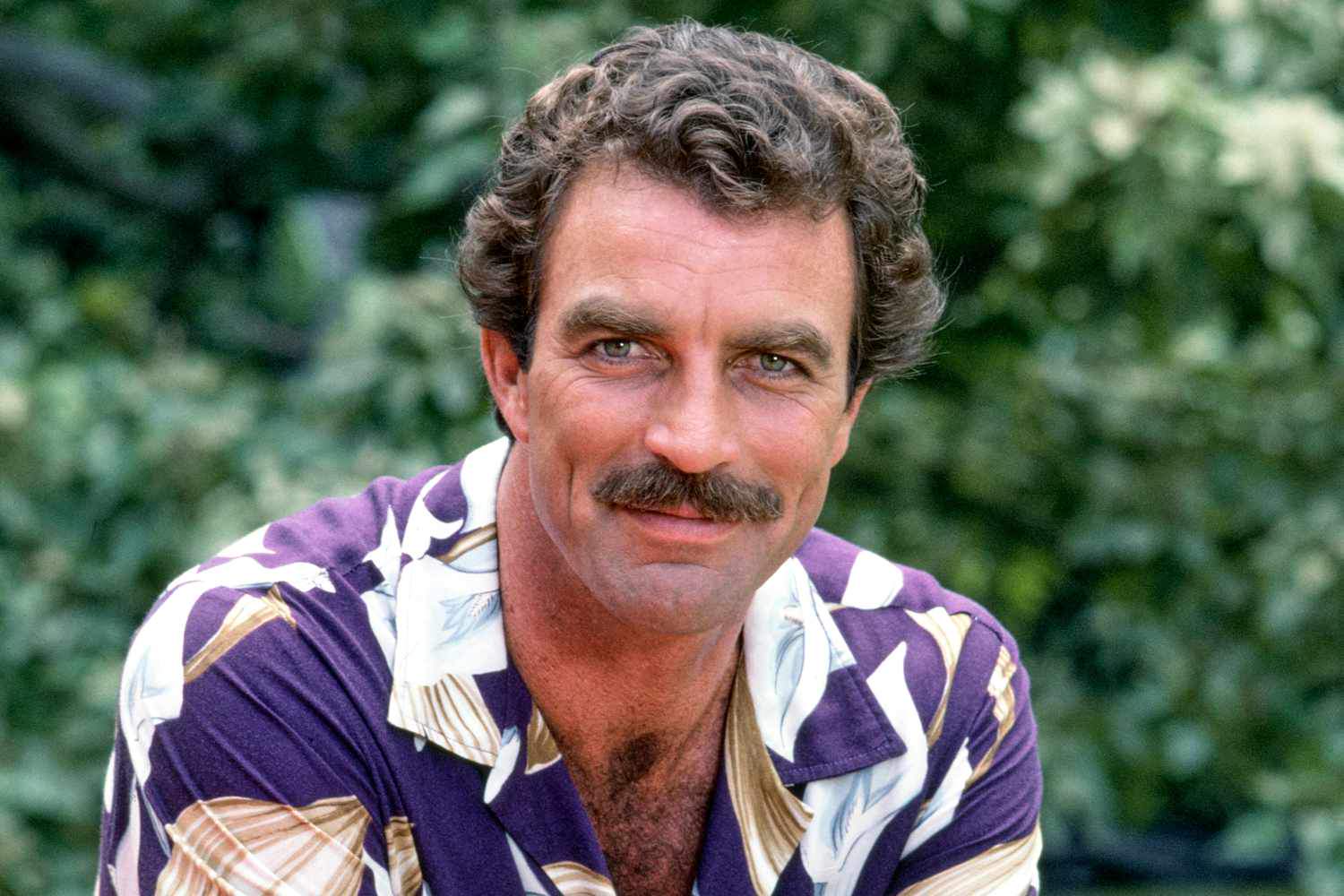
Jack Elliot (Tom Selleck)
Played by Tom Selleck
An aging American baseball player who is traded to Japan, his pride and cultural clash strain his early months with the Dragons. He initially clashes with the Japanese way of playing and with Uchiyama, leading to poor on-field performance. Through mentorship and humility, he learns to value teamwork and becomes a catalyst for the team’s resurgence.
- ⚾️ Baseball
- 🌐 Cultural clash
- 🧭 Personal growth
-
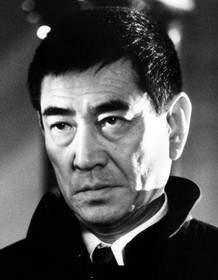
Uchiyama (Ken Takakura)
Played by Ken Takakura
The Dragons’ manager who hires Elliot and ultimately becomes his mentor. He hires Elliot against management’s objections, risking his own career for the chance to turn the team around. He guides Elliot toward humility and teamwork, and publicly reconciles with the squad, helping to lift Elliot’s suspension and restore the Dragons’ momentum.
- 🎯 Mentorship
- 🗾 Leadership
- ⚖️ Respect
-

Max 'Hammer' Dubois (Dennis Haysbert)
Played by Dennis Haysbert
An American teammate who shares Elliot’s frustration but remains a steady team player. He warns Elliot to adapt to the Dragons’ style and offers support as Elliot grows. His presence helps bridge cultural gaps and reinforces the value of loyalty and teamwork.
- ⚾️ Baseball
- 🤝 Teamwork
- 🛡️ Solidarity
- HU
Hiroko Uchiyama (Aya Takanashi)
Played by Aya Takanashi
Hiroko is Uchiyama’s daughter and Elliot’s love interest. Her relationship with Elliot underscores the cross-cultural romance at the center of the story and adds emotional stakes to his adaptation. Their bond ultimately contributes to Elliot’s resolve and his life beyond baseball, including marriage.
- 💖 Romance
- 🌐 Cross-cultural relationship
- 👪 Family ties
Where and When Is Mr. Baseball Set?
Mr. Baseball is set in Nagoya and Japan (1992). Here is why the time and place matter to the story.
When
1992
The narrative centers on Spring Training in 1992 and follows the early 1990s arc of an American player adjusting to life in Japan. The period reflects attitudes toward cross-cultural exchange in professional sports and the evolving relationship between American and Japanese baseball. The blending of American swagger with Japanese discipline anchors the story.
Where
Nagoya, Japan
Nagoya, Japan serves as the primary setting, housing the Nagoya Chunichi Dragons of Nippon Professional Baseball. The city’s baseball culture and corporate atmosphere shape the dynamic between the American newcomer and the Japanese team. Its stadiums and local sports scene provide a backdrop for cross-cultural friendship, competition, and growth.
- 🌇 Nagoya
- ⚾️ Baseball culture
- 🗺️ Japan
What Are the Themes of Mr. Baseball?
4 ideas the story keeps returning to, among them Cultural Clash, Teamwork and Redemption.
-
01
Cultural Clash
The film places an American player into Japanese baseball culture, highlighting initial misunderstandings and the gradual buildup of mutual respect. Differences in training, communication, and authority create tension that pushes characters to adapt. Over time, these clashes drive both personal growth and team-wide transformation.
-
02
Teamwork
Elliot’s growth hinges on learning to cooperate with teammates and coaches. The Dragons’ success stems from collective effort rather than individual prowess. Moments of sacrifice, strategic thinking, and trust cement the team’s cohesion.
-
03
Redemption
Elliot’s pride and impulsive behavior threaten his career, but humility and willingness to learn redeem him. The arc shows that old habits can be corrected through mentorship and discipline. Embracing the team’s culture becomes key to unlocking his potential.
-
04
Mentorship
Uchiyama serves as a mentor who guides Elliot toward balancing talent with teamwork. He reveals the risks of his gamble to turn the team around and signals a shift from authority to guidance. The evolving mentor-mentee relationship fosters mutual respect and changes both men.
What Kind of Film Is Mr. Baseball?
Hopeful in tone, with steady pacing and a straightforward story, going by the plot summary.
- Tone
- Hopeful
- Pacing
- Steady
- Story
- Straightforward
- Intensity
- Medium
- Ending
- Happy
A heartwarming and humorous sports comedy about overcoming cultural barriers and personal pride, blending light-hearted clashes with an ultimately uplifting and redemptive team journey.
- uplifting
- heartwarming
- comedic
- redemptive
- optimistic
- feel-good
- cultural adaptation
- sports comeback
- teamwork
- personal growth
Quiz
How well do you remember Mr. Baseball? Test yourself on the story.