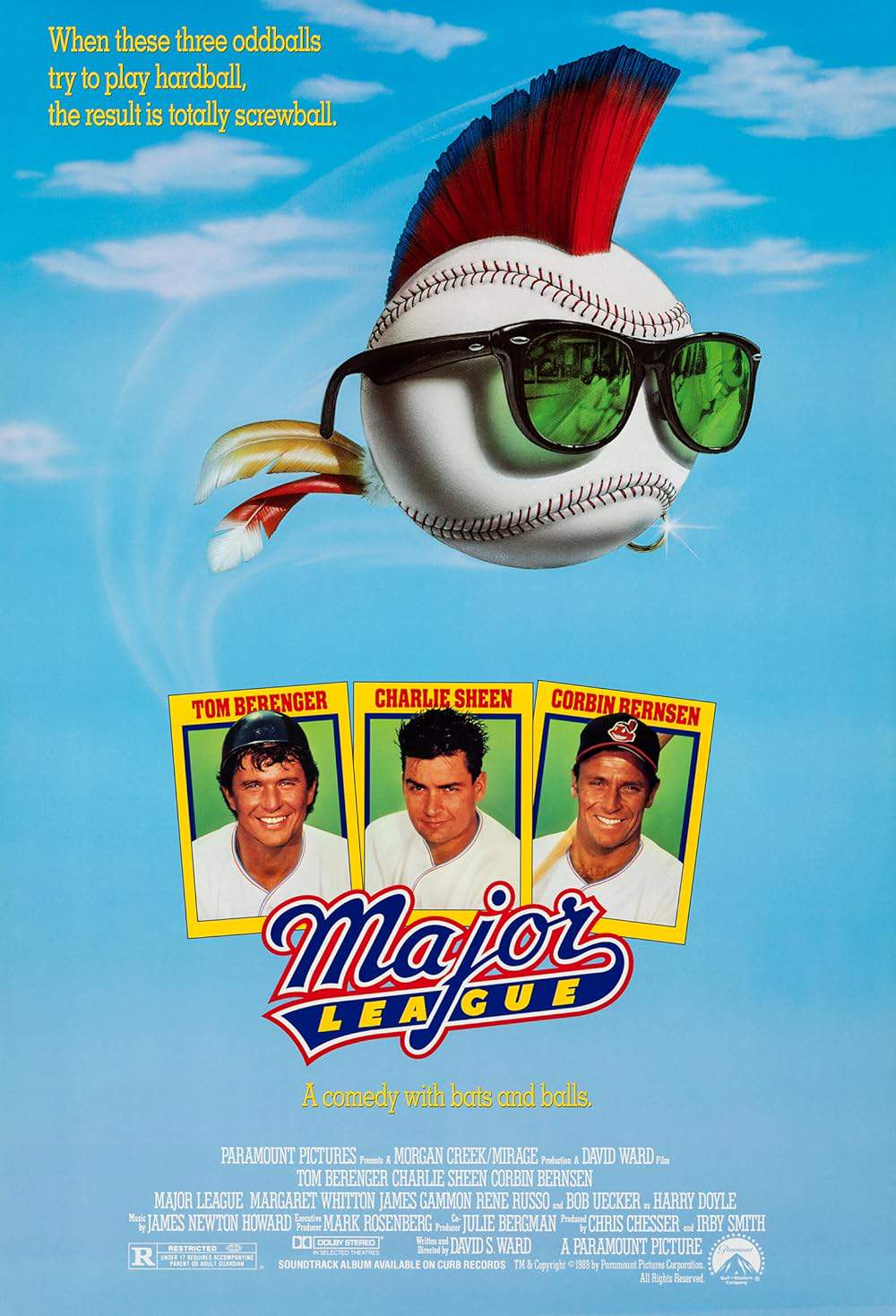
What Is Major League II About?
The premise of Major League II in 327 words, with nothing given away. The full story follows below.
The Cleveland Indians step onto a new season with a swagger that borders on bravado, determined to turn last year’s playoff disappointment into a shot at the World Series. The club has been stitched back together like a dream team, each player carrying a fresh buzz of confidence and a lingering sense that something big is on the horizon. The film radiates a high‑octane, rib‑tickling sports vibe, mixing fast‑ball jokes with the earnest undercurrent of a squad that refuses to be written off.
At the heart of the clubhouse, Rick “Wild Thing” Vaughn basks in his newfound celebrity, his flaming fastball matched only by his flashy persona. Beside him, Pedro Cerrano has swapped superstition for a calm, Buddhist outlook, channeling his power in a surprisingly Zen fashion. Willie Mays Hayes—once the embodiment of raw speed—now toys with the allure of a power‑hitting fantasy, while aging catcher Jake Taylor serves as the team’s moral compass, holding together a roster that teeters between ego and camaraderie. Their interactions crackle with humor and tension, each player’s brilliance threatening to outshine the next.
Hovering over the diamond is the scheming ownership battle that fuels the narrative’s conflict. Rachel Phelps returns, determined to undermine the Indians from the top, her sharp business mind and relentless ambition casting a long shadow. Enter the newly minted owner Roger Dorn, a former star with grandiose plans, who drops a high‑profile catcher—Jack Parkman—into the mix, a man whose confidence borders on arrogance. Adding an international flair, Isuro Tanaka, a fierce Japanese left‑fielder, brings a fresh, combative edge to the lineup, further shaking the delicate equilibrium.
All of these forces collide in a world where media glare, personal quirks, and corporate scheming intersect with the pure love of the game. The tone stays light‑hearted yet gritty, inviting the audience to root for a group of misfit athletes who must balance larger‑than‑life personalities with a shared, stubborn desire to prove themselves—and perhaps, just perhaps, claim baseball’s ultimate prize.
What Happens in Major League II?
The complete story of Major League II, from the first scene to the last, in 896 words (about 4 minutes). Spoilers throughout.
Spoilers ahead
After the Indians clinched the division title the year before, the mood around the team shifts from celebration to swagger, and old tensions begin to fester. Rick ‘Wild Thing’ Vaughn [Charlie Sheen] has become a dazzling media darling, but his focus on his image has left his pitching shoulder a bit out of sync. Meanwhile, Pedro Cerrano [Dennis Haysbert] leans into a surprising new philosophy as a devout Buddhist, trading his old fiery superstition for a calmer, almost carefree approach at the plate. Center fielder Willie Mays Hayes [Omar Epps], who once relied on speed and hustle, now chases a Hollywood-style persona after an on‑set injury lures him toward a power-hitting fantasy. Aging catcher and clubhouse veteran Jake Taylor [Tom Berenger] is sidelined by knee issues, yet remains the heartbeat of the team.
The ownership shake‑up sets the wheels in motion for dramatic change. Rachel Phelps [Margaret Whitton], who once tried to sabotage the Indians, now sells the team to Roger Dorn [Corbin Bernsen], a retired star who steps into the owner’s box with big ambitions. Dorn immediately signs a new star catcher, Jack Parkman [David Keith], whose immense ego complicates locker room harmony and pushes Jake Taylor back into competition for his old position. The camp also pitches in a surprise invite for minor‑league catcher Rube Baker [Eric Bruskotter], a player with a shaky back‑and‑forth toss to the pitcher, adding a layer of upstart tension. As spring winds down, Lou Brown [James Gammon] breaks the news that Taylor will remain on the field only as a coach, a decision that stings him and fuels the team’s early friction.
The season opens with friction and fireworks. Parkman’s swagger pails in the face of a suspension for his egotistical conduct, a punishment that is later dismissed as moot when he’s traded away to the Chicago White Sox. In steps Isuro Tanaka [Takaaki Ishibashi], a gifted — and combative — Japanese left fielder whose fearless style threatens to redefine the Indians’ rhythm. With Parkman out, Dorn’s last‑minute shuffle looks reckless, and Dorn’s gamble is watched closely by a wary Phelps as she contemplates a move that could relocate the franchise again. The team’s mood shifts from anxiety to a stubborn resolve as Taylor adjusts to a new role and the rest of the clubhouse navigates shifting loyalties.
Old wounds flare, then begin to heal, under new leadership. Dorn, facing pressure from a frustrated Phelps, reactivates himself as a player while he still tries to steer the club from the front office. Phelps’s lingering plan to relocate the team to Miami hangs over the season, and Lou Brown’s health crisis—an intense scare that culminates in a heart attack—pushes Jake Taylor into the manager’s chair, a position he never planned to occupy again. The Indians stumble through a brutal stretch, and when Rube Baker is hurt in a doubleheader against the Boston Red Sox, Hayes volunteers to run for him in the second game, only to be rebuked by Taylor. The on‑field scuffle that erupts turns into a teachable moment: Vaughn and Hayes clash, ignite a brawl, and get ejected, yet the captain of the team—Rube—reminds his teammates that fire and passion must fuel the effort, not just sensational headlines.
A breakthrough performance and the power of belief. In a dramatic turn, Hayes chooses to step in for the injured Rube and steals second, third, and home to knot the score, while Cerrano, now balancing his faith with his competitive edge, clocks a go‑ahead homer that reignites the Indians’ momentum. The team surges on a hot streak, riding a wave of belief that they can overcome the odds and reclaim their place at the top of the division.
The playoffs bring a brutal test of nerve and grit. In the American League Championship Series, the Indians face the White Sox and win the first three games, seemingly on the verge of a swift triumph. Phelps delivers a phony pep talk designed to rattle the Indians, a ploy that backfires as the Sox rally and win three straight to force a decisive seventh game in Cleveland. The night before the game, Jake confides in Vaughn that he might be called to pitch in relief, and Vaughn—still bright and outspoken—claims he will be ready, though Jake’s frustration surfaces in a tense exchange.
A climactic finish that tests trust and resolve. The White Sox seize an early lead again in Game 7, but Cerrano’s home run provides the spark that keeps the Indians in the hunt. The Indians’ defense and pitching buckle late, and for a moment it seems the dream might slip away. Then Jake turns to Vaughn in the bullpen, trusting him to close the door. Vaughn emerges with a fierce calm, walks Parkman to force the on‑deck hitter, and delivers a strikeout that seals the pennant for the Indians in the ninth, a moment that embodies the team’s journey from chaos to cohesion, from skepticism to unity, and from a season of doubt to a triumph built on resilience and belief.
The story stays true to the heart of the Indians’ arc: a group of players who grow from volatile personalities into a cohesive unit, learning to balance ego, faith, and a stubborn refusal to quit. The film threads humor, tension, and a hard‑fought championship into a portrait of a team that refuses to back down, no matter the odds.
Major League II Timeline: Every Key Event in Order
12 key events in the order they happen, from “Ownership change and new signings” to “Game 7 drama: Cerrano's heroics and Vaughn closes”. 12 events name a place, across 3 locations.
- 1
Ownership change and new signings
After the Indians' previous success, owner Rachel Phelps sells the team to Roger Dorn, who becomes the new owner and reshapes the roster. Dorn signs arrogant catcher Jack Parkman, igniting tension in the clubhouse. He also invites minor-league catcher Rube Baker to camp, signaling a broader shake-up as the season begins.
When:Off-season Where:Cleveland
- 2
Parkman clashes and Tanaka arrives
Parkman's ego creates friction within the clubhouse, making him a divisive figure and prompting at least one suspension. At the same time, Japanese import Isuro Kamikaze Tanaka arrives, a gifted left fielder who isn’t afraid of crashing into the fence. The combination signals a season of high expectations but rocky dynamics.
When:Early season Where:Cleveland
- 3
Parkman traded to White Sox and Tanaka joins the roster
Parkman is traded to the Chicago White Sox, ending a tumultuous chapter in the Indians' clubhouse. In exchange, Isuro Kamikaze Tanaka joins the team, adding a new dimension to the outfield. The roster changes aim to rebuild cohesion after the early chaos.
When:Early season Where:Cleveland
- 4
Dorn sells the team back to Phelps and returns as player
Out of options, Roger Dorn sells the Indians back to Rachel Phelps. She keeps Dorn on as general manager and even re-activates himself as a player, turning front-office decisions and on-field actions into a personal project. The ongoing relocation talks add a looming pressure over the season.
When:Pre-season to early season Where:Cleveland
- 5
Lou Brown's heart attack; Jake Taylor takes over
Frustration with the team's performance triggers a heart attack for manager Lou Brown, forcing a leadership change. Veteran catcher Jake Taylor steps in as manager, bringing steady presence and veteran wisdom to a team in flux. The shift sets a new tone for the clubhouse and its players.
When:Mid-season Where:Cleveland
- 6
Season opens slow and tensions mount
The Indians start the season slowly as roster moves and ego clashes weigh on team performance. The slow start compounds the sense that the team still hasn’t found its rhythm, despite promising individual players. The storyline follows a team on the edge of a breakthrough.
When:Early season Where:Cleveland
- 7
Rube Baker is hit and a team-wide brawl erupts
In a doubleheader against the Boston Red Sox, minor-league catcher Rube Baker is hit in the ankle by a pitch. Hayes is asked to run and declines, sparking a confrontation between Vaughn and Hayes and setting off a brawl that gets players ejected. The incident exposes the team’s simmering tensions and desire to play with heart.
When:Mid-season Where:Boston
- 8
Hayes volunteers to run; the rallying cry of the season
In the second game, Hayes volunteers to run for the injured Rube Baker. He stages a spectacular baserunning display, stealing second, third and home to tie the game. Cerrano follows with a game-winning home run, reigniting the team's belief and sparking a hot streak.
When:Mid-season Where:Cleveland
- 9
The hot streak secures another division title
Fueled by the late surge and Cerrano's revitalized competitiveness, the Indians ride a hot streak to win the division title for the second straight year. The renewed energy signals a new chapter after the earlier turmoil and sets them up for the postseason.
When:Late season Where:Cleveland
- 10
ALCS begins; Indians take an early lead
In the American League Championship Series, the Indians defeat the White Sox and win the first three games of the series, showcasing improved pitching and clutch hitting. The team rides momentum into the next games as they pursue the pennant. The early success heightens the city’s anticipation.
When:ALCS Games 1-3 Where:Chicago
- 11
Phelps's phony pep talk and a Sox rally
Rachel Phelps delivers a phony pep talk before Game 4, attempting to distract the Indians and throw them off their rhythm. The White Sox respond by winning Games 4 through 6, reasserting control of the series and forcing a decisive seventh game. The tension in the series peaks as both teams push toward the final clash.
When:ALCS Games 4-6 Where:Chicago
- 12
Game 7 drama: Cerrano's heroics and Vaughn closes
Game 7 lands in Cleveland, where Cerrano appears to have found a balance between faith and competitiveness, hitting a go-ahead home run late. The Indians still face danger as the Sox threaten in the ninth, prompting Jake Taylor to call on Rick Vaughn for the final out. Vaughn walks Parkman to load the bases but then strikes Parkman out to seal the pennant for Cleveland.
When:ALCS Game 7 Where:Cleveland
Who Are the Main Characters in Major League II?
9 characters, among them Rick Vaughn (Charlie Sheen), Jake Taylor (Tom Berenger) and Pedro Cerrano (Dennis Haysbert): who each one is and the part they play in the story. Every profile links to the actor’s page.
-
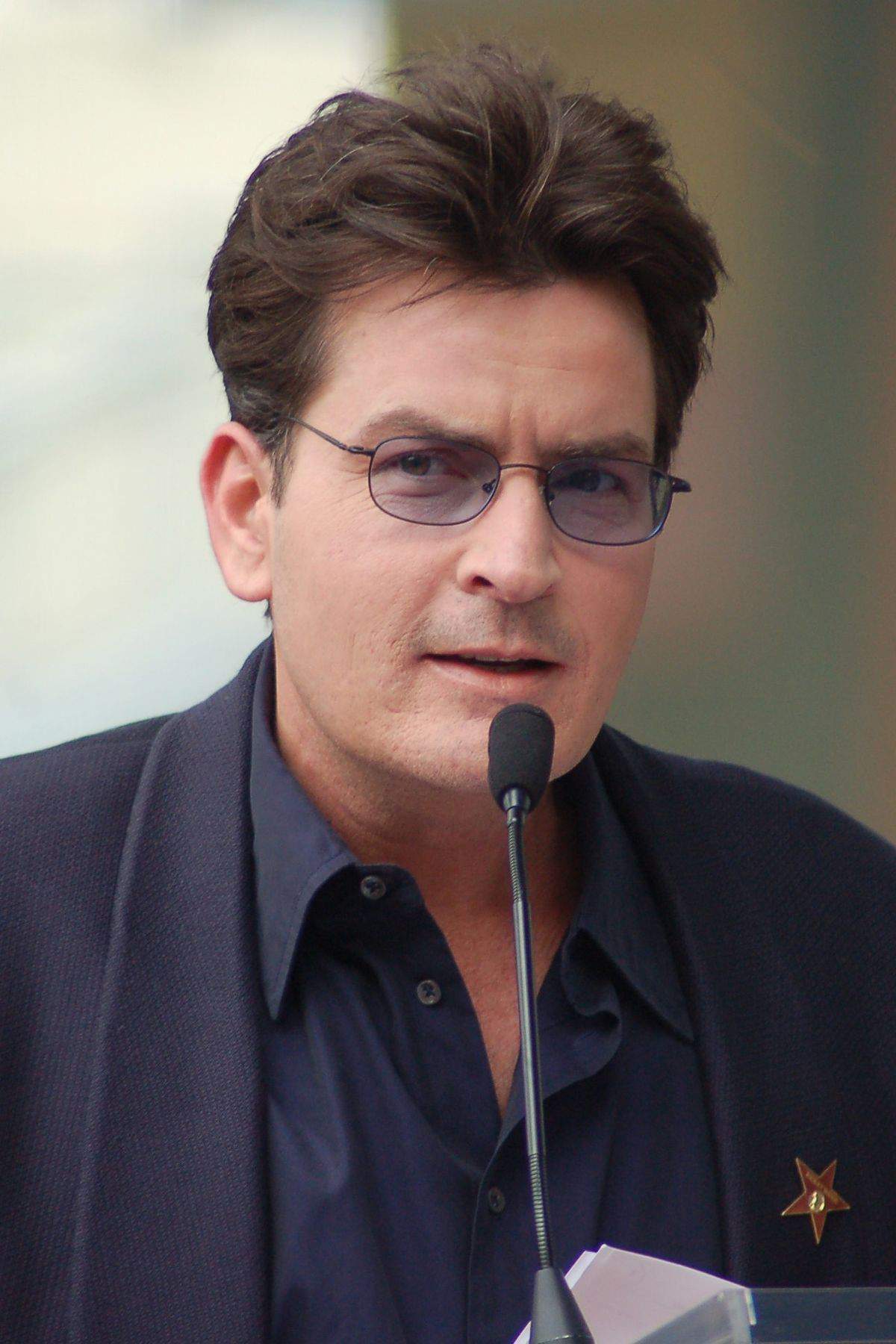
Rick Vaughn (Charlie Sheen)
Played by Charlie Sheen
Nicknamed 'Wild Thing,' Vaughn is a talented yet volatile pitcher whose public persona often eclipses his pitching. In Major League II, he becomes a media sensation and wields his image as readily as his fastball, sometimes losing sight of his craft. He must rediscover his edge and focus on the game to help the Indians in the pennant race.
- ⚾️ Pitcher
- 📺 Media Star
-
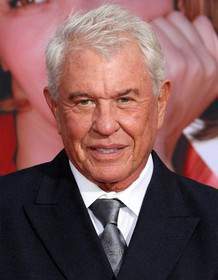
Jake Taylor (Tom Berenger)
Played by Tom Berenger
Aging catcher and team leader who is dealing with knee injuries. Manager Lou Brown informs him he will stay on as a coach rather than a player, signaling a shift in his role. He remains a steady, veteran presence guiding the team through a rough start.
- ⚾️ Catcher
- 🧭 Leader
-
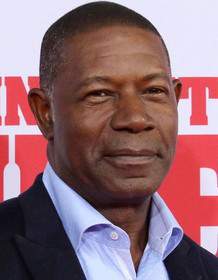
Pedro Cerrano (Dennis Haysbert)
Played by Dennis Haysbert
A powerful slugger who adopts Buddhism and a more carefree style. He finds a balance between his newfound faith and competitive drive, culminating in a late-game go-ahead home run that energizes the team.
- ⚾️ Slugger
- 🧘♂️ Faith
-

Willie Mays Hayes (Omar Epps)
Played by Omar Epps
The center fielder who has become a Hollywood actor and believes himself a power hitter after an injury. His swagger and altered self-image add humor and tension as the team battles through slumps and rivalries.
- ⚾️ Center Fielder
- 🎬 Celebrity
- RP
Rachel Phelps (Margaret Whitton)
Played by Margaret Whitton
The team’s owner who previously attempted to sabotage them and who eventually sells the club to Roger Dorn. She remains a driving force behind the team’s relocation plot to Miami, while Dorn stays on as GM and tries to navigate the new era.
- 🏢 Owner
- 💼 Business
-
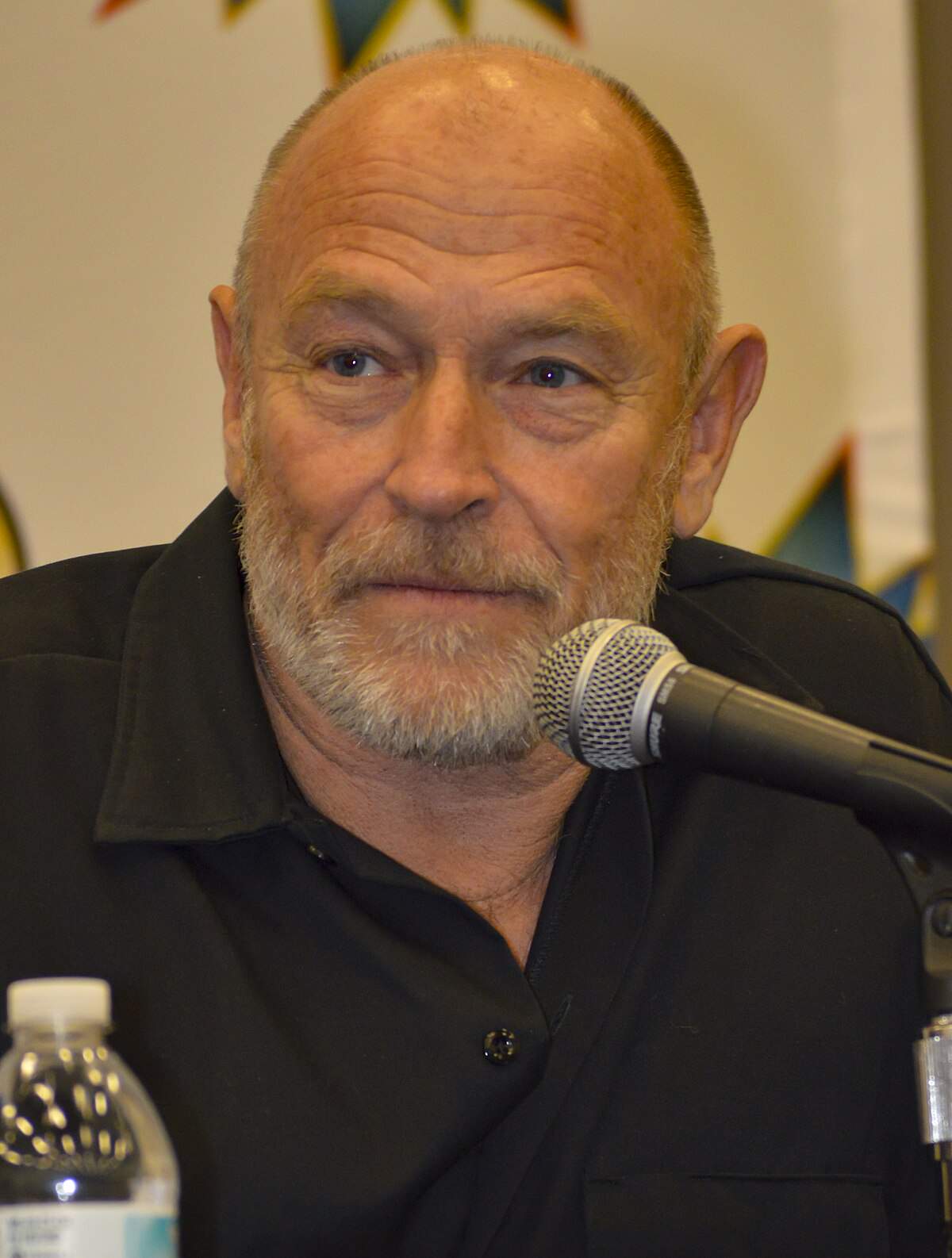
Jack Parkman (Corbin Bernsen)
Played by Corbin Bernsen
An arrogant all-star catcher who becomes a divisive presence in the clubhouse. His ego leads to suspensions and a high-profile trade away from the Indians, highlighting the friction between raw talent and team harmony.
- ⚾️ Catcher
- 🧨 Ego
- IT
Isuro Tanaka (Takaaki Ishibashi)
Played by Takaaki Ishibashi
A gifted Japanese import left fielder nicknamed 'Kamikaze Tanaka' for his aggressive style and fearless wall-crashing plays. His arrival adds a new dynamic to the outfield and the team's chemistry.
- ⚾️ Left Fielder
- 🌏 Import
- LB
Lou Brown (James Gammon)
Played by James Gammon
The Indians’ manager who guides the team through a tumultuous season. His frustration culminates in a heart attack, paving the way for Jake Taylor to assume managerial duties and steady the club.
- 🧭 Manager
- 💪 Leader
- RB
Rube Baker (Eric Bruskotter)
Played by Eric Bruskotter
A minor-league catcher invited to camp despite limited ability to throw back to the pitcher. He embodies the show's underdog spirit and the willingness of the organization to give chances to overlooked players.
- ⚾️ Catcher
- 🌟 Underdog
Where and When Is Major League II Set?
Major League II is set in Cleveland, Ohio, Chicago, Illinois, Boston, Massachusetts, Miami, Florida (early 1990s). Here is why the time and place matter to the story.
When
early 1990s
The events unfold during the early 1990s MLB season, a period marked by colorful personalities and heightened media attention. The film captures the era’s televised games and larger-than-life personalities that define baseball culture of the time.
Where
Cleveland, Ohio, Chicago, Illinois, Boston, Massachusetts, Miami, Florida
Primarily anchored around Cleveland, the Indians’ home base, the story also features pivotal moments in Chicago during the pennant race. The plot tracks away games against the Boston Red Sox and the looming relocation subplot toward Miami. The settings reflect a midwestern-to-big-city baseball world with strong regional identities.
- ⚾️ Baseball
- 🏙️ City settings
What Are the Themes of Major League II?
3 ideas the story keeps returning to, among them Team Unity, Ego vs Discipline and Faith and Balance.
-
01
Team Unity
Despite personal egos and off-field distractions, the Indians learn to rally around a common goal. Leadership from Lou Brown and a rekindled edge in Vaughn help spark a late-season surge. The story emphasizes that collective effort can overcome individual flaws, culminating in a pennant-contending effort.
-
02
Ego vs Discipline
Vaughn’s public image obsession and Parkman’s egotism threaten team cohesion. The narrative shows how pride can derail performance unless disciplined by accountability and focus on the game. Real growth comes when players put aside vanity to perform when it counts.
-
03
Faith and Balance
Pedro Cerrano’s Buddhist conversion introduces a spiritual layer to the locker room. He learns to balance inner calm with competitive fire, influencing late-game decisions and clutch performances. The theme suggests harmony between belief and drive can coexist with athletic ambition.
What Kind of Film Is Major League II?
Hopeful in tone, with steady pacing and a straightforward story, going by the plot summary.
- Tone
- Hopeful
- Pacing
- Steady
- Story
- Straightforward
- Intensity
- Medium
- Ending
- Happy
A fast-paced and humorous sports comedy that balances character-driven conflict with an uplifting underdog spirit, celebrating teamwork and resilience on the path to a hard-fought victory.
- energetic
- comedic
- competitive
- hustling
- character-driven
- underdog spirit
- sports team
- comeback story
- teamwork
- personal growth
Quiz
How well do you remember Major League II? Test yourself on the story.