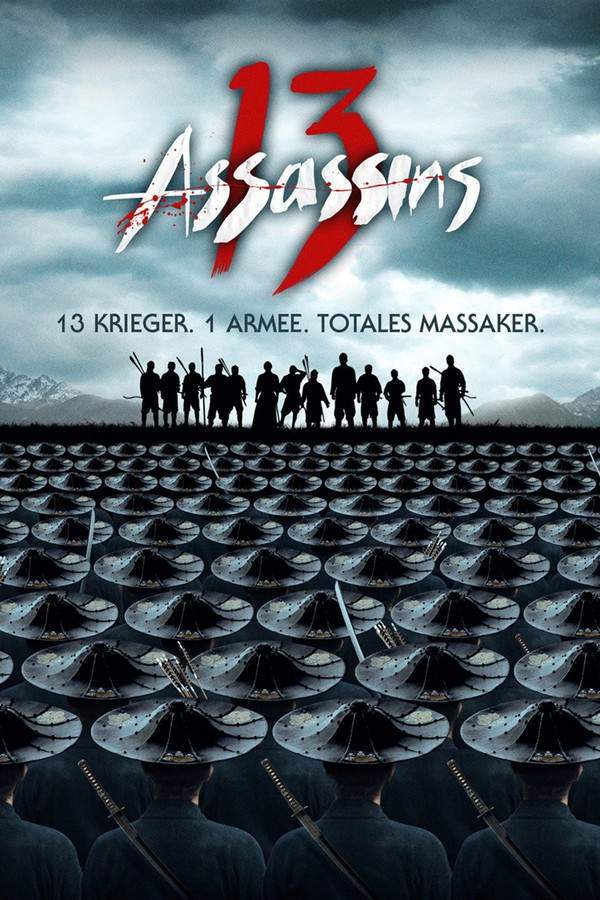
What Is Eleven Samurai About?
The premise of Eleven Samurai in 299 words, with nothing given away. The full story follows below.
In the waning days of the Tokugawa shogunate, a quiet fief on the edge of the countryside is thrust into turmoil when the lord of Oshi is slain during a careless intrusion by a powerful neighbor. The incident quickly becomes a political lever, and the shogunate’s council decides that the entire clan should be erased, their lands reassigned to a member of the ruling family. Against this backdrop of looming dissolution, the film opens with a stark, monochrome portrait of a society where honor and obedience are measured against the relentless machinery of power.
Amid the edict, a small band of samurai refuses to surrender their conscience. Hayato steps forward as the reluctant leader, driven by a deep‑seated loyalty to his fallen lord and a personal code that does not bend easily. By his side stands Tatewaki, the seasoned chief retainer whose own sense of duty pushes him toward an uncompromising stance, while the wandering swordsman Daijuro joins the cause, bringing the perspective of a man who has long watched the exploitation of the powerless. Even the bureaucratic architect of the decree, Mizumo, looms in the background, embodying the cold pragmatism that threatens to silence dissent. Together these eleven warriors navigate a fragile alliance, weighing the weight of tradition against the harsh reality of political expediency.
The film’s tone is austere and contemplative, its black‑and‑white imagery highlighting the stark moral contrasts that define the era. Every lingering shot captures the tension between rigid hierarchy and the quiet rebellion of those bound by a code older than the very state that seeks to crush them. As the samurai prepare to act on their oath, the story invites the audience to linger on questions of justice, sacrifice, and what it truly means to defend an honor that may already be condemned.
What Happens in Eleven Samurai?
The complete story of Eleven Samurai, from the first scene to the last, in 966 words (about 4 minutes). Spoilers throughout. Names in the text link to 3 cast member pages.
Spoilers ahead
This black-and-white drama unfolds in November 1839, toward the end of Japan’s Tokugawa shogunate, and centers on a volatile clash between duty, loyalty, and the brutal logic of vendetta. The retired Shōgun’s youngest son, Lord Nariatsu, ventures into the neighboring Oshi fief while out on a hunt, unwinding from courtly life and the politics that surround it. When he is confronted by the clan lord Abe Masayori for killing one of his vassals, the confrontation quickly spirals into tragedy and rage, and Nariatsu strikes and kills Abe Masayori in a moment of pique. The act reverberates beyond a single encounter, because it is not treated as a straightforward crime but as a crisis that will shape the fate of the fief and all who claim fealty to it.
The aftermath sets the stage for a political drama that tests everyone’s sense of justice. The Oshi fief retainers petition the Shōgun’s Council of Elders for redress, seeking accountability for what they see as a grave wrong. Yet the machinery of power moves with calculated restraint. The Chief Secretary Mizumo, Kei Satô, rewrites the sequence of events in a way that casts Abe as the aggressor and Nariatsu as the defender. The aim, as presented by the officials, is to resolve the matter without scandal, to prevent embarrassment to the Shōgun’s Tokugawa clan, and to secure a political accommodation: the Oshi fief would be abolished at the end of the month, with the income from those lands redirected to Lord Nariatsu as compensation. It is a plan that preserves appearances while depriving a community of its voice, and it ignites a sense of injustice among those who believe in a more explicit measure of accountability.
Out of this sense of injustice steps a man of quiet constancy and fierce loyalty. Chief Retainer Tatewaki, a longtime ally and friend of Sengoku Hayato, seeks to avenge the wrong in the only way that seems meaningful to him—a vow to defend the honor of their lord, even if it requires violence. Hayato, Isao Natsuyagi, agrees to assemble a small, trusted band of loyal samurai and to pursue what they believe is a just answer to what has happened. They recruit ten Oshi fief samurai and set out to Edo, the heart of political power, where they are joined by Ido Daijuro, a wandering samurai with his own history of grievance against lords who misuse their power. Daijuro, Kō Nishimura, enters the story not merely as a killer seeking vengeance but as someone who understands the costs of a world where rulers can erase a community’s future with a single sentence.
The plan is precise but perilous: Hayato and his cohort intend to ambush Nariatsu and his sizable escort as he travels from the brothels of Edo toward the safety of his castle in the Tatebayashi fief. It is a sting designed to strike at the centre of power in a moment when the lord’s guard is most vulnerable. Yet as the plan moves forward, Hayato receives a countermanding order from Tatewaki. The order directs him not to kill Nariatsu because Mizumo’s rewriting of events has made it likely that the council will reverse the abolition decision. The tension between obedience and conscience becomes a crucible for the samurai code, and while some of the men hesitate, Hayato enforces the order as a matter of duty. The weight of that choice reverberates, because Daijuro later reveals that Hayato has more at stake than most in this case: his wife, Orie, has already committed jigai in anticipation of Nariatsu’s death and the shogunate’s wrath.
The unfolding drama intensifies when Tatewaki confronts Mizumo with the truth of the lie. Realizing he has been betrayed, Tatewaki rides to Hayato and commands him to kill Nariatsu; the act would be a direct response to an injustice, but it would also be a personal confession of defeat in the face of political manipulation. In a moment of decisive courage and costly honor, Tatewaki performs seppuku. With the order in place and the social calculus set, the small band of samurai presses forward toward the river crossing where Nariatsu travels with his bodyguards. What follows is a massive clash that pits a handful of determined followers against a much larger force.
In the river crossing, Hayato’s group engages in a ferocious battle with fifty elite guards, a struggle that tests strategy, fear, and the limits of loyalty. Hayato himself emerges as the central figure, a man who fights not merely to kill a rival but to validate a vision of justice that refuses to be erased. He ultimately defeats Nariatsu, but the scene does not end with the lord’s fall alone; it leaves a trail of moral consequence. After the dust settles, only Hayato and Gyobu, the Chamberlain who has stood by the clan lord’s side, remain standing. Gyobu, Ryutaro Otomo, stands as a witness to the changes that power can impose on virtue and duty.
Then Daijuro arrives, having dispatched the last of Nariatsu’s guards, and acts with grim resolve: he cuts off Nariatsu’s head and walks away, completed in his vendetta and satisfied in his own sense of justice. The rumors that follow the fallen lord’s fate ripple through the Oshi fief, and in the end the fief is restored to the Abe clan, a political correction that appears to temper the violence with a final official statement. The council of elders announces that the retired Shōgun’s youngest son died of illness, a death framed as natural rather than as the consequence of a carefully plotted vendetta. In this way, the film circles back to the interplay of power, loyalty, and the fragile path between justice and vengeance, leaving viewers to weigh the costs of every vow that was ever sworn in the name of honor.
Eleven Samurai Timeline: Every Key Event in Order
15 key events in the order they happen, from “Nariatsu confronts Abe Masayori and kills him” to “Vendetta rumors spread; Oshi fief restored and official narrative issued”. 15 events name a place, across 11 locations.
- 1
Nariatsu confronts Abe Masayori and kills him
While hunting near the border of the Oshi fief, Lord Nariatsu is confronted by Clan Lord Abe Masayori after a vassal is killed. In a fit of pique, Nariatsu strikes and kills Abe Masayori, triggering a crisis of honor and a demand for justice. The incident immediately alters the balance of power between the Oshi and Abe factions.
When:November 1839 Where:Oshi fief outskirts
- 2
Mizumo rewrites the incident to protect the Shogun's honor
Mizumo, the Chief Secretary, takes control of the narrative and blames Abe Masayori for the incident. His rewrite hides Nariatsu’s provocation and aims to protect the Shogun’s prestige. The political move escalates the drive to punish the Oshi fief regardless of the truth.
When:shortly after the murder Where:Edo, Council of Elders
- 3
Oshi fief is abolished; compensation arranged
The council decrees that the Oshi fief be abolished by the month’s end. To quell the anger, the income from the lands is assigned to Lord Nariatsu as compensation. The measure is designed to spare the Shogunate public embarrassment despite the underlying injustice.
When:end of November 1839 Where:Edo
- 4
Tatewaki seeks vengeance and calls on Hayato
Angered by the miscarriage of justice, Chief Retainer Tatewaki seeks aid from his childhood friend Sengoku Hayato and asks him to avenge their lord's murder. Hayato agrees to assemble a small band of loyal samurai to pursue the vendetta. The decision marks the start of a dangerous mission.
When:late November 1839 Where:Edo
- 5
Hayato forms a loyal band of 11 samurai
Hayato gathers ten Oshi fief samurai and forms a compact, loyal band that vows to trade their lives for justice. They commit to avenging their lord and persevere despite the odds. Daijuro, a wandering ronin, later joins to strengthen their cause.
When:shortly after recruitment Where:Oshi/Edo border
- 6
Daijuro the rōnin joins the group in Edo
Ido Daijuro joins the band in Edo after the others travel to pursue Nariatsu. The ronin brings a personal motive tied to his family’s tragedy and readiness for lethal vengeance. His addition strengthens the group for the deadly path ahead.
When:on the journey to Edo Where:Edo
- 7
Ambush plan laid as Nariatsu travels from Edo
The eleven samurai plan to ambush Nariatsu as he travels from Edo’s brothels toward the safety of his Tatebayashi castle, using the element of surprise against his escort. The ambush location is chosen along the river route to the fief. The episode tests their discipline and loyalty of all eleven samurai.
When:before the ambush Where:Edo to Tatebayashi route
- 8
A letter halts the planned killing
Just before the ambush, Hayato receives a letter from Tatewaki ordering him not to kill Nariatsu, citing a likely reversal of the abolition decision. Mizumo’s lies have created a fragile political trap, and some samurai hesitate while others obey. Hayato enforces obedience as his code dictates, suppressing doubt for the mission.
When:before ambush Where:on the road toward Edo
- 9
Daijuro discloses Hayato's motive and Orie's jigai
Daijuro reveals that Hayato has more reason to disobey than the others because his wife Orie has already committed jigai in anticipation of Nariatsu’s death. The revelation complicates the band’s resolve and deepens the moral stakes. Still, the group remains committed to fulfilling their oath under current orders.
When:before ambush Where:on the road
- 10
Mizumo's lie uncovered; Tatewaki orders the killing
Tatewaki learns that Mizumo lied about the intention to spare the Oshi fief and rides to Hayato demanding Nariatsu’s death. The revelation triggers his decision to push forward, even while he recognizes the manipulation. Tatewaki’s escalation pushes the vendetta toward its violent climax.
When:before ambush Where:on the road / Edo
Show the other 5 events of Eleven Samurai Hide the last 5 events
- 11
Tatewaki commits seppuku
Overcome by shame and the deceit, Tatewaki commits seppuku to atone for his role in the scheme. His act removes a key obstacle to the vendetta and intensifies the samurai’s vow. The eleven avengers press toward vengeance with renewed resolve.
When:before ambush Where:Edo
- 12
The pursuit reaches the river crossing
The eleven samurai close in on Nariatsu and his escort at the river crossing to his fief, where rain slows the movement and heightens tension. The guards number around fifty, creating a formidable obstacle. The pursuit builds toward a decisive clash.
When:late November 1839 Where:river crossing near Tatebayashi fief
- 13
A great battle; Nariatsu is slain
A great battle erupts between Hayato’s group and Nariatsu’s bodyguards. Hayato delivers the fatal strike that kills Nariatsu, sealing his fate amid the chaos. Only Gyobu and Hayato survive the initial confrontation, their futures now shrouded in uncertainty.
When:late November 1839 Where:river crossing
- 14
Daijuro completes the vengeance and departs
Daijuro arrives and has already dispatched the last of Nariatsu’s bodyguards, cuts off Nariatsu’s head, and walks away content with the vengeance achieved. His actions seal the personal vengeance that looms over the rōnin’s path. The vendetta’s physical violence concludes, leaving the samurai to reckon with their status as masterless men.
When:immediately after the battle Where:river crossing
- 15
Vendetta rumors spread; Oshi fief restored and official narrative issued
Rumors of kataki-uchi spread, and the Oshi fief is restored to the Abe clan. The Council of Elders releases a statement that Nariatsu died of illness, masking the vendetta from public view. The political order is restored, even as the truth behind the tragedy remains a whispered matter.
When:after the battle; late November 1839 Where:Oshi fief / Edo
Who Are the Main Characters in Eleven Samurai?
7 characters, among them Sengoku Hayato (Isao Natsuyagi), Lord Nariatsu and Chamberlain Tatewaki: who each one is and the part they play in the story. Every profile links to the actor’s page.
- SH
Sengoku Hayato (Isao Natsuyagi)
Played by Isao Natsuyagi
A devoted samurai who assembles a small band to avenge their lord. He embodies disciplined leadership and a strong sense of duty, yet must navigate the tension between obedience to his superiors and his own sense of justice. His strategic mind keeps the group focused as they pursue vengeance and confront the manipulation of truth.
- ⚔️ Samurai
- 🛡️ Duty
- 🗝️ Legacy
- LN
Lord Nariatsu
Played by Kantarō Suga
The retired Shōgun’s youngest son whose murder sparks the vendetta that drives the story. He represents a powerful noble whose actions precipitate political reckoning and harsh sanctions on the Oshi fief.
- 👑 Nobility
- 🗺️ Politics
- 🗡️ Power
- CT
Chamberlain Tatewaki
Played by Kôji Nanbara
A childhood friend of Hayato and a chief retainer who orders caution and ultimately approves the plan to kill Nariatsu. His discovery of Mizumo’s deceit leads to seppuku, underscoring the fragility of trust within the ruling class.
- ⚖️ Honor
- 🗡️ Duty
- 🧭 Politics
- ES
Errant Samurai Daijuro
Played by Kō Nishimura
A rōnin with a thirst for vengeance who joins Hayato’s group. He plays a pivotal role in the execution of the vendetta and ultimately takes part in the final act of vengeance, symbolizing the ruthless side of samurai justice.
- 🗡️ Vendetta
- 🧭 Honor
- 👤 Rogue
- O
Orie
Played by Junko Miyazono
Daijuro’s wife who chooses jigai in anticipation of the coming bloodshed and the Shogun’s wrath, illustrating the fear and tragedy borne by those close to the main figures.
- 💔 Tragedy
- 🕊️ Honor
- 👩 Women
-
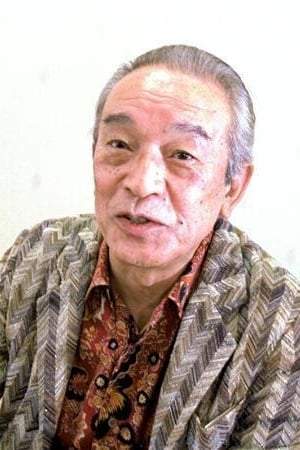
Secretary Mizumo
Played by Kei Satô
The chief secretary who rewrites the incident to spare the Shōgun’s image, exposing the corrupt manipulation of justice within the administration.
- 🎭 Deception
- 🗳️ Politics
- 🗂️ Bureaucracy
- CG
Chamberlain Gyobu
Played by Ryutaro Otomo
A high-ranking official who appears at the end as part of the political machinery surrounding the vendetta, symbolizing how power can justify violence and retribution.
- 🏛️ Power
- 🧭 Bureaucracy
- ⚔️ Violence
Where and When Is Eleven Samurai Set?
Eleven Samurai is set in Edo, Oshi fief and Tatebayashi fief (November 1839). Here is why the time and place matter to the story.
When
November 1839
Set in the late Edo period under the Tokugawa shogunate, the narrative unfolds with rigid codes of loyalty and duty. Political machinations and courtly deception shape outcomes as officials manipulate justice. The harsh social order amplifies the tragedy of vengeance and the fragility of honor.
Where
Edo, Oshi fief, Tatebayashi fief
The story unfolds across Edo (feudal Tokyo) and the neighboring fiefs of Oshi and Tatebayashi. It moves from the city’s crowded streets and brothels to the fortified domains where lords hold sway. The landscape underscores the clash between official power and personal vendetta in late Tokugawa Japan.
- 🏯 Feudal Japan
- 🗺️ Edo period
What Are the Themes of Eleven Samurai?
3 ideas the story keeps returning to, among them Justice, Vendetta and Duty vs Autonomy.
-
01
Justice
The film centers on how justice is weaponized by those in power. Mizumo’s rewritten account creates a fake perfect outcome to spare the Shogun’s image, exposing how truth can be bent to maintain public order. The tension between official justice and moral right drives the plot and characters’ choices.
-
02
Vendetta
Vengeance initiates the chain of actions: Hayato and his band vow to avenge their lord, Daijuro seeks personal vengeance, and the cycle continues as each man confronts the consequences of revenge. The pursuit of retribution shapes loyalties and sacrifices along the river crossing and beyond.
-
03
Duty vs Autonomy
Samurai code commands obedience even when orders feel wrong, yet personal morality pushes characters to disobey or redefine their aims. Tatewaki’s seppuku after discovering deception contrasts duty with integrity, highlighting the conflict between collective obligation and individual conscience.
What Kind of Film Is Eleven Samurai?
Dark in tone, with steady pacing and a moderate story, going by the plot summary.
- Tone
- Dark
- Pacing
- Steady
- Story
- Moderate
- Intensity
- High
- Ending
- Bittersweet
A grim and honorable samurai drama that builds with tense political intrigue into a ferocious, fatalistic clash of loyalty and justice, leaving a heavy and somber aftermath.
- honorable
- tense
- grim
- solemn
- driven
- fatalistic
- samurai code
- political corruption
- revenge
- loyalty
Content notes: graphic violence, suicide, political execution.
Quiz
How well do you remember Eleven Samurai? Test yourself on the story.