
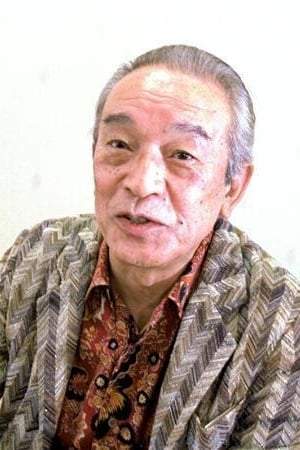
Kei Satô: Movies & Box Office
- films
- 80
- on screen
- 1959–2009
- box office
- $24.7M
- Born
- December 21, 1928
- Birthplace
- Aizuwakamatsu, Fukushima Prefecture, Japan
- Full name
- Keinosuke Satō
- Citizenship
- Japanese
- Occupations
- actor, narrator
- Years active
- 1952-2008
The Best Kei Satô Movies
The films of Kei Satô that made the most at the worldwide box office, biggest first: Kaiji: The Ultimate Gambler (2009) leads with $24.7M. The full ranking adds the most awarded films and the newest releases.
Kei Satô's Career in Numbers
Kei Satô's films in numbers — as an actor, not counting appearances as themselves: when they were made, the genres Kei Satô works in most and the milestones along the way. The filmography runs from The Human Condition II: Road to Eternity (1959) to Kaiji: The Ultimate Gambler (2009), and the 1960s were the busiest decade.
Kei Satô Movies by Decade
- 1950s 1
- 1960s 42
- 1970s 19
- 1980s 10
- 1990s 4
- 2000s 3
The 1960s were Kei Satô's busiest decade, with 42 films.
Kei Satô Movies by Genre
- Drama 41
- Action 13
- Crime 7
- Thriller 6
- Horror 3
- Fantasy 2
- History 2
- Comedy 1
- War 1
- Romance 1
Drama is the genre Kei Satô has worked in most, with 41 films, ahead of action (13).
Kei Satô Career Milestones
- First film
- The Human Condition II: Road to Eternity 1959
- Biggest box office hit
- Kaiji: The Ultimate Gambler $24.7M worldwide
- Newest film
- Kaiji: The Ultimate Gambler 2009
Kei Satô Filmography: Every Movie
Every film Kei Satô is credited on, newest first, with the role, the box office and the Movie Echo Score. Re-order the list to see the best-rated films or the biggest hits first.
Kei Satô Movies as an Actor
79- 2009
 Kaiji: The Ultimate Gambler as Kazutaka Okada · Thriller Worldwide box office: $24.7M
 - 2005
 The Whispering of the Gods as Father Togawa · Drama
 - 2004
 Prayer Beads as (segment "Echoes") · Horror
 - 1992
 Erotic Liaisons as Nemoto · Crime
 - 1992
 The Strange Tale of Oyuki as Detective · Drama
 - 1992
 Dioxin from Fish! as Genjiro · Comedy
 - 1990
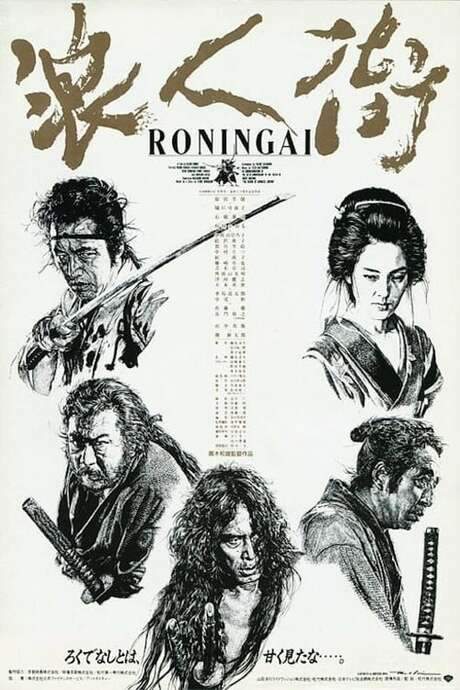 Ronin-gai as Iseya · Action
 - 1986
 Yakuza Ladies as Hitoshi Awazu · Drama
 - 1985
 Let Him Rest in Peace as Daishi Shimoyama · Drama
 - 1984
 The Return of Godzilla as Chief Editor Gondo · Thriller
 - 1984
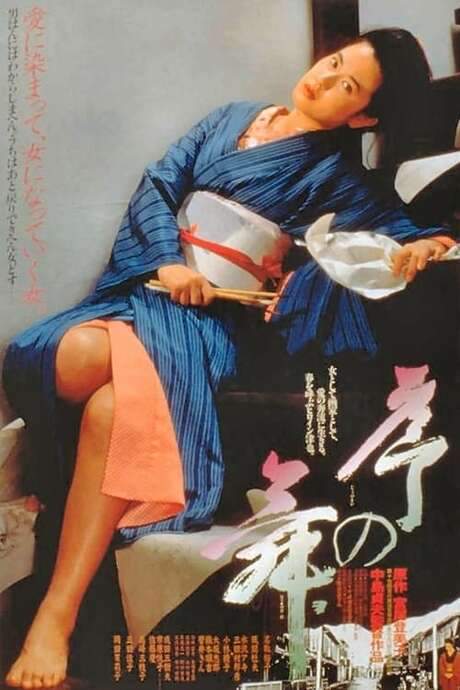 Appassionata Drama
 - 1983
 Choji Snack Bar as Yoshino · Drama
 - 1983
 The Mosquito on the Tenth Floor as Police Chief · Drama
 - 1983
 Tokyo Trial as Narrator · War
 - 1981
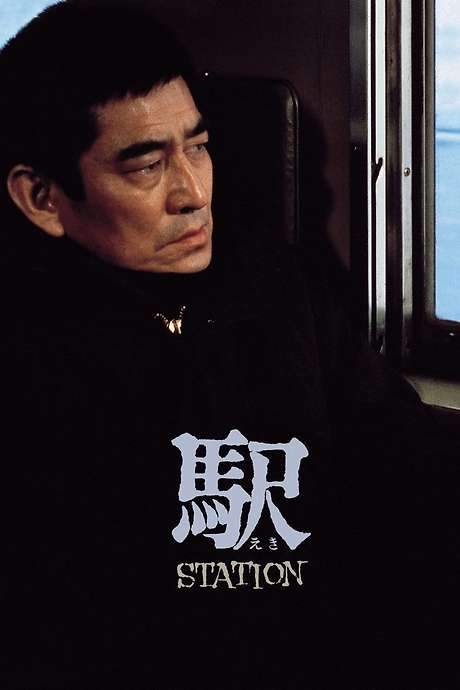 Station Romance
 - 1981
 Day Dream as Dentist · Drama
 - 1981
 The Imperial Navy Drama
 - 1979
 The Execution Game Action
 - 1979
 The Man Who Stole the Sun as Dr. Ichikawa · Action
 - 1979
 Super Gun Lady: Police Branch 82 as Gorô Onodera , Military Commentator · Action
 - 1979
 The Resurrection of the Golden Wolf as Shimizu · Action
 - 1978
 Empire of Passion as Orator · Drama
 - 1978
 Lost Love as Nogami · Drama
 - 1976
 Yakuza Graveyard as Teramitsu Abara · Drama
 - 1975
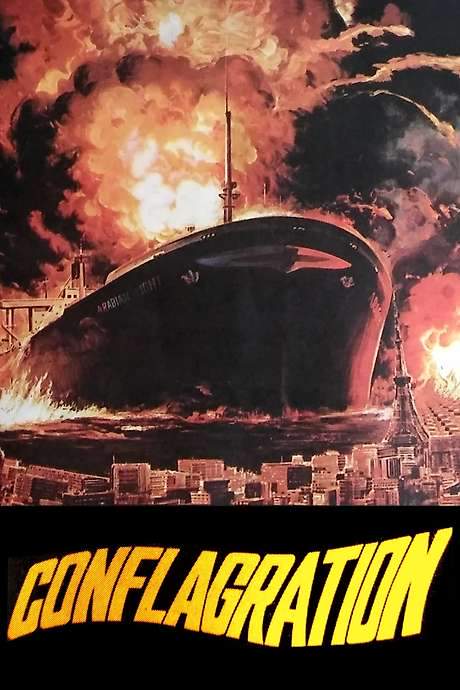 Conflagration as Director Fukami · Adventure
 - 1975
 Shimane Prison Riot as Prison Guard · Action
 - 1974
 My Way as Koide, Chief of Police · Drama
 - 1974
 The Tattooed Hitman as Yukio Yamaji · Drama
 - 1974
 Demon Spies Action
 - 1973
 Hanzo the Razor: The Snare as Shobei Hamajima · Drama
 - 1973
 Zatoichi’s Conspiracy as Magistrate · Drama
 - 1972
 Dear Summer Sister as Shinkô Kuniyoshi · Drama
 - 1971
 Inn of Evil as Yohei · Crime
 - 1971
 The Ceremony as Sakurada Kazuomi, Grandfather · Drama
 - 1970
 Evil Spirits of Japan as Murase / Ochiai · Crime
 - 1970
 Live Today, Die Tomorrow! Thriller
 - 1969
 The Curse of the Ghost as Iyemon · Horror
 - 1969
 Devil’s Temple as Priest · Drama
 - 1968
 Outlaw: Goro the Assassin Crime
 - 1968
 Hymn to a Tired Man as Takenori Suzuki · Drama
 - 1968
 Three Resurrected Drunkards as Y Chong - iru · Drama
 - 1968
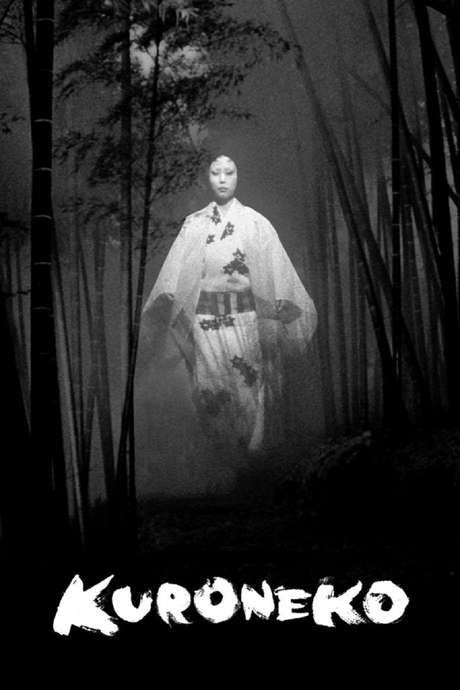 Kuroneko as Raiko · Drama
 - 1968
 Death by Hanging as Prison warden · Drama
 - 1967
 Eleven Samurai as Secretary Mizumo · Drama
 - 1967
 A Killer’s Key Thriller
 - 1967
 Japanese Summer: Double Suicide as Otoko · Drama
 - 1967
 Band of Ninja as Sakagami Shuzen · Animation
 - 1966
 Glorious Fights as Yuzo Gondo · Action
 - 1966
 Violence at Noon as Eisuke Oyamada · Drama
 - 1966
 Captive’s Island Thriller
 - 1966
 Zatoichi’s Vengeance as Boss Gonzo · Drama
 - 1966
 The Sword of Doom as Kamo Serizawa · Drama
 - 1966
 Irezumi as Hatamoto Serizawa · Thriller
 - 1965
 Sword Devil as Secretery Kanbe · Drama
 - 1965
 Pleasures of the Flesh as Police inspector · Drama
 - 1965
 Samurai Spy as Takanosuke Nojiri · Drama
 - 1964
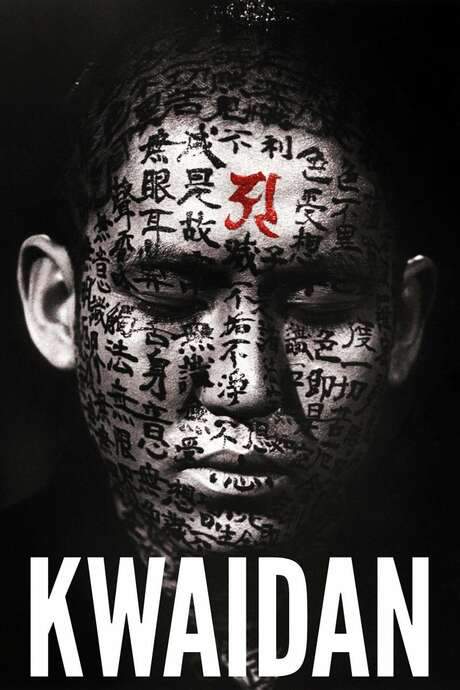 Kwaidan as Ghost Samurai (segment "In a Cup of Tea") · Fantasy
 - 1964
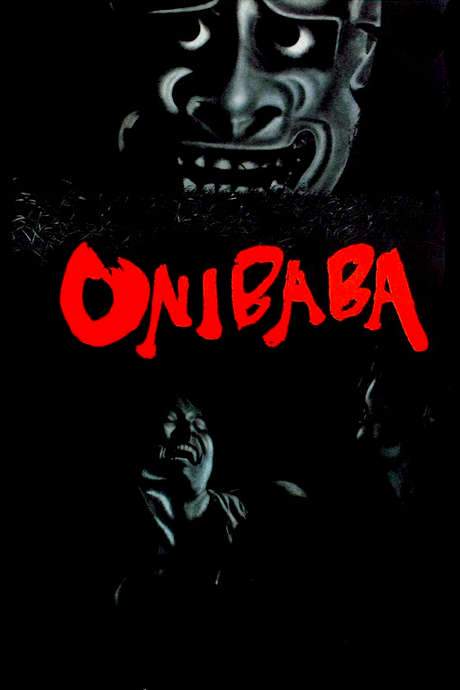 Onibaba as Hachi · Horror Worldwide box office: $689
 - 1964
 The Ninja Hunt Action
 - 1964
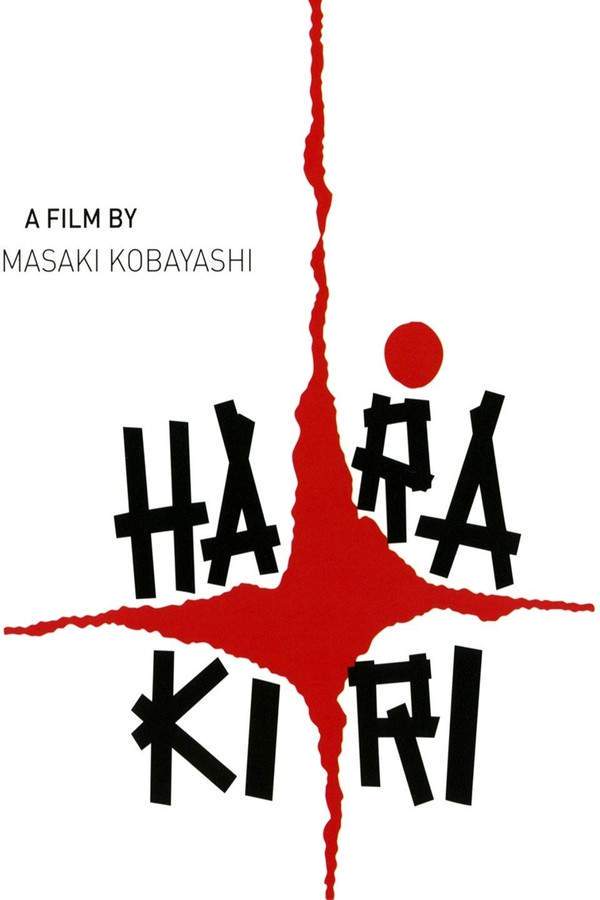 Harakiri Action
 - 1964
 A Story from Echigo Drama
 - 1964
 Miyamoto Musashi: The Duel at Ichijo Temple as Otaguro · Drama
 - 1963
 Sasuke and His Comedians Fantasy
 - 1963
 Duel of Blood and Sand as Katsumaki · Action
 - 1963
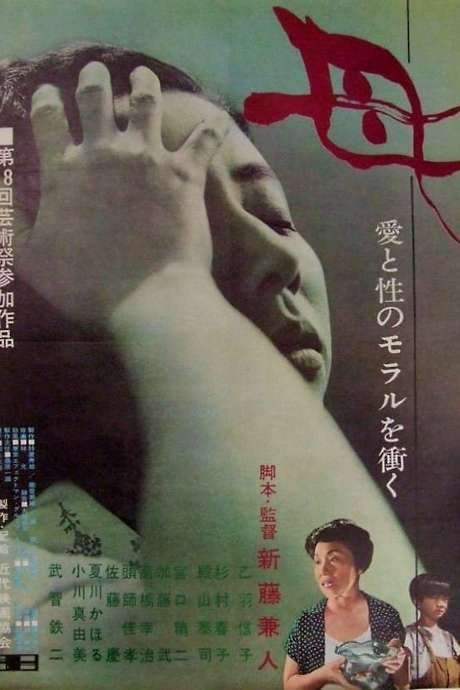 Mother as Dr. Koiguchi · Drama
 - 1963
 League of Gangsters as Takamoto · Action
 - 1963
 Bushido: The Cruel Code of the Samurai as Saburobei Konoe · Action
 - 1962
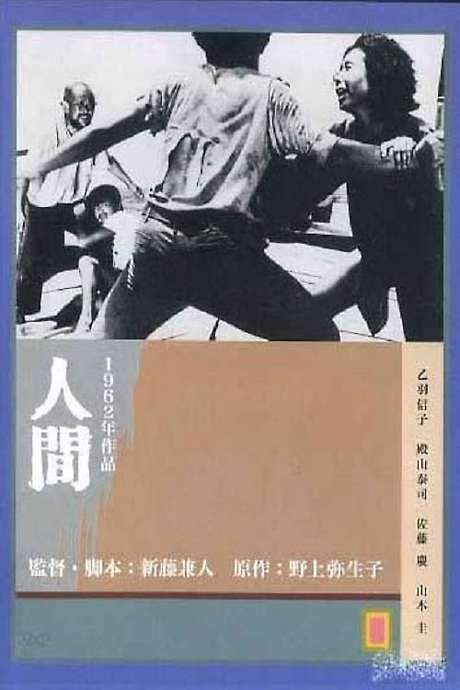 Human as Hachizo · Drama
 - 1962
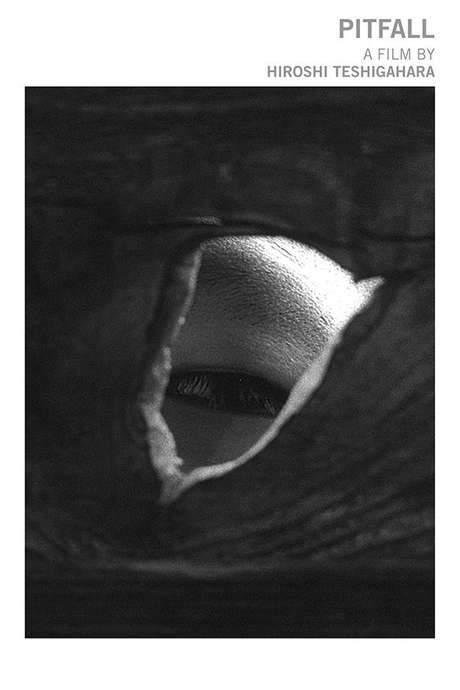 Pitfall as Reporter · Crime Worldwide box office: $30.1K
 - 1962
 Tokyo Bay as Takeyama · Drama
 - 1962
 The Christian Revolt History
 - 1962
 The Inheritance as Cop · Drama
 - 1961
 Epitaph to My Love as Shinji Tsuda · Drama
 - 1961
 Bitter End of a Sweet Night Drama
 - 1960
 Night and Fog in Japan as Sakamaki · Drama
 - 1960
 The Sun’s Burial as Sakaguchi, doctor · Crime
 - 1960
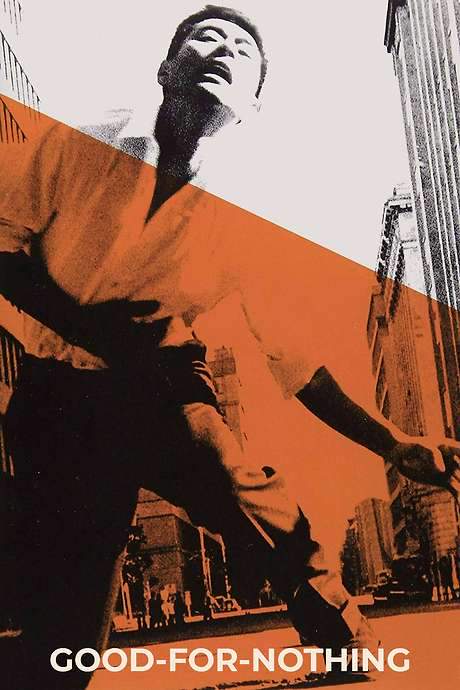 Good-for-Nothing Crime
 - 1960
 Cruel Story of Youth as Akira Matsuko · Drama Worldwide box office: $2.5K
 - 1959
 The Human Condition II: Road to Eternity as Shinjô Ittôhei · History
Kei Satô in Documentaries & Specials
1
Who Is Kei Satô?
Kei Satô was born in Aizuwakamatsu, Fukushima Prefecture, Japan in 1928. Credited on films since 1959, as an actor. The background, training and the roles that shaped the career.
Kei Satō (born Keinosuke Satō on 1928‑12‑21 in Aizuwakamatsu, Fukushima Prefecture) was a distinguished Japanese character actor and narrator whose career spanned over five decades, from his debut in 1952 until his retirement in 2008. He hailed from a lineage of former samurai of the Aizu Domain, a heritage that survived the Boshin War and later transitioned into a lacquerware wholesale trade, and his family connections included Kinuko, the aunt of Zensuke Shibukawa, a participant in the February 26 incident. After completing his studies in the dyeing and weaving department of Fukushima Prefectural Aizu Technical School, Satō initially worked in the family register section of Aizuwakamatsu City Hall, supporting himself by producing gariban hand‑written mimeographs—a craft he continued to cherish throughout his life. His early acting years were marked by modest roles, but a breakthrough arrived with his collaboration with New Wave director Nagisa Oshima, most notably in the epic series "The Human Condition", which cemented his reputation as a powerful screen presence. Satō also forged a lasting partnership with filmmaker Kaneto Shindo, appearing in haunting classics such as Onibaba and Kuronekо, where his nuanced performances added depth to the films’ stark atmospheres. In recognition of his talent, the esteemed Kinema Junpo awarded him Best Actor for both "The Ceremony" and "Nihon no akuryō", confirming his status among Japan’s elite performers. Beyond fictional cinema, Satō lent his resonant voice to numerous documentaries, narrating both television and film projects and becoming a trusted figure in the genre. A controversial moment in his career occurred in 1981 when he took part in the erotic film Daydream, delivering an unsimulated sex scene with actress Kyoko Aizome; the daring appearance sparked widespread media attention and drew unprecedented audiences to the theater. As he entered his eighth decade, Satō gradually reduced his workload due to declining health, ultimately succumbing to pneumonia on 2010‑05‑02 at a Tokyo hospital, aged 81. His legacy endures through a rich filmography that reflects a blend of artistic daring, cultural relevance, and a steadfast commitment to his craft.
Who Kei Satô Makes Movies With
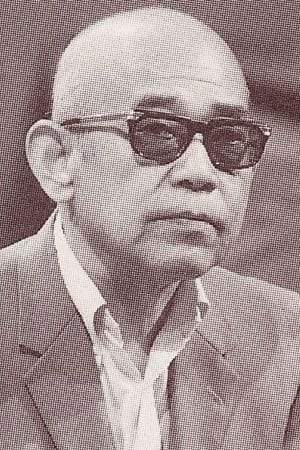
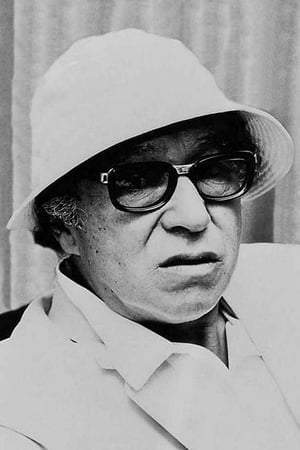
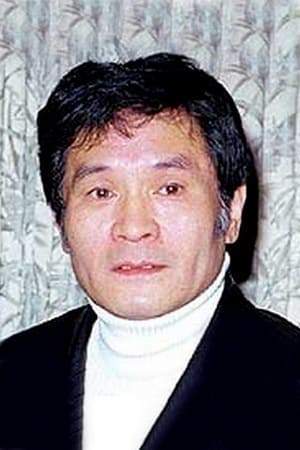
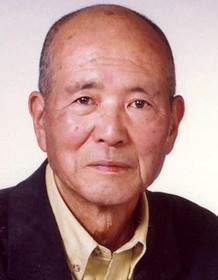
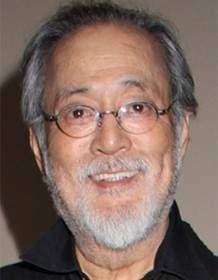
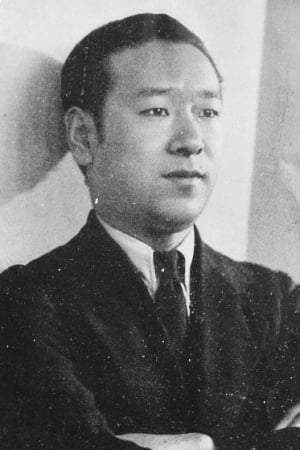
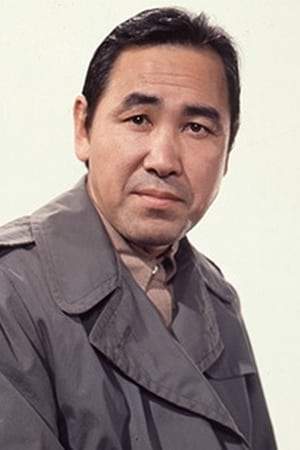
The actors and directors Kei Satô shares the most films with. Taiji Tonoyama comes first, with 16 films together, followed by Masaki Kobayashi (7).

Kei Satô: Questions & Answers
How many movies Kei Satô has made, the biggest hit, the best-rated film, the award record and more, answered from the filmography above.
How many movies has Kei Satô been in?
Kei Satô is credited on 80 films, from 1959 to 2009. The filmography on this page lists every one of them, newest first, with the role and the Movie Echo Score.
What is Kei Satô's highest-grossing movie?
Kaiji: The Ultimate Gambler (2009) is Kei Satô's biggest box office hit, with $24.7M worldwide, ahead of Pitfall (1962) ($30.1K). Across every film with box office figures, Kei Satô's movies have made $24.7M.
Kei Satô's biggest hits What is Kei Satô's newest movie?
The most recent film on Kei Satô's filmography is Kaiji: The Ultimate Gambler (2009), in the role of Kazutaka Okada.
Who does Kei Satô work with most often?
Kei Satô shares the most films with Taiji Tonoyama (16 films), Masaki Kobayashi (7 films) and Ichirô Nakatani (7 films).
The Best Kei Satô Movies, Ranked
Top rated, most awarded and biggest box office hits from 80 credits.
Coming soon to your phone
The Plot Explained Movie Summary App
From blockbusters to hidden gems: plot summaries, endings explained and timelines on your phone. Save your favorites and never miss a twist again.
Be the first to know when it launches. Your email stays private, always. Learn more about the app
