

What Is Three Outlaw Samurai About?
The premise of Three Outlaw Samurai in 287 words, with nothing given away. The full story follows below.
In the dusty villages of feudal Japan, the horizon is a blur of wind‑torn fields and the glint of steel. The film opens with a lone ronin, Shiba, drifting into a remote mill, his reputation whispered among the locals. The cinematography strikes a balance between sweeping landscape shots and tight, kinetic close‑ups of blades flashing in the sun, establishing a world where honor and desperation clash with every drawn sword. A steady, rhythmic score underscores the tension, hinting at the volatile dance between lawlessness and duty that will define the story.
Within the mill, a handful of desperate peasants have taken the magistrate’s daughter, Aya, as leverage to demand a reduction in the crushing taxes that threaten their survival. Their act is as much a cry for justice as it is a gamble, and the stakes are heightened by the presence of the magistrate’s own forces. Two members of that guard—renegade samurai Sakura and the conflicted warrior Kikyo—find themselves drawn to the peasants’ plight, their loyalties wavering under the weight of compassion and the harsh reality of the villagers’ suffering. Their arrival adds a volatile mix of skill and internal conflict, foreshadowing alliances that will be tested by the very code they once swore to uphold.
As the trio coalesces, the film settles into a rhythm of relentless swordplay and uneasy camaraderie. The three outlaws, bound by a shared sense of injustice, become a needle threading through a tapestry of oppression, each swing of their swords echoing a yearning for change. The tone remains gritty yet lyrical, the choreography of combat both beautiful and brutal, inviting the audience to wonder how far these unlikely allies will go when the line between hero and outlaw begins to blur.
What Happens in Three Outlaw Samurai?
The complete story of Three Outlaw Samurai, from the first scene to the last, in 472 words (about 2 minutes). Spoilers throughout. Names in the text link to 3 cast member pages.
Spoilers ahead
Sakon Shiba, Tetsuro Tamba, a wandering ronin, rides into a mill where three peasants—Yohachi, Gosaku, and Jinbei—have seized the magistrate’s daughter, Aya, as a bargaining chip. The magistrate’s soldiers ride to negotiate, offering clemency in exchange for Aya’s return, but the peasants refuse, insisting that the hostage will be freed only if the regional lord agrees to lower taxes for the starving villagers. A failed sneak attack by the soldiers leads nowhere, and the lord quickly assembles a new party, including his samurai Kikyo, Mikijiro Hira, and the vagabond samurai Kyôjûrô Sakura, Isamu Nagato, to break the stalemate.
When Shiba encounters the fresh entourage, he persuades Isamu Nagato to switch sides, drawn by his sympathy for the peasants’ plight. After a second rescue ends in disappointment, the magistrate escalates the crisis by hiring mercenaries and taking Gosaku’s daughter, Yasu, as a new hostage. Confronted with Yasu’s capture, the peasants and the mercenaries strike a grim pact: Aya will be freed and the peasants will be left unharmed, provided Shiba endures 100 blows as punishment. They all swear to honor the bargain.
Shiba is taken into custody and whipped, while Aya watches in horror and pleads for mercy on her father’s behalf. Yet the beating continues, and Shiba vows revenge on the magistrate for breaking the samurai code of honor. In retaliation, the magistrate orders the killings of Yohachi, Gosaku, and Jinbei, though Jinbei manages to cast a signed petition for the regional lord into a river before his murder.
Sakura slips into the magistrate’s house and tells a serving girl of the peasants’ killings. Alarmed by the magistrate’s treachery, she frees Shiba and is soon slain by a dungeon guard. Moved by Shiba’s integrity, Kikyo decides to abandon his current allegiance and joins the other outlaws at the mill, aided by Sakura’s earlier defection.
A crucial turn arrives when Sakura, visiting a love interest, Oine, learns she is being held at knifepoint by the magistrate’s men. He reveals the petition’s location—the mill—and is released in exchange for her freedom. Ouchi Genma, the land’s greatest swordsman, arrives with a large force to assault the mill once more; Shiba and Kikyo hold the line as Sakura arrives in the heat of the battle. Shiba defeats Ouchi and then races to persuade a wary group of peasants to deliver the petition to the lord, but they balk. Enraged, Shiba turns his fury toward the magistrate, only to be checked when Aya steps forward and begs for mercy, throwing herself between Shiba and her father. The magistrate tries to flee, but Shiba cuts off his hair bun and declares that the lord and the peasants must “see his disgrace.” With the magistrate exposed, Shiba returns to his companions, and the trio accepts an uncertain, open-ended destiny as they walk away in a direction chosen at random.
Three Outlaw Samurai Timeline: Every Key Event in Order
12 key events in the order they happen, from “Aya kidnapped at the mill” to “Final assault and public disgrace”. 12 events name a place, across 9 locations.
- 1
Aya kidnapped at the mill
Sakon Shiba arrives at a mill where three peasants have abducted Aya, the local magistrate's daughter. A dispatch of the magistrate's soldiers arrives and proposes clemency in exchange for Aya's return, but the peasants refuse. The soldiers' attempt at a sneak attack is rebuffed, and the lord assigns a new party to end the standoff.
Where:Mill
- 2
Shiba persuades Sakura to switch sides
In front of the mill, Shiba meets the new party and convinces the vagabond samurai Sakura to switch sides, revealing his sympathy for the peasants' plight. Sakura agrees to join with Shiba and the others against the magistrate's plan. The alliance shifts toward protecting the peasants and resisting the corrupt authority.
Where:In front of the mill
- 3
Mercenaries and a hostage are introduced
After the initial engagement, the magistrate assembles a new group of mercenaries to end the standoff and takes Gosaku's daughter Yasu as a hostage. The hostage raises the stakes and pressures both sides toward a desperate bargain. The new force prepares for a decisive confrontation.
Where:Magistrate's compound
- 4
The pact: Aya freed, peasants unharmed, Shiba punished
Confronted with Yasu's capture, the peasants and mercenaries reach an agreement: Aya will be freed and the peasants will be left unharmed, as long as Shiba accepts 100 blows. All parties swear on their honor to uphold the deal. The pact cements a fragile balance between mercy and punishment.
Where:Mill
- 5
Shiba whipped; Aya witnesses
Shiba is taken into custody and whipped for the 100 blows. Aya witnesses the brutal punishment and pleads with her father for mercy. The magistrate allows the beating to continue, and Shiba vows revenge for the violation of samurai honor.
Where:Magistrate's dungeon
- 6
Executions ordered; petition discarded
The magistrate orders the killings of Yohachi, Gosaku, and Jinbei. Jinbei throws his petition into a river just before his murder, signaling defiance and the importance of the petition as a symbol of resistance. The stage is set for further upheaval.
Where:River near the mill
- 7
Sakura liberates Shiba; is killed
Sakura sneaks into the magistrate's house and informs a servant of the peasants' murders. Shocked by the magistrate's treachery, she frees Shiba but is killed by a dungeon guard. Kikyo's later willingness to switch sides deepens the rift between loyalty and treachery.
Where:Magistrate's house and dungeon
- 8
Kikyo releases Shiba; joins the outlaws
Kikyo arrives and, moved by Shiba's integrity, frees him from the dungeon. She then joins the outlaws at the mill, signaling a decisive shift in loyalties. The trio of Shiba, Kikyo, and Sakura strengthens their cause against the magistrate.
Where:Dungeon, then mill
- 9
Aya hides Shiba; belief in the cause solidifies
Aya finds Shiba crawling through her house after his escape and hides him, now convinced of Shiba's and the peasants' virtue. Her act strengthens Shiba's resolve and deepens the peasants' moral stance. Trust between the characters grows as danger tightens.
Where:Aya's house
- 10
Petition found by the stream
While filling a bucket of water at a stream, Sakura stumbles upon the lost petition that could influence the regional lord. The find increases the stakes for the peasant cause and prompts the outlaws to press for delivery, despite increasing danger from the magistrate's forces.
Where:Stream
- 11
Elite samurai counter, Kikyo sways again
Elite samurai arrive to recover the petition and attack the mill. They wound Kikyo and kill his lover Omaki, prompting Kikyo to switch sides and join Shiba, Sakura, and Aya against the magistrate. The alliance tightens as loyalties blur under pressure.
Where:Mill
- 12
Final assault and public disgrace
Ouchi arrives with a large force and assaults the mill. Shiba defeats Ouchi and seeks to deliver the petition to the lord, but the peasants refuse to surrender it. Aya intervenes to stop Shiba from killing the magistrate, and Shiba publicly humiliates him by severing his topknot before the trio heads off in an uncertain direction.
Where:Mill
Who Are the Main Characters in Three Outlaw Samurai?
9 characters, among them Sakon Shiba (Tetsuro Tamba), Aya (Miyuki Kuwano) and Kyōjūrō Sakura (Isamu Nagato): who each one is and the part they play in the story. 8 of them link to the actor’s page.
- SS
Sakon Shiba (Tetsuro Tamba)
Played by Tetsuro Tamba
A wandering ronin who aligns with the peasants’ cause and challenges the magistrate’s authority. He persuades Sakura to switch sides, endures brutal punishment without breaking, and vows revenge when the samurai code is betrayed. His steadfast sense of duty anchors the conflict and drives the dramatic reversals.
- 🗡️ Honor
- 🧭 Morality
- 💪 Resolve
-
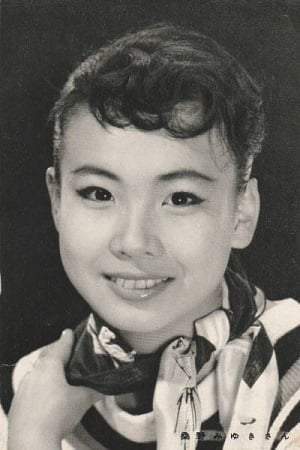
Aya (Miyuki Kuwano)
Played by Miyuki Kuwano
The magistrate’s daughter kidnapped by the peasants, whose fate becomes a focal point of the standoff. She witnesses Shiba’s punishment and grows to believe in his integrity and the peasants’ virtue. She ultimately hides Shiba, aligning with the outlaws in the name of mercy and justice.
- 🎭 Innocence
- 🛡️ Protector
- ❤️ Compassion
- KS
Kyōjūrō Sakura (Isamu Nagato)
Played by Isamu Nagato
A vagabond samurai who initially sides with the magistrate but later switches allegiances to support Shiba and the peasants. He plays a key role in the rescue efforts and acts driven by loyalty and honor, meeting a tragic end during the climactic confrontations.
- 🗡️ Duty
- 💔 Loyalty
- 🏹 Sacrifice
-
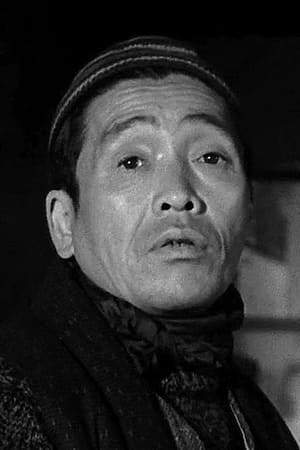
Jinbei (Kamatari Fujiwara)
Played by Kamatari Fujiwara
One of the peasants who becomes entangled in the escalating conflict. His fate is sealed by the magistrate’s orders to kill the peasant group, underscoring the brutal cost of rebellion against corrupt authority.
- 🌾 Peasant
- ⚔️ Warrior
- G(
Gosaku (Hisashi Imabashi)
Played by Hisashi Imabashi
A peasant leader and father of Yasu, whose family becomes a bargaining chip in the standoff. His death is ordered by the magistrate, highlighting the merciless nature of political expediency.
- 🌾 Peasant
- 🪪 Family
- O(
Oyasu (Yoshiko Kayama)
Played by Yoshiko Kayama
Gosaku’s daughter, kept as a hostage during the magistrate’s maneuvering. Her position as a pawn in the power struggle underscores the human cost of political games.
- 🎭 Innocence
- 🛡️ Protection
- O(
Omaki (Ko Mihara)
Played by ôko Mihara
Kikyo’s lover who becomes a casualty in the cascade of violence surrounding the mill siege. His death accentuates the personal losses that accompany the pursuit of justice and honor.
- 💔 Love
- ⚔️ Conflict
- OG
Ouchi Genma (Yoshir Aoki)
Played by Yoshirō Aoki
The premier swordsman leading a major assault to reclaim the mill and crush the outlaw alliance. He is a formidable foe whose defeat by Shiba marks a turning point in the battle between law and honor.
- 🗡️ Rivalry
- 🛡️ Elite Warrior
- Y
Yohachi
One of the peasants drawn into the conflict over tax relief and survival; his fate is tied to the broader struggle of the villagers against oppression.
- 🌾 Peasant
- 🕊️ Resolve
Where and When Is Three Outlaw Samurai Set?
Three Outlaw Samurai is set in Mill by the river, Magistrate's residence and Lord's estate (Edo period). Here is why the time and place matter to the story.
When
Edo period
The events take place in a feudal Japan setting characterized by rigid samurai codes and aristocratic authority. Tensions arise from tax burdens on peasants and the power of regional lords. The atmosphere reflects a transitional era where honor, loyalty, and survival intersect in a tightly governed society.
Where
Mill by the river, Magistrate's residence, Lord's estate
The story centers around a rural mill setting where the peasants confront the magistrate’s oppression. Key actions unfold in front of the mill, within the magistrate’s residence, and later near the lord’s estate, highlighting the clash between peasant hardship and ruling power. The environment is a stark backdrop of rustic landscapes, tense political maneuvering, and the looming presence of authority.
- 🏯 Feudal Japan
- 🏞️ Rural setting
- 🗣️ Feudal authority
What Are the Themes of Three Outlaw Samurai?
3 ideas the story keeps returning to, among them Honor, Class Struggle and Loyalty.
-
01
Honor
Sakon Shiba embodies the samurai code, even when it pits him against corrupt officials. The 100 blows punishment becomes a brutal test of personal honor and endurance. The narrative constantly weighs what true honor requires when those in power threaten mercy. Ultimately, honor drives choices that shape loyalties and fates.
-
02
Class Struggle
Peasants are portrayed as suffering under heavy taxes and famine, fueling resistance and desperate actions. The hostage exchanges become leverage in a larger fight for relief and dignity. The story critiques social inequity by showing how ordinary people bear the consequences of political games. The peasants’ plight is the engine that motivates the conflict and alliances.
-
03
Loyalty
Loyalty shifts among Shiba, Kikyo, and Sakura as they navigate treachery and evolving loyalties. Alliances form and dissolve based on perceived justice and personal bonds, not just duty. Acts of sacrifice—such as freeing captives or risking life for others—redefine who is considered an ally. The film explores how loyalty can be tested, redefined, and ultimately reaffirmed in crisis.
What Kind of Film Is Three Outlaw Samurai?
Tense in tone, with fast pacing and a straightforward story, going by the plot summary.
- Tone
- Tense
- Pacing
- Fast
- Story
- Straightforward
- Intensity
- High
- Ending
- Ambiguous
A fast-paced, harsh samurai film filled with tense battles, brutal betrayals, and a grim sense of justice, creating a morally complex and emotionally heavy viewing experience.
- harsh
- tense
- brutal
- grim
- honorable
- melancholic
- social justice
- betrayal
- samurai code
- peasant rebellion
Content notes: torture, hostage taking, execution, betrayal.
Quiz
How well do you remember Three Outlaw Samurai? Test yourself on the story.


