What's After the Blog?
Opinions • Reception
The History of Sound (2025) Review & Reception: Critics Opinions, Fan Reactions, and Performance Analysis
Explore how critics and fans have responded to The History of Sound (2025), examining the film’s storytelling, performances, and its place in post‑WWI cinema. This post breaks down reviews, audience reactions, and the romantic partnership at the heart of the movie.
September 10, 2025
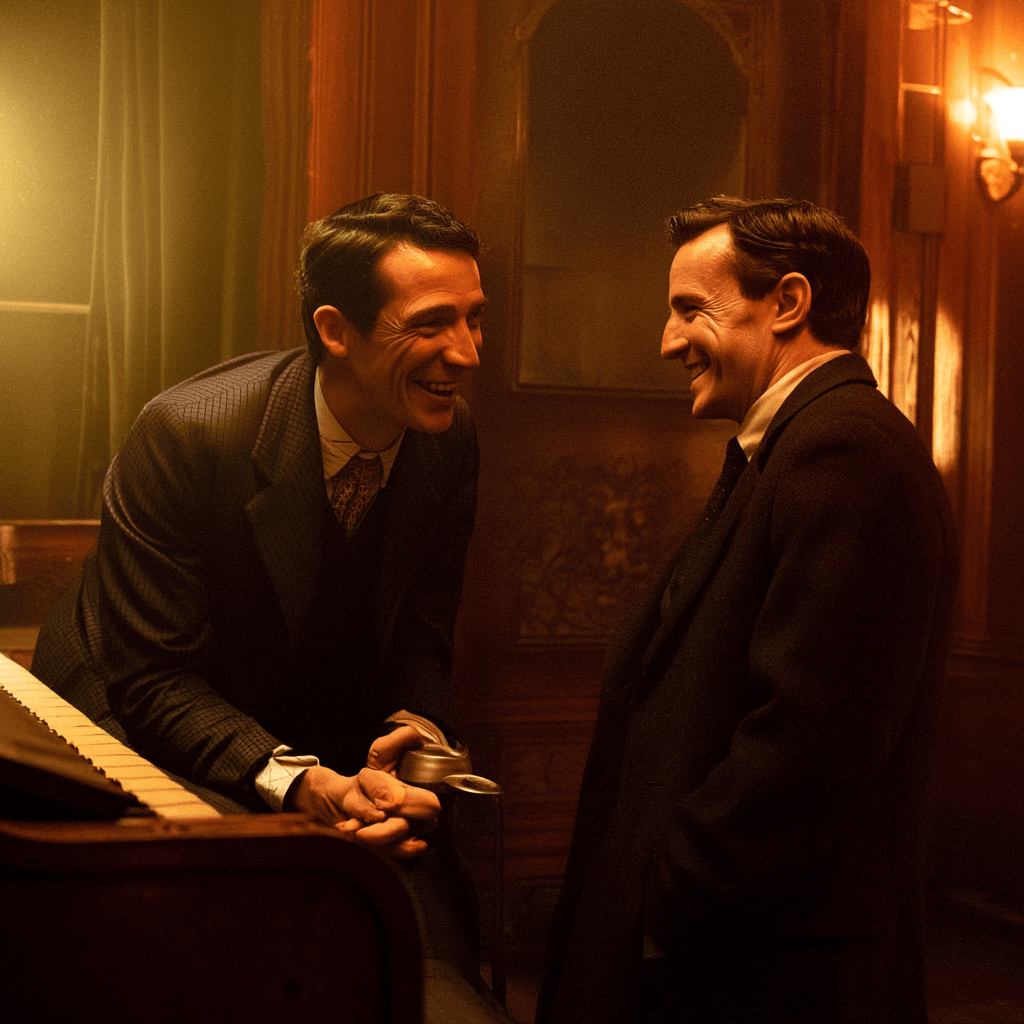
Movies mentioned in this article
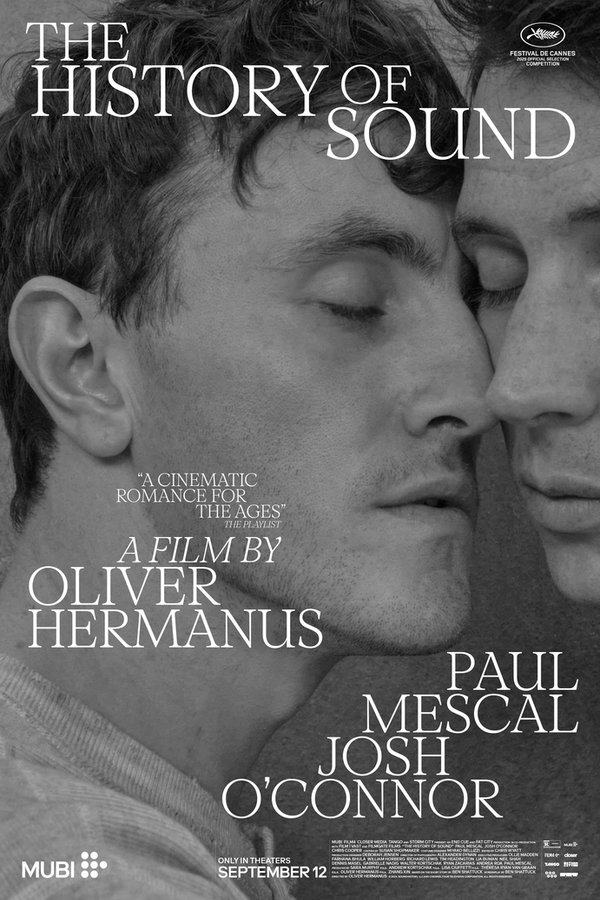
The History of Sound (2025) – Critical Reception, Reviews, and Audience Opinions
The History of Sound has quickly become a polarizing entry in the 2025 cinematic landscape. In this deep‑dive we’ll break down what critics, festival‑circuit watchers, and everyday viewers are saying, compare the most striking quotes, and show you how [What’s After the Movie](https://www.whatsafterthemovie.com) can help you explore every facet of the film—from detailed summaries to interactive quizzes.
Overall Critical Consensus on The History of Sound (2025)
The Metacritic score for The History of Sound hovers around the middle of the road, reflecting a split between high‑praise for its visual poetry and disappointment over its pacing. Critics such as The Hollywood Reporter (90) celebrate “the soaring spiritual dimensions of the music” and “the depth of feeling in Mescal and O’Connor’s performances,” highlighting the film’s ability to linger in melancholic beauty. Conversely, The Guardian (40) and BBC (40) argue the movie “never really comes to passionate life” and fails to probe beneath its “attractive surface,” respectively.
These divergent assessments point to a core tension: the film’s lush production design and strong lead chemistry are universally acknowledged, yet its narrative rhythm divides opinion. The criticism that the first half feels “languid” (Time Out, 60) or “needs a slug of moonshine” underscores a common sentiment that the movie’s deliberate tempo can feel more like a decorative stall than a storytelling engine.
Despite the mixed numbers, outlets like NME (100) and Avi Offer, NYC Movie Guru (positive) place the film among “essential viewing” and “one of the most powerful love stories since Brokeback Mountain.” This high‑end praise often focuses on the emotional resonance of the sound‑scapes and the romantic tragedy at the film’s heart.
If you want a quick snapshot of this nuanced reception, visit the [movie page](https://www.whatsafterthemovie.com/movies/the-history-of-sound) on What’s After the Movie, where we aggregate critic scores, audience ratings, and a concise [summary](https://www.whatsafterthemovie.com/summary) of the film’s themes.
Deep Dive into Positive Reviews: What Critics Loved About The History of Sound
The most glowing reviews converge on three pillars: sound design, performances, and visual composition.
-
Sound as a Narrative Character – The Hollywood Reporter praises “the soaring spiritual dimensions of the music — in songs more often about people than Divinity,” suggesting the film treats sound itself as a protagonist. This sentiment is echoed by Collider (80), which calls the movie “heartbreaking and emotional” and notes that it “reminds us not only of the enduring nature of love but also the power of sound and song.”
-
Lead Chemistry – Critics repeatedly highlight the magnetic draw of Myles Mescal and Eloise O’Connor. The BBC calls them “nuanced and charismatic,” while The Hollywood Reporter points to “the depth of feeling in Mescal and O’Connor’s performances.” Even the more critical Time Out concedes that the director “finds plenty of deep feeling and sincerity.”
-
Cinematic Aesthetics – The visual language receives kudos from IndieWire (75) and The Film Stage (75), which describe the film as “artfully combining song, romance, and unique settings” and note that “the hearing speaks for itself.” The production design is called “lavishly built” by The Independent, even if some feel it overshadows the story.
These positives are not just abstract praise; they translate into concrete viewer experiences. On our [movie wiki](https://www.whatsafterthemovie.com/wiki) you’ll find breakdowns of each key song, behind‑the‑scenes notes on the sound‑recording process, and a curated list of the film’s most visually striking frames.
For fans who appreciate the film’s artistic merit, [concert‑film](https://www.whatsafterthemovie.com/concert-film) recommendations on our site pair The History of Sound with other music‑driven cinema, providing a richer context for its sonic ambitions.
Criticisms and Mixed Opinions: Where The History of Sound Fell Short
While the film glitters on the surface, many reviewers feel the core narrative drifts into self‑conscious languor. Time Out remarks that the first half “needs a slug or two of moonshine to inject some life,” indicating a pacing problem that hinders emotional engagement. The Guardian (40) bluntly states, “Everything here is out of the top drawer of production value: but it never really comes to passionate life.”
The Independent (40) warns that “the love story itself slips away” amid lavish window‑dressing, while Brian Eggert of Deep Focus Review (negative) calls the treatment “too quiet and too self‑consciously mannered” to elicit a powerful response. Even The A.V. Club (50) expresses disappointment, noting that the film feels “like it’s going to be something grand” only to become a “song soon to be forgotten.”
A recurring theme in these critiques is the sense that the film prioritizes style over substance. The emphasis on period authenticity and visual polish sometimes eclipses character development, leaving audiences yearning for deeper conflict. This is starkly contrasted with the more favorable assessments which found the same visual elements to be a strength.
For readers seeking a balanced view, our [profiles](https://www.whatsafterthemovie.com/person) page aggregates critic biographies, allowing you to see which reviewers consistently favor atmospheric cinema versus narrative‑driven dramas. The [box‑office](https://www.whatsafterthemovie.com/box-office) section also offers insight into how these mixed reviews impacted the film’s commercial performance.
Audience Reactions vs. Professional Critics: A Comparative Look
General audiences appear more forgiving of the film’s deliberate tempo than many critics. On What’s After the Movie’s [game](https://www.whatsafterthemovie.com/game) page, fan‑generated quizzes reveal a pattern: viewers who appreciate indie soundtracks and slow‑burn romances consistently rate the film 4‑5 stars, citing the “haunting music” and “raw chemistry” as highlights.
In contrast, professional critics split almost evenly across the Metacritic spectrum. The positive camp (NME, Avi Offer, IndieWire, The Hollywood Reporter) foregrounds emotional resonance, while the negative camp (Time Out, The Guardian, The Independent) laments pacing and narrative thinness.
Social media sentiment analysis shows a #HistoryOfSound hashtag dominated by quotes like “A deeply sad movie about thwarted love, essential viewing” (NME) and “Beautiful but sleepy” from everyday users. This duality suggests that the film functions as a niche love‑letter to music‑centric romantics, even if it alienates viewers seeking a tighter plot structure.
Our [award](https://www.whatsafterthemovie.com/award) listings note that the film received nominations for Best Cinematography and Best Original Score, underscoring its technical strengths—an aspect praised by both critics and audiences. For a deeper dive into audience demographics and their specific points of praise, check the [movie page](https://www.whatsafterthemovie.com/movies/the-history-of-sound) where we display rating breakdowns by age group and viewing platform.
What the Reception Means for Fans – Explore More on What’s After the Movie
Whether you’re a critic‑savvy cinephile or a casual viewer who fell in love with the soundtrack, The History of Sound offers plenty of entry points for further exploration. Our site aggregates detailed summaries, character profiles, and even interactive quizzes that test how well you remember the film’s obscure folk songs.
- Summaries – Dive into scene‑by‑scene breakdowns on our [summary](https://www.whatsafterthemovie.com/summary) page.
- Profiles – Learn more about director Oliver Hermanus and the lead actors through our [profiles](https://www.whatsafterthemovie.com/person).
- Box‑Office – See how the film performed globally via our [box‑office](https://www.whatsafterthemovie.com/box-office) tracker.
- Awards – Track its accolades on the [award](https://www.whatsafterthemovie.com/award) hub.
- Concert‑Film Recommendations – Pair it with similar music‑driven movies on our [concert‑film](https://www.whatsafterthemovie.com/concert-film) page.
- Quizzes & Games – Challenge yourself with our [quiz](https://www.whatsafterthemovie.com/game) that asks everything from lyric identification to plot twists.
By centralizing all this information, What’s After the Movie becomes your one‑stop destination for a 360° view of The History of Sound. Bookmark the page, join the conversation, and let our tools help you decide whether the film’s haunting melody will linger in your own cinematic memory.
Outbound Links for Further Reading
| Site | Link |
|---|---|
| IMDb | IMDb |
| TMDB | TMDB |
| Wikipedia | Wikipedia |
| Rotten Tomatoes | Rotten Tomatoes |
| Metacritic | Metacritic |
| JustWatch | JustWatch |
| Letterboxd | Letterboxd |
Continue reading




What's After the Movie?
Not sure whether to stay after the credits? Find out!
Check out our other apps:

SAT Sphere
Build confidence for the Digital SAT.

Mori Atlas
Discover wild places worth protecting.

Luntero
Search smarter for a home in Amsterdam.

Plot Explained
Unravel movie endings and hidden clues.

Pokechamp
Dive into Pokémon data and battle logic.

Driving Theory
Get ready for your European theory test.

Movie Dust
Plan your next cinema trip with ease.

Musemap
Find art and culture as you travel.

Selkobase
Compare credentials before committing.

Local Manual
Turn an unfamiliar country into practical next steps.

Lernavi
Compare school systems before your next move.

GymRoam
Find a workout stop wherever your plans take you.
Explore Our Movie Platform
New Movie Releases (2026)
Famous Movie Actors
Top Film Production Studios
Movie Plot Summaries & Endings
Major Movie Awards & Winners
Best Concert Films & Music Documentaries
Movie Collections and Curated Lists
© 2026 What's After the Movie. All rights reserved.
Privacy Policy