What's After the Blog?
Opinions • Reception
Mother Mary (2026) Review: Critics’ Opinions, Audience Reception, and Fan Reactions to the Redemption Story
An in‑depth analysis of Mother Mary’s 2026 release, exploring critic reviews and fan reactions to Anne Hathaway’s comeback performance, the film’s storytelling, and its place within the broader franchise narrative.
April 22, 2026

Movies mentioned in this article
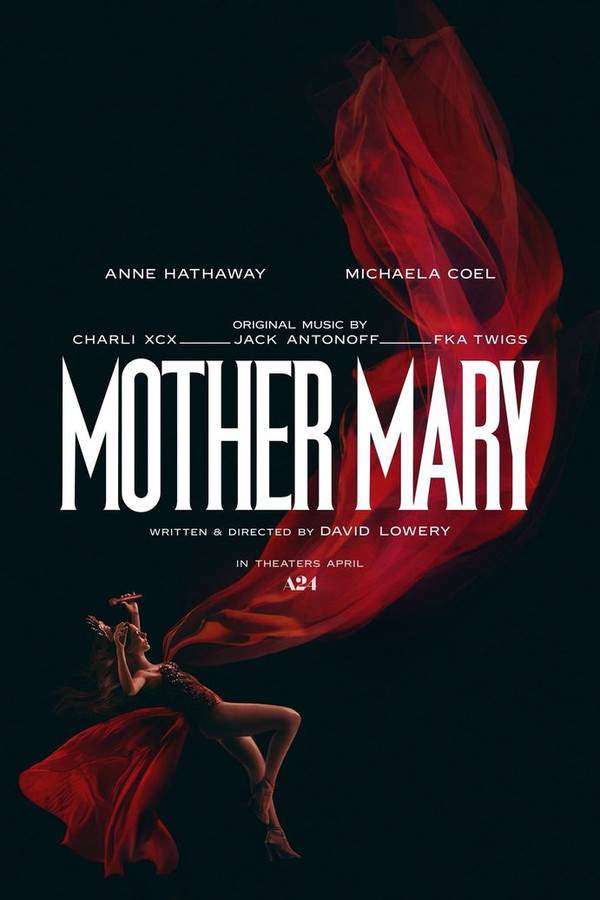
Mother Mary 2026 Review: Critic Consensus, Audience Reactions & Film Reception Analysis
When David Lowery’s Mother Mary (2026) premiered, it arrived not with the thunderous applause of a conventional blockbuster, but with the polarizing static that typically surrounds ambitious arthouse cinema. Starring Anne Hathaway as a global pop phenomenon and Michaela Coel as the fashion designer who enters her orbit, this stylized psychological drama has generated some of the most divisive film reception of the year. For audiences searching for a definitive answer to whether Mother Mary is worth watching, the landscape proves frustratingly complex—ranging from declarations of masterpiece status to reviews labeling it a “bore” and “garbage.” This is not a film that meets viewers halfway; instead, it demands surrender to its peculiar rhythm, its metaphysical ambiguities, and its ultimately polarizing narrative choices.
At What’s After the Movie, we specialize in cutting through the noise of film marketing to deliver genuine analysis of viewer reactions and critical consensus. Whether you’re seeking detailed movie summaries, comprehensive box office data, or in-depth award season coverage, our platform provides the context necessary to navigate complex cinematic experiences like Mother Mary. Before committing to this 2026 release, viewers deserve to understand exactly what they’re getting into: a visually arresting, emotionally distant, performance-driven meditation on fame, artistry, and identity that has left critics split down the middle and audiences either spellbound or asleep.
Critical Consensus and Polarized Reception: Why Critics Can’t Agree on Mother Mary 2026
The Mother Mary 2026 critic reviews reveal a startling bifurcation in critical opinion that mirrors the film’s own thematic concerns with duality and perception. On one end of the spectrum, outlets like The Film Stage lavished an 83/100 score, declaring that while Lowery sets the stage, it is Coel who delivers the film’s “grand entrance,” dominating the screen with an acidic, jilted performance that keeps “all our senses at attention.” This sentiment aligns with Next Best Picture’s 80/100 assessment, which praised Lowery’s “fervor of a fan” in exploring the plight of the modern pop star, interrogating questions of artistic ownership and the commodification of identity without providing easy answers.
However, this enthusiasm crashes against equally passionate detractors. The Hollywood Reporter delivered a scathing 30/100, finding the film “self-consciously cool but distancing and empty,” while The New York Times (40/100) suggested Lowery “doesn’t seem to know what to do with his stars” despite their considerable talents. The New Yorker echoed this dissatisfaction, noting that “the script’s blank spots and evasions leave the drama feeling unfulfilled and unsatisfying.” This divide suggests that Mother Mary functions as a Rorschach test for viewers’ patience with ambiguous, style-heavy cinema.
The middle ground offers perhaps the most telling analysis of the film reception. The Travers Take (60/100) acknowledged that Hathaway and Coel are “dynamite” but criticized the film’s “terminal case of grandiosity.” Similarly, Screen Rant (60/100) warned that while the film is “ripe for interpretation,” those wanting “actual answers will find frustratingly little satisfaction,” concluding that Mother Mary is ultimately “more about vibes and style than anything else.” Slate (50/100) captured this frustration precisely, admiring the “imagination and ambition” while admitting they “never entered wholeheartedly into its story,” specifically citing the “painfully literal ending” as a “risible disappointment.”
This critical fragmentation reveals that Mother Mary refuses to conform to traditional narrative satisfaction. The film asks whether a movie can succeed purely on sensory and performative merits when its storytelling remains deliberately obtuse. For viewers consulting What’s After the Movie to determine if this film matches their tastes, the data suggests a clear demographic: those who prioritize atmospheric immersion and acting prowess over plot coherence will find much to admire, while viewers seeking concrete thematic resolution should approach with caution. Check our detailed Mother Mary movie page for updated aggregated scores as more reviews accumulate.
Anne Hathaway and Michaela Coel: Acting Performances Analysis and Viewer Reactions
If there is any universal consensus surrounding Mother Mary 2026, it centers on the extraordinary caliber of its dual leads. Even critics who dismissed the film entirely acknowledged the hypnotic power of Anne Hathaway and Michaela Coel’s performances, creating a fascinating case study in how exceptional acting can elevate—or in some views, fail to salvage—challenging material. The Chicago Tribune (50/100) encapsulated this tension perfectly, noting that Coel is “one of our most hypnotic screen performers” and that Hathaway’s pop star performances are “so fantastic it leaves you wanting more — of her, but not necessarily this plodding movie.”
This sentiment reverberates throughout user-generated Mother Mary audience reactions as well. User reviewer Matthew B awarded the film a perfect score, describing it as “a sapphic Phantom Thread, but so much more interesting,” drawing evocative comparisons to Taylor Swift’s darkest moments: “Anne’s opening desperation is so evocative of what I imagine Taylor Swift feels in her darkest moments, searching for meaning in a life where she has everything.” This comparison to real-world pop stardom underscores how Hathaway’s performance transcends the film’s narrative limitations, tapping into authentic celebrity anxiety that resonates beyond the screen.
However, it is Michaela Coel who emerges as the film’s undisputed center of gravity according to nearly every review. The Film Stage’s assertion that Coel “steps out center stage” and “dominates the screen” finds powerful echo in user Patrick’s detailed 3.5/5 review, which declares Coel “not only the best actor in the movie but also gives maybe the best performance I’ve seen so far this year.” Patrick specifically praises her “narration delivery” as “something else,” highlighting how Coel’s ability to modulate between acidic heartbreak and loving fascination creates the film’s most compelling dynamic.
The chemistry between the leads generates the film’s most transcendent moments. As TheWrap (75/100) observed, “We’re watching extremely talented artists try to accomplish something grand and potentially embarrass themselves in the process, and it works because they’re committed to taking that risk.” This commitment manifests in scenes that users like Sonny D described as containing “Great dialogue” and being “Very original and profound,” while Skoyia simply stated, “I laughed and cried that’s how good this movie was.”
Yet not all viewers connected with these performances. User Cappi L’s scathing 0.5/5 review complained that “Hathaway’s character is on the verge of tears the entire movie” and that “the writing did not make me care about the characters at all,” ultimately calling the film “garbage.” Similarly, Dr N (2/5) acknowledged the leads were “great making the monologues less difficult to keep up” but still found the overall story “dull.” These divergent reactions suggest that while the technical skill of Hathaway and Coel is undeniable, their characters’ emotional opacity—their resistance to traditional empathetic connection—proves alienating for some audience segments.
For those interested in exploring the filmographies of these performers, our platform offers comprehensive profiles tracking their evolution from rising stars to established powerhouses. Whether you’re drawn to Hathaway’s pop star vulnerability or Coel’s magnetic intensity, Mother Mary serves as a showcase for two of contemporary cinema’s most compelling artists, even as the film surrounding them remains contentious.
Audience Reactions and User Reviews: Is Mother Mary 2026 Worth Watching?
Determining whether Mother Mary warrants a theater visit requires parsing through one of the most dramatically polarized audience response patterns of 2026. The viewer reactions span the entire spectrum from transcendent praise to walk-out-worthy disdain, creating a challenging landscape for potential viewers conducting pre-screening research. At What’s After the Movie, we’ve analyzed these patterns to help you decide if this film aligns with your cinematic preferences.
The negative reception often centers on the film’s deliberate pacing and narrative abstraction. User Cappi L’s visceral dismissal—“Totally incoherent… I fell asleep at one point and spent the rest of the time debating whether to walk out”—represents a significant faction of viewers who found the film impenetrable. Beck G similarly lamented, “If I could give it zero stars I would,” though notably conceded that the cinematography was “beautifully shot.” Dr N captured the confusion many felt regarding the film’s surreal elements: “what’s the point of the weird red ghost? Like trying to amend friendship? I’m so confused ppl were laughing when the movie finished and some left and some fell asleep.” This observation about audience members physically leaving or dozing off suggests that Mother Mary fails to engage viewers seeking traditional narrative propulsion.
Conversely, the film’s defenders describe a profoundly emotional, almost spiritual experience. Matthew B’s effusive review emphasizes the film’s poetic nature: “It plays deeply emotional, psychological, and with a lot of poetry and metaphor… I could feel the grief in my chest.” This reviewer positions Mother Mary as antithetical to conventional entertainment, warning that “It’s not for everyone” but delivering a “10/10” experience for those willing to engage with its symbolic language. Patrick similarly noted the film’s shift from “literal to somewhat abstract,” finding that while this transition felt “at odds with what comes before” rather than organic, the sensory experience remained “immaculate.”
The divergence in fan opinions appears to correlate strongly with viewers’ tolerance for ambiguity and their expectations regarding genre. User Priyo succinctly summarized the film as “heated rivalry but lesbian” (3/5), suggesting that audiences seeking specific relationship drama might find the metaphysical elements distracting. Meanwhile, Lim J (1/5) offered a pragmatic assessment that “Anne’s songs are really good but the movie is a no,” indicating that even fans of the musical elements might reject the overall package.
For viewers wondering “is Mother Mary worth watching,” the answer depends entirely on your cinematic palate. If you appreciate concert films that prioritize mood over plot, or if you found films like Phantom of the Thread or The Green Knight (also by Lowery) rewarding, this may satisfy your appetite for atmospheric storytelling. However, if you prefer narrative clarity and traditional character arcs, the movie lists on our site might direct you toward more straightforward dramas. Before deciding, consider taking our movie quizzes and games to test your tolerance for abstract cinema, or explore our movie collections featuring similar arthouse releases to gauge your compatibility with Lowery’s distinctive approach.
Visual Style, Narrative Ambiguity and Thematic Depth in Mother Mary
Beyond the performances, Mother Mary 2026 establishes itself as a work of uncompromising aesthetic vision that has generated significant debate regarding the line between artistic ambition and narrative self-indulgence. The film analysis surrounding Lowery’s directorial choices reveals a movie deeply concerned with the visual language of celebrity, commodification, and the ghostly nature of performative identity—though whether these themes cohere into meaningful substance remains hotly contested.
Screen Rant’s observation that the film prioritizes “vibes and style” over concrete answers finds support in the technical aspects praised even by detractors. User Patrick detailed the sensory excellence: “The cinematography, costume design, editing (for the most part), score (Daniel Hart, we don’t deserve you), and sound design are excellent.” This technical mastery creates what TheWrap described as a risky environment where talented artists “potentially embarrass themselves” through sheer commitment to the grand vision. The result is a film that operates simultaneously as pop-star biopic, fashion showcase, and metaphysical ghost story—the latter element referenced by confused viewers like Dr N regarding the “weird red ghost.”
The narrative structure itself becomes a point of contention in critic reviews. Slate’s criticism of the “painfully literal ending” suggests that Lowery’s attempt to resolve his abstract musings on fame and art landed with thudding obviousness for some, undercutting the ethereal buildup. Conversely, Next Best Picture praised exactly this ambiguity, noting that Lowery “doesn’t provide” easy answers about “the ownership of their music, their image, and their very souls,” instead offering “food for thought” regarding the parasitic relationship between artists and their audiences.
This thematic focus on artistic authenticity versus commercial success gains meta-textual resonance when considering Patrick’s user observation that “David Lowery came up with this story since he felt he was losing connection to his art while making a Disney film.” This context reframes Mother Mary not merely as a character study of a pop star, but as Lowery’s own exorcism regarding blockbuster filmmaking and creative compromise. The film interrogates whether an artist can maintain integrity within the machinery of fame—a question that Hathaway’s character grapples with while draped in increasingly symbolic costumes that user Matthew B described as representing “the ghost that exists between the two leads.”
The comparison to Phantom Thread (drawn by Matthew B and others) proves instructive for understanding the film reception. Both films examine the toxic, creative relationship between artists and their muses, wrapped in sumptuous visual detail. However, where Paul Thomas Anderson’s film maintained psychological acuity throughout its runtime, Mother Mary’s shift toward abstraction in its second half—described by Patrick as feeling “at odds with what comes before” rather than “organic”—has led some viewers to feel the film loses its way. The New York Times’ complaint that Lowery “doesn’t seem to know what to do with his stars” suggests that the director’s visual and thematic ambitions occasionally override the human element, leaving his performers adrift in beautifully composed but emotionally vacant sequences.
For those seeking to delve deeper into these interpretive layers, our Movie Wiki offers detailed breakdowns of symbolic elements, while our summaries page provides spoiler-filled analysis for viewers who want to understand the narrative before committing to its challenging runtime. The critical consensus suggests that Mother Mary rewards repeat viewings for those willing to engage with its symbolism, though first-time viewers should prepare for a film that prioritizes mood boards over plot beats.
Conclusion: The Lasting Reception and Legacy of Mother Mary 2026
As the initial wave of Mother Mary 2026 reviews settles, the film’s legacy appears destined to remain contested—a beautiful, frustrating artifact of ambitious cinema that prioritizes sensory experience over accessibility. The critical consensus reveals no middle ground: this is either a profound meditation on artistic identity and commodification or a “gossamer-thin,” self-indulgent exercise in style over substance. What remains undeniable is the power of its central performances, with Michaela Coel emerging as the primary reason to engage with this challenging text, delivering what multiple sources call the year’s most captivating screen presence.
For general audiences conducting their research on What’s After the Movie, the verdict requires honest self-assessment. If you found value in Lowery’s previous experimental work or seek cinema that prioritizes emotional atmosphere and visual poetry over narrative satisfaction, Mother Mary may prove a rewarding, if demanding, experience. However, if you prefer your character studies to deliver concrete psychological insights rather than metaphorical ghosts and abstract symbolism, the user reviews suggesting confusion and boredom should serve as fair warning.
Ultimately, Mother Mary captures a specific moment in cinema where the boundaries between high art and pop culture collapse—a fitting mirror for its subject matter. Whether the film itself succeeds as art remains debatable, but its existence as a conversation starter, a divisive cultural object, and a showcase for extraordinary acting talent is assured. As we continue tracking its performance and potential award nominations for Hathaway and Coel’s performances, one thing remains clear: this is not a film that will be forgotten quietly, even by those who walked out mid-screening.
Before making your final decision, visit our comprehensive Mother Mary movie page for updated scores, aggregated reactions, and links to similar films in our database. Whether you ultimately choose to experience this polarizing entry in 2026’s cinematic landscape or opt for something more conventional from our curated movie lists, we remain committed to providing the context necessary for informed viewing decisions.
| Site | Link |
|---|---|
| Wikipedia | Mother Mary (2026 film) IMDB |
| Rotten Tomatoes | Mother Mary IMDB |
| Metacritic | Mother Mary IMDB |
| JustWatch | Mother Mary IMDB |
| Box Office Mojo | Mother Mary IMDB |
Continue reading




What's After the Movie?
Not sure whether to stay after the credits? Find out!
Check out our other apps:

SAT Sphere
Build confidence for the Digital SAT.

Mori Atlas
Discover wild places worth protecting.

Luntero
Search smarter for a home in Amsterdam.

Plot Explained
Unravel movie endings and hidden clues.

Pokechamp
Dive into Pokémon data and battle logic.

Driving Theory
Get ready for your European theory test.

Movie Dust
Plan your next cinema trip with ease.

Musemap
Find art and culture as you travel.

Selkobase
Compare credentials before committing.

Local Manual
Turn an unfamiliar country into practical next steps.

Lernavi
Compare school systems before your next move.

GymRoam
Find a workout stop wherever your plans take you.
Explore Our Movie Platform
New Movie Releases (2026)
Famous Movie Actors
Top Film Production Studios
Movie Plot Summaries & Endings
Major Movie Awards & Winners
Best Concert Films & Music Documentaries
Movie Collections and Curated Lists
© 2026 What's After the Movie. All rights reserved.
Privacy Policy