The History of Sound 2025


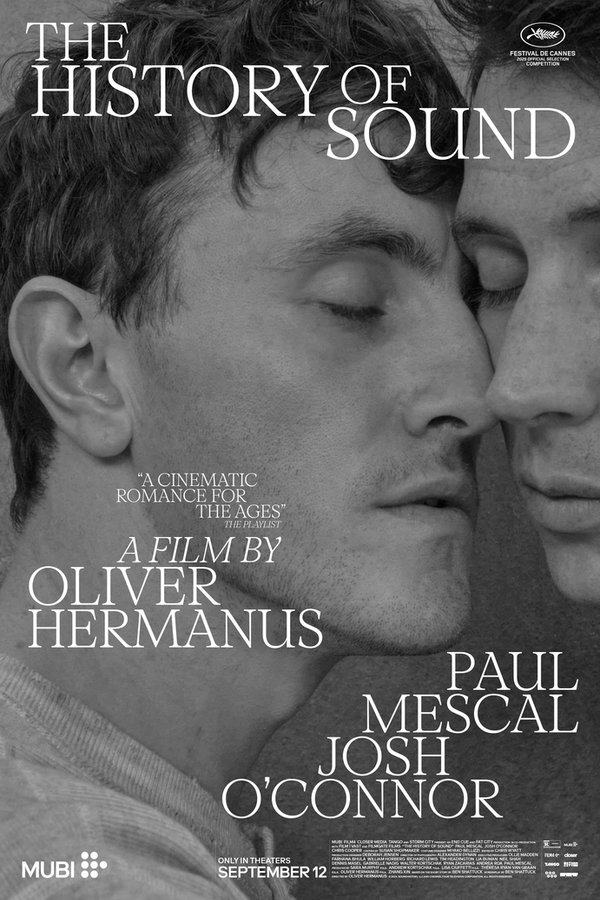
Set in the aftermath of World War I, the film follows two young men—Lionel (Paul Mescal) and David (Josh O'Connor)—who devote themselves to capturing the lives, voices and music of their fellow countrymen. While documenting these stories, their partnership deepens into a tender romance.


Does The History of Sound have end credit scenes?
No!
The History of Sound does not have end credit scenes. You can leave when the credits roll.
Where to Watch The History of Sound
See current US streaming, rental, and purchase options for The History of Sound (2025) via JustWatch.







Meet the Full Cast and Actors of The History of Sound
Explore the complete cast of The History of Sound, including both lead and supporting actors. Learn who plays each character, discover their past roles and achievements, and find out what makes this ensemble cast stand out in the world of film and television.

Chris Cooper
Older Lionel

Briana Middleton
Thankful Mary Swain

Paul Mescal
Lionel

Josh O'Connor
David

Hadley Robinson
Belle

Gary Raymond
William

Alison Bartlett
Samantha
Emily Bergl
Mrs. Roux
Peter Mark Kendall
Nathan
Raphael Sbarge
Lionel Sr.
Alessandro Bedetti
Vincent
Molly Price
Lionel's Mother
Tom Nelis
Grandfather
Michael D. Xavier
Mr. Roux
Swanmy Sampaio
Jogger
Emma Canning
Clarissa
Alec Preston
Singing Conservatory Student
Holden Goodman
Student
Dion Graham
Will Swain
Sam Breslin Wright
Instructor
External Links and Streaming Options
Discover where to watch The History of Sound online, including streaming platforms, rental options, and official sources. Compare reviews, ratings, and in-depth movie information across sites like IMDb, TMDb, Wikipedia or Rotten Tomatoes.







Ratings and Reviews for The History of Sound
See how The History of Sound is rated across major platforms like IMDb, Metacritic, and TMDb. Compare audience scores and critic reviews to understand where The History of Sound stands among top-rated movies in its genre.

The Movie Echo Score
Overall, The History of Sound presents a visually refined period drama that resonates through its musical core, yet its narrative momentum falters at times. Critics commend the film’s lush production design, nuanced leads, and evocative soundtrack, highlighting its emotional depth and haunting atmosphere. Conversely, several reviewers note sluggish pacing and a surface‑level treatment of the central romance, which diminishes engagement. In balance, the film offers a richly crafted experience that rewards attentive viewers despite uneven storytelling.
The Movie Echo Score Breakdown for The History of Sound

Art & Craft
ART: The film’s direction and production design earn consistent praise for their meticulous period authenticity and striking visual composition. Critics highlight the measured cinematography and polished set pieces that create an immersive backdrop, though some note that the aesthetic elegance occasionally masks narrative sluggishness. Overall, the art and craft deliver a refined, aesthetically pleasing canvas that supports the story’s emotional tone.

Character & Emotion
CHARACTER: Performances by the leads receive commendation for nuanced expression and compelling chemistry, anchoring the film’s emotional core. Reviewers note the actors convey deep longing despite limited exploration of their characters’ inner lives, resulting in a bittersweet resonance. While the portrayal succeeds in evoking sentiment, the lack of deeper psychological probing tempers the overall character impact.

Story & Flow
STORY: The narrative’s premise—an ethnomusicologist’s quest intertwined with a wartime romance—offers originality, yet pacing inconsistencies dilute its momentum. Critics cite a languid first half and occasional detours that stall engagement, while others acknowledge the heartfelt resolution and thematic depth. Consequently, the story balances inventive ambition with structural unevenness, affecting overall coherence.

Sensory Experience
SENSORY: The film’s soundscape and musical integration receive strong commendation, with critics highlighting the soulful undercurrents and haunting song recordings that enrich the narrative texture. Visual style complements this with a cohesive, period‑accurate palette, though some reviewers find the auditory mix occasionally subdued. Overall, the sensory elements coalesce into an immersive experience that underscores the film’s emotional resonances.

Rewatch Factor
REWATCH: The film’s lyrical composition and visual richness inspire repeat viewings for audiences seeking deeper emotional layers, as noted by critics anticipating future revisits to its songs and cinematography. However, the heavy emotional weight and occasional pacing lulls may deter casual rewatchability. Overall, the work offers lasting appeal for attentive viewers, though its replay value is moderated by structural fatigue.

64
Metascore
6.9
User Score


68%
TOMATOMETER

88%
User Score

6.9 /10
IMDb Rating
68
%
User Score
Full Plot Summary and Ending Explained for The History of Sound
Read the complete plot summary of The History of Sound, including all major events, twists, and the full ending explained in detail. Explore key characters, themes, hidden meanings, and everything you need to understand the story from beginning to end.
In 1917, Paul Mescal plays Lionel Worthing, a music student at the Boston Conservatory, who meets fellow student Josh O’Connor David White at a pub, and the two instantly bond over their shared love of folk music before returning to David’s apartment for an intimate night. As their connection deepens, the war darkens the horizon: America enters World War I, David is drafted, while Lionel, who is ineligible due to his eyesight, returns to his home state of Kentucky when the conservatory closes. He puts music aside to tend the family farm after his father dies suddenly, a loss that weighs on him and those around him, including Lionel Sr. (portrayed by Raphael Sbarge).
In 1919, Lionel receives a letter from David announcing his return from Europe, his employment at a Maine college, and a department-funded trip across the state to collect folk songs on wax cylinders, inviting Lionel to accompany and assist him. The two reunite and travel around, capturing songs from people of varying walks of life and renewing their relationship. They eventually part again as David must return to work and Lionel plans to travel to Europe. Lionel continues to write letters, but the correspondence ends after a year when he never hears back.
In 1923, Lionel, now living in Rome, tells his lover Luca of his dissatisfaction singing in a local choir and of taking a job at the University of Oxford, ending their relationship on bad terms. A year later, Lionel serves as conductor for the school’s choir and becomes involved with student socialite Clarissa Roux, who invites him to meet her family at a country manor. During the trip, Lionel is overwhelmed with memories of David, and the relationship with Clarissa ends when Lionel must suddenly return to the United States to comfort his dying mother, Molly Price.
After tying up his family affairs, Lionel travels to Maine to find David, only to learn from a colleague that David had died some time after their trip and that his department never actually commissioned the wax cylinders trip, leaving the location of the cylinders unknown. The colleague directs Lionel to David’s widow, Belle, Hadley Robinson. Belle reveals she recognizes Lionel, explains how she and David became involved, and shares that David’s death was a suicide linked to shell shock from the war. She returns his letters and promises to send the cylinders if they can be found. Lionel mourns David by revisiting his favorite places and recounting the songs that connected them, especially The Unquiet Grave.
In 1980, Lionel, now an ethnomusicologist, is promoting his latest book when a package arrives containing the wax cylinders, including one recorded on the day of David’s death. On the recording, David apologizes to Lionel and thanks him for their time together before singing Silver Dagger, the song Lionel sang to David when they first met.

Coming soon on iOS and Android
The Plot Explained Mobile App
From blockbusters to hidden gems — dive into movie stories anytime, anywhere. Save your favorites, discover plots faster, and never miss a twist again.
Sign up to be the first to know when we launch. Your email stays private — always.
Explore the mobile appWatch Trailers, Clips & Behind-the-Scenes for The History of Sound
Watch official trailers, exclusive clips, cast interviews, and behind-the-scenes footage from The History of Sound. Dive deeper into the making of the film, its standout moments, and key production insights.
The History of Sound Themes and Keywords
Discover the central themes, ideas, and keywords that define the movie’s story, tone, and message. Analyze the film’s deeper meanings, genre influences, and recurring concepts.
The History of Sound Other Names and Titles
Explore the various alternative titles, translations, and other names used for The History of Sound across different regions and languages. Understand how the film is marketed and recognized worldwide.
Articles, Reviews & Explainers About The History of Sound
Stay updated on The History of Sound with in-depth articles, critical reviews, and ending explainers. Explore hidden meanings, major themes, and expert insights into the film’s story and impact.
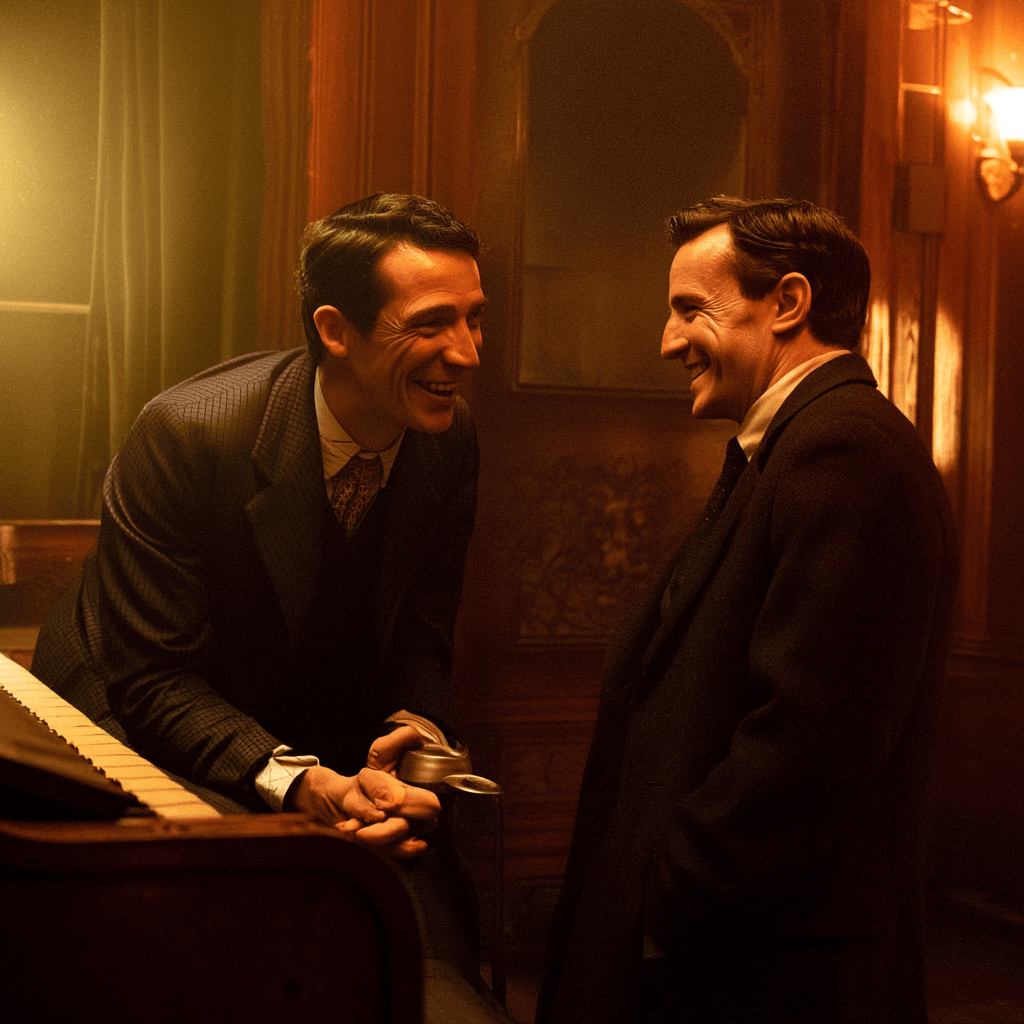
Similar Movies To The History of Sound You Should Know About
Browse a curated list of movies similar in genre, tone, characters, or story structure. Discover new titles like the one you're watching, perfect for fans of related plots, vibes, or cinematic styles.
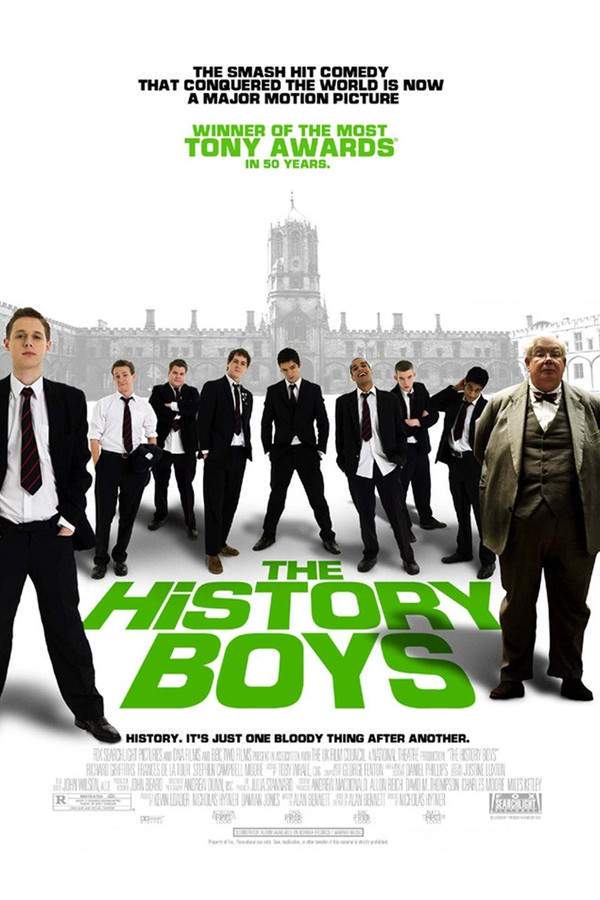





Quick Links: Summary, Cast, Ratings, More

What's After the Movie?
Not sure whether to stay after the credits? Find out!
Check out our other apps:

SAT Sphere
Build confidence for the Digital SAT.

Mori Atlas
Discover wild places worth protecting.

Luntero
Search smarter for a home in Amsterdam.

Plot Explained
Unravel movie endings and hidden clues.

Pokechamp
Dive into Pokémon data and battle logic.

Driving Theory
Get ready for your European theory test.

Movie Dust
Plan your next cinema trip with ease.

Musemap
Find art and culture as you travel.

Selkobase
Compare credentials before committing.

Local Manual
Turn an unfamiliar country into practical next steps.

Lernavi
Compare school systems before your next move.

GymRoam
Find a workout stop wherever your plans take you.
Explore Our Movie Platform
New Movie Releases (2026)
Famous Movie Actors
Top Film Production Studios
Movie Plot Summaries & Endings
Major Movie Awards & Winners
Best Concert Films & Music Documentaries
Movie Collections and Curated Lists
© 2026 What's After the Movie. All rights reserved.
Privacy Policy