The History of Sound 2025



Lionel and David, two music students at the Boston Conservatory in 1917, discover a deep connection through their passion for folk music. Years later, they reunite and set off on a journey to Maine, exploring remote areas to record and preserve traditional songs. Their shared adventure reveals the rich musical heritage of the region and strengthens their bond as they navigate the challenges of their quest.


Does The History of Sound have end credit scenes?
No!
The History of Sound does not have end credit scenes. You can leave when the credits roll.
Where to Watch The History of Sound
See current US streaming, rental, and purchase options for The History of Sound (2025) via JustWatch.







Meet the Full Cast and Actors of The History of Sound
Explore the complete cast of The History of Sound, including both lead and supporting actors. Learn who plays each character, discover their past roles and achievements, and find out what makes this ensemble cast stand out in the world of film and television.
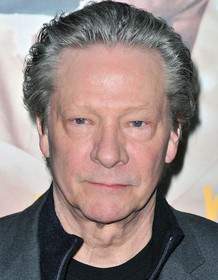
Chris Cooper
Older Lionel

Briana Middleton

Paul Mescal
Lionel

Josh O'Connor
David

Hadley Robinson
Belle
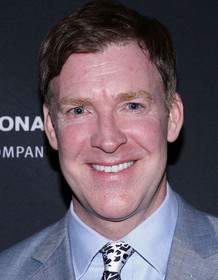
Brian Hutchison
Hal

Gary Raymond
William

Alison Bartlett
Samantha
Peter Mark Kendall
Nathan
Raphael Sbarge
Lionel Sr.
Alessandro Bedetti
Vincent
Michael Schantz
Bob
Molly Price
Lionel's Mother
Tom Nelis
Grandfather
Michael D. Xavier
Mr. Roux
Aedin Moloney
Mary Conway
Emma Canning
Clarissa
Aidan Redmond
John Conway
Leo Cocovinis
Young Lionel
External Links and Streaming Options
Discover where to watch The History of Sound online, including streaming platforms, rental options, and official sources. Compare reviews, ratings, and in-depth movie information across sites like IMDb, TMDb, Wikipedia or Rotten Tomatoes.






Ratings and Reviews for The History of Sound
See how The History of Sound is rated across major platforms like IMDb, Metacritic, and TMDb. Compare audience scores and critic reviews to understand where The History of Sound stands among top-rated movies in its genre.

The Movie Echo Score
The History of Sound presents a restrained cinematic experience that balances moments of visual elegance with occasional narrative slack. Critics note the film’s meticulous direction and nuanced performances, yet many point to a languid pace and an under‑developed script that temper its impact. While the sensory palette—particularly its subtle score and restrained visuals—offers occasional rewards, the overall impression remains mixed, leaving a modest but thoughtful impression on viewers.
The Movie Echo Score Breakdown for The History of Sound

Art & Craft
In terms of direction and visual craftsmanship, the film is praised for its deliberate restraint and occasional striking gestures. Critics commend the understated cinematography and polished production design, but some find the aesthetic overly polished and lacking vitality. The balance of these views results in a generally positive assessment of the film’s artistic execution.

Character & Emotion
When it comes to acting and emotional depth, the leads receive consistent commendation for their chemistry and nuanced performances. Reviewers highlight Mescal’s compelling presence and the pair’s ability to convey intimacy, though a few note that the script does not fully capitalize on their talent. Overall, character work is viewed as a notable strength of the picture.

Story & Flow
The story’s pacing and structural cohesion attract mixed reactions. Some critics appreciate the restrained narrative approach, while others describe the plot as sluggish, under‑developed, and prone to déjà vu. The lack of a compelling arc and moments of narrative inertia lead to an assessment that the storytelling falls short of its ambitions.

Sensory Experience
Sensory elements, including the score and visual style, are recognized for their subtlety and occasional poignancy. Reviewers note a restrained soundtrack and moments of visual lyricism, yet some feel the film’s aesthetic becomes overly polished, diminishing emotional resonance. The overall sensory impression is modestly positive, reflecting both elegance and restraint.

Rewatch Factor
Regarding rewatch value, opinions diverge. The film’s nuanced gestures and layered performances suggest potential for repeat viewings, but its slow tempo and lack of narrative momentum may limit lasting appeal. Consequently, the rewatch factor is assessed as moderate, offering some merit for dedicated viewers but limited broader draw.


%
TOMATOMETER

0%
User Score

6.9 /10
IMDb Rating
69
%
User Score
Take the Ultimate The History of Sound Movie Quiz
Challenge your knowledge of The History of Sound with this fun and interactive movie quiz. Test yourself on key plot points, iconic characters, hidden details, and memorable moments to see how well you really know the film.
The History of Sound Quiz: Test your knowledge of the key events, characters, and themes in the film "The History of Sound" (2025).
In which year do Lionel Worthing and David White first meet at the pub?
Full Plot Summary and Ending Explained for The History of Sound
Read the complete plot summary of The History of Sound, including all major events, twists, and the full ending explained in detail. Explore key characters, themes, hidden meanings, and everything you need to understand the story from beginning to end.
In 1917, New England Conservatory music student Lionel Worthing Paul Mescal meets fellow student David White Josh O’Connor at a pub, and the two instantly connect over a shared love of folk music before retreating to David’s apartment for a night that hints at something deeper. As their bond deepens, the United States enters World War I, sending David to the front while Lionel returns to his home state of Kentucky as the conservatory closes. He sets his musical ambitions aside and helps on the family farm after his father dies suddenly, carrying with him a quiet ache and a sense that life has nudged him onto a different path.
In 1919, Lionel receives word from David about his return from the war, a job at a Maine college, and a department-funded journey across the state to collect folk songs on wax cylinders. David invites Lionel to join and assist, and the two reunite on the road, crisscrossing the landscape to capture voices from a diverse array of people. The work rekindles their relationship as they share discoveries, swap stories, and build a memory archive of tunes that feels as vital as the bond between them.
The voyage eventually leads to a parting landscape: David must return to his duties, and Lionel contemplates a future in Europe. They rely on letters to stay connected, but over time the correspondence fades and the distance between them grows, leaving Lionel with a longing that won’t easily be quieted.
By 1923, Lionel, now in Italy, tells his lover Luca that he has taken a post as conductor at the University of Oxford, a move that ends their relationship on terms colored by distance and unresolved emotion. A year later, Lionel serves as conductor for the Oxford choir and becomes entangled with Clarissa Roux [Emma Canning], a socialite who invites him to meet her family at a country manor. The encounter dredges up memories of David, and Lionel feels pulled back toward the life they shared. The liaison with Clarissa ends when Lionel must return to the United States to comfort his mother.
After tending to family matters in Kentucky, Lionel travels to Maine to search for David, only to learn from a colleague that David died sometime after their trip and that the department never commissioned their work, leaving the wax cylinders unknown. The colleague directs Lionel to David’s widow, Belle [Hadley Robinson], who reveals she knows who Lionel is, explains how she and David became involved, and shares that David’s death was a suicide. Belle returns Lionel’s letters and says she will send the cylinders if they can be found. Lionel mourns by revisiting David’s favorite places from their youth and by playing the songs that first drew them to each other, letting the memory of their music carry him through grief.
In 1980, Lionel—now an ethnomusicologist—is promoting his latest book when a package arrives containing the wax cylinders, including one made on the day of David’s death. On the recording, David says he has felt completely lost since fighting in the war and softly sings “Silver Dagger,” the haunting folk song that had drawn him to Lionel in the first place, a final note that ties their story from youth to old age.

Coming soon on iOS and Android
The Plot Explained Mobile App
From blockbusters to hidden gems — dive into movie stories anytime, anywhere. Save your favorites, discover plots faster, and never miss a twist again.
Sign up to be the first to know when we launch. Your email stays private — always.
Explore the mobile appWatch Trailers, Clips & Behind-the-Scenes for The History of Sound
Watch official trailers, exclusive clips, cast interviews, and behind-the-scenes footage from The History of Sound. Dive deeper into the making of the film, its standout moments, and key production insights.

Unlock the World of Movies with Our Comprehensive Wiki
Dive into our Movie Wiki for in-depth film encyclopedia entries, including cast biographies, production trivia, plot synopses, behind-the-scenes facts, and thematic analyses. Whether you’re researching iconic directors, exploring genre histories, or discovering hidden easter eggs, our expertly curated movie database has everything you need to fuel your cinematic passion.

Quick Links: Summary, Cast, Ratings, More

What's After the Movie?
Not sure whether to stay after the credits? Find out!
Check out our other apps:

SAT Sphere
Build confidence for the Digital SAT.

Mori Atlas
Discover wild places worth protecting.

Luntero
Search smarter for a home in Amsterdam.

Plot Explained
Unravel movie endings and hidden clues.

Pokechamp
Dive into Pokémon data and battle logic.

Driving Theory
Get ready for your European theory test.

Movie Dust
Plan your next cinema trip with ease.

Musemap
Find art and culture as you travel.

Selkobase
Compare credentials before committing.

Local Manual
Turn an unfamiliar country into practical next steps.

Lernavi
Compare school systems before your next move.

GymRoam
Find a workout stop wherever your plans take you.
Explore Our Movie Platform
New Movie Releases (2026)
Famous Movie Actors
Top Film Production Studios
Movie Plot Summaries & Endings
Major Movie Awards & Winners
Best Concert Films & Music Documentaries
Movie Collections and Curated Lists
© 2026 What's After the Movie. All rights reserved.
Privacy Policy