What's After the Blog?
Opinions • Reception
Fiume o morte! (2026) Review, Critics Opinions & Audience Reception – Deep Dive into Performance, Storytelling & Historical Impact
Explore how fans and critics responded to the 2026 historical drama Fiume o morte!, examining the film’s performances, storytelling choices, and its place within the larger historical‑political narrative. This post breaks down audience reactions, critic reviews, and the movie’s impact on the franchise’s legacy.
April 10, 2026
Movies mentioned in this article
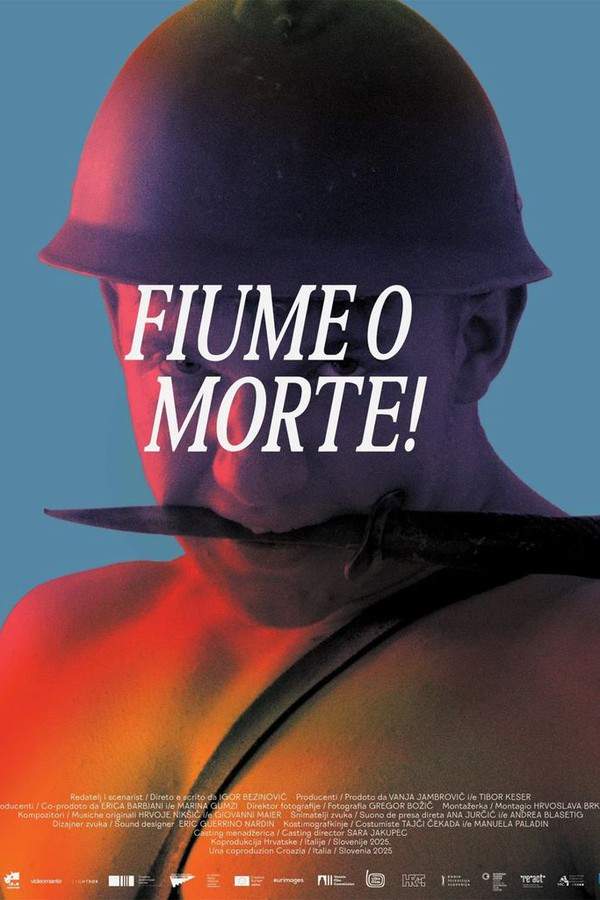
Fiume o morte! (2026) Reviews and Reception: What Critics and Audiences Are Saying About Igor Bezinović’s Subversive Docudrama
When searching for Fiume o morte! review insights ahead of your next cinematic deep dive, you’ll quickly discover that Igor Bezinović’s 2026 release has sparked one of the most fascinating critical conversations in recent documentary cinema. This unconventional docudrama—chronicling Italian poet Gabriele D’Annunzio’s bizarre 1920 occupation of Rijeka (Fiume)—has generated passionate Fiume o morte! audience reactions across festival circuits and theatrical releases alike. Whether you’re seeking a spoiler-free review to determine if this historical reconstruction warrants your attention, or you’re analyzing broader film reception trends for innovative non-fiction storytelling, understanding the critical landscape is essential. On What’s After the Movie, we’ve aggregated comprehensive critic reviews and viewer reactions to provide you with the definitive reception analysis. From its “punk” aesthetic to its community-driven reenactments, this film demands discussion. Visit our dedicated Fiume o morte! movie page for additional context, or explore our movie summaries section to complement your viewing experience before diving into this unique historical examination.
Critical Consensus and Film Analysis: How Reviewers Interpret Fiume o morte! (2026)
The critical consensus surrounding Fiume o morte! reveals a work that defies traditional documentary classification while delivering pointed political commentary. Major outlets have awarded the film impressive scores, with The New Yorker delivering a perfect 100/100, describing Bezinović’s approach as “as unusual as it is revelatory.” This sentiment echoes across the critical landscape, where reviewers consistently praise the director’s ability to present D’Annunzio’s autocratic rise through a lens that’s simultaneously satirical and historically rigorous. For those researching Igor Bezinović film reception or seeking detailed critic reviews on innovative documentary forms, the near-universal acclaim suggests this is a significant entry in contemporary non-fiction cinema.
Slant Magazine (75/100) emphasizes how Bezinović “plays up the farcical side of history,” labeling the project an “innovative docudrama” that refuses to treat its subject with the solemnity typically reserved for historical documentaries. This interpretation aligns with Screen Daily’s enthusiastic 90/100 assessment, which characterizes the film as a “gloriously punk spin on the historical documentary genre.” The punk aesthetic—channeling humor and rebellious spirit—serves not merely as stylistic flourish but as a deliberate political stance. As Screen Daily notes, this approach reflects “a people who have been part of eight or nine different countries during the 20th century,” speaking to the resilience of local identity against imperial and nationalistic erasure. This observation connects to broader film analysis regarding how marginalized communities reclaim historical narratives through unconventional means.
The Film Stage (91/100) captures the disorienting yet exhilarating effect of this hybrid approach, noting that feeling “dazzled and conflicted are some of the best things a documentary like this can be.” The review highlights Bezinović’s “cinematic flair” and “clear passion for the subject,” resulting in what they describe as “infectious, often-hilarious viewing.” This enthusiasm for the film’s entertainment value while maintaining historical weight represents a crucial tension in Fiume o morte! film analysis—how does one make a century-old fascist occupation both funny and frightening without trivializing the suffering caused?
The Guardian (80/100) provides perhaps the most apt metaphor for this tonal balancing act, describing the work as “partly a comic opera and partly a chilling message from the past.” Meanwhile, Little White Lies (80/100) delves deeper into the ideological mechanics, exploring “the dangerous, empowering nature of fascism” and how “certain forms of aggression would seem fair game under a régime that rules by such inhumane edict.” This thematic complexity suggests that beneath the flippant historical cosplay—Variety’s (80/100) apt term—lies substantial interrogation of how societies process failed despots. Variety specifically highlights Bezinović’s meditation on “D’Annunzio’s reputation on either side of the Italo-Croatian border,” examining how historical figures become either “romanticized or forgotten entirely.” This cross-cultural perspective proves vital for understanding why Fiume o morte! resonates beyond Croatian cinema, offering insights applicable to any region grappling with contested histories and the politics of monument-building.
Audience Reactions and Viewer Experiences: Is Fiume o morte! Worth Watching?
While critics celebrate the film’s formal innovations, Fiume o morte! audience reactions reveal an equally compelling story of community engagement and accessibility. User chajanka, posting after a screening in a “small cinema in Zagreb,” describes being “most pleasantly surprised” by the film’s ability to balance “humor with serious themes in a way that feels completely natural.” This viewer emphasizes the director’s methodology—beginning interviews at Rijeka’s main market before shifting to reenactments with those same participants—as creating a work where “nothing about it is pretentious.” This grassroots authenticity resonates throughout fan opinions of the work.
The local perspective proves particularly illuminating. User varna-328-728018, a Rijeka native of 30+ years, champions the film for depicting “a fragment of our history” with “great sense of humour and completely new approach,” even suggesting it “should be part of Rijeka elementary school curriculum.” This educational endorsement speaks to the film’s success in making obscure historical episodes—what detractor hrssagas dismissively calls an “unknown character who matters only to a small number of residents”—universally accessible through humor and participatory storytelling. For educators and parents seeking viewer reactions regarding the film’s instructional value, this endorsement carries significant weight.
However, the reception isn’t unanimously positive, and examining dissenting voices provides crucial context for potential viewers asking “Is Fiume o morte! worth watching?” User hrssagas offers a starkly contrasting 5/10 review, describing the experience as “an absolute bore” and “a potent sleep aid” with “exhausting and drawn out” narration. This critique—acknowledging the “innovative techniques” and “amateur quality” of local performances while finding the pacing intolerable—highlights the film’s potential accessibility barriers. For viewers seeking traditional documentary pacing or lacking interest in Balkan history, the substantial runtime may prove challenging, suggesting that Fiume o morte! requires a specific mindset regarding experimental cinema.
Yet the overwhelming viewer reactions trend toward enthusiasm. FilmoholicZG reports that over eight months of screenings in Zagreb, cinemas remained “overcrowded” despite the major multiplex chains initially refusing regular programming. This grassroots popularity—culminating in the film becoming “the most watched Croatian documentary film since the founding of the Croatian state”—suggests that Fiume o morte! transcends its niche subject matter. The reviewer notes the work can be “watched multiple times and enjoyed equally each time,” indicating significant rewatch value for history enthusiasts and cinephiles alike. Check our box office analysis for detailed commercial performance metrics and theatrical rollout data.
User markojmarko provides perhaps the most comprehensive spoiler-free review for international audiences, assuring potential viewers that “you don’t need to know or care much about European history, or have any connection to this once-contested region” to appreciate the work. Describing it as “unlike anything seen in world cinema,” this review positions the film within global art-house contexts while emphasizing its “sharp” pacing and “excellent” music. The observation that it “quietly reflects today’s right-wing politics” resonates with Next Best Picture’s assessment of the film as a “brilliant, subversive takedown of fascism” relevant to contemporary nationalist resurgences. For similar politically charged historical works, explore our curated movie lists and collections.
The Hybrid Form and Storytelling Innovation: Documentary Meets Docudrama in Fiume o morte!
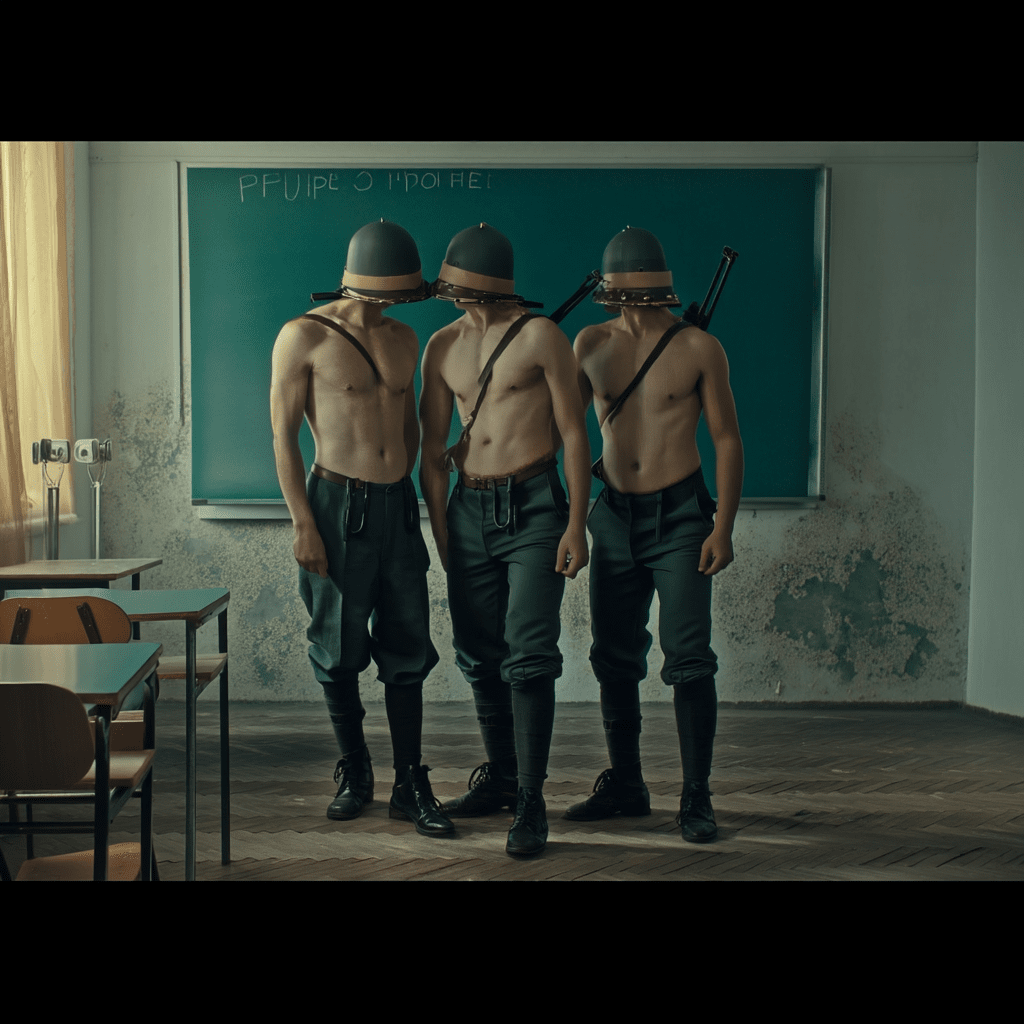
At the heart of Fiume o morte! film analysis lies its radical formal experimentation—a “docudrama” approach that blurs the line between historical record, theatrical reenactment, and collective memory. The film’s foundation rests upon over 10,000 archival photographs taken during D’Annunzio’s actual occupation, supplemented by period video footage. Yet rather than presenting these materials with traditional documentary narration, Bezinović orchestrates what user vildandrpljanin94 describes as handing the story “back literally to the city’s people.” Visit our movie wiki for detailed production background on this innovative methodology.
This methodology creates a fascinating metatextual layer where Rijeka residents interviewed in contemporary markets transform into performers embodying their own ancestors. User chajanka notes the “striking” realization that “this original archive material—real images of D’Annunzio and his legionaries—is at all times more bizarre and grotesque than anything the film’s reenactors create.” This observation underscores the film’s central thesis about the absurdity of fascist spectacle; the historical reality proves so inherently theatrical that parody becomes a form of truth-telling. The critical consensus consistently highlights this tension between the grotesque historical record and the playful contemporary reenactments.
The linguistic choices further complicate generic expectations. Narrated in the Fiume dialect of Italian by actual Fiumani residents—with narrators switching as the film progresses—the work becomes what vildandrpljanin94 terms “a collective act of remembering.” This oral history approach resists the homogenizing tendency of standard historical documentaries, instead privileging local vernacular and multiple perspectives. For audiences seeking Fiume o morte! viewer reactions that address formal innovation, this polyvocal narration represents one of the most discussed elements, distinguishing it from conventional voice-of-god documentary techniques.
The Film Stage’s observation about feeling “dazzled and conflicted” speaks to the productive confusion this hybridity generates. By staging scenes in original locations with current occupants, the film collapses temporal distance, forcing viewers to confront the continuity between 1920 and 2026. User markojmarko emphasizes this connection, noting the film is “the product of genuine community trust and support for the director’s vision,” where “the people of Rijeka/Fiume shaped this work as much as the filmmaker did.” This community-driven aesthetic has led some to compare the film to participatory theater, yet with a historical gravitas that prevents trivialization. The “playful, at times outright silly” reenactments (chajanka) serve not to mock history but to demystify it, stripping away the romantic varnish that typically coats fascist figures. Screen Daily’s “punk” descriptor applies here—the film adopts a DIY ethos that privileges local knowledge over academic authority, humorous subversion over solemn commemoration.
For filmmakers and students of cinema studying how archival materials can be activated through contemporary performance, this work offers a masterclass in community-based storytelling. Rather than using photos as static evidence, Bezinović treats them as prompts for dialogue, creating a living archive that grows with each screening. After viewing, test your knowledge with our movie quizzes and games or explore our concert films section for similar community-driven documentary experiences.
Comparative Reception: Critics vs. Audiences and the Question of Accessibility
The divergence between professional critic reviews and certain fan opinions regarding Fiume o morte! illuminates broader questions about documentary accessibility and historical cinema’s obligation to entertain versus educate. While aggregates suggest overwhelming critical favor—with scores ranging from 70/100 to 100/100—the singular dissenting user voice of hrssagas raises valid concerns about the film’s potential impenetrability for general audiences. This tension between “important cinema” and “entertaining cinema” defines the film’s reception landscape and influences whether viewers feel the Fiume o morte! experience justifies the runtime commitment.
Critics from The New Yorker to Screen Daily celebrate the work’s refusal to compromise its experimental edge, praising its “gloriously punk” sensibilities and “subversive” political messaging. These reviewers approach the film as art-house connoisseurs, valuing innovation over accessibility. Conversely, hrssagas represents the viewer seeking traditional documentary structure—clear exposition, expert commentary, linear progression—who finds the participatory reenactment style “exhausting” and the subject matter “irrelevant to ninety nine percent of the world.” This divide suggests that Fiume o morte! may not satisfy viewers seeking conventional historical documentaries or those unfamiliar with European interwar history.
Yet the majority of Fiume o morte! audience reactions suggest that the film successfully bridges this gap. User annelentur describes the work as keeping viewers interested while creating “some urge to find out bit more, what realy happend,” indicating that the film functions as an effective provocation to historical inquiry rather than a comprehensive lesson. This “less serious manner” (annelentur) proves accessible precisely because it avoids the didacticism that often alienates casual viewers from historical documentaries. The film’s ability to generate curiosity without lecturing represents a significant achievement in historical filmmaking.
The geographic specificity of the story—D’Annunzio’s occupation of a single Adriatic city—paradoxically contributes to its universal appeal. As markojmarko notes, the film “stands on its storytelling alone,” requiring no prior knowledge of the “once-contested region caught between two collapsing empires.” This narrative self-sufficiency explains why screenings from Zagreb to Skopje (vildandrpljanin94) generated enthusiastic responses despite the hyper-local subject matter. The occupation’s absurdity—an Italian poet declaring himself dictator of a Croatian city—contains enough inherent drama to engage viewers regardless of their familiarity with Balkan history, answering the crucial question: is Fiume o morte! worth watching for global audiences? The evidence suggests yes, provided viewers approach with openness to experimental narrative structures.
Box office data and screening statistics further complicate the accessibility narrative. FilmoholicZG’s report of overcrowded theaters contradicts hrssagas’s experience of the film as isolating, suggesting that communal viewing environments may enhance the work’s accessibility. The initial resistance from major multiplex chains—who relegated the film to “special screenings” rather than regular programming—indicates institutional skepticism about commercial viability that was ultimately disproven by sustained audience demand. For detailed theatrical performance metrics, consult our box office resources.
Cultural Context and Contemporary Relevance: Why Fiume o morte! Resonates in 2026
Beyond its formal achievements, Fiume o morte! generates significant film reception discourse due to its alarming contemporary resonance. Multiple reviewers note that what could have been a dusty historical exercise feels urgently relevant to 2026’s political climate. Next Best Picture explicitly frames the work as “ruthless in its pushback against this embarrassing chapter,” while markojmarko observes that it “quietly reflects today’s right-wing politics, showing how the same logic that fueled early fascism still lingers.” This timeliness elevates the Fiume o morte! critical consensus from mere aesthetic appreciation to urgent cultural commentary.
The film’s climactic punchline—a brand-new statue of D’Annunzio unveiled in Trieste, as noted by both chajanka and vildandrpljanin94—provides devastating commentary on historical memory’s fragility. This revelation, coming after the film has thoroughly demonstrated the “reckless destruction” of D’Annunzio’s reign, transforms laughter into recognition. As vildandrpljanin94 reflects, “We know how easily history turns into monuments.” This observation speaks to global anxieties about authoritarian nostalgia and the sanitization of fascist legacies, making Fiume o morte! essential viewing for those tracking the resurgence of nationalist movements worldwide.
Little White Lies’ analysis of how “certain forms of aggression would seem fair game under a régime that rules by such inhumane edict” finds uncomfortable echoes in modern nationalist movements across Europe and beyond. The film’s exploration of how D’Annunzio’s “grand adventure” resulted in Italian soldiers killing other Italian soldiers (chajanka) serves as a warning about the self-destructive nature of exclusionary nationalism—a lesson particularly relevant as various nations grapple with separatist movements and identity politics in 2026. For additional context on how cinema addresses political legacy, visit our awards page to see how this title performs in recognition categories.
Variety’s observation about “failed despots being either romanticized or forgotten entirely” addresses the historiographic stakes of Bezinović’s project. By refusing to let D’Annunzio remain either a romantic hero or a forgotten footnote, the film forces active engagement with how societies choose their monuments and myths. The community participation model—Rijeka residents reclaiming their narrative from Italian nationalist mythology—offers a template for how marginalized communities can resist historical erasure. This film analysis reveals Fiume o morte! not merely as historical document but as methodological intervention.
User varna-328-728018’s assertion that the story should be part of school curricula aligns with The Guardian’s “chilling message from the past” framing. The film functions not merely as entertainment but as pedagogical tool, demonstrating that history need not be solemn to be serious. This educational potential, combined with its artistic innovation, positions Fiume o morte! as a significant cultural artifact worthy of sustained analysis in film studies and history departments alike. For educators and students, our person profiles offer additional research materials on the director and historical figures depicted.
Conclusion: Final Thoughts on Fiume o morte! Reception and Legacy
The Fiume o morte! reception landscape reveals a film that successfully navigates the treacherous waters between historical documentary and absurdist theater, between local specificity and universal political relevance. The overwhelming critical consensus—anchored by perfect scores from major publications and enthusiastic audience reactions from Zagreb to Skopje—establishes this as essential viewing for those interested in innovative nonfiction cinema and the mechanics of fascist spectacle. While dissenting voices warn of pacing challenges and niche appeal, the broader film reception suggests that Bezinović’s “punk” approach to history resonates across cultural boundaries, offering a model for how communities reclaim contested pasts.
Whether you’re seeking a spoiler-free review to guide your viewing decision or conducting deeper film analysis on participatory documentary methods, Fiume o morte! (2026) proves that historical cinema can be simultaneously hilarious and horrifying, local and universal, archaic and urgently contemporary. The film’s ability to transform obscure early-20th-century Balkan history into a mirror reflecting modern nationalist dangers marks it as one of the decade’s most significant documentary achievements, worthy of inclusion in serious movie reviews and casual viewing discussions alike.
Ready to explore more unconventional historical films or test your knowledge on Fiume o morte!? Visit What’s After the Movie for comprehensive summaries, detailed box office data, and interactive quizzes. Check our Fiume o morte! movie page for the latest updates on where to stream this must-see docudrama, and join the conversation about how cinema helps us process the dangerous legacies of the past.
| Site | Link |
|---|---|
| Fiume o morte! IMDB | IMDB |
| Fiume o morte! Wikipedia | Wikipedia |
| Fiume o morte! Rotten Tomatoes | Rotten Tomatoes |
| Fiume o morte! Metacritic | Metacritic |
| Fiume o morte! JustWatch | JustWatch |
| Fiume o morte! Box Office Mojo | Box Office Mojo |
Continue reading



What's After the Movie?
Not sure whether to stay after the credits? Find out!
Check out our other apps:

SAT Sphere
Build confidence for the Digital SAT.

Mori Atlas
Discover wild places worth protecting.

Luntero
Search smarter for a home in Amsterdam.

Plot Explained
Unravel movie endings and hidden clues.

Pokechamp
Dive into Pokémon data and battle logic.

Driving Theory
Get ready for your European theory test.

Movie Dust
Plan your next cinema trip with ease.

Musemap
Find art and culture as you travel.

Selkobase
Compare credentials before committing.

Local Manual
Turn an unfamiliar country into practical next steps.

Lernavi
Compare school systems before your next move.

GymRoam
Find a workout stop wherever your plans take you.
Explore Our Movie Platform
New Movie Releases (2026)
Famous Movie Actors
Top Film Production Studios
Movie Plot Summaries & Endings
Major Movie Awards & Winners
Best Concert Films & Music Documentaries
Movie Collections and Curated Lists
© 2026 What's After the Movie. All rights reserved.
Privacy Policy