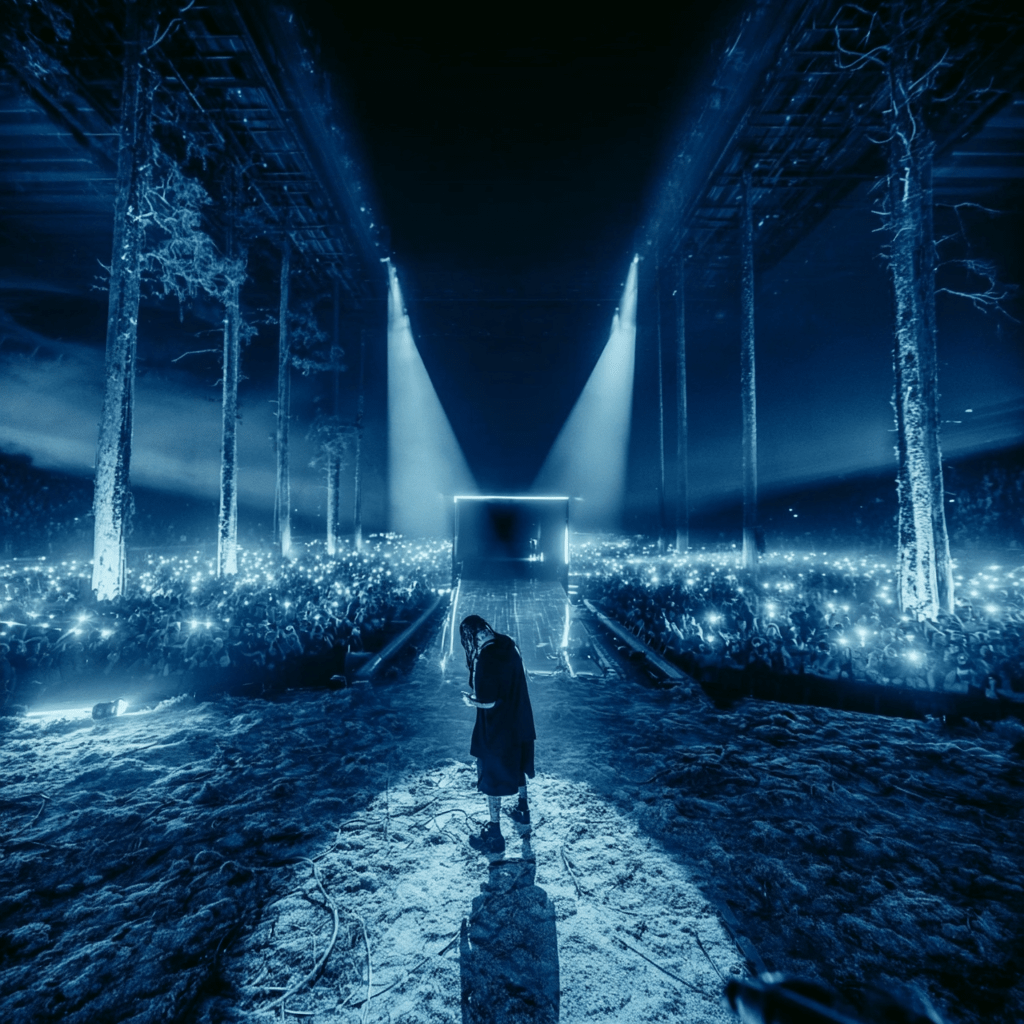

Iron Maiden: Burning Ambition (2026) Reviews & Reception: What Critics and Fans Are Saying About the Legendary Metal Documentary
When Iron Maiden: Burning Ambition premiered in theaters on May 7, 2026, it arrived amid tremendous anticipation from heavy metal devotees and documentary enthusiasts eager to witness five decades of rock history compressed into feature-length format. As the definitive Iron Maiden: Burning Ambition review resource, What’s After the Movie has monitored the evolving film reception landscape to help viewers determine whether this authorized chronicle merits theatrical viewing or streaming patience. The search volume for spoiler-free reviews, audience reactions, and critical consensus has remained remarkably high since release, indicating that potential viewers seek authentic guidance before committing to this particular cinematic experience.
The documentary occupies a unique position within the concert film and music biography genres, promising unprecedented access to one of heavy metal’s most enduring institutions while celebrating their 50th anniversary. However, the divergence between critic reviews and user reviews has created a complex reception tapestry that demands careful unpacking. Questions regarding is Iron Maiden: Burning Ambition worth watching cannot be answered simply—the response depends entirely on whether you prioritize journalistic investigation or celebratory commemoration, historical comprehensiveness or sensory immersion. As we examine the film analysis from both professional outlets and verified audience members, we’ll explore how this documentary navigates the tension between corporate polish and authentic rock mythology, and why the viewer reactions suggest a film that succeeds despite (or because of) its reverential approach to the Iron Maiden legacy.
Critical Consensus and Professional Reviews: Analyzing Iron Maiden: Burning Ambition (2026) Film Reception
The professional critical consensus surrounding Iron Maiden: Burning Ambion reveals a documentary that critics respect without necessarily embracing, resulting in review scores that hover in the “fresh but cautious” territory typical of authorized band documentaries. Empire Magazine delivered perhaps the most enthusiastic Iron Maiden: Burning Ambition review among major outlets, awarding the film 80/100 and providing the kind of quotable endorsement that marketing departments dream of: “A high-energy doc that does a tidy job of spanning 50 action-packed years. We suggest you don’t run to the hills but your nearest cinema instead.” This recommendation carries particular weight because it specifically addresses the theatrical experience question, suggesting that the film reception benefits significantly from communal viewing environments rather than solitary streaming consumption.
However, Empire’s exuberance stands somewhat isolated against more measured professional critic reviews. NME’s 60/100 assessment introduces a structural critique that resonates throughout the critical ecosystem: “It makes you wonder whether a documentary series may well have been a better option – even if the movie makes for a moving and amusing recap of Maiden’s incredible legacy.” This observation highlights a fundamental tension in the film analysis—the compression of 50 years of complex band history into roughly two hours necessarily demands editorial sacrifices that may frustrate completists. Critics consistently acknowledge the documentary’s emotional accessibility while questioning whether the feature film format adequately serves the material’s inherent sprawl, a consideration relevant to those browsing movie collections of comprehensive music documentaries.
The Guardian’s similarly scored 60/100 review raises more pointed concerns regarding authenticity and editorial independence, describing Iron Maiden: Burning Ambition as “cheerful and watchable, if a relentlessly on-brand fan promo, corporately policed and controlled, using vintage archive photos and video rather than closeup talking-head footage of the band now.” This critique suggests that viewer reactions may split along expectations of documentary objectivity—those seeking unvarnished behind-the-scenes conflict or critical self-reflection will likely find the film’s apparent adherence to brand management disappointing. The description of the film as “corporately policed” implies that the band maintained tight control over narrative elements, potentially sacrificing candid moments for polished mythology.
Conversely, The Irish Times’ 70/100 evaluation offers interpretive counterbalance, praising the documentary as “ultimately an inspirational yarn focused on the value of standing by convictions.” This perspective reframes the reception by valuing motivational storytelling over investigative journalism, suggesting that Iron Maiden: Burning Ambition succeeds when viewed as a testament to artistic perseverance rather than exposé. CinemaSerf’s 70% rating (despite truncated text in our sources) appears to align with this middle-ground consensus, indicating that while the film may not revolutionize the music documentary format, it delivers competent historical chronicling that satisfies basic informational requirements.
When comparing these critic reviews patterns to similar rock documentaries in our movie wiki, the critical divide becomes evident: professional reviewers prioritize narrative innovation and critical distance, whereas the target audience prioritizes emotional connection and comprehensive legacy acknowledgment. This disparity explains why critical consensus settles around the 60-70% range while audience scores trend significantly higher across user-generated platforms. For those researching summaries of music documentaries or exploring profiles of influential filmmakers, understanding this disconnect proves essential—the film that critics find “tidy” and “on-brand” may precisely be the celebratory document that fans crave.
Fan Reactions and Audience Score: Die-Hard Devotees vs. Casual Viewers Share Their Burning Ambition Opinions
While professional critics grappled with questions of cinematic necessity and editorial independence, the audience reactions to Iron Maiden: Burning Ambition painted a markedly different portrait of the film’s impact, with user reviews consistently demonstrating higher satisfaction rates than professional assessments. Smizzy3000’s enthusiastic 9/10 review encapsulates the convert’s experience with particular clarity: “‘Killer’ doc, loads of fun, not a big fan but learnt a lot and have a new appreciation. I’m sure die hard fans will love it but one for everyone, fast paced and kept me entertained the whole time!” This testimonial proves particularly valuable for fence-sitters wondering whether Iron Maiden: Burning Ambition requires pre-existing encyclopedic knowledge of the band’s discography, suggesting successful accessibility for outsiders.
The accessibility factor emerges repeatedly throughout fan opinions. Damon’s perfect 5/5 rating emphasizes the film’s educational clarity: “Very well done in explaining the bands history!” Similarly, Gerardo’s enthusiastic endorsement highlights comprehensive coverage of the band’s mythology: “Awesome description of 50 years of Iron Maiden… including the details that made this band a legend. Up the Irons!” These viewer reactions suggest that despite critics’ concerns about the film’s promotional tone, the documentary successfully distills complex band history into digestible, inspiring narratives for both newcomers and longtime followers, a quality that enhances its standing among concert films in our database.
However, the audience score landscape isn’t without its internal divisions and nuanced criticisms. Felipe R’s 4/5 review offers a cryptic but telling observation: “Its all about the band no the fans”—implying that the documentary’s focus remains tightly fixed on the musicians rather than the community that sustains them. This criticism finds echo in other user feedback, suggesting that while the film celebrates Iron Maiden’s achievements, it potentially misses opportunities to explore the reciprocal relationship between the group and their global following. For those interested in movie lists that prioritize fan-centric storytelling, this represents a notable omission in an otherwise celebratory film.
Raymond’s 4/5 assessment reveals another tension point within fan opinions: “Loved the history of it, they left out some of the Seventh Son album but it overall was great to see the dynamic of the band. They are so relatable because they are down to earth like their fans.” This observation about relatability counterbalances The Guardian’s concerns about corporate control, suggesting that despite polished presentation, the band’s authentic personalities shine through sufficiently to create genuine connection. The reception consistently emphasizes this accessibility—Iron Maiden members apparently transcend the “rock god” stereotype to appear genuinely approachable, a quality that enhances the documentary’s appeal beyond typical music biography fare.
Angie K’s emotionally charged 5/5 review provides perhaps the most comprehensive spoiler-free review for potential viewers contemplating the theatrical investment: “Iron Maiden are a legendary heavy metal band that have been around 50 years! Burning Ambition was a fantastic documentary about the band in conquering the world with their live performances along with their devoted fans! The band showed their perseverance through ups and downs and in the end they continued there journey with new music that captured new and old fans. I personally grew up listening to Iron Maiden as a teenager and I have grown with them in their years of existence so I am bias about how brilliant the movie was!” This testimony illustrates the generational connection that drives high audience scores despite mixed critic reviews—for those who’ve lived with this music, technical filmmaking concerns pale in comparison to the emotional validation of seeing their cultural touchstones validated on the big screen.
Fire C’s succinct 5/5 verdict (“Great documentary about my favorite group. Definitely worth it.”) and Grover’s theatrical enthusiasm (“Great movie to see in the theater with all the other fans. It was almost like being at one of their concerts. Up the Irons!!!”) reinforce the consensus that Iron Maiden: Burning Ambition functions best as a communal experience. For those debating whether to wait for streaming or attend theatrical screenings, these user reviews strongly suggest the cinema environment amplifies the film’s impact significantly, particularly when shared with fellow enthusiasts.
The Concert Footage Debate: Balancing Live Performance with Historical Narrative in Iron Maiden: Burning Ambition
Perhaps the most contentious aspect of Iron Maiden: Burning Ambition’s reception involves its distribution of screen time between electrifying performance footage and chronological storytelling, a tension that generates the widest spectrum of viewer reactions and dominates post-screening discussions. This conflict between documentary obligations and concert film expectations creates the primary dividing line in fan opinions, with audience members分歧 over whether the film delivers sufficient musical payoff for the ticket price. MADELYN’s 3.5/5 review articulates this frustration with particular precision: “As a huge fan, I was super excited about the movie and thought it was great. I would have just liked to have seen more concert footage. The live clips were kind of short. A full song live would have been nice.” This criticism represents a significant faction of the audience reactions—devotees who approached the theater expecting immersive concert experiences similar to legendary concert films that prioritize performance over biography.
Dan’s 4/5 assessment confirms this ambivalence while offering crucial contextual framing: “Excellent review of the high points—and low points—of Iron Maiden’s incredible journey. Would have liked more music, but this was a documentary. Bottom line: well done and worthwhile for Maiden fans.” The explicit acknowledgment that “this was a documentary” suggests that viewer satisfaction correlates strongly with genre expectations entering the theater. Those researching is Iron Maiden: Burning Ambition worth watching must first determine whether they seek historical education or sensory performance immersion, as the film clearly prioritizes the former despite marketing that might suggest the latter.
This dichotomy reflects broader questions about the movie’s summary and marketing positioning strategies. If promoted primarily as a documentary chronicling 50 years of perseverance (as The Irish Times emphasized), the abbreviated concert clips satisfy the narrative requirement of illustrating the band’s live prowess without derailing historical momentum. However, if marketed toward fans seeking the theatrical equivalent of a live show (as Grover’s “almost like being at one of their concerts” comment suggests), the brevity of musical sequences potentially disappoints those expecting extended performance segments. This marketing ambiguity likely contributes to the variance in reception regarding overall satisfaction, with some viewers feeling the film undersells the very element—live performance—that cemented Iron Maiden’s legendary status.
Anthony’s 4/5 review adds technical dimension to this debate: “The story,concert footage and seeing so many familiar faces in the movie was great! The film on the screen was a bit too ‘grainy’ and the sound could have been better. Still an amazing movie that brought back so many wonderful memories!” Here, the film reception acknowledges that even when performance footage appears, technical limitations may compromise the experiential quality. The graininess Anthony mentions potentially stems from archival sourcing—the vintage materials The Guardian noted—which sacrifices visual polish for historical authenticity. For those consulting movie wiki entries regarding technically pristine music documentaries, this aesthetic choice may prove divisive, though others may appreciate the period-accurate texture.
The critical consensus on this balance tilts toward narrative necessity over musical indulgence. Empire’s enthusiastic review celebrates the “50 action-packed years” coverage without emphasizing musical segments, while NME’s suggestion that a series might better serve the material implies that even feature-length runtime proves insufficient for both comprehensive history and full performance immersion. Raymond’s observation about Seventh Son album omissions further illustrates the compression challenges—in attempting to cover five decades, specific eras necessarily receive abbreviated treatment that may frustrate completists seeking deep dives into particular creative periods.
For viewers debating whether to explore this title in our movie collections, the spoiler-free review takeaway suggests tempering expectations: Burning Ambition prioritizes contextual understanding of Iron Maiden’s cultural impact and historical perseverance over replicating the sensation of attending their concerts. While MADELYN and Dan represent viewers who wanted more musical meat, Angie K and Grover demonstrate that those approaching the film as celebratory history rather than surrogate concert experience leave satisfied. This distinction proves crucial for managing audience reactions and ensuring that critic reviews comparing the film to superior concert documentaries don’t dissuade viewers seeking specifically what this film actually delivers—a historical portrait rather than a performance spectacle.
Technical Presentation and Theatrical Experience: Sound, Visuals, and Cinema Viewing Quality
Beyond content debates regarding historical versus musical focus, the film reception of Iron Maiden: Burning Ambition hinges significantly on technical execution and presentation quality, factors that determine whether the documentary justifies theatrical exhibition costs or relegates itself to eventual streaming adequacy. As Anthony’s aforementioned review noted, “The film on the screen was a bit too ‘grainy’ and the sound could have been better”—criticisms that carry particular weight for a documentary about a band renowned for sonic precision, intricate guitar harmonies, and visual spectacle. These technical observations generate important questions about exhibition formats, essential information for those browsing box office data and analyzing the film’s commercial performance relative to production values.
The graininess Anthony mentions likely connects directly to The Guardian’s observation regarding the film’s reliance on “vintage archive photos and video rather than closeup talking-head footage of the band now.” This archival-heavy approach creates aesthetic inconsistency that may distract viewers accustomed to modern documentary production values where 4K clarity dominates. However, this visual texture simultaneously provides authenticity that glossy recreations cannot achieve—grainy 1980s tour footage transports viewers temporally in ways that polished reenactments fail to replicate. The critical reviews suggest that Empire’s recommendation to visit “your nearest cinema” stems less from visual grandeur and more from communal energy, implying that the theatrical experience compensates for technical limitations through audience solidarity and shared cultural nostalgia.
Sound quality complaints present more concerning reception issues, given that Iron Maiden’s music demands dynamic range, bass response, and treble clarity to achieve its full impact. If the documentary’s audio mixing fails to deliver the immersive thunder that defines the band’s live reputation or the studio precision of their classic albums, the theatrical justification weakens significantly for audiophile viewers. This technical shortfall might explain why some user reviews suggest the film plays equally well (or better) in home theater settings where viewers control audio calibration and volume levels. For those investigating awards potential, technical limitations in sound design could impact recognition in documentary categories where audio craftsmanship carries significant competitive weight.
Conversely, Grover’s emphatic audience reaction—“Great movie to see in the theater with all the other fans. It was almost like being at one of their concerts”—suggests that technical specifications matter less than atmospheric context and communal participation. The collective experience of laughing at band anecdotes, cheering at career milestones, and sharing musical recognition apparently transcends pixel-perfect presentation or pristine audio mixing. This phenomenon aligns with concert film exhibition history, where communal viewing often outweighs technical specifications in generating positive viewer reactions, particularly for established fan communities.
The theatrical versus streaming debate intensifies when considering Raymond’s review praising the band’s relatability and “down to earth” qualities. Seeing these approachable musicians on a massive screen potentially enhances their accessibility, creating intimacy through scale that home viewing cannot replicate. Similarly, Angie K’s emotional connection to the material—developed over decades of fandom—likely amplifies in theatrical settings where surround sound and darkness minimize distractions. For those compiling movie lists of essential theatrical experiences versus streaming-adequate titles, these fan opinions suggest Burning Ambition falls into the “enhanced by cinema” category despite technical imperfections, provided viewers attend screenings with enthusiastic crowds.
The critical consensus on technical matters remains divided between aesthetic appreciation for archival authenticity and frustration with limitations. While no major critic cited technical flaws as deal-breakers in their published critic reviews, Anthony’s user review suggests that general audiences may prove less forgiving of grainy visuals and suboptimal sound than professional reviewers trained to contextualize technical choices within artistic intent. Understanding this distinction helps potential viewers calibrate expectations when reading mixed film analysis regarding the movie’s production values, particularly if they prioritize audio-visual perfection over historical content.
Final Verdict: Is Iron Maiden: Burning Ambition (2026) Worth Watching for Metal Fans and Newcomers?
Synthesizing the comprehensive film reception landscape reveals that Iron Maiden: Burning Ambition succeeds most profoundly when viewed as a celebratory document rather than investigative exposé or pure concert film experience. The critical consensus settling in the 60-80% range reflects a workmanlike documentary that prioritizes access and affection over revelation or controversy, while audience reactions trending toward 4-5 stars demonstrate that the target demographic receives exactly the legacy validation and historical overview they desire. For those questioning is Iron Maiden: Burning Ambition worth watching, the answer depends almost entirely on your relationship with the material and your expectations regarding documentary objectivity and performance content.
Die-hard fans, represented by Angie K’s glowing testimonial and Fire C’s enthusiastic endorsement, will find the comprehensive 50-year retrospective satisfying despite—or perhaps because of—its celebratory, “corporately policed” tone. The film functions as a communal affirmation of cultural identity, best experienced in theatrical settings where collective nostalgia amplifies individual enjoyment and the shared experience replicates the communal bonds of actual concerts. These viewers should prioritize theatrical viewing, consulting box office listings to find screenings with enthusiastic crowds likely to enhance the “almost like being at one of their concerts” atmosphere Grover described, while accepting that the film serves history lessons over extended musical performances.
Casual viewers and metal-curious newcomers face a more nuanced decision regarding audience reactions. Smizzy3000’s review proving that “not a big fan but learnt a lot and have a new appreciation” suggests accessibility for outsiders, provided they approach the film as educational content rather than gateway drug or sensory overload. The spoiler-free review takeaway for this demographic: expect polished, corporate-approved history that introduces key milestones without delving into controversial territory or demanding extensive prior knowledge. Those seeking summaries of rock history or exploring movie collections of music documentaries will find competent, if not groundbreaking, execution that adequately covers the band’s essential narrative.
The disappointed constituency—represented by MADELYN’s desire for extended concert footage and The Guardian’s criticism of promotional safety—should adjust expectations or potentially skip theatrical release in favor of eventual streaming availability. If you prioritize unvarnished behind-the-scenes access, critical self-examination, or immersive musical performance, Burning Ambition may underwhelm compared to superior concert films in our database that emphasize live energy over historical narrative. However, even these viewers might appreciate the film as a historical primer, potentially discovering through movie wiki exploration that Iron Maiden’s actual live albums and dedicated concert films better satisfy those specific cravings for musical immersion.
Ultimately, the reception suggests Iron Maiden: Burning Ambition occupies a specific niche within the documentary ecosystem: the authorized legacy film that trades investigative rigor for emotional resonance and brand preservation. It will not join the pantheon of revolutionary music documentaries that redefined genres or exposed uncomfortable truths about the music industry, but it provides a serviceable, occasionally inspiring chronicle of perseverance and artistic conviction that satisfies existing fans. For completionists building movie lists of essential heavy metal culture or those seeking profiles of influential musicians in our database, the film constitutes required viewing. For general audiences, it offers a pleasant, if unchallenging, introduction to one of rock’s most enduring institutions.
Before making your final decision, explore our quizzes and games to test your Iron Maiden knowledge, or browse related titles in our collections to contextualize where this documentary fits within the broader landscape of music cinema. Whether you choose theatrical immersion or eventual streaming convenience, understanding these fan opinions and critic reviews ensures you’ll approach Burning Ambition with appropriately calibrated expectations.
Conclusion: Understanding the Legacy and Long-Term Reception of Iron Maiden: Burning Ambition
The film reception of Iron Maiden: Burning Ambition ultimately illustrates the growing divergence between critical evaluation and audience appreciation in the modern documentary space, particularly within the authorized music biography subgenre. While professional critic reviews lamented the film’s promotional safety, structural compression, and “corporately policed” nature, audience reactions celebrated the emotional validation of seeing five decades of heavy metal history validated on the big screen. This gap between critical consensus and user reviews suggests that Burning Ambition succeeds not as revolutionary cinematic art, but as communal cultural artifact—a gathering point for fans to celebrate shared heritage and for newcomers to receive education without intimidation.
For the What’s After the Movie community, this documentary represents an essential data point in understanding how legacy acts navigate the modern entertainment landscape, balancing fan service with accessibility while managing the expectations of both die-hard devotees and curious outsiders. Whether you’re analyzing box office performance of music documentaries, tracking potential awards recognition, or curating movie lists of 2026’s most divisive releases, the reception patterns here offer valuable insights into the changing relationship between established artists, professional critics, and devoted fanbases in an era of fragmented media consumption.
As streaming continues to dominate documentary distribution, Iron Maiden: Burning Ambition stands as a testament to the enduring power of theatrical exhibition for events that transcend mere viewership to become shared celebrations of cultural continuity. The film’s long-term legacy will likely depend not on its cinematic innovation, but on its utility as an accessible entry point for future generations discovering the band’s extensive catalog. For viewers who approached the theater seeking confirmation of Iron Maiden’s cultural significance and historical perseverance, the documentary delivers exactly that—no more, no less. Up the Irons, indeed.
| Site | Link |
|---|---|
| Iron Maiden: Burning Ambition TMDB | TMDB |
| Iron Maiden: Burning Ambition Rotten Tomatoes | Rotten Tomatoes |
| Iron Maiden: Burning Ambition Metacritic | Metacritic |
| Iron Maiden: Burning Ambition JustWatch | JustWatch |
| Iron Maiden: Burning Ambition Box Office Mojo | Box Office Mojo |
| Iron Maiden: Burning Ambition Letterboxd | Letterboxd |