What's After the Blog?
Opinions • Reception
Lorne (2026) Review & Reception: Critics, Fan Opinions, and Insight into the Comedy Empire Documentary
Explore how critics and fans have responded to Lorne, the 2026 documentary that dives deep into the comedy empire that reshaped television, featuring standout performances, storytelling analysis, and the cultural impact of iconic cast members like Tina Fey and John Mulaney. This post examines critic reviews, fan reactions, performance highlights, and the film's place within the broader comedy franchise.
April 19, 2026

Movies mentioned in this article
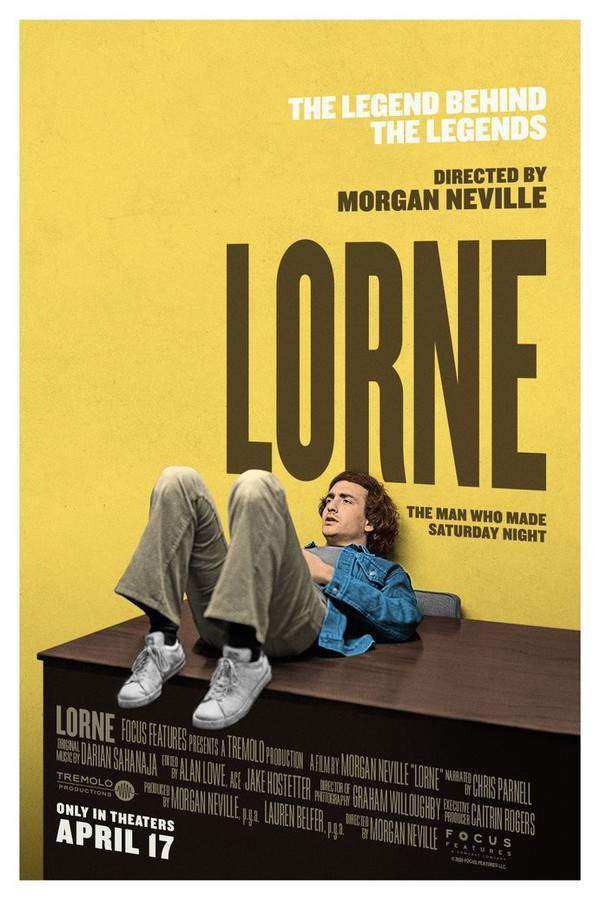
Lorne (2026) Review: Critical Consensus & Audience Reactions to the Saturday Night Live Documentary
When Morgan Neville, the Oscar-winning documentarian behind Won’t You Be My Neighbor? and 20 Feet from Stardom, announced he would be turning his lens toward Lorne Michaels and the institution of Saturday Night Live, expectations ran high among cinephiles and comedy aficionados alike. With the venerable sketch show celebrating its 50th anniversary, the timing seemed perfect for an unvarnished, behind-the-scenes examination of the man who built television’s most enduring comedy empire. However, as Lorne (2026) hit theaters and streaming platforms, a fascinating divergence emerged between critical expectation and audience satisfaction. While some viewers searched for definitive answers about the reclusive producer’s creative process and personal philosophy, others simply sought nostalgic comfort food featuring beloved cast members. This comprehensive analysis examines whether Lorne delivers the revelatory documentary experience critics crave, or if it functions better as celebratory fan service for the SNL faithful. For those seeking additional context about this release, visit the Lorne movie page on What’s After the Movie, where you’ll find detailed production information, cast details, and related summaries of similar documentary features.
Critical Consensus: What Reviewers Are Saying About Lorne (2026)
The critical reception for Lorne reveals a fascinating tension between appreciation for craft and disappointment regarding depth. With scores ranging from a lukewarm 40 to a solid 75 across major publications, the film sits firmly in “mixed to moderately positive” territory on aggregators like Metacritic and Rotten Tomatoes. This divergence stems largely from a central paradox: Morgan Neville secured unprecedented access to his subject yet emerged with surprisingly little new information about the man himself.
The Globe and Mail delivered perhaps the harshest assessment, awarding the film 40/100 and noting that “For all the behind-the-scenes footage and ostensible opportunities to grill Michaels about everything and anything, Neville’s film walks away with the impression and insight that anyone paying even half-attention to network television over the past few decades already knows.” This sentiment echoes throughout several critical reviews, suggesting that Lorne functions more as a primer for casual viewers rather than an investigative deep-dive for comedy insiders.
Similarly, TheWrap concurred with a 40/100 score, delivering the pointed observation that “The target demographic for Lorne is SNL fans who won’t benefit from a documentary like Lorne.” This meta-criticism highlights a structural problem: the film preaches to the choir without providing the choir with new sheet music. RogerEbert.com struck a moderate tone with 50/100, stating, “On a basic level, the film is entertaining enough, but anyone hoping for a particularly fresh or innovative take on the show or its creator is probably going to come away feeling a bit let down.”
However, defenders of the film appreciate Neville’s subtle approach. Time magazine awarded it 70/100, offering the evocative description: “If Lorne is nothing else, it’s a portrait of a guy who knows when to zig and when to zag.” Meanwhile, the Los Angeles Times also scored it 70/100, calling it “a well-meaning impression of a soul-searching documentary (and only an impression), but impressions can still be plenty entertaining.” This suggests that while the film may not satisfy journalistic standards of revelation, it succeeds as an atmospheric character study.
For those interested in how documentary subjects shape their own narratives, explore our person profiles section, where we examine how public figures curate their images across various media appearances and biographical works.
Audience Reactions & Fan Reception: Is Lorne Worth Watching for SNL Devotees?
Where critics found fault in the film’s lack of revelation, general audiences responded with considerably more enthusiasm, creating a fascinating “critics versus fans” dynamic that often defines niche documentary releases. User reactions on platforms like JustWatch and various review aggregators skew decidedly positive, with most viewers awarding the film between 4 and 5 stars. This disparity suggests that Lorne succeeds magnificently as comfort viewing for the initiated, even if it fails as investigative journalism.
User reviewer Becky captured the prevailing fan sentiment with a perfect 5/5 rating, writing simply: “Loved learning about Lorne and SNL! I laughed so much.” This enthusiasm reflects the nostalgic pleasure derived from seeing beloved cast members like Tina Fey, Chris Rock, and John Mulaney reminisce about their tenure. Ryan F similarly awarded the film top marks, noting, “I really enjoyed this and it’s amazing to watch how SNL developed into what it is today. I think Lorne Michaels is an incredibly talented person and was happy to watch this film.”
However, even among supporters, the film’s central limitation—Lorne Michaels’ inherent guardedness—did not go unnoticed. April D, another 5-star reviewer, acknowledged, “As a long time super fan of Saturday Night Live, I really enjoyed this movie. Lorne is still as elusive as ever though.” Dave R offered a more measured 3.5/4 stars, observing, “The SNL juggernaut is 50 years strong and it’s fun to see how live TV magic happens backstage. Sadly, reclusive producer Michaels doesn’t allow the filmmakers to reveal very much about the legend himself.”
This pattern suggests that Lorne functions best as a celebration rather than an exposé. Carol’s 4-star review emphasized the nostalgic value: “Great nostalgia about the driving force behind Saturday Night Live. Memorable clips, interviews of current and former cast members and writers. Certainly worth 1:41 hours.” Meanwhile, Alan D succinctly captured the documentary’s central irony: “An interesting story about a guy who seems to want to avoid being its subject, yet has asserted himself on our culture for 50 years.”
For viewers deciding whether this documentary deserves their time, consider testing your comedy knowledge on our quizzes and games page, where we offer trivia challenges about Saturday Night Live history and documentary cinema. Additionally, check our movie collections for curated lists of similar behind-the-scenes documentaries about television history.
The Elusive Subject: Analyzing Lorne Michaels’ Guarded Persona and Its Impact on the Film
Perhaps the most intriguing aspect of Lorne’s reception involves the meta-commentary about documentary ethics and subject control. Multiple critics noted that Michaels guards his personal life and creative methodology with extraordinary vigilance, effectively neutralizing Neville’s attempts at psychological excavation. ScreenCrush memorably described this dynamic with a 60/100 review, writing: “Like Saturday Night Live itself, there are too many great comedians involved for it not to be at least occasionally funny. But it’s surely not among Neville’s most insightful films. Michaels guards his secrets like someone in the Witness Protection Program.”
This impenetrability creates a unique viewing experience where the absence of revelation becomes the primary takeaway. The Austin Chronicle, scoring the film 67/100, distinguished between two types of documentary value: “Any SNL fan, and I am one, is still going to get a kick out of the close access and cavalcade of stars… By dint of that access, Lorne is by definition revealing. Revelatory? Not as much.” This distinction between “revealing” (showing process) and “revelatory” (exposing truth) encapsulates the film’s critical challenge.
The documentary raises fascinating questions about the limitations of the form when subjects maintain rigid boundaries. Unlike documentaries where the subject has passed away (like Neville’s work with Fred Rogers) or where the subject actively participates in myth-deconstruction, Lorne presents a living legend who has spent five decades perfecting the art of the pivot. As Time noted, Michaels knows “when to zig and when to zag,” suggesting that the film’s surface-level treatment may be the most honest portrayal possible of a man who built an empire on controlled chaos.
IndieWire, awarding 67/100, contextualized this approach within Neville’s broader filmography: “Though ‘Lorne’ is prone to some overly relaxed pacing, the film is held tight enough by the grip that Michaels has maintained over his little fiefdom for more than half a century.” This suggests that the documentary’s value lies not in breaking through Michaels’ defenses, but in observing the architecture of those defenses themselves.
For a deeper dive into how public figures manage their narratives across different media, visit our Movie Wiki, where we explore the intersection of celebrity culture and documentary filmmaking ethics.
Pacing, Tone, and Documentary Craft: Morgan Neville’s Approach to Lorne
Beyond questions of access and revelation, critics extensively debated Neville’s specific filmmaking choices in Lorne, particularly regarding pacing and tonal consistency. The documentary occupies a curious middle ground between the propulsive energy of Saturday Night Live itself and the contemplative, sometimes meandering style of contemporary profile documentaries. This hybrid approach generated mixed responses from reviewers attuned to documentary craft.
IndieWire specifically noted the “overly relaxed pacing,” suggesting that Neville may have been too deferential to his subject, allowing scenes to breathe beyond their informational or emotional value. This contrasts sharply with the breakneck speed of SNL’s production cycle, creating an interesting aesthetic dissonance between form and content. The film moves at the pace of a Sunday afternoon rather than a Saturday night, which some critics found soothing while others found soporific.
Next Best Picture, awarding 60/100, captured this ambivalence perfectly: “Perhaps ‘Lorne’ entertains more than it informs, but somehow, that feels exactly right.” This suggests that Neville may have intentionally prioritized atmosphere over information, creating a film that mimics the experience of spending time with Michaels himself—charming, amusing, but ultimately surface-level.
Original-Cin offered the most favorable technical assessment with 75/100, arguing that “If Lorne really is ‘the most boring’ doc of the Oscar-winning Neville’s career, it’s only because his career bar is high. As it is, Lorne is a terrific backgrounder for devout fans of Saturday Night Live.” However, they added the crucial caveat that “Fairweather fans, on the other hand, might find it like an overlong sketch.”
The tonal choices reflect broader trends in celebrity documentary filmmaking, where access often trumps investigation. For viewers interested in comparing documentary styles, particularly between music and comedy subjects, our concert films section offers analysis of how different directors approach larger-than-life subjects. Additionally, those tracking the financial performance of documentary cinema can visit our box office section to see how Lorne performed compared to other recent documentary releases.
Comparative Analysis: How Lorne Stacks Up Against Other Saturday Night Live Documentaries
To fully appreciate the mixed reception of Lorne, one must situate it within the broader ecosystem of Saturday Night Live-related documentaries and behind-the-scenes content. Previous films like Live from New York (2015) and various anniversary specials have attempted to capture the show’s cultural impact, creating a crowded marketplace of SNL content that Lorne enters with the burden of expectation.
The Globe and Mail’s criticism—that the film offers insights available to anyone paying “half-attention to network television”—speaks to the challenge of finding fresh angles on one of television’s most documented institutions. Unlike documentaries about obscure subjects where every detail proves revelatory, Lorne must compete against 50 years of oral histories, cast memoirs, and previous making-of specials. In this context, the film’s inability to uncover new ground becomes more understandable, if not necessarily forgivable.
TheWrap’s assertion that the film’s target demographic “won’t benefit” from the documentary suggests a marketing problem as much as a creative one. When audiences have access to countless YouTube clips, podcast interviews, and social media behind-the-scenes content, a theatrical documentary must offer something beyond mere access—it must provide synthesis, insight, or emotional resonance that transcends the archival footage. Lorne struggles to clear this bar, functioning more as a curated highlight reel than a definitive statement.
However, for viewers seeking curated entry points into complex television histories, our movie lists section provides recommendations for essential viewing about comedy and television history. Similarly, those tracking industry recognition for documentary features can monitor our awards page to see how Lorne performs during the documentary awards season.
Final Verdict: Critical Consensus and Viewer Takeaways for Lorne (2026)
As the dust settles on Lorne’s release, a clear consensus emerges: Morgan Neville has created a documentary that prioritizes affection over analysis, making it a must-see for Saturday Night Live devotees but a optional viewing for general audiences. The film’s reception map reveals high correlation between pre-existing SNL fandom and enjoyment—if you own the Saturday Night Live: The Book coffee table tome and follow former cast members on social media, you’ll likely find Lorne satisfying comfort food. If you’re seeking the definitive documentary about comedy, power, or creative process, you may find yourself agreeing with RogerEbert.com that the film leaves you “feeling a bit let down.”
The critical divide ultimately stems from mismatched expectations. Audiences searching for “Lorne review” and “is Lorne worth watching” should understand that this film offers a fan’s-eye view rather than a critic’s investigation. It captures the mythology of Lorne Michaels—the genius impresario who never sleeps, the Canadian émigré who changed American comedy, the Zelig-like figure who inserted himself into five decades of cultural history—without deconstructing that mythology.
For those ready to experience the film themselves, check the Lorne page on What’s After the Movie for streaming availability, additional viewer reactions, and connections to related content. Whether you’re a comedy historian seeking archival footage or a casual viewer looking for a pleasant evening with comedy royalty, understanding these reception trends will help calibrate your expectations accordingly. Visit our summaries section for spoiler-free breakdowns of other recent documentary releases, and explore our comprehensive database to discover what awaits after the credits roll on cinema’s most talked-about releases.
| Platform | Link |
|---|---|
| Rotten Tomatoes | Lorne Rotten Tomatoes |
| Metacritic | Lorne Metacritic |
| JustWatch | Lorne JustWatch |
| Box Office Mojo | Lorne Box Office Mojo |
Continue reading




What's After the Movie?
Not sure whether to stay after the credits? Find out!
Check out our other apps:

SAT Sphere
Build confidence for the Digital SAT.

Mori Atlas
Discover wild places worth protecting.

Luntero
Search smarter for a home in Amsterdam.

Plot Explained
Unravel movie endings and hidden clues.

Pokechamp
Dive into Pokémon data and battle logic.

Driving Theory
Get ready for your European theory test.

Movie Dust
Plan your next cinema trip with ease.

Musemap
Find art and culture as you travel.

Selkobase
Compare credentials before committing.

Local Manual
Turn an unfamiliar country into practical next steps.

Lernavi
Compare school systems before your next move.

GymRoam
Find a workout stop wherever your plans take you.
Explore Our Movie Platform
New Movie Releases (2026)
Famous Movie Actors
Top Film Production Studios
Movie Plot Summaries & Endings
Major Movie Awards & Winners
Best Concert Films & Music Documentaries
Movie Collections and Curated Lists
© 2026 What's After the Movie. All rights reserved.
Privacy Policy