What Is The Red Tent About?
The premise of The Red Tent in 331 words, with nothing given away. The full story follows below.
In post‑war Italy, a once‑celebrated aeronaut stands amid the echoing corridors of power, haunted by a mission that forever altered his reputation. Umberto Nobile carries the weight of public scorn as he reflects on a daring Arctic venture that dissolved into tragedy. The film opens with him confronting the relentless press of memory, the cold wind of the north still whispering through his thoughts, while the austere streets of Rome serve as a stark contrast to the frozen wilderness he once commanded.
Within his imagination, a courtroom of his own making takes shape, populated by the very men and women who shared the ill‑fated journey. Captain Zappi, the steadfast navigator, and Finn Malmgren, the brooding meteorologist, sit beside Valeria, whose love for the expedition adds another layer of intimacy and loss. Also present are Captain Romagna, the would‑be rescuer, the intrepid Swede Einar Lundborg, the determined Soviet scientist Professor Samoilovich, his pilot Boris Chukhnovsky, and the legendary explorer Roald Amundsen. Their collective presence creates a haunting chorus that interrogates both facts and feelings, suggesting that the true trial is as much about conscience as it is about accountability.
The narrative drifts back to the summer of 1928, when the airship Italia lifted from the Italian coast toward the polar night. The sleek craft, a symbol of human ambition, meets the unforgiving ice fields of the Arctic, where visibility blurs and survival hinges on fragile camaraderie. A red‑dye‑stained canvas shelter—its vivid hue a beacon against the endless white—offers a cold comfort, hinting at both hope and desperation as the crew grapples with the inexorable forces of nature.
Through stark cinematography and a measured, almost meditative pace, the film explores themes of guilt, duty, and the fragile line between heroism and folly. By weaving together personal recollection with the stark, wind‑blown landscape, it invites the audience to consider how history judges those who venture beyond the known, and whether redemption can ever truly be found amid the lingering shadows of a failed expedition.
What Happens in The Red Tent?
The complete story of The Red Tent, from the first scene to the last, in 705 words (about 3 minutes). Spoilers throughout. Names in the text link to 10 cast member pages.
Spoilers ahead
Umberto Nobile has endured years of scorn in Rome for his actions during a disastrous expedition and its aftermath. He imagines a court of inquiry where witnesses and judges are his former crewmen — including Captain Zappi, his navigator, and Finn Malmgren, the meteorologist; also arrayed against him are Valeria, Malmgren’s lover, Captain Romagna, one of the expedition’s would-be rescuers, famed aviator Einar Lundborg, Professor Samoilovich, the chief of the Soviet rescue mission, his pilot Boris Chukhnovsky, and Roald Amundsen, who died in the search for survivors. As the court of inquiry tries Nobile, the surrounding figures—along with the memories of the voyage—form a chorus of judgment and memory that frames the entire tale.
The narrative then unfolds to depict the expedition itself. The Italia begins with promise, but the voyage ends in catastrophe: ice forms around the airship, the gondola is torn away from its keel, and the envelope that holds the hydrogen cells is freed. With the gondola detached, the remainder of the ship drifts out of control, dragging some crew members into an ever-worsening crisis. Nobile nonetheless keeps a semblance of command over the surviving crew as they endure the harsh arctic pack ice, salvaging what they can and sheltering in a red-dyed tent for visibility and warmth. They manage to repair the radio, but distress calls go unanswered, and a decision is made by three survivors — Captain Zappi, Mariano, and Finn Malmgren — to press across the ice in search of help. Their hopeful trek is a crisp, white odyssey across a landscape that offers little mercy.
Their signals eventually reach the outside world when a Russian radio operator picks up the cries for help, triggering the Soviet rescue mission led by the icebreaker Krassin. The voyage toward salvation is fraught with peril, and Lundborg, the Swedish aviator, finds the group first and lands on the ice. He insists on ferrying only Umberto Nobile, leaving the others behind to contend with the treacherous environment. Nobile agrees, believing he might better assist the rescue from Kings Bay, but the political machinery back home in Rome quickly clamps down on his authority, stripping him of command and ordering him to remain confined to his quarters with no role in the rescue effort.
Desperation pushes Nobile to contact Professor Samoilovich to urge a renewed search for the missing crew. At the same time, Amundsen enters the rescue narrative, only to vanish into the fog of fate as part of the expedition’s tragic arc. In the director’s vision, Amundsen reveals that what looked like hopeful survivors from the air were already dead, and the cold truth of their fate becomes increasingly clear. The party that set out on foot faces brutal obstacles and, in a cruel turn of mercy, must leave Finn Malmgren to die as conditions deteriorate and ice threatens to pull them apart.
Back at the camp, the ice fractures and breaks apart as the survivors cling to hope, ultimately escaping the gondola as it sinks beneath the ice. A distant horizon finally reveals the Krassin bearing down on them, and the crew on deck—Captain Zappi and Mariano among them—wave in a last triumphant sign of rescue. A formal verdict at the court of inquiry is delivered: Samoilovich defends Nobile’s actions by arguing that the rescue of the survivors was a direct result of Nobile’s own daring escape to Kings Bay. Yet the panel’s verdict declares Nobile guilty, a conclusion that Amundsen refuses to accept, deeming the accusers unfit for judgment due to bitterness and moral limitations.
In the quiet aftermath, Amundsen stands as the final witness to the human frailty at the center of the tragedy. He leaves the room, and with him, Nobile finds a measure of peace by acknowledging his humanity and vulnerability. The final exchange unfolds as a meditation on guilt, duty, and what it means to survive: Nobile admits that his choices—some correct, others flawed—were not acts of simple heroism, but human impulses tangled with fear, endurance, and a longing for relief. Amundsen’s late counsel—that frailty is not a sin but a universal human trait—offers Nobile a lifted burden, a quiet reminder that even heroes are only as strong as their capacity to endure their own vulnerability.
The Red Tent Timeline: Every Key Event in Order
14 key events in the order they happen, from “Italia expedition begins, sails into peril” to “Peace through humanity; Amundsen helps Nobile find acceptance”. 14 events name a place, across 10 locations.
- 1
Italia expedition begins, sails into peril
The expedition starts with promise but quickly heads toward disaster as ice closes in and the airship struggles against mounting danger. The crew fights to maintain control as mounting peril threatens the hull and the hydrogen envelope. The outlook shifts from triumph to survival as conditions deteriorate.
Where:Arctic Ocean, on board the Italia
- 2
Ice seals the fate of Italia; gondola torn away
Ice forms on the airship, and a collision with the ice tears the gondola from the keel and ruptures the envelope of hydrogen cells. Freed of the gondola’s weight, the remaining ship breaks loose and drifts out of control, pulling away some of Nobile’s crew with it. The disaster transforms a successful mission into a desperate struggle for survival.
Where:Arctic waters, on board the Italia
- 3
Crew marooned on arctic pack ice
The surviving crew shelters in a bright red tent to keep visibility in the desolate ice. They salvage what supplies they can and stretch their resources while the icy sea surrounds them. Tensions rise as the reality of being stranded sets in and hope flickers for rescue.
Where:Arctic pack ice
- 4
Radio repaired, but no response; three set out for help
Despite repairing the radio, the crew receives no distress contact, amplifying the isolation of their situation. Three survivors—Zappi, Mariano, and Malmgren—decide to trek across the ice to seek help, risking exposure to the harsh elements. Their departure marks a turning point in the attempt to salvage the expedition.
Where:Arctic pack ice
- 5
Distress signal reaches Soviet operator; Krassin dispatched
A distress signal is picked up by a Russian radio operator, triggering the Soviet Union to send the icebreaker Krassin. The mission to reach the stranded crew becomes an international effort, though the ship itself endures damage on the way. The rescue operation shifts from hopeful radio chatter to a tangible, moving plan.
Where:Arctic sea, en route with Krassin
- 6
Lundborg locates survivors and insists on taking Nobile
A Swedish aviator, Lundborg, lands on the ice and finds the scattered group. He insists that he can only take Nobile, believing the captain’s presence will more effectively coordinate the rescue from Kings Bay. The encounter creates a rift between immediate rescue needs and broader leadership responsibilities.
Where:Arctic pack ice
- 7
Nobile stripped of command; confined in Rome
Back in Rome, Nobile learns that his superiors have withdrawn him from command for abandoning his crew. He is confined to his room and forbidden from participating in the rescue effort. The political fallout complicates the already desperate situation and challenges his sense of duty.
Where:Rome, Nobile’s apartment
- 8
Nobile seeks Samoilovich to resume the search
Desperate to help his men, Nobile contacts Professor Samoilovich to urge a renewed search for the survivors. The plea becomes a personal appeal that tests loyalties and bureaucratic barriers. The rescue plan now hinges on convincing others to change course.
Where:Rome
- 9
Amundsen joins the rescue and then disappears
Roald Amundsen enters the rescue effort, lending his experience to the mission. He soon disappears into the peril of the Arctic, becoming another casualty of the expedition’s tragic aftermath. His absence underscores the cost of ambition and the dangers of pursuit in extreme conditions.
Where:Arctic rescue area
- 10
Amundsen finds the Italia wreck and faces doom
Amundsen’s reconnaissance reveals the wreck of the Italia and what appears to be survivors. He orders a landing that ends in a catastrophic crash, leaving Amundsen as the sole survivor and revealing the grim truth about the apparent rescue that never fully materialized. The wreck confirms that those seen from the air were long dead.
Where:Italia wreck site
Show the other 4 events of The Red Tent Hide the last 4 events
- 11
Foot expedition encounters hardship; Malmgren dies
The search party on foot encounters mounting difficulties across the ice and is forced to make heartbreaking choices. Malmgren is left behind as the group struggles to endure the unforgiving environment. The loss underscores the brutal reality of survival at the edge of the world.
Where:Arctic pack ice
- 12
Gondola sinks; Krassin approaches; survivors wave
As the ice begins to fracture, the remaining survivors flee the sinking gondola and watch the Krassin appear on the horizon. Zappi and Mariano signal their presence from the deck, giving the freezing group renewed hope. The rescue ship's arrival marks a pivotal turn toward salvation.
Where:Arctic pack ice; approaching Krassin
- 13
Court of inquiry verdict; Amundsen critiques the process
In the Rome court, Samoilovich defends Nobile, arguing that a captain cannot abandon his crew without compromising judgment. The others convict Nobile of guilt, but Amundsen challenges the reasoning, implying that bias and bitterness have tainted the proceedings. The verdict becomes a point of contention that questions the nature of leadership under pressure.
Where:Rome, court of inquiry
- 14
Peace through humanity; Amundsen helps Nobile find acceptance
As the accusers depart, Amundsen remains to offer a final reconciliation. He reminds Nobile that frailty is a sign of humanity, not a moral failing, and helps him find peace. Nobile admits his mixed motives for joining Lundborg, and Amundsen’s words grant him a measure of solace amid the lingering memory of the disaster.
Where:Rome, Nobile’s apartment
Who Are the Main Characters in The Red Tent?
6 characters, among them Umberto Nobile (Peter Finch), Roald Amundsen (Sean Connery) and Valeria (Claudia Cardinale): who each one is and the part they play in the story. Every profile links to the actor’s page.
-
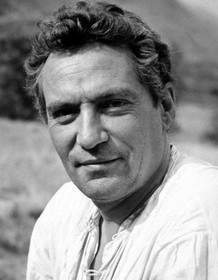
Umberto Nobile (Peter Finch)
Played by Peter Finch
Umberto Nobile is the expedition's commander whose decisions drive the narrative. In the court, he faces accusations of abandoning his crew, while privately wrestling with guilt and duty. His attempts to coordinate rescue and balance personal risk reveal a pragmatic, stubborn dedication to his people. The film tracks how professional responsibility clashes with human vulnerability.
- 🎭 Drama
- 🏛️ Leadership
- ❄️ Polar exploration
- ⚖️ Duty
-

Roald Amundsen (Sean Connery)
Played by Sean Connery
Roald Amundsen appears as a guiding, morally probing force, even as his own fate hangs over the rescue mission. He questions the purview of the court and offers a counterpoint to the accusations of the other characters. His presence ultimately helps Nobile find a measure of peace by acknowledging humanity's limits.
- 🏔️ Explorer
- 🎭 Complex hero
- 🗺️ Perspective
-

Valeria (Claudia Cardinale)
Played by Claudia Cardinale
Valeria is Malmgren's lover and a witness to the unfolding tragedy. She embodies the emotional weight of separation, loyalty, and the costs of obsession. Her perspective anchors the human consequences of the expedition for those left behind.
- ❤️ Love
- 🎭 Drama
- 🌪️ Emotional Toll
- FM
Finn Malmgren (Eduard Martsevich)
Played by Eduard Martsevich
Finn Malmgren serves as one of the expedition's key crew members and navigator. He is deeply connected to Valeria and becomes a casualty of the ice-bound struggle for survival, highlighting the fragility of life in polar conditions.
- 🗺️ Navigator
- 💔 Tragedy
- ❄️ Survival
- CZ
Captain Zappi (Luigi Vannucchi)
Played by Luigi Vannucchi
Captain Zappi is one of the crew's leaders who endures the crisis with the rest of the survivors. He takes part in the perilous journey to seek help and is among those who signal the Krassin's approach.
- ⚓ Captain
- 🧭 Leadership
- 💪 Resilience
-
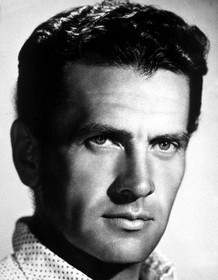
Captain Romagna Manoja (Massimo Girotti)
Played by Massimo Girotti
Captain Romagna Manoja is presented as a would-be rescuer, offering leadership during the crisis but also bearing the pressure of assessing risks in a life-and-death search.
- ⚓ Rescue
- 🎯 Responsibility
- 💪 Leadership
Where and When Is The Red Tent Set?
The Red Tent is set in Rome, Arctic pack ice and Kings Bay (1920s). Here is why the time and place matter to the story.
When
1920s
Set in the late 1920s, a era of perilous polar reconnaissance and early airship expeditions. The period emphasizes long winters, limited radio reach, and the race to rescue ships marooned on frozen seas. This timeframe shapes the characters' choices under extreme conditions and the public appetite for heroism.
Where
Rome, Arctic pack ice, Kings Bay
The story unfolds across a stark contrast of environments: a formal courtroom in Rome where judgment looms, the desolate Arctic ice where the Italia's crew fights for survival, and the Norwegian Kings Bay where rescue efforts are staged. These locations frame the film's tension between institutional authority and raw human endurance. The icy expanse and the courtroom drama together drive the narrative about guilt, duty, and the costs of exploration.
- ❄️ Arctic
- 🏛️ Courtroom
- 🚢 Expedition
What Are the Themes of The Red Tent?
3 ideas the story keeps returning to, among them Guilt and Duty, Survival and Courage and Legacy and Myth.
-
01
Guilt and Duty
The court of inquiry pits personal responsibility against institutional expectation. Nobile's actions are scrutinized as the crew's fate hangs in the balance, forcing him to weigh self-preservation against his duty as captain. The theme probes what it means to lead when the line between courage and recklessness blurs.
-
02
Survival and Courage
Crew members endure extreme cold, dwindling supplies, and long, uncertain waits for rescue. Improvised shelters, salvaged radios, and risky crossings reveal resilience and the will to survive against overwhelming odds. The narrative highlights practical courage as much as symbolic heroism.
-
03
Legacy and Myth
Amundsen's presence in the story casts a larger-than-life shadow over the rescue and the inquiry. The film contrasts legendary exploration with human fragility, suggesting that heroism is as much about reconciliation with guilt as achieving bold feats. The ending reframes what makes a person worthy of memory.
What Kind of Film Is The Red Tent?
Melancholic in tone, with steady pacing and a complex story, going by the plot summary.
- Tone
- Melancholic
- Pacing
- Steady
- Story
- Complex
- Intensity
- High
- Ending
- Bittersweet
A somber and harrowing historical drama that builds tension from a disastrous arctic expedition, exploring profound guilt and human vulnerability through a reflective and morally complex narrative structure.
- somber
- harrowing
- tense
- reflective
- oppressive
- haunting
- arctic survival
- guilt and redemption
- disaster
- moral judgment
Content notes: death of crew members, freezing to death, psychological trauma, extreme peril.
Quiz
How well do you remember The Red Tent? Test yourself on the story.