What Is Titanic About?
The premise of Titanic in 334 words, with nothing given away. The full story follows below.
In the spring of 1912 the RMS Titanic prepares to cut through the icy North Atlantic, a floating testament to ambition, engineering marvels, and the glittering confidence of an era that believes nothing is beyond reach. The ship glides out of Southampton under a sky heavy with expectation, carrying not only first‑class aristocrats and hopeful immigrants, but also the weight of a corporation desperate to prove its worth. The atmosphere aboard feels both celebratory and taut, as whispers of record‑breaking speed mingle with nervous speculation about the future of the White Star Line.
At the heart of that corporate theater sits Sir Bruce Ismay, a shrewd White Star Line executive whose reputation is tied to the ship’s success. He views the maiden voyage as a chance to reverse a slipping share price, plotting a daring strategy that hinges on the vessel’s performance and public perception. His confidence is buoyed by the grandeur of the ship, yet an undercurrent of calculation follows his every decision, hinting that the stakes are as much financial as they are nautical.
Contrasting Ismay’s profit‑driven optimism is First Officer Petersen, a disciplined German officer whose duty to safety constantly clashes with the pride of his British superiors. He watches the engines roar and the ship surge forward, aware that the relentless push for speed may be courting danger. His interactions with Captain Smith, the proud British commander, set up a quiet yet palpable tension: one side valorizes triumph, the other warns of limits. Petersen’s measured demeanor and quiet resolve suggest a deeper conflict between duty and obedience, offering a counterpoint to the surrounding hubris.
The film settles into a tone that balances opulent spectacle with an undercurrent of dread, framing the Titanic not merely as a marvel of its time but as a stage where ambition, greed, and caution collide. As the ocean stretches ahead, the characters are poised on a delicate edge, each driven by personal motives that hint at larger consequences without revealing what lies beyond the horizon.
What Happens in Titanic?
The complete story of Titanic, from the first scene to the last, in 550 words (about 2 minutes). Spoilers throughout. Names in the text link to 4 cast member pages.
Spoilers ahead
At a tense shareholders’ meeting, the Line’s president, J. Bruce Ismay (played by Ernst Fritz Fürbringer), notes that the share price is slipping and hints at a secret to be revealed during the Titanic’s maiden voyage that could flip the market. He presses the board to sell their shares now so they can buy back cheaply after the reveal, betting that a dramatic rise will follow. The room buzzes with speculation as the gamble is laid out, and a sense of unease threads through the financial minds present. Ismay’s bold plan is to spark renewed interest by leveraging the ship’s upcoming voyage, hoping the launch of the RMS Titanic and the prospect of speed records will paint a rosier picture for investors.
On the ship itself, Ismay’s scheme takes on a life of its own. He reassures the board that the stock will rebound once the Titanic secures the Blue Riband, while privately admitting to his fiancé that he has shorted the stock by borrowing millions. The atmosphere aboard shifts between calculated confidence and underlying risk, as the crew and passengers sense the fragility of fortune riding on a single voyage. The telegraph office becomes a focal point, as insiders monitor the stock’s movement and the plan’s consequences begin to unfold in the real world of finance.
First Officer Petersen (played by Hans Nielsen) is the sole German crew member aboard who voices a warning: he pleads with Ismay to slow the ship as it navigates ice-laden North Atlantic waters. Ismay refuses, pressing Captain Smith (played by Otto Wernicke) to maintain the vessel’s record-breaking pace. A watchful eye is kept on the horizon as the ship slices through the cold darkness. When an iceberg is sighted, the situation grows dire: the searchlight’s filaments fail, and there are no spare filaments on board. The collision is swift and brutal, and the Titanic begins to sink.
In the chaos that follows, courage shows its humanity. First Class passengers falter, but Petersen, along with Sigrid Olinsky—the Russian aristocrat and Petersen’s former lover—exhibit steadiness and dignity among the ship’s contingent of German steerage travelers. Sigrid Olinsky (portrayed by Sybille Schmitz) becomes a crucial ally as Petersen fights to safeguard as many lives as possible. With her assistance, Petersen shepherds survivors toward safety and secures a role for himself that becomes a stand for accountability in the face of catastrophe. The two work in tandem to rescue a number of passengers before the ship’s fate becomes undeniable.
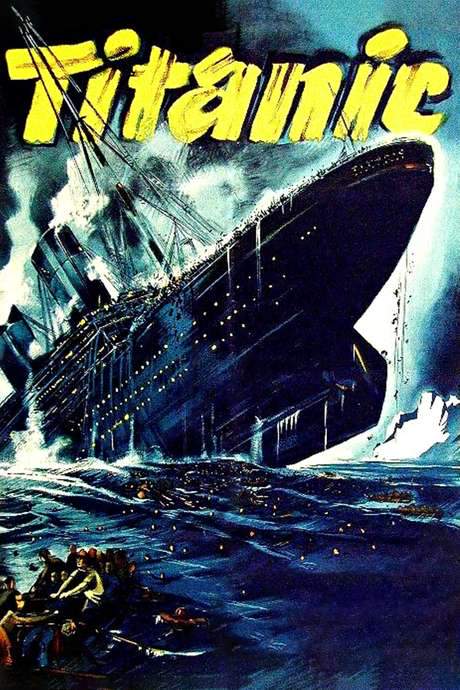
As the cold Atlantic claims the vessel, Petersen finds a young girl abandoned in her cabin by her parents. He dives into the freezing water, cradling the child in his arms, and is pulled onto the lifeboat commanded by Sigrid. The pair are eventually reunited aboard the lifeboat, looking back in horror as the Titanic sinks beneath the waves. The disaster’s aftermath is felt far beyond the ship’s hull.
In the British inquiry that follows, Petersen testifies against Ismay, condemning the actions that fueled the financial gamble. Yet Ismay is cleared of charges, and the blame is shifted onto Captain Smith’s shoulders. As the courtroom empties, the closing line of the epilogue lingers, underscoring the human cost of unchecked pursuit of profit:
The deaths of 1,500 people remain un-atoned, an eternal condemnation of England’s endless quest for profit.
Titanic Timeline: Every Key Event in Order
15 key events in the order they happen, from “Shareholder meeting and stock worries” to “Epilogue: moral consequence”. 15 events name a place, across 14 locations.
- 1
Shareholder meeting and stock worries
At a White Star Line shareholder meeting, Ismay warns that the share price is sinking and nothing seems to stop it. The market panic leads many stockholders to start selling their shares. He hints that a plan tied to the Titanic's maiden voyage could turn the situation around.
When:Day of the meeting Where:White Star Line boardroom
- 2
Private board meeting: Ismay's secret to boost stock
In a private session with the board, Ismay promises to reveal a secret during Titanic's maiden voyage that will raise the stock price. He urges the board to sell now and buy back later at a lower price. He suggests the move will line his pockets and revive confidence in the Line.
When:Before the voyage Where:White Star Line private boardroom
- 3
Ismay's speed-spike belief
On the Titanic, Ismay reveals that he believes breaking the ship's speed record will lift the stock's value. He links the daring plan to the Line's prestige and investors' optimism. This belief anchors his resolve to press for maximum speed.
When:Maiden voyage underway Where:Titanic
- 4
Opening dinner secret revealed
During the opening dinner, Ismay publicly reveals his secret plan, and the board realizes the motive behind the speed push. They understand the goal is to raise share prices through accelerated performance. Panic and ambition collide as they decide how to act.
When:Opening dinner Where:Titanic dining room
- 5
Rush to the telegraph office
When the secret is revealed, the board rushes to the telegraph office to buy more shares and spread word of the plan. The frenetic telegram traffic inflates expectations and tightens Ismay's control of the narrative.
When:Immediately after dinner Where:Titanic telegraph office
- 6
Morning aftermath: gamble fails; Ismay's stock reveal
The next morning, the stock price continues to fall despite Ismay's assurances. He tries to calm the board by predicting gains from Blue Riband and hints at foul play. He also privately admits to his fiancée that he had shorted the stock by borrowing millions.
When:Following the opening dinner Where:Titanic private quarters
- 7
Astor learns of Ismay's plan; prepares counter-move
Telegraph officer informs Astor's assistant about Ismay's eagerness to know stock prices, triggering Astor to devise a plan of his own to push the stock lower upon reaching New York. The aim is to gain a larger share of the Line.
When:After Ismay's strategy becomes known Where:Telegraph office / Astor's circle
- 8
Petersen pleads to slow the ship
First Officer Petersen pleads with Ismay to slow Titanic through the ice fields. Ismay refuses and orders Captain Smith to maintain the vessel's record-breaking speed.
When:Approaching ice region Where:Titanic bridge
- 9
Iceberg sighting and failed repair
An iceberg is sighted and the ship's searchlight filaments break, with no spare filaments aboard. The crew faces a dire situation as the risk of collision escalates.
When:Night of collision prep Where:North Atlantic night
- 10
The collision and sinking begins
Titanic strikes the iceberg and begins to sink, throwing passengers into confusion and fear. The ship's safety protocols falter as water floods lower decks.
When:Moment of impact Where:North Atlantic
Show the other 5 events of Titanic Hide the last 5 events
- 11
Petersen and Sigrid rescue; plan for Ismay's trial
Petersen and Sigrid Olinsky rescue many passengers and Petersen arranges a seat for Ismay in order for him to stand trial for causing the disaster. Their acts of courage contrast with Ismay's looming fate.
When:During sinking Where:Titanic (various locations)
- 12
Petersen's rescue of the young girl; reunion with Sigrid
Petersen finds a young girl abandoned in her cabin and bravely jumps into the freezing water with her. They are pulled aboard Sigrid's lifeboat, and she and Petersen reunite as the tragedy unfolds.
When:Late sinking Where:North Atlantic, near lifeboat
- 13
Titanic sinks beneath the waves
The ship finally plunges beneath the waves, sealing the fate of many aboard. The cold sea and darkness mark the end of a dream driven by profit.
When:Final moment Where:North Atlantic
- 14
British Inquiry: Ismay cleared, Captain Smith blamed
At the British Inquiry, Petersen testifies against Ismay, condemning his actions. However, Ismay is cleared of charges while Captain Smith bears most of the blame for the disaster.
When:After events Where:British Inquiry courtroom, London
- 15
Epilogue: moral consequence
An epilogue notes that the deaths of 1,500 people remain un-atoned, serving as an eternal condemnation of England's relentless pursuit of profit. The film closes on a moral warning about corporate greed.
When:After inquiry Where:Epilogue
Who Are the Main Characters in Titanic?
5 characters, among them First Officer Petersen (Hans Nielsen), Sigrid Olinsky (Sybille Schmitz) and John Jacob Astor (Karl Schönböck): who each one is and the part they play in the story. Every profile links to the actor’s page.
- FO
First Officer Petersen (Hans Nielsen)
Played by Hans Nielsen
Brave and dutiful, Petersen embodies calm leadership under pressure. He pleads for prudent speed in ice-infested waters but remains committed to saving as many lives as possible, often risking his own safety. His actions contrast with the boardroom schemes and highlight a steadfast sense of responsibility.
- 🧭 Leadership
- 🛡️ Duty
- 🤝 Resolve
- SO
Sigrid Olinsky (Sybille Schmitz)
Played by Sybille Schmitz
A Russian aristocrat with a poised demeanor, Sigrid balances personal history with moral action. She becomes Petersen's ally, aiding in rescues and offering shelter on lifeboats. Her presence underscores dignity and courage amid chaos.
- 🕊️ Nobility
- 🧭 Loyalty
- 🤝 Ally
- JJ
John Jacob Astor (Karl Schönböck)
Played by Karl Schönböck
A shrewd, wealthy passenger who senses Ismay's stock gambit and tests his own influence against corporate manipulation. He is calculating and strategic, pushing for schemes that could exploit the disaster for financial gain while confronting rival interests.
- 💼 Business
- 🧭 Strategy
- ⚖️ Ethics
- CE
Captain Edward J. Smith (Otto Wernicke)
Played by Otto Wernicke
The ship's captain who commands under mounting pressure as ice and disaster unfold. His leadership is ultimately scrutinized in the inquiry, and the tragedy frames a critique of responsibility and authority during a crisis.
- ⚓ Command
- 🧭 Duty
- 🌊 Crisis Management
- JB
J. Bruce Ismay (Ernst Fritz Fürbringer)
Played by Ernst Fritz Fürbringer
President of the White Star Line whose gambit to boost stock prices through the maiden voyage reveals his appetite for profit over prudence. He doubles down on risky decisions, only to face post-disaster scrutiny and condemnation in the inquiry.
- 💼 Profit
- ⚖️ Ethics
- 🧭 Influence
Where and When Is Titanic Set?
Titanic is set in RMS Titanic, North Atlantic Ocean, New York City and London (1912). Here is why the time and place matter to the story.
When
1912
Set during the Titanic's maiden voyage in 1912, the film places its drama amid the era of opulent ocean liners. It unfolds in a world of luxury, speed competitions like the Blue Riband, and high-stakes finance. The disaster reframes this period's faith in progress, prompting a post-crash inquiry into responsibility.
Where
RMS Titanic, North Atlantic Ocean, New York City, London
The main action unfolds aboard the RMS Titanic on its maiden voyage across the North Atlantic, with critical scenes in the ship's public and private spaces during crisis and strategy meetings. The story also follows the aftermath—first the New York stock market maneuvers and the British inquiry back in England that frame the disaster as a moral test of capitalism. The film juxtaposes luxury and peril, showing how wealth and ambition meet a deadly iceberg.
- 🚢 Ship
- 🌊 Ocean
- 🗺️ Historic voyage
What Are the Themes of Titanic?
3 ideas the story keeps returning to, among them Greed and Accountability, Heroism and Sacrifice and Class and Society.
-
01
Greed and Accountability
The plot centers on Ismay's stock manipulation and the rush to monetize disaster risk. The film presents a critique of profit-driven decisions that overlook human cost. The British inquiry and the ultimate public condemnation emphasize the moral consequences of reckless greed.
-
02
Heroism and Sacrifice
First Officer Petersen acts with duty and courage, guiding passengers and risking his life to save others. Sigrid Olinsky embodies dignity and quiet resolve, aiding in rescues and standing against fear. The lifeboat scenes and rescues highlight acts of selflessness amid catastrophe.
-
03
Class and Society
The disaster exposes stark class divisions as First Class passengers react differently from those in steerage. Characters like Petersen, Sigrid, and others navigate social boundaries with grace, while greed and sensationalism drive decisions in the background. The tragedy becomes a moral commentary on wealth and social power during an era of rapid modernization.
What Kind of Film Is Titanic?
Bleak in tone, with steady pacing and a moderate story, going by the plot summary.
- Tone
- Bleak
- Pacing
- Steady
- Story
- Moderate
- Intensity
- High
- Ending
- Bleak
A tense and fatalistic historical drama that builds steadily toward a tragic maritime disaster, leaving viewers with a grim and morally outraged feeling about the human cost of unchecked corporate greed.
- tense
- grim
- anxious
- tragic
- morally outraged
- suspenseful
- hubris and greed
- disaster survival
- political corruption
- class divide
Content notes: mass death, child endangerment, distress at sea.
Quiz
How well do you remember Titanic? Test yourself on the story.