What Is Sink the Bismarck! About?
The premise of Sink the Bismarck! in 298 words, with nothing given away. The full story follows below.
In the early days of World War II the Atlantic becomes a chessboard of steel and steam, where a single, newly‑launched German battleship threatens to tip the delicate balance of power. The mighty Bismarck, escorted by the heavy cruiser Prinz Eugen, attempts a daring breakout that could endanger the vital supply lanes sustaining the British Isles. Across the sea, the Royal Navy scrambles its fleet, radar‑equipped cruisers and carriers converging on a moving target that outguns every ship in a convoy, and the stakes feel as vast as the ocean itself.
At the heart of the British effort sits Jonathan Shepard, a seasoned captain burdened by personal loss—a widower whose own son serves in the Navy. Shepard’s leadership is marked by an icy exterior that masks a deep, quiet resolve, and his strategic mind drives the hunt from a secret war room in London. Assisting him is Anne Davis, a sharp‑witted WRNS second officer whose cautious professionalism challenges Shepard’s demeanor, hinting at a partnership built on mutual respect and unspoken tension.
The film’s tone is a blend of relentless urgency and measured solemnity, underscored by the whispered order issued by Winston Churchill to “sink the Bismarck.” The looming directive hangs over every charted course and every radar ping, turning each decision into a matter of national survival. Against this backdrop, the swirling mists of the North Atlantic become both a physical and psychological battlefield, where duty, honor, and personal sacrifice intertwine.
As the British fleet steadies for the pursuit, the audience is drawn into a world of high‑stakes maneuvering, where the line between hunter and hunted blurs beneath the cold steel of warships and the fragile hope of those waiting on the home front. The chase promises tension, camaraderie, and a quiet, relentless drive toward an uncertain horizon.
What Happens in Sink the Bismarck!?
The complete story of Sink the Bismarck!, from the first scene to the last, in 527 words (about 2 minutes). Spoilers throughout. Names in the text link to 3 cast member pages.
Spoilers ahead
In February 1939, Nazi Germany’s most powerful battleship, Bismarck, is launched, signaling a new era of naval power. In May 1941, British intelligence spots Bismarck and the heavy cruiser Prinz Eugen poised to sail into the North Atlantic to threaten Allied convoys. From a secret war room in London, Captain Jonathan Shepard, Kenneth More a widower whose son serves in the Navy, coordinates the hunt with the help of Anne Davis, Dana Wynter, a WRNS Second Officer who is wary of his ice-cold exterior. The two German ships collide with HMS Hood and HMS Prince of Wales in the Denmark Strait, and a brutal gun battle erupts.
The Hood erupts in a devastating explosion, a shock that travels through both fleets. The Prince of Wales takes a severe hit, its bridge destroyed as Bismarck returns fire, while the Prince of Wales retreats behind a smoke screen. Prinz Eugen veers off, and Bismarck is shadowed by radar-equipped cruisers HMS Suffolk and HMS Norfolk, forcing the German task force to maneuver for safety. Across London, Winston Churchill, Norman Shelley, issues the remarkable order to “sink the Bismarck.”
sink the Bismarck
With Prinz Eugen slipping away toward Brest, Bismarck turns to provide cover as allied ships press the chase. An air assault from HMS Ark Royal leaves Bismarck with damaged fuel tanks, yet the battleship remains largely seaworthy. In the meantime, Captain Shepard’s personal stake intensifies when his own son’s plane goes missing, pushing him to gamble on a calculated intercept. He commits a large force to the pursuit, and the risk pays off when Bismarck is spotted steering toward the French coast. The Ark Royal’s Swordfish squadron makes two critical attempts to strike. In the first pass, the torpedoes misidentify HMS Sheffield as the target, and the magnetic fuzes prove unreliable, many detonating harmlessly in the sea.
Returning to the carrier, the pilots switch to conventional detonators for the second strike, and a successful hit near the stern cripples Bismarck’s rudder. A desperate turn of events follows as the battleship loops in circles through the night.
Two British destroyers close in and flood the crippled ship with torpedoes; one lucky hit sinks a destroyer, and the others press the attack. The main force—the battleships HMS Rodney and HMS King George V—finally closes and delivers devastating shells. Admiral Gunther Lütjens, aboard Bismarck, is killed when a shell tears into the ship’s bridge, and the surviving officers abandon ship as the hull succumbs. On King George V, Admiral John Tovey orders Dorsetshire to unleash torpedoes, sealing the fate of the German heavy cruiser. The Bismarck tilts and sinks beneath the waves, and Patterson, the King George V’s captain, lowers his head in the solemn moment. “Well, gentlemen, let’s go home,” his measured, authoritative command lingering as the spectacle ends.
Back in London, Shepard finally receives a moment of personal clarity when he asks Second Officer Davis to dinner, only to realize it is nine o’clock in the morning and the two end up heading out for breakfast instead. The mission’s toll lingers, but the story closes with a quiet sense of resolve and closure for those who lived through the chase.
Sink the Bismarck! Timeline: Every Key Event in Order
15 key events in the order they happen, from “Bismarck is launched” to “Survivors rescued; final moment”. 14 events name a place, across 5 locations.
- 1
Bismarck is launched
In February 1939, Nazi Germany's battleship Bismarck is launched, signaling a new era of German sea power. The ship's introduction establishes it as a centerpiece of the Kriegsmarine's ocean-going strategy. The event sets the stage for the film's ensuing chase and naval drama.
When:February 1939
- 2
Intelligence spots Bismarck and Prinz Eugen
In May 1941, British naval intelligence spots Bismarck and the heavy cruiser Prinz Eugen about to sail into the North Atlantic to attack Allied convoys. The discovery triggers a high-stakes pursuit designed to prevent a devastating convoy raid. London becomes the hub for the hunt.
When:May 1941 Where:London
- 3
London war room coordinates the hunt
From an underground war room in London, Captain Jonathan Shepard coordinates the pursuit with the aid of Anne Davis, WRNS. Shepard's icy demeanor masks a deeply personal stake, as his son serves in the Navy. The plan hinges on catching Bismarck before she can reach safety.
When:May 1941 Where:London
- 4
Battle in the Denmark Strait
HMS Hood and HMS Prince of Wales engage Bismarck and Prinz Eugen in the Denmark Strait. The Hood explodes and sinks in a spectacular blaze, shocking sailors on both sides. The Prince of Wales is damaged, and the German ships retreat under the pressure of pursuing British forces. Prinz Eugen heads for Brest while Bismarck covers her withdrawal.
When:May 1941 Where:Denmark Strait
- 5
Churchill orders to sink the Bismarck
News of Hood's destruction reaches Whitehall, and Winston Churchill officially orders the Bismarck to be sunk. The British fleet closes in, prepared to trap and neutralize the damaged battleship at sea. The chase intensifies as Bismarck battles to avoid capture.
When:May 1941 Where:London
- 6
Air attack damages Bismarck
Swordfish torpedo planes from HMS Ark Royal attack Bismarck again, scoring a blow to her fuel tanks. The damage is serious but not decisive, leaving the battleship still capable of fighting. The pursuit becomes a grueling test of endurance for both sides.
When:May 1941 Where:Atlantic Ocean
- 7
First Swordfish attack misidentifies target
The first torpedo run misidentifies HMS Sheffield as the Bismarck because of faulty magnetic detonators. The torpedoes explode at sea rather than on impact, wasting the opportunity. The pilots regroup and prepare for a second attack.
When:May 1941 Where:Atlantic Ocean
- 8
Second Swordfish attack cripples Bismarck
With conventional detonators, the second torpedo strike hits near the stern and jams the Bismarck's rudder. The crippled ship can only circle, unable to maneuver away from the pursuing British forces. The chase reaches a critical turning point as the fleet tightens the net.
When:May 1941 Where:Atlantic Ocean
- 9
Shepard's personal blow
Back in London, Captain Shepard learns his son's plane has gone missing, a devastating personal blow that hardens his resolve to finish the mission. The loss adds emotional weight to the strategic pursuit. The war room mood grows tenser as time presses on.
When:May 1941 Where:London
- 10
Shepard bets on the interception
Convinced that Lütjens ordered a risky return to friendly waters, Shepard wagers a large naval force on intercepting the Bismarck. The gamble pays off when a tracking lead locates her steaming toward the French coast. Fuel and reinforcements become critical constraints as the chase intensifies.
When:May 1941 Where:North Atlantic
Show the other 5 events of Sink the Bismarck! Hide the last 5 events
- 11
Solent sunk and the chase continues
During the night, two British destroyers press the crippled Bismarck with torpedoes. One hit sinks HMS Solent, while Bismarck returns fire. The action demonstrates both the ship's stubborn resilience and the Royal Navy's determination to finish the hunt.
When:Night of May 1941 Where:Atlantic Ocean
- 12
Main fleet engages the Bismarck
The next day, the main British force including HMS Rodney and HMS King George V closes in and rains shells on the damaged battleship. The bombardment pushes Bismarck toward her limits as the British press for a final incapacitating blow. The drama underscores a battle of attrition between two powerful fleets.
When:May 1941 Where:Atlantic Ocean
- 13
Lütjens is killed; the ship is doomed
A shell strikes Bismarck's bridge, killing Admiral Günther Lütjens and most of the bridge crew. With the command structure decimated, the remaining officers and crew abandon ship as the vessel takes on water and lists badly. The morale of the crew collapses in the face of inevitable destruction.
When:May 1941 Where:Bismarck's bridge
- 14
Bismarck sinks
Dorsetshire fires torpedoes into the heavily damaged vessel, causing it to capsize and sink faster than its crew can evacuate. The once-mighty battleship disappears beneath the waves, marking a decisive Royal Navy victory. The scene caps the film's climactic pursuit with a somber sense of achievement.
When:May 1941 Where:Atlantic Ocean
- 15
Survivors rescued; final moment
Admiral Tovey orders Dorsetshire to pick up survivors, bringing the chase to a close. Back in London, the victory is tempered by cost, and a small, human moment hints at normal life returning—Shepard and Davis sharing breakfast after a time-misread morning. The film ends on a quiet note that balances triumph with tragedy.
When:May 1941 Where:London
Who Are the Main Characters in Sink the Bismarck!?
6 characters, among them Captain Jonathan Shepard (Kenneth More), Anne Davis (Dana Wynter) and Admiral Sir John Tovey (Michael Hordern): who each one is and the part they play in the story. Every profile links to the actor’s page.
- CJ
Captain Jonathan Shepard (Kenneth More)
Played by Kenneth More
A widower with a son in the Navy, Shepard coordinates the hunt for the Bismarck from an underground London war room. His icy, calculating demeanor masks a fierce, personal resolve to protect his crew and his family. He confidently bets on an aggressive plan that relies on timely intelligence and bold use of aircraft, a decision that proves pivotal to the mission.
- 🧭 Calculated
- 💔 Grieving
- 👨✈️ Leader
-

Anne Davis (Dana Wynter)
Played by Dana Wynter
The WRNS Second Officer who works closely with Shepard, she challenges his distant style and provides a humane perspective during crisis. Her presence adds nuance to the command dynamic, showing the value of steadiness and communication in wartime decisions.
- 🗡️ Steady
- 🗨️ Communicator
- 💪 Resolve
-
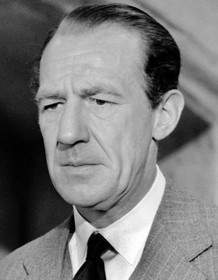
Admiral Sir John Tovey (Michael Hordern)
Played by Michael Hordern
Commander-in-Chief, his authority anchors the Royal Navy’s response. He oversees fleet operations from a high-level perspective, balancing strategic goals with the realities of limited resources and the urgency to act against the German threat.
- 🧭 Strategic
- 🛡️ Command
- 🗺️ Authority
- AL
Admiral Lutjens (Karl Stepanek) — Bismarck
Played by Karl Stepanek
The German fleet commander aboard the Bismarck, Lutjens embodies calculated resilience and tactical pressure. He aims to break Allied convoy lines and seeks a tactical retreat to safety when pressure mounts, ultimately meeting his fate on the Bismarck’s bridge.
- ⚔️ Cunning
- 🧭 Commander
- 💪 Resolve
- CW
Captain Wilfrid Patterson (Jack Gwillim) — King George V
Played by Jack Gwillim
Captain of the King George V, he leads the British line of pursuit and ultimately fires the decisive torpedoes that help bring the Bismarck to heel. His calm presence amid battle underscores the weight of responsible command.
- 🧭 Leader
- 🛡️ Calm
- 🎯 Decisive
-

Tom Shepard (John Stride)
Played by John Stride
Captain Shepard’s son and a member of Ark Royal’s Swordfish squadron, his role adds a personal stake to the hunt. The narrative threads his perilous status into the broader wartime effort, highlighting the cost of conflict on families.
- 🎖️ Son in the Navy
- 🛩️ Pilot
- 💙 Family
Where and When Is Sink the Bismarck! Set?
Sink the Bismarck! is set in North Atlantic Ocean, London, Denmark Strait and Brest (occupied France) (1941). Here is why the time and place matter to the story.
When
1941
Set during World War II, the narrative centers on the 1941 Atlantic chase of the German battleship Bismarck. The period is defined by high-stakes naval warfare, radar-driven convoy protection, and rapid decision-making under immense pressure. The events hinge on a narrow window before German relief and fuel constraints alter the balance of power at sea.
Where
North Atlantic Ocean, London, Denmark Strait, Brest (occupied France)
The story unfolds across a London underground war room and the perilous North Atlantic sea lanes. Key action points include the Denmark Strait encounter between the Hood, Prince of Wales, and the German Bismarck with Prinz Eugen. The pursuit stretches toward Brest in occupied France as German ships seek shelter, while Royal Navy forces circle the target.
- ⚓ Naval
- 🗺️ War
- 🕰️ WWII
What Are the Themes of Sink the Bismarck!?
3 ideas the story keeps returning to, among them Duty, Leadership and War at Sea.
-
01
Duty
Duty drives the main characters as they balance personal costs with strategic imperatives. Captain Shepard leads a high-stakes hunt from a wartime command center, prioritizing mission success over personal peace. Anne Davis adds a human counterpoint, reminding that duty often comes at emotional cost.
-
02
Leadership
Leadership is tested under extreme pressure, with decisions that carry life-or-death consequences for sailors and civilians alike. The command rooms and bridge crews demonstrate how conviction, timing, and risk-taking shape the outcome. The film examines what it takes to steer a fleet through chaos.
-
03
War at Sea
The sea becomes a character itself, shaping strategy, speed, and fate. Naval technology, radar, and torpedoes redefine engagement, while weather and sea conditions influence command choices. The film highlights the brutal efficiency and fragility of battleships against determined pursuers.
What Kind of Film Is Sink the Bismarck!?
Tense in tone, with steady pacing and a straightforward story, going by the plot summary.
- Tone
- Tense
- Pacing
- Steady
- Story
- Straightforward
- Intensity
- High
- Ending
- Bittersweet
A tense and solemn war drama that steadily builds suspense through strategic command and brutal naval combat, culminating in victory that carries the heavy weight of immense sacrifice.
- tense
- solemn
- determined
- anxious
- gripping
- strategic
- naval warfare
- military strategy
- loss and sacrifice
- perseverance
Content notes: war violence, mass death, sinking ship, naval combat.
Quiz
How well do you remember Sink the Bismarck!? Test yourself on the story.