

What Is Above Us the Waves About?
The premise of Above Us the Waves in 292 words, with nothing given away. The full story follows below.
In the relentless chill of World II’s North Atlantic, a massive German battleship lurks in a narrow Norwegian fjord, threatening to tip the balance of the naval war. The Royal Navy, strained by convoy protection and haunted by the specter of hidden steel, finds its conventional firepower useless against a foe shielded by geography and armor. The atmosphere is one of austere determination, where every decision feels weighed against the lives of distant sailors and the fate of the war itself.
At the heart of the response is Commander Fraser, a seasoned officer whose conviction in unconventional methods clashes with the caution of his superiors. He assembles a tight‑knit unit of commandos and volunteers, training them in the use of miniature “human torpedoes” known as Chariots. The training ground—an isolated Scottish facility—becomes a crucible of precision, silence, and the relentless pursuit of a plan that could strike where bombs cannot reach.
Supporting Fraser are officers such as Lieutenant Tom Corbett and Lieutenant Alec Duffy, each bringing a blend of technical skill and steadfast loyalty. Their interactions reveal a quiet camaraderie forged in the shadows of secrecy, underscored by a mutual respect for the perilous nature of their task. The crew’s resolve is tempered by the skeptical eyes of the Admiralty, who balance the promise of innovation against the harsh realities of wartime risk.
The film inhabits a mood of restrained tension, where the cold sea and looming cliffs mirror the internal steadiness required of those who dare to defy convention. As the operation’s details coalesce—tiny subs, hidden explosives, a daring slip past enemy defenses—the story hints at the razor‑thin line between heroic ingenuity and unforgiving danger, inviting the audience to linger on the weight of each measured breath before the inevitable plunge.
What Happens in Above Us the Waves?
The complete story of Above Us the Waves, from the first scene to the last, in 889 words (about 4 minutes). Spoilers throughout. Names in the text link to 4 cast member pages.
Spoilers ahead
Commander Fraser, John Mills, leads a bold but controversial push inside a Royal Navy outpost that is torn between two urgent duties: safeguard distant convoys under threat from German submarines and keep the Tirpitz, a heavily fortified battleship, from tipping the balance of the war. The RN brass, including Admiral Ryder, James Robertson Justice, worry about overcommitting to an unproven weapon while the fleet remains wary of the enemy’s capacity to strike from the sea. Against this skepticism, Fraser believes that a small, highly trained force can change the game by using new, untested methods of attack.
Fraser organizes and trains a dedicated team of British commandos and ratings to master the Mk I Human Torpedo, also known as the Chariots, at a secluded Scottish base. With meticulous drills and careful planning, the unit experiments with precision and stealth, aiming to bypass traditional naval power and strike at Tirpitz where it lies sheltered inside a Norwegian fjord. Early attempts involve attaching dummy limpet mines to the admiral’s own ship, a gambit that shifts the mood in the room from doubt to cautious optimism. The success of this audacious move earns Fraser’s force a hard-won authorization to mount an actual attack on Tirpitz, despite the initial policy against unproven weaponry.
The first mission ends in a stark, sobering lesson. The attempt with the human torpedoes fails, and the men are forced to abandon their craft and make a perilous dash to the Norwegian coast. From there, they navigate to neutral Sweden on foot before being escorted back to Scotland. The failure is a sharp reminder that even ingenuity can be thwarted by sea power and weather, but the team’s resolve only grows stronger.
With the lessons of the first attempt in hand, the plan pivots toward a more extended and technically complex operation. The crews train to operate small X-Craft submarines—X1, X2 and X3—designed to slip under Tirpitz and plant “side-cargoes.” These weapons are packed with two tons of explosive amatol and require a daring, precise approach. The new plan depends on towing the X-crafts over the North Sea by conventional submarines, after which they will be released to penetrate the fjord undetected. The excitement around the project is matched by the danger, as any misstep could spell disaster for the sailors involved.
As the operation unfolds, the teams execute a daring detachment beneath Tirpitz’s hull. Each X-Craft carries a heavy payload, and the mission proceeds despite setbacks: X2 suffers serious damage and cannot surface, yet its crew makes the fateful choice to remain aboard to avoid revealing their presence. Meanwhile, X1 and X3 complete their own dives, successfully planting their mines before the submarines are scuttled to avoid capture. The Germans eventually seize the stranded crews as prisoners of war, a tense reversal that could have ended in tragedy, but the captors show surprising respect for their adversaries.
The Tirpitz is not spared by the explosions. The mines detonate in devastating fashion, dealing severe damage to the battleship and forcing a dramatic response from the German crew. The sound of the blasts echoes through the fjord as the attackers’ fate hangs in the balance. The crew of X2, hearing the explosions, attempts to flee, but their side cargoes flood and the craft catastrophically detonate, destroying X2 and killing its crew. The raid is a brutal reminder of the high stakes and the personal costs of such audacious warfare.
Throughout the mission, the film grounds itself in a tone of sober calculation and quiet courage. The men who undertake these dangerous tasks—led by the disciplined command of John Mills and supported by the broader team including Donald Sinden as Lieutenant Tom Corbett and John Gregson as Lieutenant Alec Duffy—embody a blend of grit, ingenuity, and professional discipline. The portrayal highlights not just the tactical ingenuity of using Chariots and X-Craft but the human element—the camaraderie, the fear, and the stubborn resolve to press forward even when the odds are overwhelming.
In the shadow of the fjord and the roar of distant explosions, the crew’s actions are framed by moments of restraint and respect from their German counterparts. The Tirpitz’s crew, though adversaries, recognize the bravery of their opponents in a rare gesture of courtesy that underscores the humanity present even in war. The captain’s quiet acknowledgement stands in stark contrast to the weaponry unleashed below the hull, a reminder that courage can exist on both sides of conflict.
The narrative never loses sight of the technical details that define the operation—the reflections on timing, seamanship, and the risk of detection, all conveyed with a calm, documentary clarity. The result is a detailed portrait of a daring, fate-driven mission that seeks to shift strategic balance through audacious innovation rather than sheer force. The story lingers on the fraught emotions of the sailors, the tension of every approach, and the costly price of pride and perseverance in war.
“Brave men,” the captain of Tirpitz salutes them, providing blankets and schnapps.
In the end, the balance remains delicate. Tirpitz is damaged, altering the naval calculus of the war, while the cost to the attacking crews is measured in lives and lost craft. The mission demonstrates the peril and promise of human ingenuity in warfare, and it cements a legacy of daring that would be remembered long after the fjords had returned to silence.
Above Us the Waves Timeline: Every Key Event in Order
13 key events in the order they happen, from “Fraser's conviction: human torpedoes as practical weapons” to “X2 crew attempt escape but perish”. 13 events name a place, across 9 locations.
- 1
Fraser's conviction: human torpedoes as practical weapons
The Royal Navy is worried about convoys and the threat of German submarines, while Tirpitz occupies a fjord. After air attacks by the RAF fail to sink her, Commander Fraser resolves to prove that human torpedoes can be a practical weapon. He begins exploring this unproven method as a possible way to counter Tirpitz without committing an entire fleet.
Where:Royal Navy HQ / Scotland
- 2
Fraser forms and trains frogmen for Mk I Human Torpedoes
Fraser assembles a force of British commando frogmen officers and ratings to operate Mk I Human Torpedo 'Chariots' at their Scottish base. The unit undergoes intensive training and selection for dangerous underwater strikes. This preparation marks the birth of the special weapons program.
Where:Scottish base
- 3
Dummy mine attack on Tirpitz gains cautious approval
The team attaches dummy limpet mines to the admiral's own ship, demonstrating the potential impact of their weapons. The successful demonstration convinces higher command to authorize a real attack on Tirpitz. The event shifts the program from testing to active planning.
Where:Tirpitz, Norwegian fjord
- 4
Authorization granted for initial Chariot attack
Following the demonstration, the Royal Navy grants approval to attack Tirpitz using Chariots, reversing the earlier policy of avoiding unproven weaponry. Fraser's force moves from training to execution planning. The decision marks the first official authorization for the mission.
Where:UK naval command
- 5
First Chariot attack on Tirpitz fails
The first Chariot mission reaches Tirpitz but fails to sink or damage the battleship. The crew abandons their craft and lands in Norway, then makes a grueling trek to neutral Sweden before being returned to Scotland. The mission exposes the risks of using human torpedoes in a heavily defended target.
Where:Norwegian fjord; Norway; Sweden
- 6
Lessons lead to X-Craft approach
After the failure, planners pivot to using small X-Craft submarines X1, X2 and X3. The crews train intensively to operate the new craft and plan a more covert approach. The Scottish base becomes the central hub for the new program.
Where:Scottish base
- 7
X-Craft mission preparation and tow into North Sea
In the next operation, the X-Craft boats are towed over the North Sea by conventional submarines and then released to penetrate Tirpitz's fjord. They aim to place explosive side-cargoes beneath the hull. The mission emphasizes stealth and the danger of navigation under heavy guard.
Where:North Sea and Norwegian fjord
- 8
X1 and X3 install side cargoes under Tirpitz
X1 and X3 approach undetected and lay their two-ton side-cargoes beneath Tirpitz's hull. The operation progresses as planned, threatening a crippling blow to the battleship. The crew of the other boats keeps watch, aware that any failure could reveal the entire plan.
Where:Tirpitz hull, Norwegian fjord
- 9
X2 is damaged; crew stay aboard to avoid detection
X2 is badly damaged and cannot resurface, but the crew decides to stay aboard to avoid giving away the mission. They resist attempts to abandon ship, accepting the risk of sinking with their craft. The incident shows the harsh realities of underwater warfare.
Where:X2 location in fjord
- 10
Crew of X1 and X3 scuttle their boats; capture by Tirpitz crew
X1 and X3 successfully scuttle their boats; the crews are captured by Tirpitz crew and taken as prisoners of war. Some German sailors are aggressive, yet the Tirpitz captain respects their courage. The exchange ends with the British crews in German hands.
Where:Tirpitz, Norwegian fjord
Show the other 3 events of Above Us the Waves Hide the last 3 events
- 11
Tirpitz captain's salute and hospitality
The Tirpitz captain salutes the British sailors as brave men and offers blankets and schnapps as they are held aboard the battleship. The gesture underlines a rare moment of courtesy amid wartime hostilities. The accounts highlight the tension between admiration and capture.
Where:Tirpitz, Norwegian fjord
- 12
Mines explode and damage Tirpitz
The side cargoes explode on schedule, inflicting serious damage to Tirpitz. The battle-worn ship lists, signaling a turning point in the conflict and the potential effectiveness of the X-Craft method. The attack demonstrates the strategic impact of the operation.
Where:Tirpitz, Norwegian fjord
- 13
X2 crew attempt escape but perish
Hearing the explosions nearby, X2's crew attempt an escape but their flooded cargoes cause an internal detonation that destroys X2 and kills her crew. The tragedy underscores the perilous nature of covert warfare. The mission's success in damaging Tirpitz is tempered by the losses.
Where:X2 wreck, Norwegian fjord
Who Are the Main Characters in Above Us the Waves?
5 characters, among them Commander Fraser (John Mills), Admiral Ryder (James Robertson Justice) and Engineer, X2 (Anthony Newley): who each one is and the part they play in the story. Every profile links to the actor’s page.
-
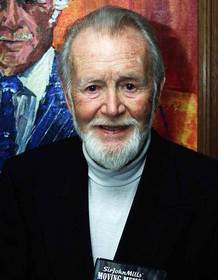
Commander Fraser (John Mills)
Played by John Mills
Fraser is a determined Royal Navy commander who leads the rookie frogmen and later the X-Craft crews. He pushes to prove that human torpedoes can be a practical weapon against Tirpitz, despite initial scepticism from senior officers. He coordinates training, strategy, and grit, balancing caution with audacity.
- 🧭 Leadership
- 🗺️ Strategy
- ⚙️ Engineering
-
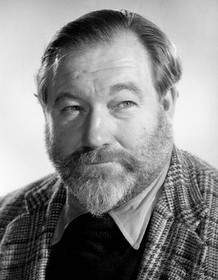
Admiral Ryder (James Robertson Justice)
Played by James Robertson Justice
Admiral Ryder is a high-ranking RN officer who initially resists unproven weapons but understands the need to counter Tirpitz. He is cautious yet pragmatic, weighing risk against convoy protection. He eventually authorizes the mission after considering the potential payoff.
- 🧭 Command
- 🗺️ Strategy
-
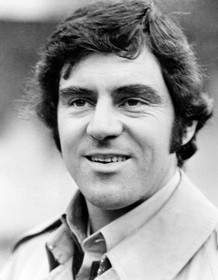
Engineer, X2 (Anthony Newley)
Played by Anthony Newley
X2 is part of the X-Craft crew, an able engineer who keeps the submersibles functioning under extreme pressure. He faces peril when X2 is damaged and chooses to stay aboard to avoid revealing the operation. His technical skill and composure are pivotal to the mission.
- ⚙️ Engineering
- 🧪 Precision
- LT
Lieutenant Tom Corbett (Donald Sinden)
Played by Donald Sinden
Lieutenant Corbett is a key officer among the frogmen, contributing to planning and execution of dives. He endures the tension of long submarine patrols and the dangers of being detected. He supports the mission through leadership and composure.
- 🧭 Discipline
- 🛡️ Teamwork
- CO
Captain of the Tirpitz (O.E. Hasse)
Played by O.E. Hasse
The Tirpitz captain is a disciplined naval commander who oversees the German battleship during the siege. He shows a surprising respect for the attackers, saluting them and offering blankets and schnapps when they are captured. He embodies professional command under threat and a nuanced moral code.
- 🛡️ Respect
- ⚔️ Conflict
Where and When Is Above Us the Waves Set?
Above Us the Waves is set in Scotland, Norwegian fjord, Norway, Sweden and North Sea (1940s). Here is why the time and place matter to the story.
When
1940s
Set during World War II, the film follows British attempts to disable the German battleship Tirpitz using experimental weapons. The period features clandestine planning, perilous covert operations, and rapid technological innovation under wartime stress. It underscores the urgency of protecting convoys and curbing German naval power.
Where
Scotland, Norwegian fjord, Norway, Sweden, North Sea
The training and operations originate at a Scottish naval base where frogmen are prepared. Tirpitz sits 60 miles from the sea inside a Norwegian fjord, presenting a treacherous, sheltered arena for the mission. From there, the action extends into the North Sea and across neutral Sweden as the crews pursue and then retreat from high-risk attacks.
- 🧭 Naval bases
- 🗺️ Fjord terrain
- 🌊 Open seas
What Are the Themes of Above Us the Waves?
3 ideas the story keeps returning to, among them Bravery, Innovation and Humanity in War.
-
01
Bravery
The story centers on the courage of small, specialized crews willing to risk their lives for strategic gains. It highlights personal sacrifice, resilience under pressure, and the heavy costs of bold actions in war. Moments of triumph are tempered by the dangers and potential losses.
-
02
Innovation
A core theme is the development and deployment of unproven weapons, from human torpedoes to X-Craft submarines. The narrative shows trial, error, and engineering prowess driving critical decisions in a military context. It emphasizes both the promise and the peril of experimental warfare.
-
03
Humanity in War
Despite brutal combat, the film presents moments of mutual respect between adversaries. The Tirpitz captain's salute and humane gestures illustrate a spark of honor amid conflict. Camaraderie and loyalty among the crew shape choices under extreme duress.
What Kind of Film Is Above Us the Waves?
Tense in tone, with steady pacing and a moderate story, going by the plot summary.
- Tone
- Tense
- Pacing
- Steady
- Story
- Moderate
- Intensity
- High
- Ending
- Bittersweet
A tense, sober, and technically detailed war film that methodically builds suspense around a high-stakes submarine mission, emphasizing quiet courage and the grim reality of sacrifice amid moments of professional respect.
- tense
- sober
- courageous
- claustrophobic
- methodical
- gritty
- war mission
- naval warfare
- submarine combat
- military innovation
Content notes: war violence, death of soldiers, imprisonment.
Quiz
How well do you remember Above Us the Waves? Test yourself on the story.
Where to Watch Above Us the Waves
. US availability and prices from JustWatch.
Streaming availability in the US, powered by 


