What Is In Which We Serve About?
The premise of In Which We Serve in 296 words, with nothing given away. The full story follows below.
In the midst of a world on the brink of conflict, a newly‑launched destroyer takes shape in a bustling shipyard, its steel hull promising both strength and sacrifice. The film opens with the quiet anticipation that surrounds a vessel about to become a living, breathing part of a nation’s fight, setting a tone that is simultaneously reverent and intimate. The Mediterranean horizon looms large, hinting at the trials that will test the ship and those who serve aboard her.
The heart of the story is E.V. Kinross, a captain whose steady authority is matched by a deep sense of personal responsibility. His command draws together a disparate crew, each man carrying his own hopes, doubts, and the weight of duty. Among them is Shorty Blake, a young officer whose quick wit and quiet resolve offer a counterpoint to the captain’s measured cadence, while the ship’s daily rhythms forge bonds that feel more like family than mere hierarchy.
Beyond the decks, the narrative sweeps through the private lives that orbit the naval world. Freda brings warmth and complexity to the sailors’ off‑duty moments, and Hardy, a seasoned petty officer, embodies the steadfast camaraderie that underpins every operation. The film also touches on the home front through Mrs. Kinross and the infant Bobby Kinross, reminders of the personal stakes that linger far from the sea’s roar. These relationships are rendered in a style that shifts gently between present duty and reflective memory, creating a tapestry of longing and loyalty.
Through restrained cinematography and a measured pace, the story balances the grandeur of wartime service with the quiet heroism of ordinary lives. The tone remains solemn yet hopeful, inviting the audience to contemplate the enduring echo of a ship’s story long after its hull has vanished beneath the waves.
What Happens in In Which We Serve?
The complete story of In Which We Serve, from the first scene to the last, in 802 words (about 3 minutes). Spoilers throughout. Names in the text link to 6 cast member pages.
Spoilers ahead
This is the story of a ship.
In 1941 HMS Torrin fights through a night-time clash with German transports during the Battle of Crete, and at dawn a brutal air assault seals the destroyer’s fate. A crippling hit forces the crew to abandon ship as the Torrin rapidly heels and sinks. Some officers and ratings manage to reach a life raft, but the raft endures intermittent strafing from attacking planes as the sea closes over their vessel. The film then unfolds the ship’s history through memory, moving in and out of flashbacks as the men recount what happened and why they are still alive.
The memories begin with Captain Kinross, Noël Coward, recalling the summer of 1939 when the Torrin is rushed into commission as the looming threat of war moves from distant talk to imminent reality. The ship experiences a quiet Christmas up in the north of Scotland during the Phoney War, a respite that soon yields to action as 1940 brings the first true engagement in the Battle of Narvik. Torpedoes strike the Torrin, leaving her damaged and exposed to relentless dive-bomber attacks as she’s towed back toward port. Back in harbor, Kinross addresses his crew with a candid, almost stern tenderness, acknowledging that nearly all have lived up to their duty, though he confesses a painful shortfall in his own leadership: one man did not perform as required, and in private he chooses to discipline himself with the realization that he failed to make him understand what duty truly requires.
Back in the present, the life raft’s occupants watch the Torrin as she takes in water and sinks further, the horizon sliced by more gunfire. The danger still stalks them, and some men are wounded or killed as the sea keeps its grim tally. Among these memories, Shorty Blake, John Mills, remembers a crucial moment from home: in flashback he meets his future wife on a train during leave, a chance encounter that changes the course of his life. The bond he forms is not isolated; Freda is central to the suddenly tangled personal lives aboard the Torrin. On shore, Freda—Kay Walsh—becomes entwined with Hardy, the affable Chief Petty Officer, and with his wife and mother-in-law, shaping a network of relationships that will echo through the dangers at sea and the battles back home.
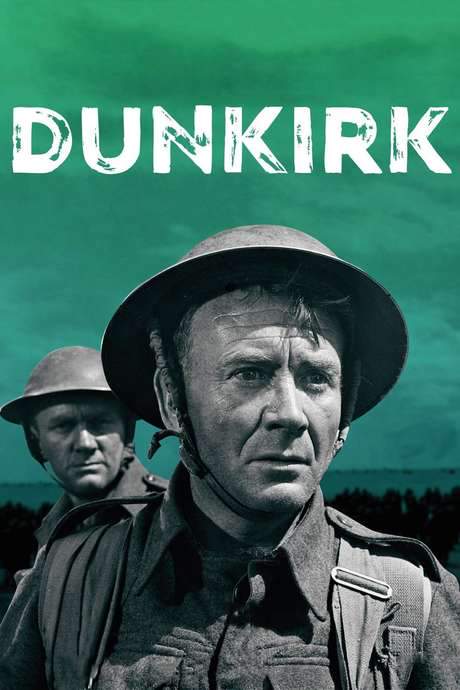
As the Torrin presses into early World War II courage, the ship participates in the Dunkirk evacuation, a moment dramatized here through the representation of the Royal Navy’s effort to pull the British Expeditionary Force to safety. In the midst of the chaos, Blake receives a letter announcing that Freda has given birth to his son, Bobby Kinross, a moment that carries both joy and sorrow as kinship and duty collide with the realities of war. Bobby’s father becomes a symbol of the family the men are compelled to leave behind as the fight continues, and the news deepens the emotional weight carried by Hardy’s family as his wife and mother-in-law are killed in the Plymouth Blitz, a loss that casts a long shadow over those who remain aboard and those who wait for word.
On the raft, the survivors endure the final hours as the Torrin continues to sink. Captain Kinross leads the men with quiet authority, and the crew’s courage is rewarded when a British destroyer finally reaches them. Kinross speaks with the survivors, gathering addresses from those who will live on, and the moment becomes a testament to memory, connection, and the determination to carry on. The film presents these scenes with a restrained, almost ceremonial, sense of duty: the telegrams go out, the wrecked ship’s memory is preserved, and Kinross addresses the assembled survivors in a military depot in Alexandria, Egypt, urging them to translate their losses into renewed resolve for the battles to come. As the last man goes, Kinross shares a quiet, almost private moment with his surviving officers before he steps away, wearied but dignified.
The narrative’s final frame shifts to an optimistic epilogue: stronger ships rise to answer the Torrin’s fate, and Britain—the island nation—stands resolute. Kinross, now in command of a battleship, directs the country’s might from a distance, its massive main guns opening fire against the enemy. The story closes with a somber, quiet acknowledgment of the costs of war and a firm, steady belief in perseverance.
Characters reappear with their memories and loyalties, each moment anchored by the performances of the principal players: Captain Kinross, Noël Coward; Shorty Blake, John Mills; Freda, Kay Walsh; Hardy, Bernard Miles; Mrs. Kinross, Celia Johnson; and Bobby Kinross, Daniel Massey. The result is a measured, immersive portrait of courage, memory, and the ways a single ship can bind a family of sailors to a nation in crisis, while never losing sight of the human cost at every turn.
In Which We Serve Timeline: Every Key Event in Order
14 key events in the order they happen, from “Torrin rushed into commission as war looms” to “Final shot: the battleship fires on the enemy”. 14 events name a place, across 14 locations.
- 1
Torrin rushed into commission as war looms
Captain Kinross recalls the Torrin being rushed into commission as the possibility of war becomes near certainty. The crew is quickly assembled and trained, with pressures mounting to ready the ship for imminent conflict. This memory frames the film’s structure, using flashbacks to tell the ship’s story.
When:1939 Where:UK shipyard
- 2
Phoney War Christmas in the north of Scotland
The Torrin spends a quiet Christmas in the north of Scotland during the Phoney War, a lull before the storms of war fully break. The crew uses the time to reflect, while tensions simmer under a sense of looming danger. The scene contrasts with the violent events that will follow.
When:Christmas 1939 Where:North of Scotland
- 3
First engagement at Narvik
In 1940 the Torrin fights its first engagement during the Battle of Narvik. A torpedo hits the ship, crippling it, and the damaged destroyer is towed back toward port as dive bombers harry it. The crew endures a tense return to safety under continuous aerial attack.
When:1940 Where:Narvik, Norway
- 4
Captain Kinross questions a duty lapse
Safely in harbour after Narvik, Kinross informs the crew that nearly all performed as he expected, but one man did not. He admits he failed to make that sailor understand his duty and lets him off with caution. The moment deepens the film’s meditation on leadership and responsibility.
When:1940 Where:Harbour, Torrin
- 5
Present-day raft survivors amid strafing
The flotilla of life-raft survivors watches the capsized Torrin take on water and slowly sink. German planes return to strafe the raft, causing casualties and injuries among the men. The scene tightens the tension while flashbacks begin to reveal personal histories.
When:present (during the raid, 1941) Where:Mediterranean/at sea
- 6
Shorty Blake meets Freda on a train
Back on leave, Shorty Blake recounts how he met his wife-to-be, Freda, on a train. Freda's connection to Hardy links two of the Torrin’s crew to the ship’s daily life ashore. The memory adds a personal thread to the war’s broader crises.
When:WWII leave (1939-40) Where:UK train
- 7
Dunkirk evacuation and personal news
Torrin participates in the Dunkirk evacuation, depicted here by the Coldstream Guards. Blake receives news that Freda has given birth to his son, a bittersweet note amid destruction. The emotional tension underscores the cost of survival during withdrawal.
When:1940 Where:Dunkirk, France
- 8
Plymouth Blitz and heavy losses
During the Plymouth Blitz, Blake learns of Freda’s baby by letter, while Hardy’s wife and mother-in-law are killed. The news compounds the ship’s men’s sense of personal tolls at home while they fight abroad. The scene ties domestic tragedy to the war's wider chaos.
When:1941 Where:Plymouth, England
- 9
Torrin sinks and the raft endures
The Torrin finally capsizes and sinks, leaving the survivors on the life raft to struggle in the open sea. The raft is again strafed by enemy planes, causing more casualties and injuries as hope for rescue flickers. The moment marks the narrative’s emotional nadir.
When:present day, during the sinking Where:Open sea
- 10
A destroyer arrives and rescues the survivors
A British destroyer reaches the raft, beginning the long process of picking up the survivors. Captain Kinross leads a final cheer for the Torrin before aid arrives. The rescue shifts the focus from loss to endurance and survival.
When:immediately after sinking Where:At sea, near sinking Torrin
Show the other 4 events of In Which We Serve Hide the last 4 events
- 11
Kinross addresses survivors in Alexandria
Kinross speaks to the survivors at a military depot in Alexandria, Egypt, delivering a message grounded in loss but urging resolve. He notes that those who lie now do so together, and he exhorts them to fight even harder in the battles to come. He also collects addresses from the dying, ensuring their memories are carried home.
When:after rescue Where:Alexandria, Egypt
- 12
Telegrams home and final goodbyes
Telegrams are sent to the crew’s loved ones, preserving fleeting connections as the men move forward. Kinross's farewell and the exchange of addresses underscore the blend of duty and personal loss. The moment reinforces the film’s theme of carrying memories into the future.
When:after Alexandria speech Where:Home front / depot
- 13
Epilogue: stronger ships rise to avenge Torrin
The film closes on an aspirational note: bigger and stronger ships are launched to avenge the Torrin, and Britain remains an island nation with a proud people. Kinross has risen to command a battleship, whose guns symbolize a future resolve. The coda links losses to renewed national purpose.
When:post-war future Where:British yards / open sea
- 14
Final shot: the battleship fires on the enemy
In the final image, Kinross’s battleship stands ready to strike, illustrating the film’s message that sacrifice fuels victory. The massive main guns roar in the distance as the British fleet begins its counterstroke. The ending implies that the Torrin’s legacy endures in every subsequent victory.
When:post-war future Where:Open ocean / naval theatre
Who Are the Main Characters in In Which We Serve?
6 characters, among them Captain E. V. Kinross (Noël Coward), Ordinary Seaman Blake (John Mills) and Freda Lewis / Freda (Kay Walsh): who each one is and the part they play in the story. Every profile links to the actor’s page.
- CE
Captain E. V. Kinross (Noël Coward)
Played by Noël Coward
Captain of the Torrin, Kinross leads the crew with a disciplined sense of duty. He recognizes a moment when one man falters and responds with measured mercy, taking responsibility for teaching duty rather than condemning weakness. Across flashbacks and present, his steady, principled leadership guides survivors through loss and memory, culminating in a public address in Alexandria.
- 🎖️ Leadership
- 🧭 Duty
-
Ordinary Seaman Blake (John Mills)
Played by John Mills
Blake is a central survivor whose memories anchor the narrative. He recalls meeting his wife-to-be Freda on a train and carries the weight of those personal ties through the Dunkirk evacuation and the Plymouth Blitz. His courage and loyalty underscore the human cost of war and the endurance of the ordinary sailor.
- 🎖️ Loyalty
- 🧭 Resilience
-

Freda Lewis / Freda (Kay Walsh)
Played by Kay Walsh
Freda embodies the home front connection that sustains the Torrin's crew. She is linked to Hardy and the social fabric surrounding the ship, and the memory of her relationship with Blake provides emotional stakes for the sailors. Her life intersects with the war through letters and future motherhood.
- 💞 Love
- 🧭 Memory
-

Mrs. Kinross / Alix (Celia Johnson)
Played by Celia Johnson
Mrs. Kinross, also known as Alix, represents the family left behind as war encroaches. Her presence anchors Kinross's personal motivations and underscores the home-front's emotional toll. She stands as a steady, supportive figure amid the ship's peril.
- 🏠 Family
- 💔 Loss
-

Chief Petty Officer Hardy / Walter Hardy (Bernard Miles)
Played by Bernard Miles
Hardy is the Torrin's affable, well-liked chief petty officer and a bridge between the crew and the home front. The Plymouth Blitz tragedy—his wife and mother-in-law's death—reveals the personal costs of war and tests his resilience. He remains a loyal, communal figure who embodies warmth and solidarity.
- 🤝 Friendship
- 💔 Loss
- BK
Bobby Kinross (Daniel Massey)
Played by Daniel Massey
Bobby Kinross is the son of Freda and Blake, born during the Plymouth Blitz. His birth embodies hope amid destruction, giving the survivors a tangible future to fight for and a symbol of continuity beyond the war.
- 👶 Hope
- 🧭 Memory
Where and When Is In Which We Serve Set?
In Which We Serve is set in Scotland, Narvik, Dunkirk and Alexandria (1939-1941). Here is why the time and place matter to the story.
When
1939-1941
The story unfolds across the early years of World War II, beginning with the prewar calm of 1939 and continuing through the battles of Narvik, Dunkirk, and the home-front anxieties that followed. Flashbacks reveal the 1939 summer rush to commission the Torrin and the wartime pressures of 1940 and 1941. The period-specific events anchor themes of duty, resilience, and memory.
Where
Scotland, Narvik, Dunkirk, Alexandria
The Torrin's world spans a quiet Scottish coastline and the sweeping theaters of war. It moves from the north of Scotland during the Phoney War to the harbors of Narvik, then to the Dunkirk evacuation, and finally to an Alexandria depot in Egypt. The changing locations highlight the ship's peril and the far reach of World War II.
- 🏔️ Scotland
- ⚓ Naval battles
- 🌊 At sea
- 🕌 Alexandria
What Are the Themes of In Which We Serve?
3 ideas the story keeps returning to, among them Duty, Memory and Toll.
-
01
Duty
Leadership under pressure defines the film, with Kinross upholding his duty even as he acknowledges his own responsibility for guiding his men. He tests a crewman's conduct and chooses a corrective path rather than punishment, underscoring the moral weight of command. The conclusion reinforces that steadfast duty can sustain a crew through catastrophe.
-
02
Memory
Flashbacks knit together prewar expectations with wartime trials, using memory to frame choices and loyalties. The crew's recollections shape present judgments and give meaning to sacrifice. The narrative treats memory as a guide for courage, accountability, and solidarity.
-
03
Toll
The story threads personal loss through the Plymouth Blitz, the deaths aboard the raft, and the strains on home life. The birth of Blake's son amid tragedy introduces a thread of hope within grief. Telegrams, farewells, and grief test resilience, yet propel the survivors to renewed resolve.
What Kind of Film Is In Which We Serve?
Melancholic in tone, with variable pacing and a moderate story, going by the plot summary.
- Tone
- Melancholic
- Pacing
- Variable
- Story
- Moderate
- Intensity
- High
- Ending
- Bittersweet
A somber and intense wartime drama that honors the sacrifice of a naval crew through a dignified, reflective structure, balancing moments of brutal action with the heavy emotional weight of personal loss and national duty.
- somber
- reflective
- tense
- dignified
- patriotic
- tragic
- war at sea
- brotherhood and loyalty
- military leadership
- grief and loss
Content notes: war violence, death of major characters, civilian casualties in bombings, ship sinking, military combat.
Quiz
How well do you remember In Which We Serve? Test yourself on the story.
Where to Watch In Which We Serve
Stream it on Criterion Channel and Fawesome, or rent or buy it from Amazon Video and Apple TV Store. US availability and prices from JustWatch.
Stream 12
 Criterion Channel
  Fawesome
  FlixFling
  FlixHouse
  HBO Max
  HBO Max Amazon Channel
  Plex
Plex  Plex Channel
  Shout! Factory TV
  The Roku Channel
  Tubi TV
  YouTube Free


Streaming availability in the US, powered by