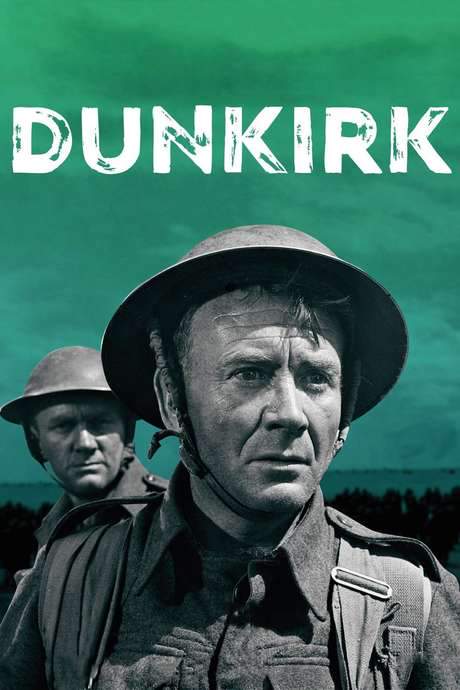
What Is Dunkirk About?
The premise of Dunkirk in 332 words, with nothing given away. The full story follows below.
In the spring of 1940 the French coastline becomes a stark stage for a desperate evacuation, the gray sea stretching toward an uncertain horizon while the thunder of war drums over the continent. The film settles into a tension‑filled atmosphere where every gust of wind can carry both salvation and ruin, and the ordinary landscape is charged with the extraordinary weight of history. Light filters through a sky perpetually bruised by clouds, casting long shadows over beaches littered with abandoned equipment and the hushed murmur of soldiers waiting for a chance to return home.
Amid this turmoil, Corporal Binns finds himself thrust into leadership after his commanding officer falls, shouldering the fragile hope of his fellow soldiers. The responsibility is immediate and relentless: organize a rag‑tag group of men, keep morale from fraying, and navigate a perilous route toward the safety of Britain. Their camaraderie is forged in urgency, each decision echoing the larger stakes of a nation on the brink, while the corporal’s quiet determination becomes the anchor around which the stranded troops revolve.
Simultaneously, the civilian response of Operation Dynamo erupts along the English coast. Ordinary people—journalists, garage owners, apprentices, and countless unnamed volunteers—converge to turn private vessels into a makeshift armada. Charles Foreman, a steadfast journalist, and his neighbor John Holden, a pragmatic garage proprietor, embody the split between eager participation and hesitant caution. Their motives intertwine personal resolve with a collective duty, creating a vibrant tapestry of hope, fear, and reluctant heroism as they prepare to face the unknown across the Channel.
The film’s tone balances stark realism with a lingering sense of awe at human resilience. It captures the claustrophobic closeness of sand‑filled dunes and the expansive, treacherous sea, underscoring how ordinary individuals are called upon to act beyond their ordinary lives. In this charged setting, the interplay between military necessity and civilian bravery generates a compelling, suspenseful mood, leaving the audience poised on the edge of the unfolding rescue without revealing the outcomes that lie ahead.
What Happens in Dunkirk?
The complete story of Dunkirk, from the first scene to the last, in 847 words (about 4 minutes). Spoilers throughout. Names in the text link to 14 cast member pages.
Spoilers ahead
In 1940, as darkness gathers over western Europe, Charles Foreman, Bernard Lee, a sharp English journalist, pursues the truth with a clear eye for propaganda and a stubborn insistence that the public deserves to know the full scale of the German build‑up. He clashes with the Ministry of Information, whose brief is to manage morale rather than expose danger, and his warnings fall on ears still dulled by a long stretch of the so‑called Phoney War. Nearby, his neighbor John Holden, Richard Attenborough, runs a garage that also quietly manufactures belt buckles for the British Army, embodying a practical, wary optimism that something is about to change.
As the Battle of France erupts, the German advance sweeps swiftly across the countryside, and Allied lines crumple along the Channel coast. Lieutenant Lumpkin, Kenneth Cope, and Corporal “Tubby” Binns, John Mills, find themselves with a small cadre of stragglers—Privates Barlow, Ray Jackson; Bellman, Meredith Edwards; Fraser, Denys Graham; and Russell, as they stumble from a ruined bridge site back toward any sign of their unit. A Luftwaffe assault cuts their hopes to shreds; Bellman is wounded, the group escapes a burning area, and nightfall brings a desperate chance to reach a Royal Artillery battery.
The battery commander orders Binns to press north toward safety with his handful of men and two more stragglers, Harper, Roland Curram, and Miles, Ronald Hines, moving to reconnect with scattered elements of the BEF. But the moment they slip away, the battery is overwhelmed in a brutal onslaught from Stuka dive bombers, leaving the retreating troops to improvise and improvise again. As the war machine roars forward, the situation in England grows more urgent: Vice‑Admiral Ramsay, Nicholas Hannen, commands the evacuation plan, and the Admiralty begins staging a remarkable, improvised armada of civilian boats—among them Foreman’s Vanity and Holden’s Heron—to ferry soldiers from Dunkirk back to Britain.
With the dawn comes a new rush of decisions. Foreman, stubborn and fearless, insists on taking Vanity to Dunkirk personally, despite warnings of danger; Holden reluctantly agrees to join, bringing along his teenage apprentice Frankie, Sean Barrett. They, and a growing flotilla of private craft, converge at the marshaling point near Sheerness, where the navy begins coordinating a sprawling rescue mission. The boats press toward the beaches, ferrying men out to the larger destroyers and merchant ships that loom offshore.
On the beaches, the nightmare intensifies. Foreman and Holden work the boats forward, shuttling troops in a relentless, dangerous rhythm as enemy aircraft pepper the skies with bombs and machine‑gun fire. The scene shifts between the chaos at the shore and the peril at sea, where Binns and his handful of comrades stumble through a series of perilous returns to the water, losing companions along the way. An escape from a sinking transport is thwarted by further bombardment, forcing another desperate dash for safety. The Admiralty’s initial push to withdraw ships becomes a fierce debate, but Ramsey and the flotilla press on, arguing that every life saved matters.
Foreman meets a brutal end during a church parade, a moment that crystallizes the human cost of the retreat and the war itself. His death underscores the personal price paid by ordinary people who are drawn into extraordinary danger. In the weeks that follow, the remaining survivors—led by Binns and the improvised group of sailors, soldiers, and civilians—continue to move through a landscape of smoke, cordite, and fear, their faith in a safer return tempered by the cold reality of the sea and the enemy overhead. Russell, once a mechanic at the aid posts, works feverishly to keep engines running, and the crew’s ingenuity becomes as vital as their courage.
Against the backdrop of air raids and beacon fires along the Channel, the rescue effort perseveres. Pannet, Rodney Diak, and Froome, Michael Bates, operate lorries and supply lines that weave through the chaos, while Froome and his fellow crewmen ferry wounded soldiers toward safety. Joe, Dan Cressey, and others endure harrowing moments as ships tremble under bombs, and the water around them churns with the wake of retreating ships and the debris of a harbor under siege.
As the final chapters unfold, the narrow escape from Calais’ perilous reach becomes a stark reminder of how precarious every voyage is. Holden, battered but resolute, finally turns toward home, his boat’s engine faltering and then stalling, until a destroyer spots the drifting craft and pulls them back into safer waters. The grim arithmetic of war—speed versus strategy, fate versus fortitude—remains constant as the last of the soldiers are swept away from the sunlit sands toward the protection of English shores.
In the end, the film folds together private courage, public duty, and the unglamorous grit that underpins a nation’s survival. It paints a portrait of individuals who, amid the chaos of an overwhelmed defense, grasp for a moment of rescue, a sliver of hope, and a return to ordinary life after extraordinary peril. The story remains anchored in the human dimension: the decisions, the losses, and the stubborn determination to bring as many as possible home from the edge of annihilation.
Dunkirk Timeline: Every Key Event in Order
15 key events in the order they happen, from “Foreman warns the public about the German threat” to “Final escape; engine failure; return to England”. 15 events name a place, across 14 locations.
- 1
Foreman warns the public about the German threat
In 1940, English journalist Charles Foreman seeks to alert readers to the dangers posed by the German buildup. He rails against the Ministry of Information for suppressing the truth and tries to wake a complacent public. His neighbor John Holden is part of the same social circle that has grown used to the quiet of the Phoney War.
When:1940 Where:England
- 2
BEF retreat begins; Binns takes command of a small group
The Battle of France opens and the BEF withdraws toward the Channel. Lieutenant Lumpkin and Corporal Binns are left with a handful of men after their unit has pulled back. Binns assumes command of four privates—Barlow, Bellman, Fraser and Russell—as they press to locate their missing unit.
When:May 1940 Where:Northern France
- 3
Fraser killed; battery hit; Binns moves north with two stragglers
Fraser is killed when the Royal Artillery battery repulses a German tank attack. The battery commander orders Binns to head north with his men and two stragglers, Harper and Miles, to find their unit. Just after they depart, the battery is wiped out by Stuka dive bombers.
When:May 1940 Where:Royal Artillery battery camp
- 4
Gort orders Dunkirk evacuation
With the BEF’s situation deteriorating, General Gort ignores counterattack orders and moves to evacuate troops from Dunkirk. The plan shifts from a stand-up defense to a desperate withdrawal.
When:May 1940 Where:France
- 5
Admiralty requisitions civilian boats for Dunkirk
In England, Vice-Admiral Ramsay coordinates Operation Dynamo and the Admiralty begins requisitioning suitable civilian boats to sail to Dunkirk. Foreman and Holden’s vessels—Vanity and Heron—are among the craft pressed into service as part of the rescue effort.
When:May–June 1940 Where:England
- 6
Boats gather at Sheerness; captains commit to the voyage
The hastily organized flotilla is marshalled at Sheerness as owners race to join the evacuation. Foreman insists on taking Vanity to Dunkirk, despite warnings of danger, and Holden resolves to take Heron, aided by his teenage apprentice Frankie.
When:May–June 1940 Where:Sheerness, England
- 7
Binns group hides; Bellman wounded
Binns and his men spend the night in an abandoned farmhouse as war closes in. At dawn a German unit appears and a firefight erupts, badly wounding Bellman. The group escapes, but Binns is forced to leave Bellman behind to receive medical attention.
When:May–June 1940 Where:French countryside near Dunkirk
- 8
RAF lorry offers a path to Dunkirk
After slipping past a German camp under cover of darkness, they stumble upon an RAF lorry manned by Airmen Froome and Pannet. The lorry takes them to Dunkirk, where Allied troops are being bombed and strafed from the air.
When:May–June 1940 Where:Near Dunkirk, France
- 9
Binns group boards a rescue ship; it sinks
Binns and his men manage to board a rescue ship, only for it to be hit by a bomb and sink. They are forced to jump into the sea and struggle to stay afloat as the evacuation scene becomes chaotic. The Admiralty also starts to withdraw its destroyers, threatening their chances of rescue.
When:May–June 1940 Where:Channel near Dunkirk
- 10
Ramsay wrestles with destroyer withdrawals
Rear Admiral Ramsay argues against withdrawing the destroyers, pressing for a more robust evacuation. The Admiralty reluctantly agrees to send some ships back and to intensify the rescue effort.
When:May–June 1940 Where:Sea off Dunkirk
Show the other 5 events of Dunkirk Hide the last 5 events
- 11
Foreman and Holden ferry troops; Vanity sinks
Foreman and Holden ferry soldiers to the larger ships as the evacuation effort continues. Vanity is sunk by a bomber, killing Joe, but Foreman is rescued by Holden. The two men continue to help carry survivors onto the boats despite the danger.
When:May–June 1940 Where:Dunkirk beaches and sea
- 12
Beaches become untenable; troops crowd the shore
With harbor operations largely impossible, thousands of Allied troops crowd the beaches under heavy air attacks. The chaotic scene underscores the desperate urgency of the evacuation as ships attempt to load men.
When:May–June 1940 Where:Dunkirk beaches
- 13
Barlow wounded; Heron engines fail; repairs underway
Barlow is wounded and taken to an aid station, while Holden's ship Heron suffers a breakdown. Russell, a civilian mechanic, works to repair the engine as Foreman and Frankie go ashore to survey the situation and help where they can.
When:May–June 1940 Where:Off Dunkirk beach
- 14
Foreman is killed; final boarding at sea
During a church parade, Foreman is killed in an aerial attack. Russell completes repairs, and Binns' group boards a rescue craft with six more soldiers as Holden sets sail for home. The evacuation continues despite the loss.
When:May–June 1940 Where:Dunkirk vicinity
- 15
Final escape; engine failure; return to England
At sea, the engine breaks down again and the boat drifts toward the German-held port of Calais. A destroyer spots the vessel and takes them back to England, ending their perilous journey. The survivors finally head home after a grueling evacuation.
When:May–June 1940 Where:Sea near Calais to England
Who Are the Main Characters in Dunkirk?
9 characters, among them John Holden (Richard Attenborough), Charles Foreman (Bernard Lee) and Cpl Tubby Binns (John Mills): who each one is and the part they play in the story. Every profile links to the actor’s page.
-

John Holden (Richard Attenborough)
Played by Richard Attenborough
A garage owner who also runs a belt-buckle business, Holden is practical and grounded. He teams with Foreman to tow a civilian boat to Dunkirk and helps ferry soldiers to safety. His steady, loyal nature anchors the civilian effort amid chaos.
- 🎯 Leader
- 🧰 Practical
- 🤝 Cooperative
-
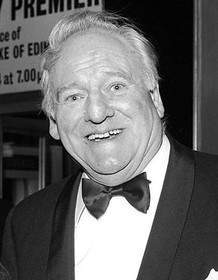
Charles Foreman (Bernard Lee)
Played by Bernard Lee
A principled journalist who rails against government censorship and tries to warn the public about the German threat. He volunteers his boat Vanity to aid in the evacuation and continues risking his life for others. His sacrifices highlight civilian courage and the stakes of wartime information.
- 🗞️ Journalist
- 🕊️ Courage
- 🤝 Civilian Involvement
-
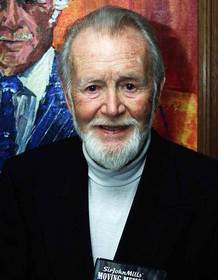
Cpl Tubby Binns (John Mills)
Played by John Mills
The de facto leader of a small group of four soldiers, Binns adapts to the chaotic retreat with resolve. He makes hard decisions to keep the unit alive, including leaving a wounded comrade to seek help. His leadership embodies the endurance and perseverance of ordinary soldiers.
- 💪 Courage
- 🛡️ Steadfast
- 🤝 Teamwork
- B(
Barlow (Ray Jackson)
Played by Ray Jackson
A member of Binns' small group who remains loyal and committed under fire. He endures wounds and contributes to the group’s attempts to reach safety. His presence underscores the camaraderie among soldiers in peril.
- 💪 Loyal
- 🤝 Teamwork
- 🛡️ Steadfast
- DB
Dave Bellman (Meredith Edwards)
Played by Meredith Edwards
One of Binns' four-man unit, Bellman is wounded during the farmhouse firefight, heightening the group's stakes. He shares the danger and maintains determination despite injury. His experience reflects the human cost of the evacuation.
- 🩹 Wounded
- 💪 Resilient
- 🤝 Teammate
- F(
Fraser (Denys Graham)
Played by Denys Graham
A member of the retreating group who is killed during the early firefight, illustrating the random brutality of the campaign. Fraser’s death underscores the fragility of life in the chaotic evacuation. His loss concentrates the urgency of the mission.
- 🕊️ Fallen
- ⚔️ Battle
- 🤝 Comrades
- PM
Private Miles (Ronald Hines)
Played by Ronald Hines
A member of the small squad whose motor skills enable repairs and support on the way to safety. He contributes to the survival of the group by assisting with field problems. His presence highlights the varied roles civilians and soldiers play in the evacuation.
- 💪 Loyal
- 🛠️ Mechanic
- 🤝 Teammate
-
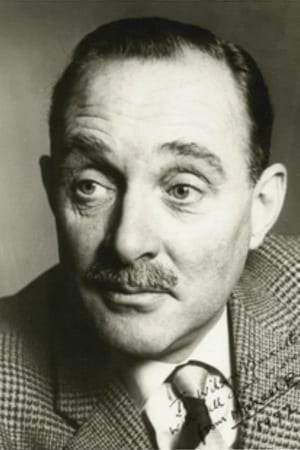
Froome (Michael Bates)
Played by Michael Bates
An RAF lorry driver who helps transport troops to Dunkirk, providing practical support rather than combat leadership. Froome’s steady efficiency makes him essential to the evacuation’s logistics. He embodies the civilian contribution to wartime operations.
- 🚚 Support
- 🛠️ Practical
- 🤝 Teamwork
- H(
Harper (Roland Curram)
Played by Roland Curram
A fellow private who travels with Binns' group, sharing dangers and working to keep morale high. Harper's cooperation with others illustrates the collective effort of the troops on the ground. He reinforces the theme of solidarity under pressure.
- 🤝 Teamwork
- 💪 Resolve
- 🧭 Scout
Where and When Is Dunkirk Set?
Dunkirk is set in Dunkirk, France, Sheerness and England (Spring 1940). Here is why the time and place matter to the story.
When
Spring 1940
The story unfolds during the early stages of World War II, as German forces push into Western Europe and the British Expeditionary Force is trapped along the Channel. The Battle of France collapses and the Dunkirk evacuation, known as Operation Dynamo, drives much of the action. The timeline covers the chaotic days spent on the beaches and in the surrounding ports.
Where
Dunkirk, France, Sheerness, England
The film centers on the Dunkirk evacuation along the Channel coast, with civilian boats joining the Royal Navy to ferry troops off the beaches. It shows the perilous sea crossing under constant Luftwaffe attacks, and the improvisation required to reach safety. The setting also includes Sheerness, where civilians prepare and marshal boats for Operation Dynamo.
- 🏖️ Beachhead
- 🚤 Civilian Effort
- 🌊 Sea Evacuation
What Are the Themes of Dunkirk?
3 ideas the story keeps returning to, among them Courage, Propaganda and Survival.
-
01
Courage
The film highlights daily bravery under bombardment, where civilians and soldiers improvise to save lives. It shows ordinary people stepping into dangerous roles to aid evacuation. The resilience forged in desperate moments is a central thread, shaping acts of selflessness.
-
02
Propaganda
The story contrasts government messaging with on-the-ground reality, illustrating how information suppression can shape public perception. Foreman, the journalist, challenges authorities to tell the truth about the threat. The evacuation itself becomes a narrative of citizen involvement overriding official caution.
-
03
Survival
The characters rely on grit and improvisation as engines fail and boats are sunk. Survival hinges on teamwork, quick thinking, and luck in the face of bombardment. The film underscores the fragile balance between danger and hope during the Dunkirk crisis.
What Kind of Film Is Dunkirk?
Tense in tone, with fast pacing and a moderate story, going by the plot summary.
- Tone
- Tense
- Pacing
- Fast
- Story
- Moderate
- Intensity
- High
- Ending
- Bittersweet
An intensely tense and fast-paced war drama that plunges the viewer into the chaotic desperation of the Dunkirk evacuation, balancing scenes of individual survival against a backdrop of grim sacrifice and resolute collective effort.
- tense
- desperate
- anxious
- grim
- resolute
- chaotic
- war survival
- civilian courage
- military retreat
- collective effort
Content notes: war violence, death of major characters, bombing, strafing, drowning, military casualties.
Quiz
How well do you remember Dunkirk? Test yourself on the story.