

What Is Tunes of Glory About?
The premise of Tunes of Glory in 327 words, with nothing given away. The full story follows below.
In the quiet hills of post‑World II Scotland, a peacetime garrison clings to the remnants of wartime camaraderie while the world outside moves toward a new normal. The story opens amid the smoky comfort of the officers’ mess, where Jock Sinclair—a larger‑than‑life lieutenant‑colonel famed for drinking, singing, and dancing with his men—has long been the heart of the battalion’s morale. His charismatic, if unruly, leadership has turned the mess into a refuge where rank feels secondary to the shared rhythm of pipe‑music and laughter.
The arrival of a new commander upends that easy rhythm. Basil Barrow, a Oxford‑educated lieutenant‑colonel whose family helped found the regiment, embodies the disciplined order the higher headquarters deem essential for peacetime. His measured demeanor and refusal to indulge in the old rituals signal a stark shift from the raucous evenings that have defined the unit. Barrow’s own wartime experience—service dating back to the 1930s and a harrowing captivity under the Japanese—gives him a weighty sense of duty, but it also sets him at odds with the entrenched spirit that Sinclair has cultivated.
Beneath the formal clashes, personal tensions stir. Morag Sinclair, the commander’s daughter, quietly falls for Ian Fraser, the battalion’s piper, their tender moments offering a glimpse of hope amid the brewing conflict. The officers’ attempts to impose “proper” Scottish country dancing for an upcoming social event become a symbolic battleground, where steps and gestures echo the deeper struggle between tradition and reform. The town’s own celebrations add a layer of festivity that feels both inviting and unsettling to the newly imposed order.
Around them, other senior figures—Charles “Charlie” Scott, a seasoned major, and Jimmy Cairns, a pragmatic captain—watch the shifting dynamics with a mix of loyalty and skepticism. The film’s tone is a careful blend of gritty realism and wistful melancholy, inviting the audience to feel the weight of history pressing on a generation caught between the exuberance of their past exploits and the sober expectations of a peaceful future.
What Happens in Tunes of Glory?
The complete story of Tunes of Glory, from the first scene to the last, in 671 words (about 3 minutes). Spoilers throughout. Names in the text link to 6 cast member pages.
Spoilers ahead
In January 1948, at the officers’ mess of a Highland battalion, Jock Sinclair announces that his tenure as acting commanding officer is coming to an end. Although Sinclair has risen through the ranks from piper to lieutenant‑colonel, the brigade headquarters decide that a peacetime commander should come from a more traditional background. Into this scene steps Lt. Col. Basil Barrow, a man whose ancestry—familiar to the battalion as the founder of its lineage—and his Oxford education mark him as the ideal figure for a calm, orderly transition to postwar norms. Barrow’s arrival is marked by a cool, measured presence: he declines sharing a whisky with Sinclair and immediately signals a shift in the battalion’s atmosphere. Barrow’s history runs deep—he served with the battalion in 1933, endured a stint as a prisoner of the Japanese, and now carries the weight of duty into a new era. By contrast, Sinclair has his own checkered background, having spent time in Barlinnie Prison for drunkenness, a contrast that foreshadows the friction to come.
Morag Sinclair, Sinclair’s daughter, embodies the personal tensions that simmer beneath the officers’ formal rituals. She quietly meets Corporal Ian Fraser, the battalion’s piper, as Barrow begins to impose stricter discipline. The tension between old habits and new rules becomes most visible as Barrow orders the men to practice “proper” Scottish country dancing in preparation for the battalion’s first official post‑war social occasion. The room fills with a mix of amusement and resentment; decades of freely moving arms and raucous camaraderie collide with Barrow’s insistence on decorum. The officers’ reluctance isn’t simply about dance steps—it signals a deeper struggle over how the unit defines itself in peacetime.
The night’s energy shifts when the townspeople host a cocktail party, and Barrow’s tight control clashes with the celebratory mood. As dancing grows louder, Barrow ends the proceedings and drives away in his jeep, visibly distressed. The rift widens when Sinclair discovers Ian Fraser with Morag in a pub, and Sinclair strikes him in a reckless act of jealousy and pride. Barrow begins the formal court‑martial process, but Sinclair persuades him to back down, promising support in the future. Yet Sinclair never follows through, and a sense of distrust grows among the officers; they begin to view Barrow as weak and inadequate for the battalion’s mood and loyalties.
Over a game of billiards, Maj. Charles “Charlie” Scott tells Barrow that Sinclair remains the real power in the unit and hints that Barrow should align himself with the more powerful faction. The suggestion gnaws at Barrow, who feels increasingly isolated and unsettled. His distress culminates in a tragic moment: Barrow takes his own life, the body found in the tub room with a self‑inflicted bullet wound. The tragedy reverberates through the ranks and casts a shadow over the idea of leadership that Sinclair and Scott have been spinning.
In the wake of Barrow’s death, Sinclair tries to orchestrate a monumental funeral, a grand procession through the town with bagpipes and a formal march that would memorialize the battalion’s postwar continuity. He assigns himself a central role in this imagined cortège, insisting that Barrow’s death was not suicide but murder, and that he himself is the killer, with the other senior officers as accomplices. His vision of pomp and ritual becomes a shield for his guilt, a way to control the narrative and preserve his sense of purpose even as reality crumbles around him.
As the plan unfolds, the room empties, leaving only Capt. Jimmy Cairns and Maj. Charles “Charlie” Scott with a choice: join Sinclair in his self‑aggrandizing ritual or step away from the escalating crisis. Cairns accompanies Sinclair, guiding him as the weight of the situation bears down. In the final, quiet moment, snow begins to fall, and the parade of memories, loyalties, and duties culminates in a solemn, sorrowful farewell. The scene closes on the image of bagpipes sounding through the cold air as officers and men salute, marking the end of an era and the beginning of a difficult reckoning for the battalion.
Tunes of Glory Timeline: Every Key Event in Order
12 key events in the order they happen, from “Sinclair's tenure ends; Barrow to replace him” to “The funeral procession and somber resolution”. 12 events name a place, across 11 locations.
- 1
Sinclair's tenure ends; Barrow to replace him
Jock Sinclair announces that his tenure as acting commanding officer is over, and Basil Barrow will replace him. The decision highlights a peacetime-focused appointment, contrasting Sinclair's hard-won wartime experience. The transfer signals a shift in leadership style for the Highland battalion.
When:January 1948 Where:Officers' mess, Highland battalion
- 2
Barrow's arrival and first impressions
Barrow arrives early to the mess and declines sharing a whisky with Sinclair. He contrasts sharply with Sinclair, whose career rose from piper to lieutenant-colonel. Barrow's Oxford background and prior wartime service, including a POW captivity, set up a clash of temperaments.
When:January 1948 Where:Officers' mess, Highland battalion
- 3
Barrow enforces discipline; Morag's secret meeting
Barrow begins enforcing strict discipline as Morag secretly meets Corporal Ian Fraser. The battalion resents the new order as they prep for their first post-war social. The push for proper Scottish dancing intensifies the culture clash.
When:January 1948 Where:Battalion mess and social hall
- 4
Dancing vs tradition; Barrow ends the party
At the cocktail party, the townspeople enjoy Barrow's hosting, but the dancing instruction provokes anger among officers who have danced for decades. Morag's meeting with Fraser looms over the scene. Barrow ends the proceedings in a moment of distress and drives off in a jeep.
When:January 1948 Where:Battalion social hall
- 5
Sinclair punches Fraser; Barrow initiates court-martial
Sinclair punches Fraser after finding him with Morag in a pub. Barrow begins a court-martial but Sinclair persuades him to drop it. The incident deepens Barrow's isolation and his perception of a power struggle within the battalion.
When:January 1948 Where:Pub and barracks
- 6
Sinclair's betrayal; Barrow's perceived weakness
Sinclair fails to uphold his promise to support Barrow, and other officers begin to treat Barrow as weak. The rift between them widens as Barrow's authority erodes. The battalion starts to drift toward faction and distrust.
When:January 1948 Where:Barracks / officers' club
- 7
Scott's warning; Sinclair is in charge
Over billiards, Scott tells Barrow that Sinclair is really in charge and suggests Barrow align with the followers. Barrow feels abandoned and contemplates his future in the battalion. The tension between leadership and loyalty reaches a breaking point.
When:January 1948 Where:Billiards room
- 8
Barrow's death
Distraught, Barrow leaves the scene and a gunshot is heard. His body is later discovered in the tub room with a self-inflicted bullet wound. The tragedy compounds the leadership crisis and shocks the battalion.
When:January 1948 Where:Tub room, barracks
- 9
Sinclair plans a symbolic funeral march
Sinclair holds a meeting to announce a grand funeral for Barrow, complete with a march through the town and pipers playing Tunes of Glory. He imagines a dignified send-off that will reclaim his standing and assert his control over the narrative. The scene foreshadows the public spectacle that follows Barrow's death.
When:January 1948 Where:Barracks / HQ
- 10
Sinclair accuses others; Barrow's death questioned
When an officer suggests Barrow's death might be suicide, Sinclair insists it was murder and accuses the senior officers of complicity. He clings to a story that will support his leadership and attempt to police the affair. The atmosphere grows tense as truth and manipulation clash.
When:January 1948 Where:Barracks
- 11
Aftermath; Sinclair's guilt and the cortege
Sinclair buries his head in his tam and sobs, overwhelmed by guilt as the cortège preparation continues. Cairns accompanies him as he rides away, with officers and men saluting during the procession. Bagpipes play and snow begins to fall, signaling a solemn end to the crisis.
When:January 1948 Where:Barracks to town route
- 12
The funeral procession and somber resolution
The funeral procession moves through the town to the sound of bagpipes while snow falls. Sinclair's presence at the march underscores the price of pride and leadership under strain. The battalion is left fractured but moved by the solemn ceremony.
When:January 1948 Where:Town streets
Who Are the Main Characters in Tunes of Glory?
7 characters, among them Maj. Jock Sinclair (Alec Guinness), Lt. Col. Basil Barrow (John Mills) and Morag Sinclair (Susannah York): who each one is and the part they play in the story. Every profile links to the actor’s page.
-
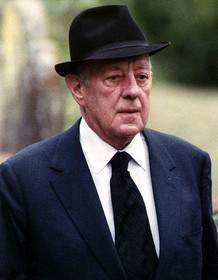
Maj. Jock Sinclair (Alec Guinness)
Played by Alec Guinness
A seasoned acting commanding officer with extensive combat experience, Sinclair has led as an acting lieutenant-colonel since his predecessor’s death. He has spent time in Barlinnie Prison for drunkenness, yet remains the battalion’s force of personality and informal authority. His deep loyalty to the men clashes with Barrow’s formal, peacetime discipline, driving the central power struggle.
- 🧭 Leadership
- 🔥 Temper
- 🎖️ Veteran
-
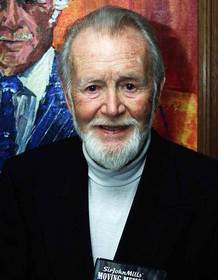
Lt. Col. Basil Barrow (John Mills)
Played by John Mills
A peacetime officer with an Oxford background and a lineage tied to the battalion, Barrow arrives to restore order through formal discipline. He enforces rules strictly and attempts to project calm authority, which sets him up against Sinclair’s entrenched informal leadership. His resolve is tested as the conflict spirals toward tragedy.
- 🎖️ Military tradition
- 🎓 Elite background
- ⚖️ Discipline
- MS
Morag Sinclair (Susannah York)
Played by Susannah York
Sinclair’s daughter, Morag becomes entangled with Corporal Ian Fraser, highlighting the personal stakes behind the officers’ power struggle. Her secret meetings with Fraser illustrate the human tension beneath the regiment’s formal exterior. She embodies the intersection of family loyalty and military duty.
- 👩👧 Family
- 💘 Forbidden romance
- 🎭 Drama
- CI
Cpl. Ian Fraser (John Fraser)
Played by John Fraser
A piper and Corporal in the battalion’s ranks, Ian Fraser represents the traditional pipe-band culture of the unit. His secret liaison with Morag reveals how personal relationships complicate loyalty to the command structure. Fraser embodies the pull between personal desire and military expectations.
- 🎶 Music
- 🧭 Loyalty
- 🎭 Drama
- MC
Maj. Charles 'Charlie' Scott (Dennis Price)
Played by Dennis Price
Battalion Executive Officer, a senior officer who navigates the politics between Sinclair and Barrow. Scott’s insights and ambition position him as a key observer and occasional mediator in the struggle for control. He embodies the strategic, behind-the-scenes maneuvering within the upper echelons.
- 🎖️ Senior Staff
- 🧭 Strategy
- 💼 Politics
-
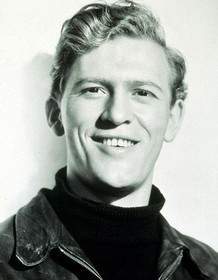
Capt. Jimmy Cairns (Gordon Jackson)
Played by Gordon Jackson
Battalion Adjutant who stands as a secondary voice in the chain of command. His perspective reflects the practical side of administration and the pressures of enforcing orders during a time of transition. Cairns serves as a foil to both Sinclair and Barrow.
- 🏛️ Administration
- 🗣️ Duty
- 🎖️ Military
- RR
RSM Riddick (Percy Herbert)
Played by Percy Herbert
As the regiment’s senior noncommissioned officer, Riddick observes the shifting dynamics from the ground level. His experience and loyalty to the men provide a counterpoint to the ambitions of the officers. Riddick embodies the practical memory of the unit and its enduring culture.
- 🪖 NCO leadership
- 🧭 Loyalty
- 🧱 Tradition
Where and When Is Tunes of Glory Set?
Tunes of Glory is set in Scottish Highlands (January 1948). Here is why the time and place matter to the story.
When
January 1948
Set in the early post-war period, the film shows Britain transitioning from active conflict to peacetime duties. Demobilisation, formal ceremonies, and rigid discipline frame the daily life of the battalion. The time period underscores the clash between veteran experience and peacetime authority.
Where
Scottish Highlands
The action unfolds in the officers' mess of a Highland battalion located in the Scottish Highlands. It anchors the story in a rural garrison town where military ritual and camaraderie are the norm, even as the post-war era pressures redefine leadership and discipline. The setting’s claustrophobic barracks atmosphere amplifies the tension between two contrasting command styles.
- ❄️ Scottish Highlands
- 🎖️ Military life
- 🕰️ Post-war setting
What Are the Themes of Tunes of Glory?
4 ideas the story keeps returning to, among them Leadership, Duty and guilt and Tradition vs change.
-
01
Leadership
The story centers on who truly commands: Sinclair’s hard‑won battlefield authority versus Barrow’s formal peacetime governance. Their contrasting approaches reveal how different leadership styles affect morale and obedience within a regiment. The tension exposes the fragility of command when trust and legitimacy are in question.
-
02
Duty and guilt
Duty to the unit clashes with personal conscience as events unfold around Barrow’s firm actions and Sinclair’s resistance. The looming sense of guilt follows the power struggle, culminating in tragic consequences. The narrative uses these feelings to probe what leaders owe to their soldiers and to themselves.
-
03
Tradition vs change
The film juxtaposes long-standing military rituals—dances, pipe music, and ceremonial social events—with the push for stricter discipline. Barrow’s attempts to modernize norms clash with decades of veteran behavior, turning social occasions into battlegrounds for values. The clash highlights how tradition can both define identity and impede progress.
-
04
Tragedy and consequence
The personal and institutional rifts culminate in Barrow’s death, exposing the high cost of pride and factionalism. The aftermath contaminates relationships across the chain of command and casts a pall over any sense of shared purpose. The final procession, with bagpipes and falling snow, underscores the hollow cost of power struggles.
What Kind of Film Is Tunes of Glory?
Melancholic in tone, with slow pacing and a moderate story, going by the plot summary.
- Tone
- Melancholic
- Pacing
- Slow
- Story
- Moderate
- Intensity
- High
- Ending
- Sad
A slow-paced, intensely somber drama about a clash of military leadership that builds psychological tension in a claustrophobic institution, culminating in a tragic suicide and profound feelings of guilt and regret.
- claustrophobic
- tense
- somber
- authoritative
- tragic
- regretful
- military leadership
- clash of ideologies
- psychological pressure
- suicide
Content notes: suicide.
Quiz
How well do you remember Tunes of Glory? Test yourself on the story.


